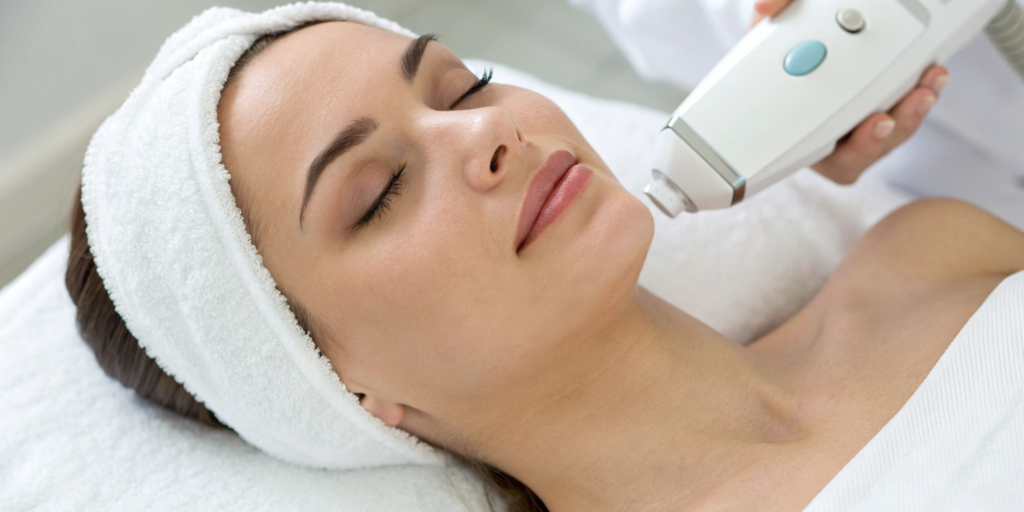
The idea of using acid to treat your skin might sound intimidating, but it’s one of the most trusted methods for skin renewal. A chemical peel for acne scars is essentially a powerful, targeted exfoliation treatment that goes deeper than any at-home product can. It works by removing the damaged outer layers of skin, signaling your body to ramp up collagen production. This new collagen helps fill in pitted scars from below, creating a smoother surface. Understanding this process is the first step toward feeling confident in your treatment choice. Here, we’ll break down the science, explain the different peel strengths, and help you determine which approach is right for your skin.
Key Takeaways
- Choose the right peel for your specific scars: The effectiveness of a chemical peel depends on matching the treatment’s strength to your scar depth. Light peels work well for surface discoloration, while medium or deep peels are better suited for indented texture issues.
- Preparation and aftercare are non-negotiable: How you care for your skin before and after the treatment directly impacts your results. Following instructions, especially consistent sun protection, is essential for proper healing and preventing pigmentation changes.
- A professional consultation ensures safety and results: A chemical peel is a medical treatment, not just a facial. An expert assessment is necessary to determine if you’re a good candidate, select the correct peel for your skin, and design a safe, personalized plan.
How Do Chemical Peels Improve Acne Scars?
If you’ve dealt with acne, you know the frustration doesn’t always end when the breakout clears. The scars left behind can feel just as challenging. The good news is that you don’t have to live with them forever. Chemical peels are a powerful tool for smoothing skin texture and reducing the appearance of acne scars. They work by harnessing your skin’s natural healing process to reveal a fresher, more even complexion. The key is understanding how they work and which type of peel is right for your specific skin concerns.
How Peels Resurface Your Skin
A chemical peel uses a specialized acid solution to gently remove the outermost layer of your skin. Think of it as a strategic reset for your complexion. This process, called exfoliation, gets rid of the dead and damaged skin cells that make scars look more prominent. But the magic doesn’t stop there. This controlled removal of skin signals your body to kickstart its healing response. It begins to produce more collagen, the protein that gives your skin its structure and firmness. This new collagen helps to fill in indented scars from the inside out, leading to smoother, healthier-looking skin. Our skin treatments are designed to manage this process for optimal results.
Matching the Peel to the Scar Type
Just as there are different types of acne, there are different types of scars, and finding the right treatment means matching the peel to your specific needs. A peel that works wonders for surface-level discoloration might not be effective for deeper scars. Generally, chemical peels are excellent for improving skin texture and reducing pigmentation left by acne. However, they may not be the best choice for very deep, pitted, or raised scars, which often require different treatment methods. The best type of peel for you depends on the severity of your scars and your unique skin type. This is why a professional consultation is so important to create a plan that will give you the best possible outcome.
Find the Right Chemical Peel for Your Scars
Choosing the right chemical peel is all about matching the treatment’s strength to the depth of your scars. A peel that works wonders for surface discoloration won’t be the best choice for a deeper, pitted scar. The key is to find the perfect fit for your skin’s needs. Let’s break down the three main types of peels to help you understand which one might be right for you.
Superficial Peels for Mild Surface Scarring
If you’re dealing with faint acne marks or lingering discoloration, a superficial peel is a great place to start. Also known as a light peel, this treatment works on the outermost layer of your skin to gently exfoliate and refresh your complexion. It’s ideal for addressing post-inflammatory hyperpigmentation (those dark spots left behind after a pimple heals) and very mild surface texture. Because these peels are so gentle, you’ll likely need a series of treatments for the best results. The good news is the downtime is minimal, with most people experiencing only slight redness for a few days.
Medium-Depth Peels for Moderate Scars
For more stubborn acne scars that are slightly indented, a medium-depth peel can offer more significant improvement. This type of peel goes a bit deeper, removing the top layer of skin and reaching the upper part of the middle layer. This process stimulates collagen production and encourages new, smoother skin to grow. It’s an effective solution for atrophic or “pitted” scars and noticeable uneven skin tone. Because the treatment is more intensive, recovery takes longer, typically one to two weeks. You can expect some redness to stick around for a while, but our skin treatments are designed to deliver results that are well worth the wait.
Deep Peels for Severe Acne Scars
Deep peels are the most powerful option, reserved for significant scarring and texture issues. This treatment penetrates well into the middle layer of the skin to address more severe, deep-set scars. While a chemical peel can’t completely erase every deep scar, it can make a dramatic difference in your skin’s overall smoothness. A deep peel triggers a complete resurfacing of the treated area. Given its intensity, this peel requires a longer healing period. New skin typically forms in about two weeks, but you should expect redness to persist for several months as your skin fully recovers. This is a serious treatment that requires expert care.
Will a Chemical Peel Work for Your Scars?
Chemical peels can be a fantastic tool for improving the appearance of acne scars, but they aren’t a universal fix for every type of scar or skin. The effectiveness of a peel depends on the depth of your scarring, your skin type, and your specific goals. Understanding what peels do best and where they have limitations is the first step toward finding the right treatment for you. Let’s look at which scars respond well, what results you can realistically expect, and when you might want to explore other options.
Which Scars Respond Best to Peels
Chemical peels are most effective for superficial to moderately deep acne scarring. They work by removing the top layer of damaged skin, which encourages new, healthy skin cells to grow in its place. This process also creates a controlled injury that stimulates your body’s natural collagen production, helping to fill in depressed scars over time. This makes peels an excellent way to resurface the skin and improve texture and discoloration left behind by acne. If your main concerns are shallow indentations or lingering redness and brown spots, a chemical peel could be a great fit.
Setting Realistic Expectations
While chemical peels can dramatically improve skin texture, it’s important to set realistic expectations. They can significantly reduce the appearance of mild to moderate scars, especially shallow atrophic (indented) scars. However, they may not completely remove very deep or severe scars. For more significant scarring, a chemical peel might be one part of a larger treatment plan. Often, the best results come from combining peels with other procedures like microneedling or laser treatments. During a consultation, we can create a personalized facial rejuvenation plan that addresses your unique skin concerns from all angles.
When to Consider Other Treatments
A chemical peel isn’t always the best starting point. Very deep, raised (hypertrophic), or severely pitted scars often require more intensive treatments to see significant improvement. Additionally, your skin type plays a crucial role. For instance, some research suggests that people with darker skin tones may get better results and face fewer risks of pigmentation changes with other methods. One study found that patients with darker skin who want to treat acne scars may respond more effectively to microneedling. Exploring all your skin treatment options with a professional is the best way to ensure you choose a safe and effective path.
Understanding the Risks and Side Effects
Chemical peels are a fantastic tool for skin renewal, but it’s important to go into the process with a clear picture of what to expect. Because peels work by removing the outer layers of skin, your body needs time to heal and reveal that fresh, new layer underneath. Understanding the recovery process and potential side effects helps you prepare properly and ensures you get the beautiful results you’re looking for. A professional consultation is the best way to get a personalized overview of what your specific healing journey will look like.
Common Side Effects and Recovery Time
After a chemical peel, think of your skin as recovering from a sunburn. It’s normal to experience redness, some swelling, and peeling for several days. For a light, superficial peel, this process usually lasts about three to seven days. If you opt for a medium or deep peel to address more significant scarring, the recovery is a bit more involved. You might see some blistering that crusts over and peels off within one to two weeks. While this sounds intense, it’s a standard part of the deep exfoliation process. Your skincare specialist will give you detailed aftercare instructions to keep your skin comfortable and protected as it heals.
Potential Complications and What to Watch For
While most people heal without any issues, there are a few potential complications to be aware of. Peels can sometimes trigger infections, like a flare-up of the cold sore virus if you’re prone to them. The most significant risk is a change in skin color. This can be either hyperpigmentation (darkening) or hypopigmentation (lightening), which can sometimes be permanent. This is why it’s so crucial to work with an experienced provider who understands skin of all types. It’s also good to know that chemical peels are best for surface-level texture and discoloration, not for very deep, pitted, or raised scars, which may require different skin treatments.
How Your Skin Type Affects Treatment
Your unique skin type and tone play a huge role in determining the right chemical peel for you. If you have a darker skin tone, for example, you are more susceptible to post-treatment pigmentation changes. To minimize this risk, we typically recommend a series of milder peels, like those with glycolic acid, rather than a single, aggressive one. This approach allows us to safely achieve your goals without compromising your skin’s health. A thorough consultation before any facial rejuvenation treatment allows us to assess your skin’s specific needs and select a peel that will give you the best and safest outcome.
Is a Chemical Peel Right for You?
Deciding if a chemical peel is the right move for your skin involves more than just wanting to fade acne scars. It’s about understanding your skin type, the nature of your scarring, and your overall health. The good news is that with a little guidance, you can figure out if this treatment aligns with your skincare goals. The key is to match the right type of peel to your specific needs, be aware of situations where a peel might not be the best option, and always, always start with a professional conversation.
How to Choose the Right Peel
Finding the perfect chemical peel isn’t a one-size-fits-all situation. The best choice really depends on your unique skin type and how significant your acne scars are. Chemical peels work their magic by removing the damaged top layer of skin, which encourages fresh, healthy skin to grow in its place. This process also creates a type of controlled injury that signals your body to produce more collagen, helping to fill in indented scars over time. For instance, someone with mild discoloration might benefit from a gentle glycolic acid peel, while deeper scars could require a more intensive solution. The goal is to select a treatment that effectively targets your specific skin concerns without being too aggressive for your skin.
Who Should Avoid Chemical Peels
As effective as chemical peels can be, they aren’t suitable for everyone. Your safety and skin health come first, so it’s important to know when to pause. You might need to avoid a chemical peel if you’ve taken certain acne medications like isotretinoin within the last six months, as this can affect how your skin heals. Other factors include being pregnant, having a history of keloid scarring (thick, raised scars), or getting frequent cold sore outbreaks. People with darker skin tones should also be particularly careful, as some peels carry a higher risk of hyperpigmentation. A specialist can help you explore other facial rejuvenation options if a peel isn’t the right fit for you right now.
Why a Professional Consultation Matters
You can read articles and watch videos for hours, but nothing replaces a one-on-one conversation with a skincare expert. A professional consultation is the most critical step in your chemical peel journey. A qualified, physician-led team can properly assess your skin, analyze the type and depth of your acne scars, and create a treatment plan tailored just for you. They’ll determine if you’re a good candidate and which peel will give you the best results. When used correctly, chemical peels can be incredibly effective, especially when combined with other treatments. A professional ensures the treatment is appropriate for your skin, which is the key to achieving the smooth, clear complexion you’re looking for.
How to Prepare for Your Chemical Peel
Getting ready for a chemical peel is just as important as the treatment itself. Think of it as setting the stage for amazing results. Proper preparation helps ensure your skin responds well to the peel, minimizes potential side effects, and makes your recovery smoother. Your provider will give you a detailed list of instructions, but knowing what to expect ahead of time can make the whole process feel much more comfortable. Here’s a look at how you can get your skin ready and what to discuss with your specialist.
Prepping Your Skin for Treatment
Your prep work starts about one to two weeks before your appointment. First, you’ll want to protect your skin from the sun, so be diligent with your SPF. It’s also a good idea to pause any products with retinoids or other strong exfoliants. In the week leading up to your peel, you should avoid any hair removal like waxing, as well as facial scrubs or masks. Your provider will also likely ask you to stop taking certain medications or supplements that can thin your blood, like aspirin or vitamin E, about 10 days beforehand. A professional chemical peel is a medical procedure, so following these steps is crucial for your safety and results.
Questions to Ask Your Skincare Specialist
Your consultation is the perfect time to get all your questions answered. Come prepared to talk openly about your health history, including any skin conditions you have like eczema or rosacea. It’s also important to be clear about what you’re hoping to achieve. Don’t hesitate to ask which type of peel they recommend for your specific scars and skin type, and why they believe it’s the best choice. You can also ask about the recovery process and what you can realistically expect for results. A great provider wants you to feel confident and informed, so a thorough consultation is always the first step.
What to Expect After Your Chemical Peel
Knowing what comes next is key to a smooth recovery and amazing results. A chemical peel is a process, and your skin needs time and proper care to heal beautifully. Here’s a straightforward guide to the post-peel experience, from the first day to long-term maintenance.
The Day-by-Day Healing Process
Immediately after your treatment, your skin will likely be red, tight, and feel a bit like a sunburn. This is a normal part of the process. Depending on the depth of your peel, this initial redness can last a few hours or a few days. Within about three to seven days, you’ll notice the top layer of your skin starting to flake and peel away. For medium or deep peels, you might also experience some swelling or even blisters that will crust over and flake off within one to two weeks. The key is to be patient and let your skin shed on its own schedule. A chemical peel is designed to reveal fresh, new skin, and this peeling phase is exactly how it happens.
Aftercare Tips for the Best Results
Proper aftercare is non-negotiable for getting the best outcome. Your specialist will give you specific instructions, so be sure to follow them closely. This usually involves gentle cleansing, consistent moisturizing, and applying any recommended healing ointments. For several days before and after your treatment, you’ll need to avoid harsh products like physical scrubs, retinoids, or strong acne treatments. Most importantly, protect your new skin from the sun. Sunscreen is your best friend, and you should stay out of direct sunlight for several months to prevent new pigmentation issues. Following a dedicated aftercare plan is a crucial part of our approach to skin treatments and ensures your skin heals correctly.
Maintaining Your Results Long-Term
Once your skin has fully healed, you’ll want to protect your investment. The new skin revealed by your peel is more sensitive, especially to the sun, so daily sunscreen use is essential to prevent new damage. Over time, natural aging and sun exposure can still cause changes, but a consistent skincare routine can help maintain your smooth, clear complexion. Depending on your goals, you might consider follow-up treatments. Light peels can often be repeated every few weeks, while medium-depth peels can be done every six to twelve months to keep your skin looking its best. It’s also good to remember that while peels are fantastic for many scars, they may not completely remove very deep or raised ones.
Chemical Peel Costs and Treatment Timelines
When you’re considering any new skincare treatment, two of the biggest questions are usually “How much will it cost?” and “How long will it take to see results?” With chemical peels, the answers depend entirely on your unique skin and goals. It’s helpful to think of it less as a one-time purchase and more as a personalized investment in your skin’s future. The journey to smoother skin is a process, and understanding the financial and time commitments upfront is key to feeling confident in your decision.
Your total cost and treatment schedule will be tailored to address your specific type of acne scarring, giving you a clear and predictable path toward the even-toned complexion you’re looking for. We’ll work together to create a plan that fits your budget and timeline, ensuring you feel informed every step of the way. This isn’t about a quick fix; it’s about a strategic approach to lasting skin health. We’ll break down exactly what you can expect, from the price of each session to the number of treatments you’ll likely need to achieve the beautiful, clear skin you deserve. This transparency helps you plan accordingly and focus on what really matters: your results.
Factors That Affect Pricing
The price of a chemical peel isn’t a one-size-fits-all number. Several factors influence the final cost, with the most significant being the type of peel you receive. Superficial peels, which target the outermost layer of skin, are generally the most affordable option. Medium and deep peels cost more because they use stronger ingredients and require a higher level of professional expertise to perform safely. Where you get your treatment also plays a role. At a physician-led clinic, you’re investing in a safe, medically supervised procedure tailored to your specific skin concerns. Your final cost will reflect the custom plan designed just for you.
Understanding Your Treatment Plan
Your treatment plan is the roadmap to your results, outlining the frequency and timeline for your peels. For surface-level concerns like minor discoloration, we might recommend a series of light peels spaced one to four weeks apart to gradually reveal healthier skin. If you have more significant scarring, a medium-depth peel might be a better fit, which can typically be repeated every six to twelve months. While peels work wonders on texture and pigmentation, very deep scars sometimes respond best to a combination of treatments. We can incorporate peels into a complete facial rejuvenation strategy that might also include services like microneedling to give you the best possible outcome.
Related Articles
- 4 Best Chemical Peels for Acne Scars: Derm Guide
- Medium Depth Chemical Peel for Acne Scars: Is It for You?
- Finding the Best Chemical Peel for Deep Acne Scars
- The 3 Best Chemical Peels for Acne Scars & Dark Spots
Frequently Asked Questions
Do chemical peels hurt? This is probably the most common question I get, and the answer really depends on the strength of the peel. For a light, superficial peel, you’ll likely feel a mild tingling or warming sensation while the solution is on your skin, but it’s generally very tolerable. Medium-depth peels can feel a bit more intense, often described as a stinging or burning feeling that subsides after a few minutes. Your provider will make sure you are comfortable throughout the entire process.
How many peels will I need to see a difference in my acne scars? The number of treatments you’ll need is completely unique to your skin and the severity of your scarring. For mild discoloration or very shallow texture, you might see great improvement after a series of three to six light peels. For more moderate or indented scars, one or two medium-depth peels spaced several months apart might be the recommended path. The best way to get a clear timeline is through a professional consultation where we can create a plan tailored just for you.
When will I see the final results from my peel? You’ll notice your skin looks brighter and feels smoother as soon as the initial peeling phase is over, which is usually within one to two weeks. However, the most significant results for acne scars appear over time. The peel stimulates new collagen production deep within your skin, and this process continues for several months. You can expect to see the full, lasting improvement in your skin’s texture and tone about three to six months after your treatment.
Can I combine a chemical peel with other treatments for my scars? Absolutely. In fact, a combination approach often yields the best results, especially for more complex or deep-set acne scars. A chemical peel is fantastic for improving overall skin texture and discoloration, and it can be paired with other treatments like microneedling, which also stimulates collagen and helps break down scar tissue. During your consultation, we can discuss a comprehensive strategy that uses the right tools to address your specific skin concerns from every angle.
Why can’t I just use an at-home peel kit? While at-home peels can offer some light exfoliation, they are not comparable to a professional treatment for acne scars. The solutions used in a clinic are much stronger and are formulated to penetrate the skin at specific depths to trigger true resurfacing and collagen growth. A professional, physician-led treatment also ensures the peel is chosen and applied correctly for your skin type, which minimizes risks like burns or permanent pigmentation changes that can occur with improper use of at-home kits.