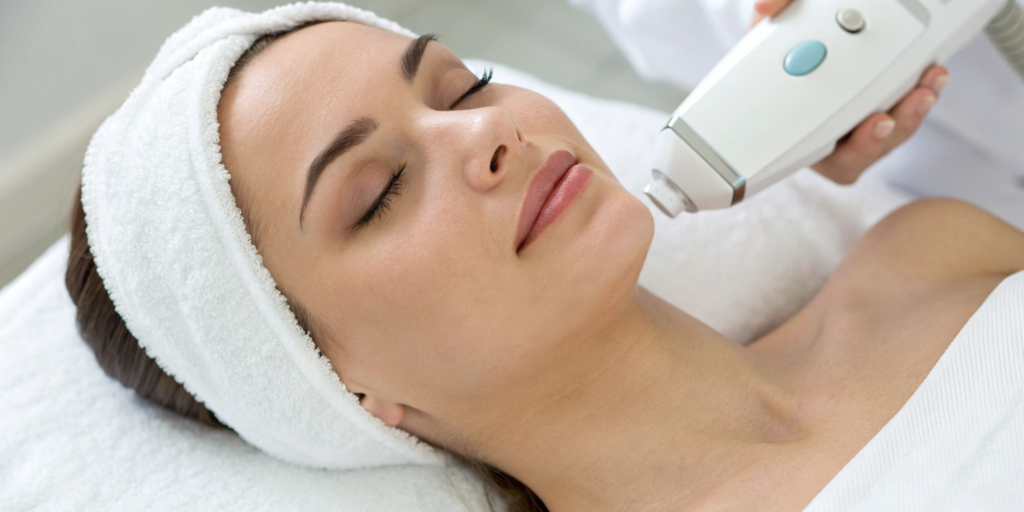
If you’re tired of strategically applying concealer to cover up old acne marks and dark spots, you’re not alone. Reaching for a real, lasting solution is a powerful step toward reclaiming your confidence. Professional chemical peels offer a way to move beyond temporary fixes by addressing skin concerns at their source. By gently removing damaged outer layers, these treatments encourage your skin to regenerate, revealing a smoother, brighter, and more even complexion underneath. In this article, we’ll explore how this process works and what you can expect, so you can confidently find the best chemical peel for acne scars and hyperpigmentation to achieve your skin goals.
Key Takeaways
- Match the peel to your specific skin concern: The best results come from choosing the right peel for your goals. Light peels with glycolic acid are great for surface-level dark spots, while medium-depth TCA peels are better suited for more significant acne scarring.
- Your aftercare routine is crucial for success: How you care for your skin post-peel directly impacts your final results. Focus on using a gentle moisturizer and applying a broad-spectrum SPF 50 daily to protect your new skin and prevent future damage.
- Professional peels deliver safer, more effective results: Medical-grade peels use stronger ingredients than at-home kits to achieve real change. A physician-led treatment is essential for safely addressing deep scars and stubborn hyperpigmentation without risking side effects.
What Is a Chemical Peel for Acne Scars and Dark Spots?
If you’re dealing with the lingering reminders of past breakouts, like acne scars or stubborn dark spots, a chemical peel might be the solution you’re looking for. Think of it as a powerful reset for your complexion. In simple terms, a chemical peel is a professional skin treatment that uses a specialized solution to gently remove the outer, damaged layers of your skin. This process encourages fresh, new skin to grow, revealing a smoother and more even-toned appearance underneath. It’s a targeted way to address discoloration and texture issues right at the source.
How Do Chemical Peels Work?
So, how does this all happen? Chemical peels work by applying a carefully selected acid solution to your skin. This solution gets to work exfoliating the surface, lifting away the dead skin cells that can make your complexion look dull and contribute to clogged pores. By removing this top layer, the treatment signals your body to ramp up its natural healing process. This promotes the growth of new, healthy skin cells and encourages collagen production, the protein that gives your skin its firmness and structure. This combination of deep exfoliation and regeneration is what helps fade dark spots and smooth out the texture left behind by acne scars.
Key Benefits for Acne Scars and Hyperpigmentation
The results of a chemical peel go beyond just fresh-looking skin. For those of us struggling with acne scars and hyperpigmentation, the benefits are very specific. First, peels are fantastic at lightening dark spots and creating a more uniform skin tone. They also improve your skin’s overall texture, smoothing out rough patches and reducing the indentations from old scars. A major plus is that certain peels can help manage active acne by cleaning out pores and reducing breakout-causing bacteria. Finally, by stimulating new collagen, peels help firm the skin from within, which is essential for effectively healing scars and achieving a smoother surface over time.
What Are the Different Types of Chemical Peels?
When it comes to chemical peels, there’s no one-size-fits-all solution. The best peel for you depends entirely on your skin type and what you want to achieve, whether that’s fading faint dark spots or smoothing more textured acne scars. Think of them as different tools for different jobs. Some are light and refreshing with minimal downtime, while others go deeper to address more significant concerns. Understanding the main types is the first step in creating a treatment plan that actually works. We generally categorize peels by the active acid used, which determines how deeply they penetrate the skin. A professional consultation will help you find the perfect match for your skin concerns. Let’s look at three of the most effective options for treating acne scars and hyperpigmentation.
Glycolic Acid Peels: For Surface-Level Concerns
Glycolic acid, an alpha-hydroxy acid (AHA), is one of the most popular ingredients in light chemical peels. It works by gently exfoliating the outermost layer of your skin. This makes it a fantastic choice if you’re dealing with mild dark spots, fine lines, or surface-level acne scars. Because it’s a lighter peel, it’s great for overall brightening and achieving a more even skin tone without significant downtime. Many people choose glycolic acid peels to refresh their complexion and get a healthy glow. It’s an excellent starting point for anyone new to chemical peels or looking for a treatment that supports their facial rejuvenation goals.
Salicylic Acid Peels: For Active Breakouts and Deeper Scars
If you’re struggling with active breakouts or oily skin, a salicylic acid peel might be your best friend. As a beta-hydroxy acid (BHA), salicylic acid is oil-soluble. This special property allows it to penetrate deep into your pores to clear out the oil, dead skin cells, and debris that cause acne. It’s incredibly effective at managing breakouts while also treating the post-inflammatory hyperpigmentation (the dark spots left behind) that often comes with them. This makes it a powerful, two-in-one solution for anyone with acne-prone skin who wants to clear up their complexion and fade old acne marks.
TCA Peels: For Stubborn Hyperpigmentation
Trichloroacetic acid (TCA) peels are medium-depth treatments designed for more stubborn skin issues. If you have significant sun damage, deeper acne scars, or persistent dark spots that lighter peels haven’t improved, a TCA peel can offer more dramatic results. This peel works by removing damaged skin cells from both the top layer and upper parts of the deeper layer of your skin, stimulating new collagen production and revealing healthier skin underneath. Because it’s a more intensive treatment, you should plan for a longer recovery period, typically around five to 10 days, during which your skin will visibly peel. A TCA peel is a serious step toward skin renewal, so a thorough consultation is essential.
How to Choose the Best Chemical Peel for Your Skin
Finding the right chemical peel isn’t about picking the strongest one available; it’s about finding the perfect match for your unique skin. Your skin type, specific concerns like acne scars or dark spots, and your lifestyle all play a role in determining the best treatment plan. A chemical peel works by applying a specialized solution to your skin, which causes the top layers to gently peel away and reveal the healthier, smoother skin underneath. Think of it as a powerful reset button. Because this is a personalized process, working with a professional is key to getting the results you want safely. Our team can help you explore all of our skin treatments to find your ideal fit.
Light vs. Medium Peels: Which Is Right for You?
Chemical peels come in different strengths, and the main choice for most people is between a light or medium peel. Light peels, also known as superficial peels, are the mildest option. They only treat the outermost layer of skin, making them great for refreshing your complexion, softening fine lines, and treating minor discoloration with little to no downtime. On the other hand, medium peels go a bit deeper to address more moderate concerns like noticeable acne scars and stubborn dark spots. They require a little more recovery time, but the results are also more dramatic. The right one for you really depends on your skin goals and how much downtime you’re comfortable with.
Choosing a Peel for Darker Skin Tones
There’s a common myth that chemical peels aren’t safe for darker skin, but that’s simply not true. The key is selecting the right type of peel to avoid complications. For deeper skin tones, superficial peels are often the best and safest choice. Treatments using ingredients like glycolic acid and salicylic acid can deliver beautiful results with a very low risk of causing hyperpigmentation. Deeper peels, like some TCA peels, can sometimes pose a risk of discoloration for melanin-rich skin. This is why a thorough consultation with a professional is so important. We can assess your skin and recommend a peel that will help you achieve a clear, even complexion safely.
How to Match Peel Strength to Your Scar Type
Not all acne scars and dark spots are the same, so it makes sense that they require different treatments. Matching the peel to your specific concern is crucial for getting the best results. For mild dark spots and surface-level texture, a Glycolic Acid peel is often a great starting point. If you’re dealing with active breakouts along with scarring, a Salicylic Acid peel is fantastic because it can penetrate deep into the pores to clear them out. For more significant, deeper scars and stubborn hyperpigmentation, a Trichloroacetic Acid (TCA) peel might be recommended. This is a stronger, medium-depth peel that offers more transformative facial rejuvenation for the right candidate.
What Results Can You Expect?
Deciding to get a chemical peel is exciting, and you’re probably wondering what to expect. While peels deliver incredible results, it’s a process of revealing healthier skin, not an overnight fix. Your results will unfold over a series of treatments, with each session building on the last to effectively address acne scars and dark spots.
How Soon Will You See Improvements?
You won’t have to wait long to see the first signs of progress. Many people notice a brighter, more radiant complexion after just one or two sessions as the peel begins to work on the outermost layers of skin. This initial glow is incredibly encouraging. However, the more significant changes, like the visible fading of stubborn dark spots and a reduction in the depth of acne scars, develop over the full course of your treatment plan. Patience is key here, as the best results appear after your skin has had time to heal and regenerate between sessions, allowing for deeper, more lasting correction.
How Many Sessions Will You Need?
For the most transformative results, a series of peels is almost always recommended. Most people find that a course of three to six sessions, typically spaced a few weeks apart, is the sweet spot for tackling acne scars and hyperpigmentation. This schedule allows your skin to heal properly while we progressively treat deeper layers. The exact number of treatments you’ll need depends on your specific goals and skin type. During your consultation, we’ll create a personalized skin treatment plan tailored just for you, so you know exactly what to expect on your journey to clearer skin.
Long-Term Benefits for Skin Texture and Tone
Beyond fading individual spots, chemical peels offer lasting improvements to your overall skin health. By removing the buildup of dead cells, peels diminish discoloration and encourage fresh, evenly pigmented skin to come to the surface. This process also smooths away rough patches and the uneven texture left by acne. Over time, you’ll notice your skin feels softer and has a more uniform tone. As an added benefit, this controlled exfoliation stimulates collagen production, which helps firm the skin and provides ongoing facial rejuvenation for a healthy glow that lasts long after your final session.
What to Consider Before Getting a Chemical Peel
A chemical peel is a powerful tool for transforming your skin, but it’s not a decision to take lightly. Think of it as a partnership between you and your skincare provider. The best results come from careful planning and a clear understanding of the process from start to finish. Before you book your appointment, it’s important to know what to expect, what to ask, and how to prepare. This ensures the treatment is tailored specifically to your skin’s needs, giving you the safest and most effective outcome. Taking the time to prepare properly sets the stage for that smooth, radiant skin you’re looking for.
Preparing for Your Peel: What to Discuss with Your Doctor
Your initial consultation is the most important step. This is your chance to have an open conversation with a skincare professional about your goals and concerns. Be ready to talk about your complete skin history, including any sensitivities, allergies, and previous treatments you’ve had. You should also bring a list of the skincare products you currently use. Your provider will want to know what you hope to achieve, whether it’s reducing acne scars, fading dark spots, or simply getting a brighter complexion. This discussion helps them recommend the right type and strength of peel for your specific skin treatments and ensures you’re a good candidate for the procedure.
Why a Professional Consultation Is Essential
It’s crucial to have a trained expert perform your chemical peel. A professional consultation goes beyond just picking a peel from a menu. A physician-led team can accurately assess your skin type, tone, and the specific issues you want to address. They understand the science behind how different acids interact with the skin and can customize a treatment plan that minimizes risks while delivering the best results. This professional oversight is key to ensuring the procedure is performed safely and effectively, which is why seeking out expert-driven facial rejuvenation is always the best approach. It’s the difference between a standard treatment and one that’s truly designed for you.
Understanding Potential Side Effects and Risks
It’s completely normal to experience some side effects as your skin heals from a chemical peel. Most people can expect temporary redness, dryness, a mild burning sensation, and some minor swelling. These are signs that the peel is working to exfoliate old skin and stimulate new cell growth. However, it’s also important to be aware of potential risks. Deeper peels can sometimes cause pigmentary changes, especially for those with darker skin tones. A thorough consultation with a qualified provider is the best way to understand and reduce these risks. They will make sure you are fully informed and will provide detailed aftercare instructions to support a smooth healing process.
How to Care for Your Skin After a Chemical Peel
Getting a chemical peel is an exciting step toward clearer, smoother skin, but what you do after your appointment is just as important as the treatment itself. Proper aftercare ensures you get the best possible results and helps your skin heal beautifully. Think of this period as the final, crucial phase of your treatment. Your skin will be extra sensitive as it renews itself, so it needs a little extra TLC. Following a simple and consistent routine will protect your investment and reveal that healthy, glowing complexion you’re looking for.
Your Immediate Aftercare Plan
Right after your peel, you can expect your skin to look and feel a bit like it has a mild sunburn. Redness, tightness, and some sensitivity are completely normal. Within a few days, you’ll likely notice some light peeling or flaking as the old, damaged skin gives way to the fresh, new layer underneath. The most important thing you can do is resist the urge to pick or scrub at it. Instead, focus on keeping your skin hydrated and protected. Use a gentle, soothing moisturizer and avoid wearing makeup for the first few days to let your skin breathe and recover without irritation.
Protecting Your Skin: Sun Exposure and Activity Limits
Your newly revealed skin is incredibly delicate and extremely susceptible to sun damage. Sun protection is not optional; it’s essential. You should apply a broad-spectrum sunscreen with at least SPF 50 every single day, even if you’re just staying indoors near a window. This simple step is your best defense against developing new dark spots or sunburn, which could undo the benefits of your peel. For the first 72 hours, it’s also wise to skip any activity that makes you sweat heavily. That means avoiding intense workouts, saunas, and steamy, hot showers, as the excess heat and moisture can cause irritation.
Skincare Products to Use and Avoid While Healing
When it comes to your post-peel skincare routine, simplicity is key. Stick with a gentle, soap-free cleanser and a thick, plain moisturizer to keep your skin calm and hydrated. Now is not the time to experiment with new products or use anything harsh. You’ll need to pause your use of strong active ingredients, especially exfoliants like retinoids, glycolic acid, or salicylic acid, for about a week. Your skin is already going through a powerful renewal process from the peel, and adding more exfoliation will only lead to irritation. Let your skin heal peacefully to support its facial rejuvenation journey.
Professional vs. At-Home Peels: What’s the Difference?
With so many at-home chemical peels on the market, it’s easy to wonder if you can get the same results from your bathroom counter. While DIY options can offer a bit of light exfoliation, they simply can’t compare to the safety and effectiveness of a professional, medical-grade treatment. The difference comes down to the strength of the ingredients, the depth of the peel, and the expertise of the person applying it. When you’re dealing with persistent concerns like acne scars and hyperpigmentation, a professional approach is the only way to achieve significant, lasting change. A trained provider can assess your unique skin needs and create a treatment plan that delivers real results without compromising your skin’s health.
Why Professional Peels Are Safer and More Effective
The biggest difference between at-home and professional peels is the concentration of active ingredients. Professional treatments use stronger acids that can penetrate deeper into the skin to address damage where it starts. An experienced provider knows exactly which peel and what strength is right for your skin type and goals, which is crucial for avoiding irritation or unwanted side effects. At-home peels are formulated to be much milder to prevent misuse, meaning they only work on the very top layer of your skin. A professional treatment ensures you get a powerful, effective peel that is also administered safely, protecting your skin barrier and giving you the best possible outcome for your skin concerns.
Why Medical-Grade Peels Deliver Superior Results
Medical-grade peels deliver superior results because they are designed to create controlled change deep within the skin. By removing damaged outer layers, they trigger your body’s natural healing process, which encourages the growth of fresh, new skin cells and stimulates collagen production. This process is what helps smooth out the texture of acne scars and fade stubborn dark spots. To get these kinds of transformative results, most people need a series of three to six peels spaced a few weeks apart. This carefully managed approach helps you achieve comprehensive facial rejuvenation that you just can’t get from a single, low-strength product used at home.
How to Choose the Right Provider for Your Chemical Peel
Getting a chemical peel is a big step toward clearer skin, but the person performing your treatment is just as important as the peel itself. The right provider ensures your treatment is not only effective but also safe, minimizing risks and maximizing your results. Think of it as choosing a trusted partner for your skincare journey. A skilled professional will guide you through the process, from selecting the perfect peel for your skin type to managing your aftercare for a smooth, beautiful outcome. This decision is the foundation for achieving the healthy, radiant skin you’re looking for.
What to Look for in a Medical Practice
When searching for a provider, prioritize a physician-led medical practice. This ensures a trained expert oversees your treatment, which is crucial for avoiding side effects like scarring or discoloration. Experience is also key. Look for a team with a proven track record of performing chemical peels, especially on your skin type and tone. An experienced provider will understand the nuances of how different skin reacts and can tailor the treatment accordingly. A reputable clinic will always begin with a thorough consultation to assess your skin, discuss your goals, and create a personalized skin treatment plan. Don’t hesitate to ask about their experience and what results you can realistically expect.
Why Physician-Led Care Matters for Your Safety
Professional chemical peels work much deeper in the skin than any at-home product can. While this is great for results, it also comes with higher risks if not handled correctly. This is where physician-led care becomes essential. A medical professional understands the science behind the peel and can select the right type and strength to address your concerns without compromising your skin barrier. An incorrect peel can actually worsen dark spots, but a professional ensures this won’t happen. With physician-led facial rejuvenation, you get a treatment plan designed for your unique skin, expert application, and professional oversight to manage any side effects, ensuring a safe and successful experience.
Related Articles
- Medium Depth Chemical Peel for Acne Scars: Is It for You?
- Skin, Acne & Pigment
- Light Chemical Peel Cost: A Complete Guide
- How Much Does a Chemical Peel Cost at a Dermatologist?
Frequently Asked Questions
Does a chemical peel hurt? Most people describe the sensation during a chemical peel as a warm, tingling, or mild stinging feeling while the solution is on their skin. It’s generally very tolerable and only lasts for a few minutes. Your provider will make sure you are comfortable throughout the entire process. After the treatment, your skin might feel a bit sensitive, similar to a light sunburn, but this typically fades quickly.
How much downtime should I expect after a chemical peel? The amount of downtime really depends on the strength of the peel you receive. For lighter peels, like a glycolic acid peel, you might just have some mild redness for a few hours and can usually go back to your normal activities right away. For medium-depth peels, like a TCA peel, you should plan for about five to seven days of social downtime as your skin will visibly flake and peel while it heals.
Can I get a chemical peel if I still have active breakouts? Yes, you absolutely can. In fact, certain peels are fantastic for managing active acne. A salicylic acid peel is a great example because it’s oil-soluble, which allows it to get deep into your pores to clear out the debris that causes breakouts. It helps treat existing acne while also working on the dark spots and scars left behind from previous blemishes.
When is the best time of year to get a chemical peel? Fall and winter are generally the ideal seasons for a chemical peel. During these months, we tend to spend more time indoors and the sun’s rays are less intense, which makes it easier to protect your sensitive, healing skin from sun damage. Proper sun protection is crucial after a peel, so scheduling your treatment when you can more easily avoid direct sun exposure helps ensure the best results.
Will one chemical peel be enough to fix my acne scars? While you will likely see a brighter and smoother complexion after just one peel, a single session is usually not enough to fully correct deeper acne scars or significant hyperpigmentation. For the most meaningful and lasting results, we typically recommend a series of three to six treatments. This allows us to safely treat the skin progressively, with each session building on the last to achieve a smoother texture and more even tone.