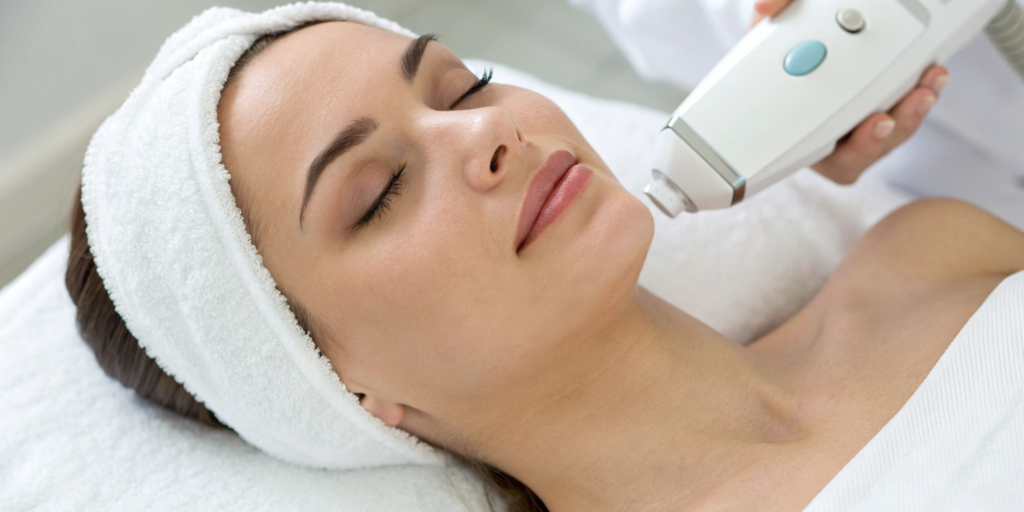
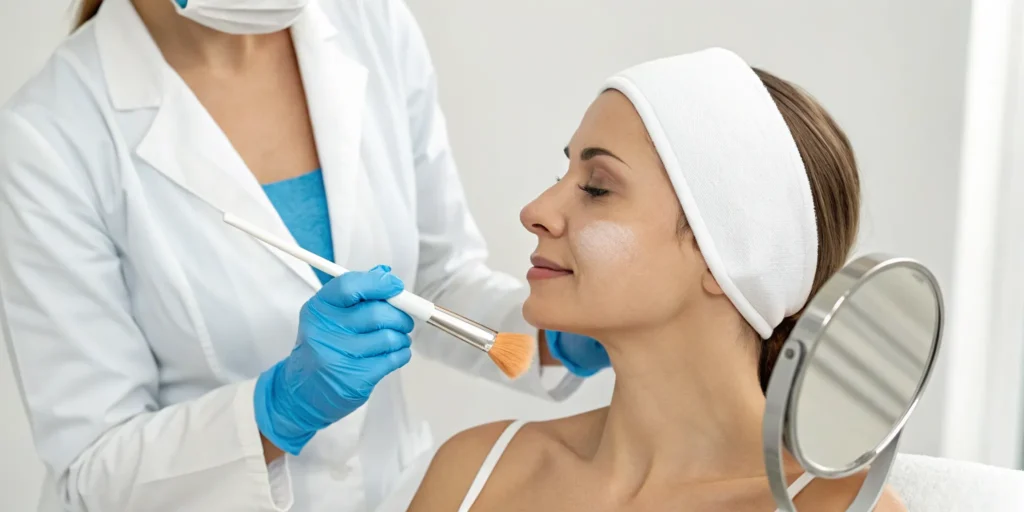
The term “chemical peel” can sound intimidating, bringing to mind images of red, irritated skin and a long, painful recovery. But it’s time to set the record straight. When performed by a skilled professional in a physician-led clinic, a chemical peel is a safe, controlled, and highly effective treatment for acne scars. Many of the horror stories come from outdated methods or DIY attempts gone wrong. A modern peel is customized to your specific skin type and concerns, working with your body’s natural healing process to reveal smoother, clearer skin. We’ll explain what makes the best chemical peel for acne scars dermatologist-administered treatments so successful and debunk the common myths holding you back from achieving your skin goals.
Key Takeaways
- Peels work on two levels: They exfoliate damaged surface skin while stimulating new collagen production from within, which helps fill in indented scars and create a smoother, more even texture.
- The right peel is a custom fit: There is no one-size-fits-all solution; the best treatment depends on your specific scar type and skin. A professional consultation is essential to match the right peel to your unique needs for a safe and effective result.
- Your results are secured through aftercare: The success of your peel relies heavily on your post-treatment routine. Diligent sun protection, gentle hydration, and letting your skin shed naturally are critical for proper healing and the best possible outcome.
How Do Chemical Peels Treat Acne Scars?
If you’re wondering how a liquid solution can possibly smooth out stubborn acne scars, you’re in the right place. The process is a fascinating mix of controlled exfoliation and your body’s own healing powers. A chemical peel doesn’t just work on the surface; it encourages your skin to rebuild itself from within for a clearer, more even complexion. Understanding how it works is the first step in deciding if it’s the right path for you.
The Science Behind the Peel
Think of a chemical peel as a powerful reset for your skin’s surface. The treatment uses a specialized acid solution to carefully remove the outermost, damaged layers of skin. This process does two amazing things. First, it gets rid of the old, scarred tissue. Second, it creates a type of controlled injury that signals your body to kick its natural healing process into high gear. This response includes producing fresh collagen, the protein that gives skin its structure and plumpness. More collagen production helps to fill in depressed scars from the inside out, leading to a smoother, more even texture.
Which Acne Scars Can Peels Improve?
Chemical peels are fantastic for certain types of acne scars, but they aren’t a one-size-fits-all solution. They work best on atrophic scars, which are the ones that look like depressions or indents in the skin. This includes common types like ice pick scars (small, deep pits), boxcar scars (wider, box-like depressions), and rolling scars (which create a wavy texture). Peels are also excellent for treating post-inflammatory hyperpigmentation (PIH), those lingering dark spots that acne leaves behind. However, they are generally not recommended for raised scars, like hypertrophic or keloid scars. These types of scars require different treatments to effectively reduce their appearance.
The Best Chemical Peels for Acne Scars
Not all chemical peels are created equal, especially when it comes to treating acne scars. The right peel for you depends entirely on your skin type, the kind of scarring you have, and your overall skin goals. Think of it like finding the perfect key for a specific lock. From light, superficial peels that refresh your skin’s surface to deeper options that remodel collagen, there’s a solution for almost every concern. Let’s walk through the most effective types of chemical peels so you can get a clearer picture of what might work for you.
Glycolic Acid for Surface Scars
If you’re dealing with faint, shallow scars or lingering discoloration left behind after a breakout, a glycolic acid peel could be your new best friend. As an alpha-hydroxy acid (AHA), glycolic acid is fantastic at exfoliating the top layer of your skin. This process helps smooth out rough texture and fade hyperpigmentation, giving your complexion a more even and radiant look. These are considered light or superficial peels, so they typically have minimal downtime. For the best outcome, we usually recommend a series of treatments. Each session builds on the last, gradually revealing brighter, clearer skin without a major interruption to your daily life.
Salicylic Acid for Acne-Prone Skin
For those of us who are fighting active breakouts while also trying to treat old scars, a salicylic acid peel is a brilliant two-for-one solution. Salicylic acid is a beta-hydroxy acid (BHA), which means it’s oil-soluble and can get deep inside your pores to clear out the gunk that causes acne in the first place. By reducing inflammation and keeping pores clean, it helps prevent future breakouts that could lead to more scarring. This makes it an ideal choice for managing oily and acne-prone skin. It addresses the scars you have now while also getting to the root of the problem, helping you maintain clearer skin long-term.
Trichloroacetic Acid (TCA) for Deeper Scars
When we need to address more significant, indented scars, like boxcar or rolling scars, we often turn to Trichloroacetic Acid (TCA) peels. These are medium-depth peels that go beyond the surface to create real change in the skin’s structure. TCA works by triggering your body’s natural healing response and stimulating new collagen production. This new collagen helps to plump the skin from within, effectively filling in the depressions and making scars much less noticeable. Because this is a more intensive treatment, you can expect some downtime as your skin peels and renews itself. Our skin treatments are always customized to ensure a safe and effective outcome for these deeper concerns.
Phenol Peels for Severe Scarring
Phenol peels are the deepest and most powerful chemical peels available. They are reserved for treating very severe, deep, and stubborn acne scars that haven’t responded to other treatments. A phenol peel penetrates the lower dermal layer of the skin to promote dramatic skin regeneration and collagen remodeling. However, this intensity comes with significant risks and a lengthy recovery period. Because of the potential for complications, phenol peels are much less common today and are only considered in very specific cases. A thorough consultation with an experienced physician is absolutely essential to determine if this is a safe or appropriate option for your facial rejuvenation goals.
Which Chemical Peel Is Right for You?
Figuring out the best chemical peel for your acne scars isn’t a one-size-fits-all situation. The ideal treatment depends on your specific skin type, scar characteristics, and overall goals. It’s a process of matching the right solution to your unique needs, which is why professional guidance is so important.
Matching the Peel to Your Skin and Scars
Choosing a chemical peel isn’t like picking a product off a shelf. The right one for you depends entirely on your unique skin and the type of scars you have. Chemical peels are fantastic for atrophic scars, which are the indented scars left behind after a breakout, like rolling, boxcar, and ice pick scars. They work by applying a solution that removes the damaged top layers of skin, encouraging new, smoother skin to grow in its place. However, they generally aren’t the go-to for raised (hypertrophic) or keloid scars. For example, a Jessner peel might be perfect for mild surface scarring, while a stronger TCA peel can address more noticeable indentations. It’s all about using the right tool for the job to get the best skin treatment results.
Why a Professional Consultation Is Key
This is where a professional consultation becomes non-negotiable. An experienced provider will analyze your skin and scars to determine the safest and most effective treatment plan. They consider everything: the severity of your scarring, your skin’s sensitivity, and your skin type. This is especially important for darker skin tones, which can be more susceptible to hyperpigmentation (dark spots) if the wrong peel is used. A trained specialist knows how to select a peel and concentration that minimizes risks while maximizing results. During a consultation, we can create a personalized facial rejuvenation plan that safely and effectively helps you reach your skin goals.
What to Expect During Your Chemical Peel
Deciding to get a chemical peel is a great step, but it’s completely normal to wonder what the actual experience will be like. Knowing what happens before, during, and after your appointment can help you feel confident and prepared. The entire process is designed to be straightforward, with your provider guiding you every step of the way. From prepping your skin to understanding the recovery, we’ll walk through exactly what you can expect when you come in for your treatment. Think of it as a simple roadmap to smoother, clearer skin.
How to Prepare for Your Treatment
Proper preparation is key to getting the best results from your chemical peel. In the week or so leading up to your appointment, your provider will give you specific instructions to get your skin ready. This usually involves pausing the use of certain products, like retinoids, exfoliants, and some acne medications, which can make your skin more sensitive. You’ll also want to be extra diligent about sun protection and avoid direct sun exposure. Following these pre-peel guidelines helps ensure the treatment works effectively and minimizes the risk of irritation. It’s an essential first step for our skin and acne treatments here in San Diego.
The Peeling Process Explained
When you arrive for your appointment, the process is quite simple. First, your provider will thoroughly cleanse your skin to remove any oils or impurities. Then, they will carefully apply the chemical solution to the treatment area. You might feel a warm or tingling sensation for a few minutes as the peel gets to work, but this is temporary. Depending on the type of peel you’re receiving, the solution will either be neutralized and washed off after a set amount of time or left on to self-neutralize. The entire application process is relatively quick, and your provider will be with you the whole time to ensure you’re comfortable.
Aftercare and Recovery Timeline
After your peel, your skin will likely look a bit red, similar to a mild sunburn. This is a normal part of the process as your skin begins to heal and regenerate. Your provider will give you detailed aftercare instructions, which are crucial to follow. This typically includes using a gentle cleanser, applying a soothing moisturizer, and, most importantly, wearing broad-spectrum sunscreen every day. The recovery timeline varies by the peel’s intensity. A light peel may take just a few days to heal, while a medium peel can take one to two weeks. During this time, your old skin will flake away, revealing the smoother, brighter skin that is a key part of facial rejuvenation.
Are There Risks or Side Effects?
It’s smart to understand the full picture before trying any new treatment, and that includes chemical peels. While they are a safe and effective way to handle acne scars when performed by a professional, there are some potential side effects to be aware of. The good news is that most are temporary and a normal part of the skin’s healing process. The intensity of these effects usually depends on the strength of the peel you receive. Knowing what to expect and whether you’re a good candidate from the start is the key to a smooth process and beautiful results. The best way to minimize risks is to work with a physician-led clinic that can assess your unique skin needs and guide you through every step.
Common Side Effects for Each Peel
After your peel, you can expect some changes as your skin begins its renewal process. Common side effects include redness, some peeling or flaking, and temporary sensitivity. For a light peel, this might feel like a mild sunburn that lasts for a few days. A medium-depth peel, like a TCA peel, involves a more significant healing period of one to two weeks with more noticeable peeling. Your skin will also be extra sensitive to the sun, so daily, high-SPF sunscreen is non-negotiable. Following your provider’s aftercare instructions for gentle cleansing and moisturizing will help your skin heal beautifully and minimize any potential for infection or scarring from our skin treatments.
Who Isn’t a Good Candidate for Peels?
Chemical peels are fantastic, but they aren’t the right fit for everyone. If you have certain active skin conditions like eczema, rosacea, psoriasis, or any open sores, it’s best to wait until your skin has healed. People with darker skin tones should also proceed with care, as there can be a higher risk of temporary or permanent skin discoloration. An experienced provider will know how to approach this, often starting with a milder peel to see how your skin reacts. It’s also important to have realistic expectations; peels are great for texture and discoloration but may not be the best solution for very deep or pitted scars, which may require other facial rejuvenation techniques.
How Do Peels Compare to Other Treatments?
When you’re looking for ways to treat acne scars, it can feel like there are a million different options. Chemical peels are a fantastic and effective choice, but they’re not the only tool in the toolkit. Understanding how they stack up against other popular treatments like microneedling and laser therapy can help you feel more confident when you walk into your consultation.
The best treatment for you really comes down to your specific type of scarring, your skin type, and your overall goals. Some treatments are better for texture, while others excel at correcting discoloration. Think of it less like a competition and more like finding the perfect key for a specific lock. Let’s break down how peels compare to two other leading skin treatments so you can see where they fit in.
Chemical Peels vs. Microneedling
At first glance, chemical peels and microneedling seem to have a similar goal: they both create a controlled injury to the skin to kickstart its natural healing process and produce new collagen. However, they get there in very different ways. Microneedling uses a device with tiny, sterile needles to create micro-punctures in the skin. This process physically breaks down old scar tissue and is especially effective for indented scars, like rolling or atrophic scars.
Chemical peels, on the other hand, use a chemical solution to dissolve the bonds holding dead skin cells together. This prompts deep exfoliation and stimulates collagen production from the surface down. While peels also help fill in indented scars, they have an extra advantage: they’re excellent at treating the post-inflammatory hyperpigmentation (those stubborn dark spots) that acne often leaves behind. The choice often depends on whether your primary concern is texture, discoloration, or a bit of both.
Chemical Peels vs. Laser Treatments
Laser treatments are another powerful option for skin resurfacing. Treatments like CO2 lasers use concentrated beams of light to remove the outer layers of skin with incredible precision. This process heats the underlying skin, which stimulates the growth of new collagen fibers. Much like peels, the result is smoother, firmer, and more even-toned skin. Lasers can be very effective for various scar types, including boxcar and ice pick scars.
So, what’s the difference? The main distinction is the method: light and heat versus a chemical solution. Some laser treatments can go deeper than certain peels, which might be necessary for more severe scarring. However, this can also mean more downtime. Your provider might recommend a laser for newer scars and a chemical peel for older ones, but the best approach is always tailored to your unique skin during a professional facial rejuvenation consultation.
How to Choose the Right Provider
Choosing the right person to perform your chemical peel is just as important as selecting the right type of peel. This isn’t the time to bargain hunt or book an appointment with an unvetted provider. You’re trusting someone with the health and appearance of your skin, so finding a skilled, experienced professional is non-negotiable. The success of your treatment and the safety of your skin depend heavily on the expertise of the person applying the peel. A great provider will not only perform the treatment flawlessly but will also guide you through the entire process, from the initial consultation to your final follow-up. They will assess your unique skin concerns, answer your questions, and create a personalized plan that aligns with your goals. Taking the time to find a qualified professional ensures you get the beautiful, clear skin you’re looking for without unnecessary risks.
Finding a Qualified Professional
When you’re ready to explore chemical peels, your first step should be to find a qualified professional. This means seeking out a board-certified dermatologist or a licensed aesthetician, preferably one working in a physician-led clinic. An expert will properly analyze your skin and scar type to recommend the most effective and safest treatment for you. They have a deep understanding of skin anatomy and the chemical solutions they work with, which minimizes the risk of complications like burns or hyperpigmentation. At a physician-led practice, you get the added security of medical oversight for all skin treatments, ensuring the highest standard of care. Don’t be afraid to check credentials and read reviews; your skin will thank you for it.
Questions to Ask During Your Consultation
Your consultation is the perfect opportunity to interview a potential provider and make sure you feel comfortable and confident in their care. Think of it as a two-way conversation. You’re not just there to be told what to do; you’re there to gather information and decide if the provider is the right fit for you. A great practitioner will welcome your questions and provide clear, honest answers.
Here are a few essential questions to ask:
- What type of peel do you recommend for my specific scars and skin type, and why?
- How many treatments will I likely need to see results?
- What does the recovery process look like, and how much downtime should I expect?
- Can you show me before-and-after photos of your patients who had similar concerns?
- What are the potential risks or side effects, and how do you manage them if they occur?
The answers to these questions will give you a clear picture of the provider’s experience with facial rejuvenation and their approach to patient safety.
Getting the Best Results from Your Peel
A chemical peel is a powerful tool for refreshing your skin, but the treatment itself is only half the story. Getting the smooth, clear results you want depends heavily on having the right mindset and a solid aftercare plan. Think of it as a team effort between you and your provider. By understanding the process and committing to your post-peel care, you can ensure your skin heals beautifully and you get the most value from your treatment.
Setting Realistic Expectations
It’s important to understand what a chemical peel can and can’t do. While peels are fantastic for improving skin texture and reducing the appearance of many surface-level acne scars, they aren’t a magic wand. Deeper, pitted scars (like ice pick or boxcar scars) may not disappear completely and often require a combination of treatments for the best results. During your consultation, we’ll discuss your specific skin and acne concerns and create a realistic treatment plan. The goal is significant improvement and smoother skin you feel confident in, not necessarily flawless perfection. Understanding this from the start helps ensure you’ll be happy with your outcome.
Your Post-Peel Skincare Routine
What you do after your appointment is critical for proper healing and amazing results. For the first week or so, your skin will be very sensitive as the top layers peel away to reveal fresh, new skin underneath. Your number one job is to protect it. This means applying a broad-spectrum sunscreen of SPF 30 or higher every single day, even if you’re indoors. You’ll also need to keep your skin hydrated with a gentle, approved moisturizer and avoid harsh products or exfoliants. And whatever you do, don’t pick at any flaking skin. Let it shed naturally to prevent scarring or discoloration. This careful aftercare is a key part of any successful facial rejuvenation journey.
Debunking Chemical Peel Myths
If you’ve spent any time researching skincare, you’ve probably come across some wild stories about chemical peels. It’s easy to get the impression that they’re intense, scary procedures that will leave you hiding at home for weeks. But let’s clear the air. Many of these ideas are based on outdated techniques or DIY treatments gone wrong. When performed in a professional, physician-led setting, a chemical peel is a controlled and incredibly effective way to refresh your skin and treat concerns like acne scars. It’s time to separate the myths from the facts so you can make a confident, informed decision about your skin’s health.
What’s True and What’s Not
Let’s tackle the biggest myth first: the idea that chemical peels are inherently harsh or unsafe. The truth is, safety and comfort come down to who is performing the treatment. In the hands of a qualified professional, peels are a safe and reliable option. We customize the type and strength of the peel specifically for your skin type and goals. Another common worry is downtime. People often picture a bright red, heavily peeling face, but that’s not the typical experience. While deeper peels do require a recovery period, many modern skin treatments are designed to be gentle, leaving you with a healthy glow and minimal, if any, noticeable flaking.
Knowing What Peels Can (and Can’t) Do
It’s also important to have realistic expectations about what a chemical peel can accomplish. While they are fantastic for improving skin texture, reducing the appearance of acne scars, and creating a more even tone, they aren’t a magic wand for every skin issue. Think of a peel as a powerful tool in your skincare toolkit, not the entire kit itself. The best results come from using peels as part of a comprehensive skincare plan. A professional consultation is the perfect first step to understand what a peel can do for you and to build a personalized strategy that helps you achieve the clear, smooth skin you’re looking for.
Related Articles
- Medium Depth Chemical Peel for Acne Scars: Is It for You?
- How Much Does a Chemical Peel Cost at a Dermatologist?
- Light Chemical Peel Cost: A Complete Guide
Frequently Asked Questions
How many treatments will I need to see a difference in my acne scars? The number of treatments really depends on the type of peel we use and the severity of your scarring. For lighter, superficial peels like glycolic acid, you’ll likely see the best results from a series of three to six sessions. For medium-depth peels like TCA, you might see a significant improvement after just one or two treatments. We’ll map out a clear and realistic plan for you during your consultation.
Is getting a chemical peel painful? Most people don’t describe the experience as painful. You can expect to feel a warm, tingling, or slightly stinging sensation for a few minutes while the peel solution is active on your skin. The feeling is temporary and generally very tolerable. We are always focused on your comfort and will talk you through every step of the process.
How long will my results last? The improvements to scar texture can be very long-lasting. However, the overall health and appearance of your skin still depend on how you care for it long-term. Protecting your skin from the sun and following a consistent skincare routine are the best ways to maintain your results. Some people choose to have maintenance peels periodically to keep their complexion smooth and clear.
Can I get a chemical peel if I have sensitive skin or a darker skin tone? Yes, but this is where professional expertise is absolutely essential. For sensitive skin, we can select a gentler peel and monitor your skin’s reaction carefully. For darker skin tones, it’s crucial to use specific types of peels that won’t cause post-inflammatory hyperpigmentation. A skilled provider knows how to customize the treatment to be both safe and effective for your unique skin.
What’s the real difference between a professional peel and an at-home version? The main differences are strength, safety, and customization. Professional peels use more potent, medical-grade ingredients that can produce significant changes in skin texture and collagen. At-home peels are much milder and only provide light surface exfoliation. More importantly, a professional can accurately assess your skin and choose the right peel to address your specific scars without causing damage.