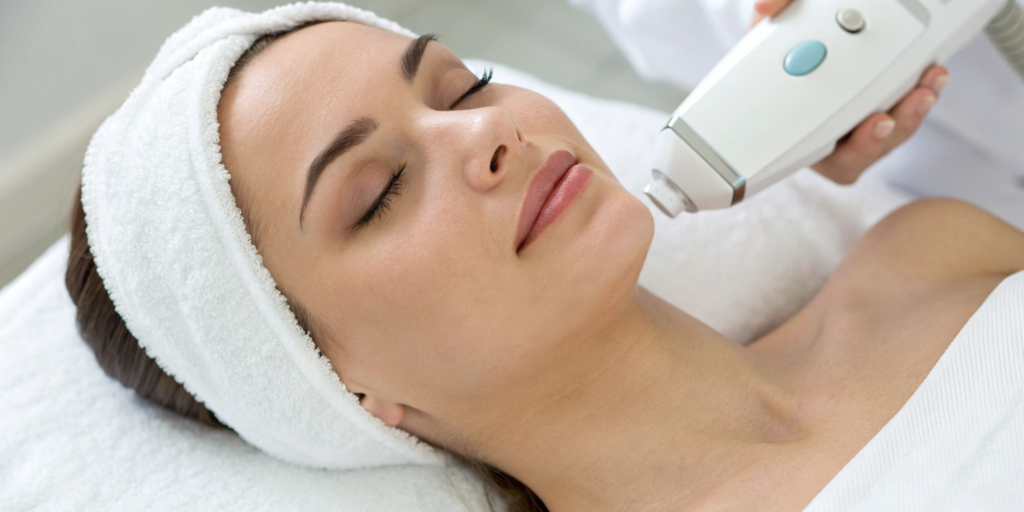

You can have the best at-home skincare routine in the world, but some skin concerns simply live beyond the reach of your daily products. Acne scars, with their textural indentations and stubborn discoloration, are a perfect example. To effectively smooth them out, you need to go deeper than the surface. This is where a professional treatment can create a transformation that serums alone cannot. A medium depth chemical peel for acne scars is designed to remove damaged outer layers of skin, signaling your body to generate fresh, new tissue and collagen. It’s a true reset for your complexion. Here, we’ll explore how this treatment works and why it’s such an effective step for achieving lasting clarity and smoothness.
Key Takeaways
- Target the Right Scars: Medium-depth peels are most effective for improving surface-level concerns like shallow, indented scars and the stubborn dark spots (post-inflammatory hyperpigmentation) that acne leaves behind.
- Aftercare Is as Important as the Peel: Your results are directly linked to how you care for your skin afterward. Plan for about a week of social downtime and be diligent with gentle cleansing, moisturizing, and daily sunscreen to ensure proper healing.
- Work with a Professional for a Multi-Step Plan: Achieving your ideal results is a process, not a one-time fix. Partner with a qualified, physician-led team to create a personalized treatment plan that often includes a series of peels for the safest, most significant improvement.
What Is a Medium-Depth Chemical Peel?
If you’re looking for a treatment that goes beyond surface-level concerns, a medium-depth chemical peel might be the answer. Think of it as a powerful reset for your skin. This type of peel is designed to address issues that live a little deeper, like stubborn acne scars, more pronounced wrinkles, and uneven skin tone that hasn’t responded to lighter treatments.
Unlike superficial peels that only work on the outermost layer of skin (the epidermis), a medium peel penetrates further. It removes skin cells from the epidermis and the upper part of your middle layer of skin, known as the dermis. By reaching this depth, the treatment stimulates a more significant healing response, encouraging your body to produce fresh, new skin cells. This process is what makes it so effective for creating a smoother, more even complexion. Because this is a more intensive procedure, it’s one of the most popular skin and pigment treatments for achieving noticeable, lasting results under professional care. It’s a fantastic option for anyone feeling like their skin needs a serious refresh to restore its clarity and texture.
How It Works on Acne Scars
So, how does a chemical solution actually smooth out acne scars? It’s all about controlled exfoliation and regeneration. The peel uses a specialized chemical solution to carefully remove the damaged, outer layers of your skin where scar tissue resides. This process essentially clears away the old surface that’s marked by indentations and discoloration.
Once those outer layers are gone, your body’s natural healing kicks in. It starts generating new skin that is typically much smoother and more uniform in appearance. The new skin that grows back has a healthier structure, which helps to soften the edges of scars and reduce their overall visibility. It’s a way of prompting your skin to rebuild itself, leaving you with a fresher, less scarred surface.
The Key Ingredients: TCA, Jessner’s Solution, and Glycolic Acid
The “chemical” in a chemical peel refers to specific acids that are proven to be safe and effective for skin renewal. For medium-depth peels, the most common ingredients are Trichloroacetic acid (TCA), Jessner’s solution (a combination of salicylic acid, lactic acid, and resorcinol), and higher concentrations of glycolic acid. Each of these ingredients works to break down the bonds holding old, dead skin cells together.
Because these are powerful agents designed for more intense exfoliation, you can expect some downtime as your skin heals. This isn’t a “lunchtime” peel; it’s a serious step in your facial rejuvenation journey. That’s why it’s so important to have this treatment performed by a qualified physician who can select the right chemical and concentration for your specific skin type and goals.
Which Acne Scars Do They Treat Best?
Medium-depth chemical peels are a powerful tool for skin rejuvenation, but they work best on specific types of acne scars. Their strength lies in addressing textural and pigmentation issues left behind after breakouts. For shallow, indented scars, a medium peel can smooth and restore the skin’s surface. They are also incredibly effective at lifting away the stubborn discoloration that can linger for months after a pimple has healed. However, for very deep, pitted scars, a peel is often just one part of a more comprehensive treatment plan. Understanding which scars respond best will help you set realistic expectations for your journey to clear, confident skin.
Ideal for Atrophic Scars and Shallow Indentations
If your main concern is shallow depressions or indentations—often called atrophic scars like rolling or boxcar types—a medium-depth peel can make a significant difference. The peel removes damaged outer layers of skin, signaling your body to kickstart its natural healing process. This stimulates new collagen, the protein that gives skin its structure and plumpness. As fresh collagen builds up, it helps fill in those shallow indentations from below, creating a much smoother surface and a noticeable improvement in your skin’s overall texture.
Fading Post-Inflammatory Hyperpigmentation
Do you have those frustrating dark spots that stick around long after a blemish is gone? That’s post-inflammatory hyperpigmentation (PIH), and it’s one of the top concerns medium-depth peels address beautifully. The chemical solution lifts and exfoliates the dead skin cells on the surface where excess pigment has collected. As the top layer of skin peels away, it takes that discoloration with it, revealing fresher, more evenly toned skin underneath. For anyone struggling with uneven skin tone, a medium peel is one of the most effective skin treatments for restoring clarity.
Scars That Might Need a Different Approach
It’s important to have realistic expectations for deeper acne scars, like ice pick scars or severe boxcar scars. While a medium-depth peel can certainly improve their appearance by softening the edges and reducing surrounding discoloration, it may not completely erase a deep indentation on its own. For these more significant textural issues, a peel is often used as part of a combination therapy plan. Your provider might recommend pairing it with treatments like laser therapy or dermal fillers to achieve the best possible results by targeting the scar from multiple angles.
What Results Can You Expect?
A medium-depth chemical peel is a commitment, but it’s one that can deliver truly transformative results for acne scars. The key is knowing what to expect along the way. Your skin’s journey to becoming smoother and clearer doesn’t happen overnight. Instead, it unfolds over a week of healing followed by months of continued improvement. Think of it as a reset for your skin. The peel works by removing damaged outer layers, which prompts your body to create fresh, new skin cells and stimulate collagen—the protein that gives skin its structure and firmness. This process is what helps diminish the appearance of scars and discoloration.
While patience is part of the process, understanding the timeline and the long-term picture will help you appreciate the incredible changes your skin is undergoing. The initial results are exciting, but the benefits continue to develop for weeks after the peeling stops as new collagen forms. It’s a deep renewal that addresses not just the surface but the underlying structure of your skin. Below, we’ll walk through exactly what you can anticipate, from the first day of peeling to the lasting benefits you’ll see in the mirror, so you can feel confident and prepared for your treatment.
Your Results Timeline: What to Expect and When
Right after your peel, your skin will likely look and feel like you have a moderate sunburn. It might appear red or slightly brown, and feel a bit tight. This is completely normal. The real action starts within about 48 hours, when the peeling begins. For the next three to seven days, the treated layers of skin will flake and peel away. It’s essential not to pick or pull at the skin during this time—just let it shed naturally. Once the peeling is complete, you’ll reveal a fresh, new layer of skin that looks smoother and more radiant.
Long-Term Benefits vs. Realistic Expectations
Once your skin has fully healed, you can expect a significant improvement in its texture and tone. Medium-depth peels are fantastic for reducing shallow, atrophic acne scars and fading stubborn post-inflammatory hyperpigmentation. The result is a smoother, more even complexion. However, it’s important to remember that these results aren’t permanent. The natural aging process and future sun exposure can lead to new lines and pigment changes over time. That’s why maintaining your results is part of a comprehensive approach to managing your skin, acne, and pigment concerns for the long haul.
Why You Might Need More Than One Session
While you’ll see noticeable improvement after just one medium-depth peel, most people need a series of treatments to achieve their ultimate goals. For significant acne scarring, a plan of three to six peels, spaced a few weeks apart, is often recommended. This allows us to safely treat the skin at a deeper level over time for more dramatic results. After your initial series, a maintenance peel every six to twelve months can help keep your skin clear and smooth. Think of it as part of your ongoing strategy for total facial rejuvenation and a way to protect your investment in your skin.
What Is Recovery Really Like?
Let’s be direct: a medium-depth chemical peel involves some real downtime. Your skin is undergoing a major renewal process, and that doesn’t happen overnight. Think of it as a week of social downtime where your main job is to rest and let your skin heal. While you won’t be hitting the town right after your appointment, the recovery is very manageable, and the results are well worth the wait. The key is knowing what to expect and following your aftercare instructions to the letter.
Properly caring for your skin post-peel is the single most important thing you can do to ensure you get the beautiful, clear results you’re looking for. During this time, your skin is incredibly vulnerable as it sheds old, damaged layers to reveal the fresh, healthy skin underneath. Your provider will walk you through every step, but it helps to have a clear picture of the journey ahead. At RewindMD, we make sure our patients feel fully prepared to handle their recovery with confidence, knowing that smoother, more even-toned skin is just on the other side. Our goal is to support you through the entire process of your skin transformation.
The Healing Process: A Week-by-Week Guide
Your skin’s recovery will follow a fairly predictable timeline. For the first day or two, expect your face to look and feel like it has a moderate sunburn—it will be red, tight, and sensitive. Some areas may appear slightly darker or brownish, which is completely normal. Around day three, the peeling usually begins, often starting around the mouth and chin. This is the peel doing its job! The goal is to let the skin shed naturally. By days five through seven, the peeling will likely be at its peak, after which it will start to taper off. Underneath, you’ll see fresh, pink, and incredibly smooth new skin emerge. This new skin is delicate and needs to be treated with care.
Your Aftercare Essentials (Especially Sunscreen!)
Your aftercare routine is simple but non-negotiable. First, you’ll need a gentle, soap-free cleanser and lukewarm water to clean your face—no scrubbing allowed. Second, keep your skin constantly hydrated with a thick, soothing moisturizer recommended by your provider. This will ease tightness and help the healing process. Most importantly, you must be diligent with sun protection. The American Academy of Dermatology stresses that new skin is highly susceptible to sun damage. You’ll need to apply a broad-spectrum sunscreen with an SPF of 30 or higher every single day, even if you’re indoors. This step is crucial for protecting your results and preventing new hyperpigmentation from forming.
How to Handle Peeling, Redness, and New Skin
The number one rule of peel recovery is: do not pick, pull, or scrub at your flaking skin. Let it fall off on its own schedule. Forcing it can lead to scarring and infection, which is the last thing you want. If your skin feels itchy or irritated, a cool compress can provide some relief. You’ll also need to put your regular skincare routine on hold. Avoid using any products with active ingredients like retinoids, vitamin C, or exfoliating acids until your provider gives you the green light. It’s also best to skip strenuous workouts, saunas, and hot showers for the first few days, as heat can increase inflammation. Think of this as a protective phase for your investment in facial rejuvenation.
Understanding the Risks and Side Effects
Any effective skin treatment involves a healing process, and a medium-depth chemical peel is no different. Knowing what to expect ahead of time is the best way to feel confident and prepared. While the idea of “risks” can sound intimidating, most side effects are a normal, temporary part of your skin’s renewal cycle.
The key to a safe and successful outcome is working with an experienced, physician-led team that provides a personalized treatment plan and clear aftercare instructions. When you’re in expert hands, serious complications are rare. Let’s walk through what you can expect during your recovery and what to keep an eye on.
Common (and Temporary) Side Effects
Think of the first few days after your peel as a major healing phase. Your skin will likely look and feel like it has a moderate sunburn—expect redness, some swelling, and a tight or stinging sensation. This is your body’s natural response kicking into gear. Within about three to seven days, the peeling will begin as the treated layers of skin start to shed. For a medium peel, you might also see some blistering that crusts over before peeling away within one to two weeks. While the most intense redness and peeling subside in about 14 days, a pinkish hue can linger for a few months as your fresh, new skin settles in.
Potential Complications to Be Aware Of
While uncommon, it’s important to know about potential complications. Some people may experience changes in skin color. This can be either hyperpigmentation (darkening of the skin) or hypopigmentation (lightening of the skin), and it’s more common in individuals with deeper skin tones. In very rare cases, a peel can cause scarring, particularly on the lower part of the face. If you have a history of cold sores (herpes simplex virus), the treatment can trigger a flare-up. This is why it’s crucial to share your full medical history with your provider, as they can prescribe antiviral medication to prevent an outbreak and ensure your skin treatments are safe and effective.
How to Minimize Risks with Proper Care
Your role in the healing process is just as important as the treatment itself. Minimizing risks comes down to following your aftercare plan to the letter. The two most critical rules are to keep your new skin hydrated and protected from the sun. You’ll need to apply a gentle, high-quality moisturizer frequently to prevent dryness and support healing. Sun exposure is strictly off-limits. You must use a broad-spectrum sunscreen with a high SPF every single day for several months post-peel, as your new skin is incredibly sensitive. Choosing a qualified provider for your facial rejuvenation is the first and most important step you can take to ensure a safe and beautiful result.
Is a Medium-Depth Peel Right for You?
Deciding on a medium-depth chemical peel is a personal choice that depends on your skin, your health, and your goals. While it’s a fantastic option for many, it’s not a one-size-fits-all solution. The best way to know for sure is to have an honest conversation with a qualified provider. They can assess your unique situation and help you weigh the pros and cons. Here are a few key things to consider as you explore whether this treatment is the right next step for you.
Factoring in Your Skin Type and Tone
One of the biggest myths about chemical peels is that they only work for certain skin types. The truth is, peels can be effective for almost everyone, but the formula and depth must be tailored to your specific skin. A skilled provider will customize the treatment to suit your skin’s texture and tone for a safe and effective result. This is especially important for darker skin tones, as some acids, like TCA, can carry a risk of discoloration if not administered correctly. A thorough skin consultation is the first step to ensuring the peel is a perfect match for you.
Your Health History: What Your Provider Needs to Know
Think of your consultation as a strategy session for your skin. To get the best results and keep you safe, your provider needs the full picture of your health history. Be ready to talk openly about your expectations and any concerns you have. It’s crucial to let your doctor know if you have a history of scarring, get frequent cold sores, or have had facial X-rays in the past. This information helps them anticipate how your skin might react and allows them to create a facial rejuvenation plan that minimizes risks and helps you achieve your goals.
When to Explore Other Options
Medium-depth peels are powerful, but they have their limits. For very deep or pitted acne scars, like ice pick or boxcar scars, a peel might not be enough to get the smooth texture you’re looking for. In these cases, your provider may recommend more intensive treatments like laser therapy or dermal fillers, sometimes in combination with a peel for the best outcome. It’s all about matching the treatment to the scar type. At RewindMD, we focus on finding the most effective path for your specific skin concerns, even if that means exploring alternatives to a medium-depth peel.
Medium-Depth Peels vs. Other Treatments
When you’re exploring ways to treat acne scars, you’ll quickly find there are a lot of options out there. Medium-depth peels are a fantastic and effective choice for many people, but it’s helpful to know how they stack up against other common treatments. Understanding the differences will help you and your provider decide on the perfect plan for your skin. The goal is always to find the most effective treatment for your specific scars and skin type, whether that’s a single therapy or a combination of approaches.
How They Compare to Superficial Peels and Lasers
Think of superficial or “lunchtime” peels as a light refresh for your skin’s surface. They’re great for minor dullness but don’t go deep enough to address significant scarring. A medium-depth peel, however, works harder by removing skin cells from the top layer and the upper part of the middle layer. This deeper exfoliation is what allows it to visibly improve shallow acne scars and pigmentation. Lasers are another powerful tool in facial rejuvenation, using focused light and heat to resurface the skin and stimulate collagen. While highly effective for deeper scars, they often require more downtime than a medium peel.
Matching the Treatment to Your Scar Type
The right treatment plan is never one-size-fits-all—it depends entirely on your scars. Medium-depth peels are a go-to solution for atrophic scars (shallow indentations) and the post-inflammatory hyperpigmentation, or dark spots, that acne often leaves behind. They excel at smoothing texture and evening out skin tone. However, for more severe scarring like deep ice pick or boxcar scars, a medium peel might not be the complete answer. For these concerns, your provider may suggest a more intensive treatment or a combination approach to achieve the smooth, clear skin you’re looking for.
Ready to Schedule? What to Know First
Feeling excited about the possibility of smoother, clearer skin is a great first step. But before you pick up the phone, a little preparation goes a long way in making sure your experience is safe, effective, and exactly what you’re hoping for. Think of it as setting the foundation for incredible results. From finding the right person to guide your treatment to knowing what to do in the weeks leading up to your appointment, being informed is your best tool. We’ll walk through the key things to consider so you can move forward with total confidence. This is about making a smart, empowered decision for your skin.
How to Find a Qualified Provider
This is the most critical step. A chemical peel is a medical procedure, and your results (and safety) depend entirely on the skill of the person performing it. Look for a physician-led clinic where treatments are overseen by board-certified experts. Your initial consultation is everything. It’s your chance to ask questions and get a personalized treatment plan tailored to your specific scars and skin type. A great provider will listen to your goals, assess your skin thoroughly, and explain the process clearly. This initial meeting should make you feel comfortable and confident in their ability to deliver the facial rejuvenation results you want.
Preparing for Your Peel: The Dos and Don’ts
Once you’ve booked your appointment, your provider will give you a pre-peel skincare routine. Following it is non-negotiable for getting the best results and minimizing side effects. You’ll likely need to stop using certain products like retinoids and exfoliants for a week or two beforehand. It’s also crucial to be honest about your medical history, especially if you’re prone to cold sores or have a history of scarring. Your provider might prescribe an antiviral medication or a special cream to prep your skin. And the biggest “don’t”? Sun exposure. Stay out of the sun and be diligent with SPF to ensure your skin is ready for treatment.
Understanding the Cost and Planning Your Sessions
Let’s talk about the investment. Because chemical peels are considered a cosmetic treatment, they typically aren’t covered by insurance. It’s also important to know that one peel might not be enough to achieve your ultimate goal. For acne scars, most people need a series of three to six treatments, usually spaced a few weeks apart, to see significant improvement. During your consultation, ask for a clear breakdown of the cost per session and the recommended number of treatments. This helps you plan accordingly and view it as a complete anti-aging treatment plan rather than a one-off appointment, ensuring there are no surprises along the way.
Related Articles
Frequently Asked Questions
Does a medium-depth chemical peel hurt? You can definitely expect to feel some sensation during the treatment. Most people describe it as a warm, stinging, or tingling feeling while the chemical solution is on the skin, but it’s generally very tolerable and lasts only a few minutes. Afterward, your skin will likely feel tight and look like you have a moderate sunburn, but this discomfort is temporary and a normal part of the initial healing phase.
How much downtime should I actually plan for? Can I go to work? It’s best to plan for about a week of what we call “social downtime.” While you won’t be bedridden, your skin will be red, sensitive, and actively peeling, so you probably won’t feel up to attending big events or being on camera. Many people who can work from home find it manageable, but you’ll need to be diligent with your aftercare. The most important thing is to give your skin the time it needs to heal without rushing the process.
When will I see the final results from my peel? You’ll notice an immediate improvement in your skin’s radiance and smoothness as soon as the initial peeling phase is over, which is typically about seven to ten days after your treatment. However, the most significant results for acne scars develop over time. The peel stimulates new collagen production deep within your skin, and this process continues for several weeks to months, meaning your skin’s texture will keep improving long after the peeling stops.
Are chemical peels safe for darker skin tones? Yes, chemical peels can be safe and effective for darker skin tones, but it is absolutely essential that the treatment is performed by a highly experienced provider. Darker skin has a higher risk of developing post-inflammatory hyperpigmentation if the wrong type or concentration of acid is used. A skilled physician will know exactly how to customize the peel to deliver beautiful results while minimizing any risks of discoloration.
Why can’t I just use an at-home peel for my acne scars? At-home peels are formulated to be much weaker and only work on the very surface of the skin. While they might help with minor dullness, they simply don’t have the strength to penetrate deep enough to address the textural changes of acne scars. A medium-depth peel uses medical-grade ingredients that require a professional’s expertise to apply safely and effectively to achieve a real transformation without risking burns or further scarring.