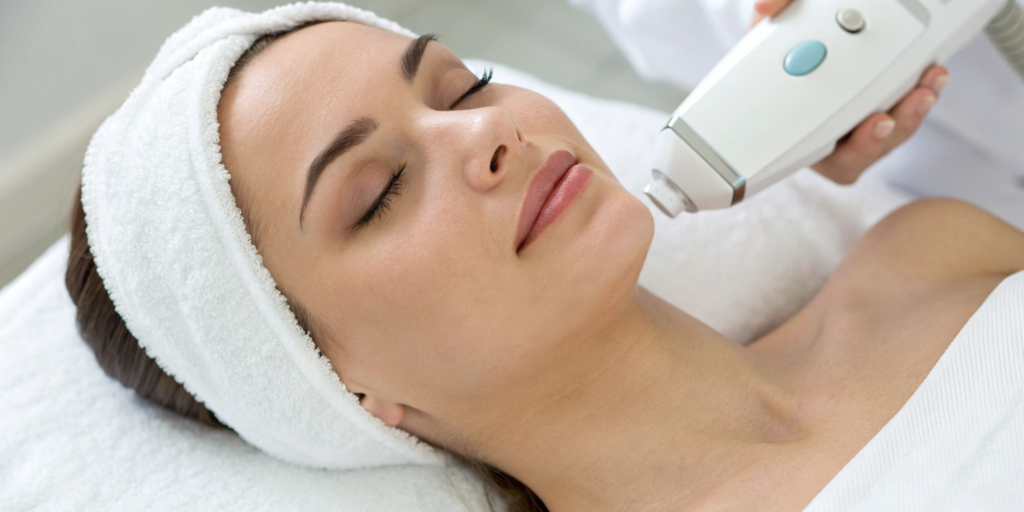

Feeling truly comfortable in your own skin is a powerful thing. When you’re dealing with the textural and tonal irregularities left behind by acne, it can feel like that confidence is just out of reach. You’ve likely tried countless creams and serums with little success. That’s because many acne scars require a professional approach that works beneath the surface. A chemical peel is a transformative treatment that stimulates your skin’s natural healing processes, encouraging new collagen growth to fill in indentations and lifting away discoloration. It’s an investment in yourself and your skin’s long-term health. Here’s what you should know before booking a chemical peel for acne scars in Rancho Santa Fe.
Key Takeaways
- Chemical peels tackle acne scars from multiple angles: They smooth texture by removing damaged outer skin, fade discoloration by lifting away excess pigment, and encourage new collagen to fill in indentations.
- Lasting improvement comes from a series of treatments: Your results depend heavily on a full series of peels and consistent aftercare, which includes diligent sun protection and keeping your skin moisturized while it heals.
- Your safety and results hinge on choosing the right provider: Prioritize a physician-led clinic and use your consultation to get a personalized plan that matches the right peel strength to your specific type of scarring.
How Do Chemical Peels Improve Acne Scars?
If you’re dealing with the lingering reminders of past breakouts, you’ve probably wondered how to get rid of acne scars for good. Chemical peels are a fantastic and effective option because they work on multiple levels to repair the skin. At its core, a chemical peel involves applying a specialized solution that removes the damaged, outer layers of your skin. This controlled exfoliation process kicks your skin’s natural healing into gear, revealing the smoother, healthier skin hiding underneath. It’s a true reset that addresses texture, discoloration, and even the structure of the scars themselves.
They Smooth Uneven Skin Texture
One of the most frustrating things about acne scars is the uneven, bumpy, or pitted texture they leave behind. Chemical peels directly address this by sloughing off the top layer of dead and damaged skin cells. Think of it as a powerful way to resurface your skin. The chemical solution dissolves the bonds holding those old cells together, allowing them to peel away. As your skin heals, fresh, new cells take their place. This regeneration process results in a noticeably smoother and more refined surface, softening the edges of indented scars and creating a more uniform complexion. Our goal with our skin treatments is to help you feel confident in your skin’s texture again.
They Fade Dark Spots and Discoloration
Often, what we call “acne scars” are actually dark or reddish spots known as post-inflammatory hyperpigmentation (PIH). These spots appear after a blemish has healed and can stick around for months or even years. A chemical peel is one of the best ways to speed up their departure. The acids in the peel solution lift away the surface cells that contain the excess pigment. As the treated skin peels off, so does the discoloration. With each treatment, you’ll notice those stubborn spots getting lighter and your overall skin tone becoming much more even and clear. It’s an effective way to erase the evidence of old breakouts.
They Stimulate Collagen to Fill in Scars
For deeper, indented scars (like boxcar or rolling scars), the solution lies beneath the surface. Chemical peels create a controlled, therapeutic injury to the skin, which triggers a natural healing response. A major part of this response is the production of new collagen, the essential protein that gives your skin its firmness and structure. This new collagen helps to rebuild the skin from within, plumping it up and filling in the depressions left by acne. This is why peels are a key part of many facial rejuvenation plans. Over a series of treatments, this collagen remodeling can significantly reduce the depth of scars for lasting improvement.
What Are My Chemical Peel Options in Rancho Santa Fe?
When you hear “chemical peel,” you might picture something intense, but the reality is much more nuanced. Peels come in different strengths, each designed to address specific skin concerns. Think of it like a workout for your skin: some days you need a light stretch, and other days you need a more intensive session. The right peel for your acne scars depends entirely on your skin type and the depth of the scarring. Understanding your options is the first step toward finding the perfect fit for your skin goals. Let’s walk through the most common types you’ll find.
Light Peels for Minor Scarring
If you’re dealing with faint acne marks, dark spots, or a bit of uneven texture, a light peel is a fantastic starting point. These treatments use gentle acids, like alpha hydroxy acids (AHAs), to exfoliate the very top layer of your skin. The process helps to lift away discoloration and smooth the surface without any real downtime. You might experience some mild redness, but you can typically go right back to your day. Because they are so gentle, you’ll likely need a series of light peels to see the best results. Regular treatments can significantly improve your skin’s clarity and give you a brighter, more even-toned complexion, making them a key part of our skin and acne treatments.
Medium Peels for Deeper Texture Issues
For more stubborn or indented acne scars, a medium-depth peel can deliver more noticeable results. These peels use stronger ingredients, like trichloroacetic acid (TCA), to reach beyond the surface and into the deeper layers of the skin. This process stimulates your body’s natural collagen production, which helps to plump the skin from within and fill in textured scars over time. You will need to plan for a little recovery, usually about three to five days of visible peeling and redness. While it requires some downtime, a medium peel can create a much smoother canvas and is a powerful tool for facial rejuvenation. The trade-off for a few days of recovery is a significant improvement in skin texture.
Why a Professional Consultation Is Key
Choosing a chemical peel isn’t a decision to make lightly or based on a quick online search. Your skin is unique, and what works for someone else might not be right for you. This is why a professional consultation is non-negotiable. During a one-on-one assessment, a skincare expert can analyze your skin type, the specific type of acne scars you have, and your overall skin health. This allows them to recommend the most suitable treatment tailored just for you. A personalized plan not only ensures you get the best possible results but also keeps your skin safe. It’s the difference between guessing and knowing you’re on the right path to clearer skin.
Will a Chemical Peel for Acne Scars Hurt?
Let’s get right to it: most people describe the sensation of a chemical peel as a temporary tingling, warmth, or mild stinging, not outright pain. A chemical peel involves applying a specialized solution to your skin to gently remove the outer, damaged layers and reveal the healthier skin underneath. The intensity of the sensation depends on the strength of the peel, but in a professional setting, your comfort is always the top priority. The feeling typically subsides very quickly after the treatment is complete.
What Results Can I Realistically Expect?
It’s important to have a clear picture of what a chemical peel can achieve. These treatments are fantastic for significantly reducing the appearance of mild to moderate acne scars, especially shallower atrophic scars that create texture on the skin’s surface. They also work wonders on post-inflammatory hyperpigmentation, which are the stubborn dark spots left behind after a breakout. While a peel may not completely erase very deep ice-pick or boxcar scars, it can soften their edges and make them much less noticeable. The goal is to create a smoother, more even-toned complexion you feel confident in. A series of peels can be a key part of a comprehensive plan for your skin concerns.
Why You’ll Likely Need More Than One Treatment
Achieving the best results for acne scarring is a process, not a one-time event. Think of it as a progressive journey for your skin. A single peel will give you a beautiful glow and some initial improvement, but lasting change comes from a series of treatments. Most clients need between four to six sessions, typically spaced about a month apart, to see a significant reduction in scarring. This schedule allows your skin to heal and regenerate between appointments. Each subsequent peel builds on the results of the last, working deeper to exfoliate damaged cells and stimulate new collagen production for smoother, clearer skin.
Common Myths vs. Reality
There’s a lot of information out there about chemical peels, so let’s clear a few things up. One common myth is that a peel will completely erase every scar. The reality is that peels are designed to improve scars, often dramatically, but not make them vanish entirely. Another misconception is that peels are a standalone solution. In truth, they are often a powerful component of a broader facial rejuvenation strategy and can prepare your skin to better respond to other treatments. Finally, some people worry that peels are harsh or unsafe. When performed by a trained expert in a physician-led clinic, chemical peels are a safe and highly effective treatment tailored specifically to your skin’s needs.
What to Expect: Before, During, and After Your Peel
Knowing what’s coming can make any new experience feel more comfortable. A chemical peel is a straightforward process with three distinct phases: the prep, the appointment, and the aftercare. When you understand what to do at each step, you can feel confident and excited about revealing smoother, clearer skin. Let’s walk through exactly what the journey looks like from start to finish.
How to Prepare Your Skin
Proper preparation is the first step toward getting a great result. Before anything else, it’s important to have a professional consultation to determine if a chemical peel is right for your specific type of scars. A physician can assess your skin and recommend the perfect treatment plan. Once you’re booked, your provider will give you specific instructions. Generally, this involves pausing the use of certain products like retinoids, exfoliants, and some acne medications for about a week beforehand. You’ll also want to be extra diligent about sun protection and avoid direct sun exposure. Think of it as creating a clean, calm canvas for your treatment.
What Happens During Your Appointment
When you arrive for your peel, your skin will be thoroughly cleansed to remove any oils or impurities. Then, your provider will apply the chemical solution. Most people feel a warm, tingling, or slightly stinging sensation as the solution gets to work, but it’s temporary. The peel is left on for a specific amount of time, depending on its strength and your skin’s needs. Your provider will watch your skin closely the entire time. Finally, they will neutralize and remove the peel before applying a soothing ointment and sunscreen. The whole process is relatively quick, and you’ll be on your way to revealing healthier skin.
Caring for Your Skin Post-Treatment
Aftercare is just as important as the peel itself. Your skin will be sensitive, so it needs some extra TLC. The golden rules are to keep your skin moisturized, wear a broad-spectrum SPF 50 sunscreen every single day, and never, ever pick at any peeling skin. Let it shed naturally. You’ll also want to avoid makeup for a couple of days and skip strenuous workouts for about a week to prevent irritation from sweat. Following these steps helps your skin heal beautifully and ensures you get the best possible results from your facial rejuvenation treatment.
How to Choose the Right Provider in Rancho Santa Fe
Choosing the right person to perform your chemical peel is a big deal. After all, this is your face we’re talking about. The success of your treatment and your overall experience really depend on the provider you trust. When you’re ready to find a professional in the Rancho Santa Fe area, focus on a few key areas: the clinic’s medical oversight, the practitioner’s specific expertise, and the quality of your initial consultation. Getting these things right will help you feel confident and secure as you work toward smoother, clearer skin.
The Importance of a Physician-Led Clinic
First things first: a chemical peel is a medical procedure, not just a spa facial. That’s why it’s so important to choose a physician-led clinic. Having a doctor involved ensures that your treatment is not only effective but also incredibly safe. A qualified medical professional can properly assess your skin type, the severity of your scarring, and your overall health to create a truly personalized skin treatment plan. This level of oversight means you’re getting a peel that’s perfectly suited to your needs, and you have an expert on hand who knows exactly how to manage your care from start to finish.
What to Look For in a Skincare Expert
Once you’ve found a great physician-led clinic, look closer at the person who will actually be performing your peel. Don’t be shy about asking about their credentials and experience. You’ll want to find a licensed esthetician, nurse, or doctor who has extensive training in chemical peels, especially for treating acne scars. Ask to see before-and-after photos of their previous clients. A confident and experienced provider will be happy to share their work and answer all your questions. This is a key part of any facial rejuvenation journey, and finding someone you trust is half the battle.
Questions to Ask at Your Consultation
Your consultation is your opportunity to interview your potential provider and make sure they’re the right fit. Come prepared with a list of questions to get all the information you need. A thorough assessment is the first step, so a great provider will start by carefully examining your skin.
Here are a few essential questions to ask:
- Which type of chemical peel do you recommend for my specific scars, and why?
- How many treatments do you think I will need to see results?
- What will the recovery and downtime be like?
- What are the potential risks or side effects for my skin type?
- What is the total cost of the treatment plan you’re recommending?
How Much Do Chemical Peels for Acne Scars Cost?
Let’s talk about the investment. When you’re considering a chemical peel for acne scars, it’s helpful to have a clear picture of the costs. Generally, a single chemical peel can range from around $100 to $300. However, for more intensive peels designed for significant scarring, the price can be higher. It’s also important to remember that achieving smooth, clear skin is a process. Most people see the best results after a series of four to six treatments, which is something to factor into your budget.
Think of it not just as a cosmetic procedure, but as an investment in your skin’s health and your own confidence. The final cost depends on a few key things, including the specific type of peel you need and the personalized plan we create for you.
What Affects the Price of a Peel?
Several factors influence the total cost of your chemical peel treatment. The price can vary based on your location and the expertise of the clinic you choose. The size of the treatment area also plays a part; treating acne scars on your back or chest will naturally cost more than on your face. Most importantly, the type of peel determines the price. A light, superficial peel for minor discoloration will be less expensive than a medium-depth peel required for more stubborn textural scars. Our goal is to match you with the right skin treatments for your specific needs.
The Value of a Custom Treatment Plan
While a series of peels is an investment, it’s a much more accessible option compared to invasive surgical procedures. The real value comes from a treatment plan designed just for you. Your skin is unique, and your acne scars have their own story. A one-size-fits-all approach simply doesn’t work. During your consultation, we’ll assess your skin type and the specific nature of your scarring to recommend the right peel and treatment frequency. This personalized approach to facial rejuvenation ensures you get the most effective results, making every dollar you invest work harder for your skin.
Related Articles
- 4 Best Chemical Peels for Acne Scars: Derm Guide
- Medium Depth Chemical Peel for Acne Scars: Is It for You?
- Finding the Best Chemical Peel for Deep Acne Scars
- The 3 Best Chemical Peels for Acne Scars & Dark Spots
Frequently Asked Questions
How soon will I see results from a chemical peel for acne scars? You’ll likely notice a brighter, more radiant complexion within a week or two after your very first peel, once the initial peeling has finished. However, significant improvement in the texture and depth of acne scars happens gradually. Real, lasting change comes from completing a full series of treatments, as each session builds on the last to stimulate new collagen and smooth the skin’s surface.
Is there any downtime after a chemical peel? Downtime really depends on the strength of the peel. With a light peel, you might have some mild redness for a few hours, but you can typically resume your normal activities right away. For a medium-depth peel, you should plan for about three to five days of visible peeling and redness. Think of it as a short recovery period that allows your skin to shed the old, damaged layers to reveal the fresh, smooth skin underneath.
Can I get a chemical peel if I still have active acne? This is a great question, and the answer is often yes. Certain types of chemical peels, particularly those containing salicylic acid, are excellent for treating active breakouts while also addressing the scarring they leave behind. However, it’s essential to have a professional consultation first. A skincare expert can determine if a peel is appropriate for your current skin condition and choose a solution that won’t irritate inflamed blemishes.
Are chemical peels a safe option for all skin tones? When performed by an experienced professional, chemical peels can be safe and effective for a wide range of skin tones. That said, darker skin tones have a higher risk of developing post-inflammatory hyperpigmentation if the wrong type or strength of peel is used. This is why choosing a physician-led clinic with expertise in treating diverse skin types is so important for ensuring a safe procedure and beautiful results.
What’s the difference between a professional peel and one I can buy online? The main differences are strength, safety, and customization. The peels used in a professional setting contain a higher concentration of active ingredients, allowing them to work more effectively on deeper skin concerns like acne scars. An expert can also customize the treatment for your specific skin type and goals. At-home peels are much weaker by design and lack the professional oversight needed to prevent irritation or damage, especially on sensitive or scar-prone skin.