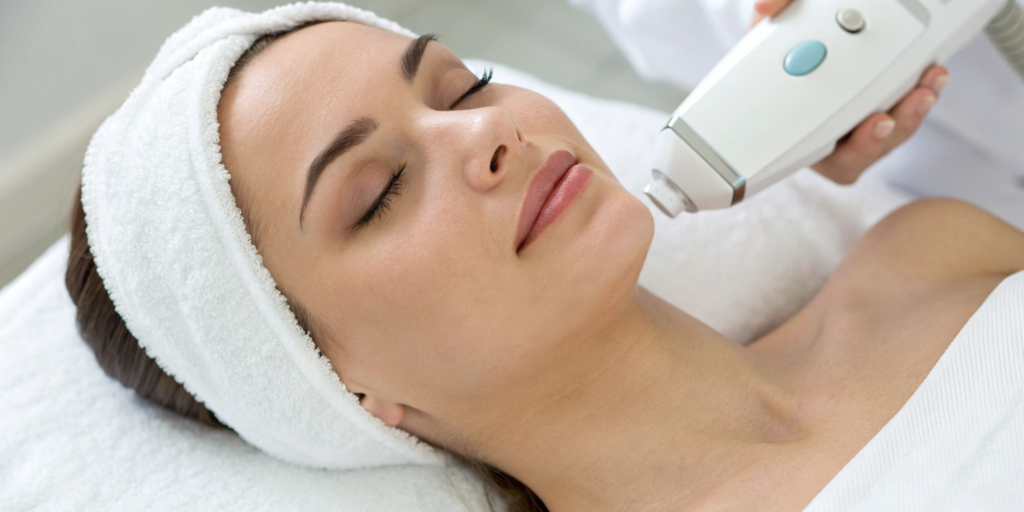

Let’s talk about one of the most common questions we hear: how much does a chemical peel cost in San Diego? It’s a great question, because transparency is essential when you’re planning for any aesthetic treatment. The final price can vary significantly, and we want you to feel fully informed without any surprises. The cost is influenced by the type of peel your skin needs, the experience of your provider, and any aftercare products required to support your results. Ahead, we’ll provide a clear and honest breakdown of what to expect financially, so you can see how a professional peel fits into your budget and your long-term goals for healthy, radiant skin.
Last updated: June 11, 2026
How Much Does a Chemical Peel Cost in San Diego?
In San Diego, chemical peel pricing usually depends on peel depth, provider oversight, treatment area, and whether your plan includes aftercare or a series of sessions. At RewindMD in Encinitas, chemical peels are normally listed at $300, with select membership discounts available. Your final recommendation may vary after a consultation because lighter peels, medium-depth peels, acne-focused peels, and pigmentation-focused plans can require different approaches.
- Typical price factors: peel depth, solution type, skin goals, provider experience, and follow-up care.
- Local cost context: dermatology offices and physician-led medical spas in San Diego often price peels based on clinical oversight and customization.
- RewindMD pricing note: chemical peels are normally listed at $300, and RewindMD membership benefits may include 5% to 10% discounts.
Key Takeaways
- Budget Beyond the Procedure Price: The cost of a chemical peel depends on its intensity, but your total investment should also include aftercare products and any recommended follow-up sessions. Planning for these additional costs ensures you can fully commit to the process for the best possible results.
- Aftercare Is as Important as the Peel Itself: Achieving a great outcome is a partnership between you and your provider. Your results depend heavily on following post-treatment instructions, especially simplifying your routine and applying sunscreen daily to protect your new, sensitive skin.
- Choose Your Provider Based on Expertise, Not Price: The safety and effectiveness of your treatment are tied directly to your provider’s skill. Prioritize a qualified, experienced professional in a physician-led setting and use your consultation to ask detailed questions about their experience and your specific treatment plan.
What Is a Chemical Peel?
Think of a chemical peel as a powerful reset for your skin. It’s a professional treatment that uses a specialized chemical solution to gently remove the outermost layers of dead or damaged skin. This process speeds up cell turnover and encourages your body to produce fresh, new skin cells. The result is a smoother, brighter, and more even-toned complexion that looks and feels healthier.
While the word “chemical” might sound intense, these treatments are carefully formulated and applied by trained professionals to target specific concerns. Whether you’re dealing with lingering acne scars, uneven texture, or just a general lack of radiance, a peel can help clear the slate. It’s one of the most effective ways to address a wide range of issues related to skin, acne, and pigment by working with your skin’s natural renewal process. A physician-led consultation is the first step to determine if a peel is the right choice for your unique skin goals.
The Different Types of Peels
Not all chemical peels are created equal—they come in different strengths to match different needs. Your provider will help you choose the right one, but it’s helpful to know the basics.
- Light (Superficial) Peels: These are the gentlest option, often using alpha-hydroxy acids (AHAs) or beta-hydroxy acids (BHAs). They’re great for treating fine lines, dryness, and enlarged pores with minimal downtime.
- Medium Peels: Using ingredients like trichloroacetic acid (TCA), these peels go a bit deeper to address more noticeable concerns like acne scars, deeper wrinkles, and uneven skin tone.
- Deep Peels: Reserved for more significant skin issues, deep peels use the strongest solutions to treat severe scarring and deep-set wrinkles. They offer dramatic results but require a longer recovery period.
What Can a Chemical Peel Do for Your Skin?
A chemical peel is a versatile treatment that can address many common skin complaints at once. By removing the damaged outer layer, a peel reveals the healthier skin underneath and can significantly improve its overall appearance. Many people turn to peels for effective facial rejuvenation and anti-aging benefits.
Specifically, a chemical peel can help minimize the appearance of fine lines and wrinkles, especially around the eyes and mouth. It can also improve the texture of rough skin, reduce acne breakouts, and fade the appearance of scars. If you struggle with sun spots, age spots, or other forms of hyperpigmentation, a peel can help create a more uniform and radiant skin tone.
Why Professional Peels Outperform At-Home Kits
While “DIY” peels are available online for low prices, a medical-grade chemical peel at Rewind MD offers safety and depth that home kits cannot match. The cost of a professional peel reflects:
- Acid Concentration: We use higher pH-regulated concentrations that penetrate the dermal layer.
- Neutralization: Professional oversight ensures the acid is neutralized at the exact second your skin reaches the “frosting” stage, preventing chemical burns.
Customization: We often layer different acids (Salicylic, Glycolic, or TCA) to treat acne and aging simultaneously.
How Much Does a Chemical Peel Cost?
Let’s talk numbers. When you’re investing in your skin, you want to know what to expect financially. The cost of a chemical peel isn’t a single, set price; it varies quite a bit depending on what your skin needs. Think of it like a personalized treatment plan; the intensity of the peel directly influences the price tag. At RewindMD in Encinitas, chemical peels are normally listed at $300, with select membership discounts available. We focus on creating a plan that’s right for you, so your investment matches your skin goals, comfort level, and recovery timeline.
Chemical Peel Cost in San Diego and North County
Chemical peel pricing in San Diego and North County can vary because local patients are often comparing different settings, from dermatology offices to physician-led medical spas. Dermatology offices and physician-led medical spas often price peels based on provider expertise, peel depth, treatment area, and follow-up care. A lighter refresh for dullness may be priced differently than a medium-depth peel for acne marks, pigment concerns, or visible sun damage.
For Encinitas, Del Mar, Solana Beach, Carlsbad, and nearby North County patients, the right question is not only what the peel costs, but what is included in the treatment plan. Ask whether your quote includes a skin assessment, pre-treatment instructions, post-peel aftercare guidance, and recommendations for a series if your goals require more than one session. That context helps you compare chemical peel pricing more accurately and avoid choosing care based on price alone.
Peel Depth and Solution Type
To give you a clearer picture, let’s break down the costs based on the three main types of peels. The average cost of a chemical peel can vary widely, so understanding the different levels is key.
Light Chemical Peels: Often called “lunchtime peels,” these are the most gentle and affordable option. They work on the outermost layer of your skin to address minor concerns like dullness or slight discoloration. Because they’re so mild, you can often get back to your day with little to no downtime. You can typically expect a light peel to cost between $150 and $400 per session.
Medium Chemical Peels: If you’re looking to address more noticeable concerns like moderate sun damage, acne scars, or fine lines, a medium peel might be the right fit. These peels penetrate the outer and middle layers of skin for a more dramatic result. The recovery time is a bit longer—usually a few days of redness and peeling. The price for a medium peel generally falls between $800 and $2,000, reflecting the more intensive treatment and powerful results.
Deep Chemical Peels: This is the most intensive type of peel, designed for significant skin concerns like deep-set wrinkles or prominent scars. A deep peel provides the most dramatic transformation but also requires the longest recovery period. Because of their intensity, these are performed by a physician and are a one-time procedure. The cost for a deep peel can range from $2,500 to $6,000, which accounts for the expertise required and the comprehensive results you can achieve with our advanced facial rejuvenation treatments.
What Factors Influence the Price?
When you start looking into chemical peels, you’ll quickly notice that the price isn’t a simple, one-size-fits-all number. The final cost depends on a few key things, from the type of peel you get to the person performing it. Think of it less like buying a product off the shelf and more like investing in a personalized service for your skin. Understanding what goes into the pricing will help you know what to expect and how to budget for the glowing results you’re after. The most important factors include the provider’s expertise, the size of the area you want to treat, and any additional fees for consultations or aftercare.
Provider Experience and Medical Oversight
The saying “you get what you pay for” definitely applies here. The cost of a chemical peel is often a reflection of your provider’s skill and training. A physician-led clinic or a highly experienced aesthetician working under medical oversight will likely have a different price point than a spa with less specialized staff. You’re paying for careful skin assessment, peel selection, safety guidance, and follow-up recommendations for your specific skin concerns. Location also plays a role, as prices can vary from city to city. Investing in a trusted provider for your facial rejuvenation can support a safer, more personalized treatment experience.
San Diego Location and Treatment Plan
It makes sense that the more skin you treat, the more the peel will cost. A peel focused on a small area, like addressing fine lines around the eyes, will be less expensive than a full-face treatment. If you’re looking to treat concerns that extend beyond your face, such as sun damage on your neck or chest, that will add to the overall price. In San Diego, your plan may also vary based on whether you are addressing acne, pigmentation, sun exposure, or overall texture. During your consultation, your provider will discuss your goals and map out the exact treatment area to give you a clear idea of the cost based on the scope of the procedure for your skin concerns.
Aftercare Products and Follow-Up Visits
The price you’re quoted for the peel itself might not be the final number. It’s important to ask about any other potential costs. Some clinics charge a separate fee for the initial consultation, which is sometimes applied to the treatment cost if you decide to move forward. You should also factor in the price of any recommended pre- or post-peel skincare products, which are crucial for protecting your skin and supporting your results. If your goals call for a series of treatments, ask how follow-up visits are planned and whether membership benefits apply. This helps you understand the full investment before you begin.
Will Insurance Cover Your Chemical Peel?
This is one of the most common questions we hear, and it’s a practical one to ask before you commit to a treatment. For the most part, health insurance does not cover chemical peels because they are considered cosmetic procedures. This means the goal is to improve your appearance rather than treat a medical condition. As a result, you should plan for the cost to be an out-of-pocket expense, which includes everything from the procedure itself to any related fees.
It’s helpful to think of it like other aesthetic treatments—insurance plans are designed to cover illness and injury, not elective procedures for enhancing your look. While a peel can certainly improve skin health, its primary purpose in most cases is aesthetic. However, the line between cosmetic and medical can sometimes blur, and there are specific situations where you might get coverage. It’s always best to understand the possibilities and have a clear financial plan in place before you schedule your appointment. At RewindMD, we believe in full transparency and are here to help you understand all aspects of your chemical peel and skin treatments journey, including the costs. We want you to feel confident and informed every step of the way, without any financial surprises.
When Insurance Might Step In
While it’s not the norm, there are a few instances where an insurance provider might cover a chemical peel. This typically happens when the peel is deemed medically necessary to treat a specific condition. For example, if you have precancerous growths, severe cystic acne that hasn’t responded to other treatments, or significant scarring that impacts your quality of life, a peel might be considered part of your medical care. To pursue this, you would need a formal diagnosis from a physician and pre-authorization from your insurance company, which can be a lengthy process involving detailed documentation.
Exploring Payment and Financing Options
Since most chemical peels are paid for out-of-pocket, many clinics offer ways to make the cost more manageable. Don’t let the initial price tag keep you from achieving your skin goals. Many practices, including ours, can discuss payment plans or financing options that allow you to break down the total cost into smaller, monthly payments. This approach makes it easier to budget for your facial rejuvenation without having to pay the full amount upfront. During your consultation, we can walk you through the available options so you can make a confident and comfortable decision.
What to Expect: Before, During, and After Your Peel
Knowing what’s coming is the best way to feel confident and prepared for your chemical peel. The process is straightforward, but your results depend just as much on what you do before and after the appointment as what happens during it. Think of it as a team effort between you and your provider. From prepping your skin to managing the healing process, here’s a clear breakdown of the entire experience.
How to Prepare for Your Appointment
Great results start before you even walk into the clinic. To get your skin ready, we may recommend a specific pre-peel routine. This could involve using special creams, like a retinoid, for a few weeks to help the peel penetrate more evenly. We’ll also stress the importance of daily sunscreen use and avoiding direct sun exposure, as this is crucial for protecting your skin. Depending on your skin and the type of peel, we might also prescribe an antiviral medication as a preventative measure. Following these steps helps ensure your skin is in the best possible condition for a safe and effective treatment.
The Peel Process Itself
On the day of your appointment, we’ll make sure you’re comfortable before we begin. The treatment takes place right in our office. First, we’ll thoroughly cleanse your skin to remove any oils or impurities. We then protect sensitive areas like your eyes, nostrils, and the corners of your mouth. Once your skin is prepped, we apply the chemical solution. You might feel a warm or stinging sensation for a few minutes as the solution gets to work—this is completely normal. For deeper peels, we may use a numbing cream to ensure your comfort throughout the facial rejuvenation process.
Your Recovery Timeline
After the peel, your skin begins its renewal process. The recovery timeline varies depending on the peel’s strength. For a light peel, you can expect one to three days of mild redness, similar to a sunburn. With a medium peel, the peeling and redness are more significant and can last seven to 14 days. During the first few days, you might notice some redness and tingling. Around day three, your skin will likely start to flake or peel as the new, smoother skin emerges. By the end of the first week, most of these side effects should subside, revealing a healthier, more radiant complexion.
What Are the Potential Risks and Side Effects?
Like any effective skin treatment, chemical peels come with a few potential side effects. Knowing what to expect is the best way to feel confident and prepared for your skin’s renewal process. Most side effects are a normal part of the healing journey and a sign that the peel is working its magic. Let’s walk through what’s completely normal, what warrants a call to your provider, and how to know if a peel is the right fit for you in the first place.
Common (and Totally Normal) Side Effects
After your peel, your skin will be in full-on renewal mode. It’s common to experience some redness, sensitivity, tightness, and mild swelling. Your skin will likely feel dry, and the main event—peeling—usually starts two or three days after your appointment. You might notice some flakiness, and it’s possible for discolorations or imperfections to look a bit more noticeable temporarily. Don’t panic! This is just the old, damaged layer of skin making way for the fresh, new skin underneath. Most of these effects are mild and should clear up within two weeks as your skin completes its rejuvenation process.
When to Call Your Doctor
While most side effects are part of the plan, it’s important to listen to your skin and stay in touch with your provider. If you experience any extreme pain, or if redness and discoloration seem to be lasting longer than expected, it’s time to make a call. It’s also possible to get a few pimples after a peel, which is usually just a temporary reaction to inflammation and dead skin. This typically clears up in a few days. The bottom line is that you should never have to guess. A professional provider will want to hear from you if you have any concerns during your recovery from any skin treatments.
Is a Chemical Peel Right for You?
A chemical peel is a fantastic option for many, but it isn’t for everyone. A peel might not be recommended if you have a history of unusual scarring, have certain skin conditions, or take medications that make your skin extra sensitive. You also need to be able to commit to staying out of the sun while your skin heals. For those with darker skin tones, there can be a higher risk of changes in skin color, so it’s crucial to discuss this with an expert. The best way to know for sure is to have an open conversation with a physician who can assess your skin and overall wellness to determine the safest, most effective treatment for you.
Aftercare and Other Costs to Consider
When you budget for a chemical peel, it’s smart to think beyond the price of the procedure itself. The cost of the peel is just the first step. To get those glowing, long-lasting results you’re looking for, you’ll also need to factor in aftercare products and the potential for future sessions. Think of it as protecting your investment—what you do after you leave the clinic is just as important as the treatment itself.
Proper aftercare is essential for helping your skin heal correctly and shielding that fresh, new layer from damage. This usually means tweaking your daily skincare routine and adding a few key products that your provider might recommend. Additionally, many skin concerns, like stubborn pigmentation or acne scars, aren’t resolved with a single peel. Achieving your ultimate skin goals often requires a series of treatments spaced out over time. Planning for these additional costs from the start ensures there are no surprises and helps you commit to the full process for the best possible outcome. It’s about creating a comprehensive plan that supports your skin from the initial peel through to long-term maintenance, ensuring your results are not only beautiful but also sustainable.
Your New Skincare Routine
After a chemical peel, your skin is incredibly delicate and needs some extra TLC. For the first week or so, you’ll need to simplify your routine. Use a gentle, soap-free cleanser with cool water to wash your face, and pat it dry very carefully—no rubbing. Keeping your skin hydrated is key, so apply a rich, soothing moisturizer multiple times a day to prevent dryness and support the healing process.
The most important rule of post-peel care? Sunscreen is non-negotiable. Your new skin is extremely sensitive to sun damage, so a broad-spectrum SPF of 30 or higher is a must every single day. You’ll also want to pause any harsh activities, like using exfoliants, hitting the gym for a sweaty workout, or relaxing in a sauna until your provider gives you the green light. Following a solid skincare plan is the best way to protect your results.
Planning for Follow-Up Treatments
While you’ll likely see a brighter, smoother complexion after just one chemical peel, most people need a series of treatments to see significant changes. Think of it as a journey rather than a one-and-done event. For concerns like fine lines, sun damage, or acne, a strategic treatment plan is the most effective approach. The number of sessions you’ll need depends entirely on your skin goals and the type of peel you get.
Generally, light peels can be performed every four weeks to maintain results and continue improving your skin’s texture and tone. Medium peels are spaced further apart, usually every three to six months. Because they are so intensive, deep peels are typically a one-time procedure. Your provider will work with you to create a schedule that aligns with your goals for long-term facial rejuvenation and fits your budget.
How Do Peels Compare to Other Treatments?
When you’re looking into skin resurfacing, chemical peels are just one of several great options. Understanding how they stack up against other popular procedures like laser treatments and microdermabrasion can help you and your provider decide on the perfect plan for your skin. Each treatment has its own strengths, and the right choice depends entirely on your goals, your skin type, and the specific concerns you want to address, from fine lines to acne scarring.
Chemical Peels vs. Laser Treatments
Both chemical peels and laser treatments are powerful tools for facial rejuvenation, but they achieve results in different ways. Chemical peels are often a great investment, providing smoother, brighter skin with results that can last for months. Laser treatments, while highly effective, can be more expensive and may require more downtime. While both treatments improve skin texture, lasers can target specific skin issues with more precision, though they sometimes come with a higher risk of side effects. A consultation with a skilled provider can help you weigh the pros and cons for your unique skin.
Chemical Peels vs. Microdermabrasion
If you’re considering a gentler option, you might be comparing a chemical peel to microdermabrasion. Microdermabrasion is a less invasive procedure that exfoliates the skin’s surface, making it a good choice if you’re looking for a quick refresh with no downtime. However, it typically requires more frequent sessions to see and maintain results. Chemical peels can address deeper skin issues like fine lines, acne scars, and uneven skin tone more effectively. While microdermabrasion is great for superficial concerns, a chemical peel often provides more dramatic and longer-lasting results in fewer treatments.
The Big Question: Is a Chemical Peel Worth It?
After weighing the costs, the process, and the recovery time, you’re probably asking yourself if a chemical peel is truly the right move for you. It’s a fair question. This isn’t just a simple facial; it’s a significant treatment that requires an investment of both your time and money. The answer really comes down to your personal skin goals and what you’re hoping to achieve. Are you looking for a quick refresh, or are you committed to making a lasting change in your skin’s health and appearance?
A chemical peel can be an incredibly effective tool for addressing persistent issues like acne scars, sun damage, fine lines, and uneven texture. For many people, the confidence that comes with clearer, smoother skin is priceless. But it’s not a magic wand. The best results come to those who understand the process, have realistic expectations, and are prepared to commit to proper aftercare. Think of it less as a one-time fix and more as a powerful step in your long-term facial rejuvenation options. By looking at both the immediate commitment and the future benefits, you can make a decision that feels right for you and your skin.
Setting Realistic Expectations
Let’s be direct: a chemical peel is an investment. The cost can vary quite a bit, and it’s important to remember that health insurance typically doesn’t cover cosmetic procedures unless they are deemed medically necessary. This means the expense will likely come out of your own pocket. Beyond the financial aspect, your results are directly tied to how well you care for your skin afterward. A successful peel isn’t just about what happens in the clinic; it’s about following your aftercare instructions to the letter. This commitment ensures you get the beautiful, healthy skin you’re paying for and helps you effectively treat concerns like acne and pigmentation.
The Long-Term Value for Your Skin
While the immediate results of a chemical peel—smoother, brighter skin—are exciting, the real value lies in the long-term benefits. Peels do more than just remove the damaged outer layer of skin; they work on a deeper level to stimulate your body’s natural collagen production. Collagen is the protein that gives your skin its firmness and elasticity, and producing more of it means your skin will continue to improve for months after your treatment. With proper care and sun protection, the results from a peel can last for a very long time, making it a strategic investment in your skin’s future health and vitality.
How to Choose the Right Provider
Finding the right person to perform your chemical peel is just as important as choosing the peel itself. This isn’t the time to bargain hunt; it’s a medical procedure for your face, and your top priorities should be safety and results. A great provider will act as your partner, guiding you through the process with a plan tailored specifically to you. They will take the time to understand your skin history, listen to your concerns, and set clear expectations for what a peel can (and can’t) do. This isn’t just about applying a solution; it’s about understanding the science behind skin renewal and customizing the treatment to your specific needs.
The initial consultation is your best tool for vetting a potential provider. This is your chance to ask questions, get a feel for their approach, and make sure you feel comfortable and confident in their care. At RewindMD, we believe every great outcome starts with a great conversation. Our physician-led team focuses on creating personalized skin treatments that align with your unique goals, ensuring you get the best possible results. Think of it as an interview—you’re hiring an expert to take care of your skin, so it’s essential to find the perfect fit. A qualified professional will make you feel heard and educated, not rushed or pressured.
Key Questions for Your Consultation
Walking into your consultation with a list of questions will help you get all the information you need to make a smart decision. Don’t be shy about asking for details; a qualified professional will be happy to answer everything and will appreciate your engagement in the process.
Here are a few key questions to get you started:
- Based on my skin type and goals, which chemical peel do you recommend and why?
- What are your credentials, and how much experience do you have with this specific type of peel?
- Can I see before-and-after photos of your previous clients who had this treatment?
- What does the full cost include? Are there separate fees for the consultation or follow-up care?
- What should I expect during the recovery process, and what are the potential risks for my skin?
Red Flags to Watch For
Just as important as knowing what to look for is knowing what to avoid. Your intuition is a powerful guide, so if something feels off, it probably is. Be wary of any provider who rushes through the consultation or dismisses your concerns. A thorough professional will always conduct a detailed review of your medical history and current medications to ensure you are a good candidate.
Pay attention to providers who use high-pressure sales tactics or offer deals that seem too good to be true. Quality facial rejuvenation comes from expertise, not discounts. Another major red flag is a provider who isn’t transparent about their qualifications or is unwilling to show you photos of their work. You deserve to feel completely confident in the person treating your skin, so take your time to find a provider who is experienced, professional, and puts your safety first.
Related Articles
- Skin, Acne & Pigment
- Chemical Peels for Acne Scars
- HydraFacial Benefits for Acne-Prone Skin
- Does Insurance Cover Chemical Peels? What to Know
- Laser Skin Resurfacing: What to Expect & Recovery
Frequently Asked Questions
How much does a chemical peel cost in San Diego? Chemical peel pricing in San Diego depends on peel depth, provider oversight, treatment area, and whether your plan includes aftercare or a series of sessions. At RewindMD in Encinitas, chemical peels are normally listed at $300, with select membership discounts available. Your exact plan may vary after a consultation.
Why do chemical peel prices vary so much? Prices vary because light, medium, and deep peels require different solution strengths, appointment times, recovery planning, and levels of clinical oversight. The cost may also reflect your skin goals, the size of the treatment area, and any recommended pre-peel or post-peel products.
Is a chemical peel cheaper at a med spa or dermatologist? It depends on the provider, peel depth, and what is included in the visit. Dermatology offices and physician-led medical spas often price peels based on provider expertise, medical oversight, peel selection, and follow-up guidance. Instead of comparing price alone, ask what your quote includes and who will evaluate your skin.
How many chemical peels will I need? Some patients notice brighter-looking skin after one peel, while concerns like acne marks, pigmentation, or texture may respond better to a series. Light peels are often performed in a series, while medium-depth peels are usually spaced farther apart. Your provider can recommend a schedule based on your skin type and goals.
Does insurance cover chemical peels? Most chemical peels are considered cosmetic and are not covered by insurance. Coverage may only be considered in specific medically necessary situations with documentation from a physician and approval from the insurance plan. For most patients, chemical peels should be planned as an out-of-pocket treatment.
What should I ask during a chemical peel consultation? Ask which peel is recommended for your skin, what the full cost includes, how much downtime to expect, whether aftercare products are needed, and how many sessions may be recommended. You can also ask whether membership benefits apply and how the peel fits into your broader personalized skin treatment plan.