Investing in your skin is one of the best forms of self-care, but it’s important to be practical. While the promise of a brighter, smoother complexion from a light chemical peel is exciting, the first question for many is about the budget. Knowing the light chemical peel cost helps you move from dreaming about better skin to actually creating a plan. This treatment is more accessible than you might think, offering professional results without the price tag of more intensive procedures. Here, we’ll explore the typical price range, explain what influences the final cost, and show you how to get the most value from your treatment.
Key Takeaways
- It’s your starting point for a noticeable glow: A light chemical peel is the perfect entry into professional skincare, targeting surface-level concerns like dullness and uneven texture without requiring significant downtime.
- Plan for a series, not just a single session: While one peel offers a refresh, lasting changes come from a consistent treatment plan. Ask about package pricing to get the best value and commit to the full series for optimal results.
- Success depends on teamwork and aftercare: Your provider’s expertise is crucial, but your results are protected by how you care for your skin afterward. Diligent sun protection and following your post-peel routine are non-negotiable.
What Is a Light Chemical Peel?
If you’re looking for a way to refresh your skin without committing to a long recovery time, a light chemical peel is a fantastic starting point. Often called a “superficial peel,” this treatment is designed to be gentle yet effective, making it one of the most popular options for achieving a brighter, more even complexion. Think of it as hitting the reset button on your skin. It’s a professional-grade exfoliation that goes a step beyond your at-home scrubs and serums to address common concerns like dullness, minor discoloration, and rough texture.
Unlike deeper peels that require significant downtime, a light peel works on the outermost layer of your skin. This makes it an ideal choice for first-timers or anyone who wants to maintain healthy skin with regular treatments. It’s a quick, straightforward procedure that can easily fit into a busy schedule, delivering that sought-after glow with minimal interruption to your daily life. At a physician-led clinic, the peel solution is tailored to your specific skin type and goals, ensuring a safe and personalized experience.
How It Works
A light chemical peel works by applying a mild acid solution to your skin, which gently dissolves the bonds holding dead, dull cells to the surface. This process removes the outermost layer of the skin, known as the epidermis. By clearing away this layer of damaged skin, the peel reveals the fresher, healthier skin underneath. It’s a controlled and precise way to accelerate cell turnover, encouraging your body to generate new, smooth skin. This simple but effective treatment can significantly improve your skin’s overall appearance and ability to absorb your skincare products, making your daily routine even more effective.
Key Ingredients and What They Do
The magic of a light peel lies in its active ingredients, which are typically alpha-hydroxy acids (AHAs) or beta-hydroxy acids (BHAs). Your provider will choose the right one for you, but some common options include Glycolic Acid, a powerful AHA that’s great for deep exfoliation and improving skin texture. For those with oily or acne-prone skin, Salicylic Acid, a BHA, is an excellent choice because it penetrates pores to clear out congestion. If you have sensitive skin, Lactic Acid offers a gentler exfoliation that also hydrates. These ingredients work to provide effective facial rejuvenation with minimal irritation, tailored specifically to what your skin needs.
Skin Concerns It Can Improve
One of the best things about a light chemical peel is its versatility. This treatment is a go-to for addressing a variety of common concerns that can keep you from feeling your most confident. It’s an excellent option if you’re dealing with persistent acne, uneven skin tone, or lingering redness from past breakouts. A light peel can also soften the appearance of fine lines, reduce dryness by sloughing off flaky skin, and even help manage conditions like rosacea. For many, a series of peels is the key to achieving clear, radiant skin and maintaining those results over time.
How Much Does a Light Chemical Peel Cost?
When you’re ready to invest in your skin, understanding the costs involved is a crucial first step. A light chemical peel is one of the most accessible professional treatments for achieving a brighter, more even complexion. The price can vary, but it’s helpful to have a general idea of what to expect and how you can get the most value from your treatment plan.
The Average Price Range
Let’s talk numbers. When you’re considering a light chemical peel, you can generally expect the cost for a single session to fall between $100 and $300. Of course, this is a ballpark figure, and you might see prices a bit lower or higher depending on a few key factors, which we’ll get into later. This price point makes it one of the most accessible professional skin treatments available for refreshing your complexion without a major financial commitment. Think of it as an investment in revealing brighter, smoother skin that feels as good as it looks. It’s a great starting point if you’re new to professional skincare or want consistent maintenance.
How It Compares to Other Peels
It helps to see where light peels fit in the broader world of chemical peels. While a light peel is on the more affordable end of the spectrum, medium and deep peels involve more intensive formulas and longer recovery times, which comes with a higher price tag—sometimes running into the thousands. Light peels are your go-to for surface-level concerns because they use milder acids, like glycolic or salicylic acid, to gently exfoliate the top layer of skin. This makes them a fantastic and budget-friendly option for regular upkeep and addressing issues like minor discoloration or rough texture, setting them apart from more invasive facial rejuvenation procedures.
Saving with Packages and Multi-Session Deals
One of the best ways to get the most out of your light chemical peels is by thinking of them as a series rather than a one-off treatment. For truly transformative and lasting results, most skincare experts recommend a series of three to six sessions, spaced a few weeks apart. The great news is that many clinics recognize this and offer package deals when you purchase multiple sessions upfront. This can significantly lower the cost per peel, making it a much more manageable investment in your skin’s long-term health. When you come in for a consultation, always ask about multi-session packages—it’s a smart way to plan your treatments and save money.
What Factors Influence the Price?
When you start looking into light chemical peels, you’ll notice that the price isn’t one-size-fits-all. Several key factors come into play, and understanding them helps you see exactly what you’re paying for. Think of it less as a simple purchase and more as a personalized investment in your skin’s health. From the clinic’s location to the specific formula used, each element contributes to the final cost and, more importantly, to the quality of your results. Let’s break down the main components that shape the price tag.
Your Location
Just like the cost of a great cup of coffee can change from one neighborhood to the next, the price of a chemical peel is often influenced by geography. Clinics in major metropolitan areas tend to have higher operating costs—think rent and staffing—which can be reflected in their pricing. San Diego’s market will naturally differ from that of a smaller town. While it might be tempting to shop around based on price alone, remember that location often correlates with access to highly experienced providers and advanced technology, which is a crucial part of the value.
Your Provider’s Expertise
This is arguably the most important factor. The cost of your peel will depend heavily on the qualifications and experience of the person performing it. A treatment administered by a board-certified physician or a highly trained aesthetician in a physician-led clinic will cost more than one from a less experienced practitioner. You’re paying for their deep understanding of skin anatomy, their ability to choose the perfect peel for your needs, and their skill in ensuring a safe and effective procedure. This expertise is what stands between a good result and a great one, making it a worthwhile part of your facial rejuvenation investment.
The Specific Peel Solution
Not all chemical peels are created equal. The type and strength of the acid solution used are tailored to your specific skin goals, and this customization affects the price. A gentle lactic acid peel for a quick refresh will have a different price point than a more targeted solution designed to address stubborn acne and pigmentation. Stronger, more complex formulas require a higher level of skill to apply safely and often contain premium ingredients, which is reflected in the cost. Your provider will work with you to select the ideal peel, balancing your budget with your desired outcome.
The Treatment Area
While the face is the most common area for a chemical peel, it’s certainly not the only one. Peels can be fantastic for improving skin texture and tone on the neck, chest, back, and hands. Naturally, the size of the treatment area will influence the overall cost. A peel for your back or chest will require more product and time than a facial peel, so the price will be higher. If you’re interested in treating multiple areas, many clinics offer package pricing that can make it more affordable to address all your concerns at once.
How Many Sessions Will You Need?
One of the most common questions about light chemical peels is, “How many will I actually need?” It’s helpful to think of a light peel not as a one-time fix, but as a series of treatments that progressively improve your skin. While a single session can definitely give you a nice glow, the real, lasting changes come from consistency. For most people, achieving those optimal results—like smoother texture, more even tone, and a visible reduction in fine lines—typically requires a series of three to six sessions.
Think of it like a workout plan for your skin. You wouldn’t expect to see your final results after just one trip to the gym, and the same principle applies here. Each peel builds on the last, gently exfoliating away damaged outer layers to reveal the healthier skin underneath. The exact number of treatments you’ll need is unique to you. It depends entirely on your skin’s starting point and your ultimate goals. Whether you’re looking to clear up stubborn acne, fade sun spots, or just achieve an overall brighter complexion, a dedicated series of peels is the most effective way to get there. We can help you map out a plan to address your specific skin concerns and achieve that fresh, revitalized look.
Creating Your Treatment Plan
Your journey to glowing skin starts with a conversation. Before you even schedule your first peel, you’ll sit down with a qualified provider for a consultation. This step is essential because it’s where your personalized treatment plan is born. Your provider will take a close look at your skin, discuss your concerns, and talk through your desired outcomes. Are you hoping to soften fine lines, manage breakouts, or reduce pigmentation? Your answers will help determine the best type of peel for you. Based on this thorough assessment, your provider will create a customized roadmap, outlining the recommended number of sessions and how far apart to space them for the best results.
What Affects Session Frequency
So, how often will you be coming in for a peel? Several factors influence the frequency of your sessions. Your skin type plays a big role; someone with sensitive skin might need more time between treatments than someone with more resilient skin. The severity of your skin concerns also matters. For example, addressing deeper pigmentation may require more frequent sessions initially than simply maintaining a healthy glow. The specific type of peel used and how your skin responds to the first treatment will also help your provider fine-tune your schedule. The goal is to find that perfect rhythm that challenges your skin to improve without causing unnecessary irritation.
Maintaining Your Results
Once you’ve completed your initial series of peels and are loving your smooth, radiant skin, you’ll want to keep it that way. Maintaining your results is key to protecting your investment. Think of this phase as the upkeep. To prolong the benefits of your initial treatments, periodic maintenance sessions are highly recommended. For most people, this might mean scheduling a follow-up peel every few months or a couple of times a year. These sessions help clear away any new cell buildup, keep your pores clear, and ensure your complexion stays bright and even. Consistent upkeep is a core part of any long-term facial rejuvenation strategy.
What to Expect: During and After Your Peel
If you’re considering a light chemical peel, it’s completely normal to wonder what the experience will be like. Knowing what happens during the appointment and in the days that follow can help you feel confident and prepared. The good news is that a light peel is a straightforward procedure with minimal downtime, designed to get you back to your routine quickly while your skin gets to work on its fresh start. From the moment you settle into the treatment chair to your new aftercare routine, here’s a clear breakdown of the entire process.
The Step-by-Step Process
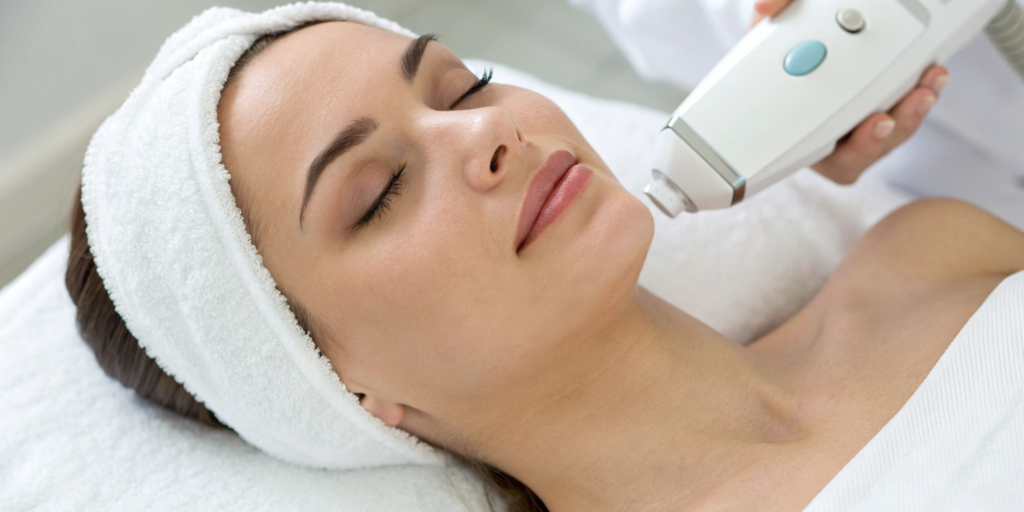
First, your provider will thoroughly cleanse your skin to remove any oils or makeup. This ensures the chemical solution can work as effectively as possible. Next, they will carefully apply the peel solution—often containing glycolic or salicylic acid—to the treatment area. You might feel a slight tingling or warming sensation as the solution gets to work, which is totally normal. A light chemical peel is designed to remove the outermost layer of your skin, the epidermis, revealing the healthier-looking skin underneath. After a few minutes, your provider will neutralize and remove the peel, finishing with a soothing moisturizer and, most importantly, sunscreen. The entire appointment is usually quick and simple, making it an easy addition to your skincare regimen.
Your Recovery and Downtime
One of the best things about a light chemical peel is the minimal downtime. Immediately after your treatment, you can expect some redness and a tight feeling, similar to a mild sunburn. Over the next few days, you might experience some light flaking, stinging, or irritation as your skin exfoliates. These side effects are temporary and typically improve after you’ve had a few treatments. Most people feel comfortable returning to their normal activities right away, and you can usually wear makeup the day after your peel. Your skin will likely feel a bit dry and sensitive for about a week, so keeping it hydrated is key for a smooth recovery and effective facial rejuvenation.
Aftercare and Associated Costs
Proper aftercare is essential for protecting your fresh, new skin and ensuring you get the best results. The single most important step is applying a broad-spectrum sunscreen every single day. Your skin will be more sensitive to the sun after a peel, and diligent sun protection helps prevent new spots or hyperpigmentation from forming. When you invest in a chemical peel, you’re paying for more than just the product; the cost covers your provider’s expertise, a safe procedure, and the guidance you receive afterward. Following their specific aftercare instructions, which will likely include using gentle cleansers and rich moisturizers, is a crucial part of your overall wellness journey.
What Results Can You Expect?
A light chemical peel is all about revealing brighter, smoother, and more radiant skin. Think of it as a powerful reset button for your complexion. While you won’t walk out looking like a completely different person—these are gentle, after all—you can expect a noticeable improvement in your skin’s overall appearance. The primary goal is to address surface-level concerns like dullness, minor discoloration, and rough texture. It’s an excellent way to refresh your skin without the significant downtime of more intensive procedures.
The results are cumulative, meaning your skin will look better with each session. It’s a marathon, not a sprint. A single peel can give you a temporary glow, making it perfect before a special event. However, a series of treatments is where you’ll see more significant and lasting changes. We work with you to develop a personalized plan that aligns with your specific skin goals, whether you’re looking to manage acne, reduce the appearance of fine lines, or simply maintain a healthy complexion. Our approach to skin treatments ensures your peel is tailored to what your skin truly needs, helping you achieve a clear and vibrant look that feels authentic to you.
When You’ll See Improvements
Patience is key, but you won’t have to wait long to see the initial effects. Most people notice a brighter, more refreshed look within a few days of their first light chemical peel, once any minor redness or flaking has subsided. This immediate “glow” is what gets so many people hooked.
For more substantial changes, like a visible reduction in dark spots or smoother skin texture, you’ll want to stick to a consistent treatment schedule. Light peels can typically be performed every four weeks. This regular cadence allows your skin to heal and regenerate between appointments, building upon the results of the previous session. Over a series of three to six peels, you’ll see a gradual but definite improvement in your skin’s clarity and tone.
Long-Term Skin Benefits
Think of light chemical peels as an investment in your skin’s long-term health. Beyond the immediate glow, consistent treatments offer lasting benefits that help maintain a youthful appearance. Regular peels can significantly improve skin tone and texture, making your complexion smoother and more even. They are fantastic for minimizing the appearance of sun damage, fine lines, and persistent dark spots.
One of the best long-term advantages is that chemical peels stimulate collagen production. Collagen is the protein that keeps your skin firm and elastic, and supporting its production helps your skin stay resilient against signs of aging. By incorporating peels into your routine, you’re actively supporting your skin’s structure for years to come. It’s a core part of any effective facial rejuvenation and anti-aging strategy.
Factors That Impact Your Outcome
The results you get from a light chemical peel depend on a few key factors. First, the expertise of your provider is crucial. Having an experienced, physician-led team ensures the peel is applied correctly and safely for optimal results. The specific peel solution used also matters; different acids and formulations target different concerns, from acne to pigmentation.
Your own skin type and condition play a big role, as does your commitment to aftercare. Following post-peel instructions diligently will protect your skin, prevent complications, and enhance your results. At your consultation, we’ll discuss all of these variables to create a treatment plan that gives you the best possible outcome for your unique skin concerns.
How to Choose the Right Provider
Finding the right person to perform your chemical peel is just as important as choosing the peel itself. This is your skin we’re talking about, and you deserve to be in the hands of someone who is skilled, knowledgeable, and makes you feel completely at ease. The right provider won’t just apply the solution; they’ll act as your guide, personalizing the treatment to your unique skin goals and ensuring you feel confident every step of the way.
A great aesthetic professional will take the time to understand your skin history, listen to your concerns, and create a plan that aligns with your expectations. They should be transparent about the process, the costs, and what you can expect during and after your treatment. Think of your consultation as a two-way interview. While they’re assessing your skin, you should be assessing their expertise and approach to care. A physician-led clinic ensures you’re receiving care that meets the highest medical standards, giving you peace of mind that you’re in a safe, professional environment.
Questions to Ask at Your Consultation
Your consultation is the perfect time to get all your questions answered. Don’t be shy—a good provider will welcome your curiosity because it shows you’re an engaged and informed client. Before committing to a treatment, you should always have a consultation with a qualified provider to figure out the best peel for your skin and get an accurate cost estimate.
Here are a few key questions to have in your back pocket:
- Based on my skin type and concerns, which chemical peel do you recommend and why?
- What kind of results can I realistically expect, and how many sessions will I need to achieve them?
- Can you walk me through the aftercare process?
- Do you have before-and-after photos of previous clients with similar skin concerns?
- What is the total cost for the recommended treatment plan?
What Credentials to Look For
When it comes to your skin, credentials matter. You want to find a provider with the right training, a wealth of experience, and a track record of happy clients. Look for practitioners with proper certifications, like a board-certified dermatologist or a licensed aesthetician working under physician supervision. This ensures they have a deep understanding of skin anatomy and treatment protocols.
Check out online reviews and testimonials to get a sense of other people’s experiences. Do clients feel heard, respected, and happy with their results? A provider’s experience is crucial. Ask how many chemical peels they perform and how long they’ve been offering the service. Remember, light chemical peels are safe and effective skin treatments when performed by a certified, experienced professional.
Red Flags to Watch Out For
Trust your gut. If something feels off during your consultation, it probably is. A few red flags should prompt you to walk away and find another provider. Be wary of anyone who rushes through your appointment, pressures you into making a quick decision, or seems to dismiss your concerns.
A major red flag is a provider who doesn’t ask about your medical history, current medications, or skincare routine. This information is critical for a safe and effective treatment. Also, be cautious if a provider insists that heavy, visible peeling is the only sign of a successful peel. Peeling is just a potential side effect, not the ultimate goal—the real magic is happening at a cellular level to reveal healthier skin.
Are There Any Hidden Costs?
When you’re planning for a light chemical peel, it’s smart to think beyond the price of the procedure itself. The total investment in your skin includes a few other key components that ensure you get the beautiful, lasting results you’re looking for. Think of it less as “hidden costs” and more as a complete plan for your skin’s success. Properly preparing your skin beforehand and caring for it afterward are just as important as the peel itself. Let’s break down what you should factor into your budget so there are no surprises along the way.
Pre-Treatment Skincare
To get the most out of your chemical peel, your skin needs to be ready. Proper preparation helps the peel work more effectively and minimizes the risk of complications. Your provider will likely recommend a specific skincare regimen in the weeks leading up to your appointment. This might include cleansers, serums, or retinoids designed to prime your skin for the treatment. While these products are an additional expense, they are a crucial step in achieving a safe and stunning outcome for your skin concerns.
Post-Treatment Products
After your peel, your skin will be sensitive and in the process of healing. Following a dedicated aftercare routine is non-negotiable for protecting this fresh layer of skin and ensuring optimal results. Your budget should account for gentle cleansers, potent moisturizers, and, most importantly, a high-SPF sunscreen. Your provider will guide you on exactly what your skin needs. Investing in these recommended products helps soothe your skin, speed up recovery, and maintain that post-peel glow as part of your overall facial rejuvenation plan.
Understanding Insurance Coverage
It’s important to know that most health insurance plans do not cover chemical peels. Because they are typically considered cosmetic procedures, you should plan for the cost to be an out-of-pocket expense. In very rare instances, a peel might be deemed medically necessary—for example, to treat precancerous spots. Even in these situations, you would need to get pre-approval from your insurance company, which can be a lengthy process. For most people seeking a peel for aesthetic improvements, it’s best to assume insurance won’t contribute to the cost.
How to Prepare for Your Peel
The success of your chemical peel isn’t just about what happens in the treatment room—it starts with how you prepare beforehand. Proper prep work ensures your skin is ready for the treatment, leading to a smoother recovery and more radiant results. Think of it as setting the foundation for that healthy glow you’re after. By taking a few simple steps, you can minimize irritation and help your provider achieve the best possible outcome for your skin.
Adjusting Your Skincare Routine
Getting your skin ready is a key first step. About a week before your appointment, you’ll want to press pause on certain products. This means avoiding harsh exfoliants, retinoids, and any waxing or hair removal on the area being treated. Your skin needs to be calm and non-irritated. Sun protection is also crucial; try to stay out of direct sun for at least 10 days and be diligent with your SPF. This helps prevent pigmentation issues. The goal is to arrive with a healthy, resilient canvas for your provider.
Planning Your Consultation
Your consultation is where your personalized plan comes to life. This is your dedicated time to connect with a qualified provider about your skin concerns and goals. Be ready to talk openly about your current routine and share your full medical history, including any medications you take, as some can affect your skin’s sensitivity. This is the perfect opportunity to ask questions and get a clear understanding of the specific facial rejuvenation plan recommended for you, including an accurate cost estimate. A thorough consultation ensures the peel is tailored perfectly to your needs.
Scheduling for the Best Results
Timing is everything, both for your appointment and your overall treatment plan. Light chemical peels deliver the best results when performed in a series. Most people need between three and six sessions, typically scheduled about four weeks apart, to see their desired outcome for concerns like fine lines or uneven tone. When booking, consider your social calendar. While a light peel has minimal downtime, you might have mild redness for a day or two. Scheduling it when you have breathing room can make the recovery process feel completely stress-free while you get the best skin treatments.
Related Articles
- How Much Does a Chemical Peel Cost at a Dermatologist?
- Does Insurance Cover Chemical Peels? What to Know
- Laser Skin Resurfacing: What to Expect & Recovery
Frequently Asked Questions
Does a light chemical peel hurt? Most people describe the feeling as a slight tingling or warming sensation while the peel is on their skin, not as a painful experience. Think of it as a sign that the active ingredients are getting to work. The sensation is temporary and subsides as soon as the peel is neutralized. Your provider will make sure you are comfortable throughout the entire process.
Am I a good candidate for a light chemical peel? Light chemical peels are a great option for many people, especially if you are new to professional skin treatments or want to address concerns like dullness, uneven texture, fine lines, or mild acne. The best way to know for sure is to schedule a consultation. A qualified provider can assess your skin, discuss your goals, and confirm if a light peel is the right starting point for you.
How is this different from the peels I can buy online or at a store? The main differences are strength, safety, and personalization. The peels used in a professional, physician-led setting contain higher-grade ingredients at concentrations that are much more effective than anything available for at-home use. A trained provider knows exactly how to apply these solutions to give you powerful results safely, tailoring the treatment specifically to your skin’s needs.
Can I get a light chemical peel if I have a big event coming up? Absolutely, a light peel is a fantastic way to get a fresh glow before an event. However, timing is key. We recommend scheduling your appointment at least one to two weeks before your special occasion. This gives your skin plenty of time to move past any initial redness or light flaking, ensuring your complexion is smooth, bright, and ready for the spotlight.
Can I combine a light chemical peel with other treatments like Botox or fillers? Yes, light chemical peels are often a key part of a larger facial rejuvenation plan that might include injectables. Peels work on the surface of your skin to improve tone and texture, while treatments like Botox and fillers work on the muscles and volume underneath. Your provider will help you create a smart treatment schedule, ensuring there is enough time between appointments for safe and beautiful results.