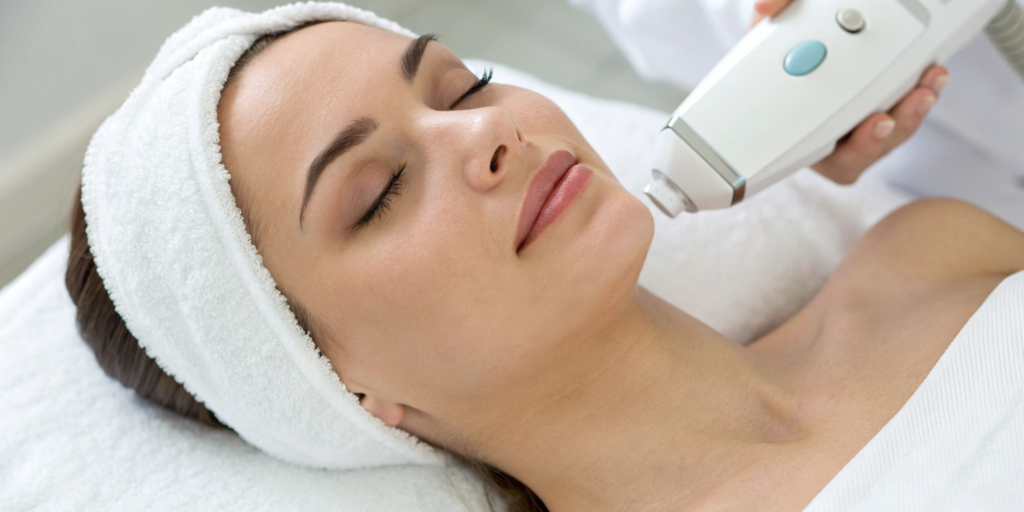
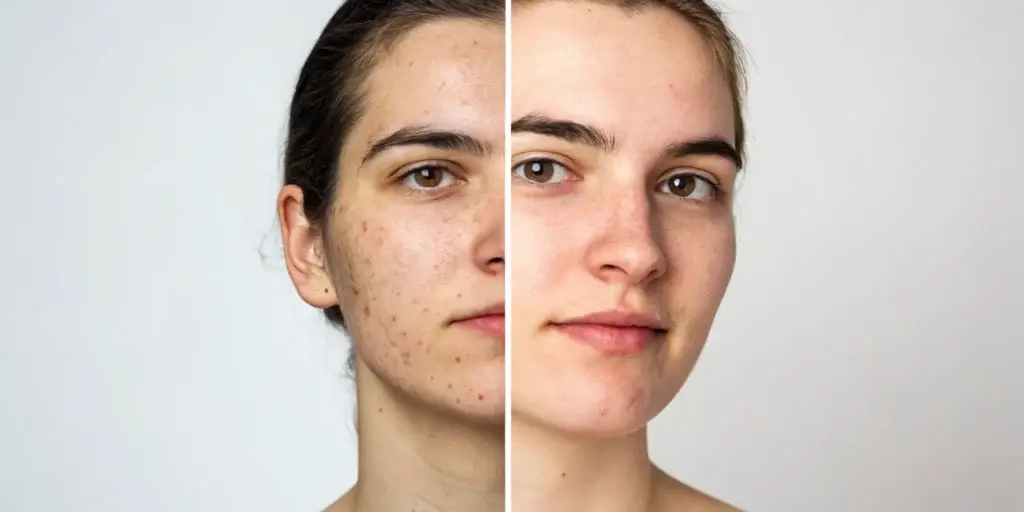
If you’ve spent countless hours and dollars on skincare products that promise to erase acne scars with little success, you’re not alone. While a great at-home routine is important, some concerns, like pitted texture and deep discoloration, require a more powerful approach. A chemical peel is a professional-grade treatment that works on a level that topical products simply can’t reach. It actively removes damaged skin cells and stimulates your body’s natural collagen production to smooth and rebuild the skin. The impressive chemical peel for acne scars before and after results you’ve likely searched for are a testament to what’s possible with a targeted, clinical treatment plan.
Key Takeaways
- Set Realistic Expectations for Your Scars: Chemical peels are highly effective for smoothing shallow scars and fading post-acne discoloration. While they can soften the appearance of deeper scars, their primary strength is improving overall skin texture, not complete removal.
- Embrace the Full Treatment Journey: A series of peels, not just one, creates the most significant and lasting improvements for acne scars. Your commitment to post-peel care, particularly daily sun protection, is essential for protecting your investment and ensuring beautiful results.
- Prioritize a Professional, Custom Plan: The success of your peel depends on a plan tailored to your unique skin. A professional consultation is critical for determining the right peel strength and treatment schedule to safely and effectively meet your goals.
How Do Chemical Peels Treat Acne Scars?
Chemical peels are one of the most effective ways to address acne scars because they work by resurfacing the skin from the outside in. Think of it as a controlled refresh for your complexion. By applying a specialized acid solution, the peel removes the damaged, outermost layers of skin, encouraging fresh, new cells to take their place. This process not only helps smooth out the texture left by old breakouts but also fades the discoloration that often comes with them. It’s a targeted treatment that helps your skin rebuild itself, smoother and clearer than before.
How Peels Smooth and Resurface Skin
At its core, a chemical peel uses a carefully selected acid solution to exfoliate your skin on a deeper level than you can achieve at home. This solution works to dissolve the bonds holding dead, damaged skin cells to the surface. As these outer layers are gently shed, the process triggers your body’s natural healing response. This stimulates the production of new collagen, the protein responsible for your skin’s structure and firmness. The result is smoother, more even-toned skin with a visible reduction in the bumpy texture and discoloration of shallow acne scars. It’s a powerful way to manage various skin and acne concerns.
Choosing Your Peel Strength: Superficial, Medium, or Deep
Not all chemical peels are created equal, and the right one for you depends entirely on your skin goals and the type of scarring you have. We categorize them by strength:
- Superficial Peels: These are the gentlest option, working on the very top layer of skin. They’re great for mild discoloration and giving your skin a quick refresh with minimal downtime, usually just a day or two of light flaking.
- Medium Peels: These go a bit deeper to target moderate scars and more noticeable sun damage. You can expect a few days of peeling, but the results are more significant.
- Deep Peels: Reserved for severe, deep-set scars, these peels offer the most dramatic facial rejuvenation but require a longer recovery period.
Your Step-by-Step Chemical Peel Timeline
Knowing what to expect before, during, and after your chemical peel can make the entire experience feel more comfortable and empowering. The process is a journey, and understanding each phase helps you prepare properly and care for your skin as it heals. From pre-appointment prep to the first 24 hours of recovery, here’s a clear timeline of what your treatment will look like.
Before Your Appointment: How to Prep Your Skin
Proper preparation is key to getting the best results from your peel. About a week before your appointment, you’ll need to pause your use of certain skincare products, including retinoids, exfoliants, and any acids like AHAs or BHAs. In the two days leading up to your treatment, avoid direct sun exposure. Your main job is to keep your skin hydrated and happy, so focus on gentle cleansers and moisturizers. Following these simple steps ensures your skin is in the ideal condition for one of our skin and acne treatments and ready to respond beautifully to the peel.
During the Treatment: What to Expect
Once you’re settled in for your appointment, your provider will cleanse your skin and apply the chemical solution. As the peel begins to work, it’s normal to feel a warm or stinging sensation on your skin. This feeling is temporary, usually lasting just a few minutes, and it’s a sign that the peel is actively exfoliating the outer layers of skin. Your provider will be with you the entire time, monitoring your skin’s response and ensuring you remain comfortable throughout the process. Think of it as a few minutes of activity for a major skin refresh.
After the Peel: The First 24 Hours
Immediately after your peel, your skin will likely look and feel like it has a mild sunburn. Redness, tightness, and a dry feeling are all completely normal. You might also notice some slight swelling, especially around the eyes. Your skin may feel a bit tender, warm, or tingly, which just means the peel is doing its job. This initial phase is the start of your skin’s renewal process. It’s the first step in the journey toward the smoother, clearer complexion that our facial rejuvenation treatments are designed to deliver.
What Does the Healing Process Look Like?
After your chemical peel, your skin begins a natural renewal process. Knowing what to expect each step of the way can make the healing journey feel much more comfortable and exciting. The timeline can vary slightly depending on the strength of your peel and your individual skin type, but here’s a general guide to what your recovery will look like. Remember, this is a journey of transformation, and each phase brings you closer to clearer, healthier skin.
Days 2-7: Managing the Peeling Phase
This is when the renewal process becomes visible. Your skin will likely feel tight and look dry, flaky, and possibly a bit uneven. This is a normal and expected part of the process, not a problem. You’ll notice your skin starting to visibly flake and peel, often beginning around your mouth, nose, and chin. The top layer might even look a little darker before it sheds. The most important rule during this phase is to be gentle. Avoid picking or scrubbing at the peeling skin, as this can lead to irritation or scarring. Your focus should be on keeping your skin hydrated and protected as it prepares to reveal a fresh layer. Our team provides detailed aftercare instructions to support your skin through this transition.
Weeks 2-4: Revealing Brighter, Smoother Skin
Once the peeling phase is complete, you get the first real glimpse of your fresh, new skin. This is often the most exciting part of the initial healing process. Your complexion will look noticeably brighter, feel smoother to the touch, and appear more even in tone. Dark spots left behind by old breakouts will begin to fade, and fine lines may soften. This is the stage where the benefits of the peel really start to shine through, giving you a clear idea of the progress you’ve made. This initial glow is a great preview of the cumulative results you can achieve with a full facial rejuvenation plan.
Month 2+: Seeing Your Final Results
The improvements don’t stop after the first month. In fact, this is when you’ll often see the most significant changes, especially if you’re undergoing a series of peels. As your skin continues its healing cycle, it ramps up collagen production, which helps improve firmness and elasticity. You’ll notice that your skin feels smoother and more resilient. Deeper acne scars and stubborn dark spots will continue to lighten over the following months. The results are progressive, meaning your skin’s texture and clarity will keep getting better with time and consistent care. This long-term improvement is what makes chemical peels such an effective treatment for lasting confidence.
What Results Can You Realistically Expect?
It’s important to have a clear picture of what a chemical peel can and can’t do for your acne scars. While this treatment can create dramatic improvements in your skin’s appearance, the goal is progress, not perfection. The final outcome depends on several factors, including the type and depth of your scars, the strength of the peel used, and your commitment to a series of treatments.
A chemical peel works by removing damaged outer layers of skin to reveal the healthier, smoother skin underneath. This process is fantastic for addressing surface-level concerns. Think of it as a powerful reset button for your complexion. Over a series of treatments, you can expect to see significant changes in skin texture, a reduction in discoloration, and an overall brighter, more even-toned appearance. However, it’s also key to understand where peels have their limits, especially when it comes to deeper, more established scarring. Let’s get into the specifics of what you can look forward to.
Smoothing Shallow Scars and Uneven Texture
If you’re dealing with shallow, rolling scars or a generally uneven, bumpy skin texture left behind by acne, a chemical peel can make a noticeable difference. By lifting away the outermost layer of skin, the treatment encourages your body’s natural healing process. This stimulates the production of new collagen, which helps to plump and rebuild the skin from within.
The result is a smoother, softer surface. As one study notes, chemical peels can improve acne scars by “making skin smoother and less bumpy.” With each session, you’ll find that those gentle indentations become less defined and your skin’s overall texture feels more refined. It’s an effective way to smooth out the landscape of your skin for a clearer complexion.
Fading Post-Acne Marks and Discoloration
One of the most frustrating parts of a breakout is the stubborn red or brown spots that linger long after the pimple is gone. This is called post-inflammatory hyperpigmentation (PIH), and it’s an area where chemical peels truly shine. The acids in the peel solution work to break up and lift away the excess pigment that causes these dark marks.
Chemical peels are known to effectively reduce hyperpigmentation and discoloration associated with acne. While you’ll see some initial brightening, the best results develop over time. As your skin continues to regenerate and produce new collagen after the treatment, you’ll notice those dark spots fade more and more. Patience is key, as your skin gradually reveals a more even and radiant tone.
Why Peels Improve, Not Erase, Deeper Scars
It’s crucial to set realistic expectations for deeper acne scars, such as ice pick or boxcar scars. These types of scars are rooted deep within the skin’s dermal layers, and a surface-level treatment like a chemical peel can only do so much. While a series of medium or deep peels can soften the edges of these scars and make them less noticeable, they “might not completely remove deep or severe scars.”
Think of it as softening a shadow rather than removing the object casting it. For more significant textural changes, a peel is often best used as part of a larger strategy. Your provider might suggest combining it with other treatments, like microneedling or laser therapy, to achieve the best possible outcome for your unique skin concerns.
How Many Sessions Will You Need?
So, how many chemical peels will it take to see a real difference in your acne scars? While it would be amazing to get instant results from a single appointment, the truth is that chemical peels work best as a series. The exact number of sessions you’ll need depends on your unique skin, the type of scarring you have, and your ultimate goals. Think of it less like a one-time fix and more like a strategic treatment plan designed to progressively reveal smoother, clearer skin over time. This approach ensures your skin heals properly while delivering the most effective and lasting results.
Why a Series of Peels Delivers Better Results
When it comes to treating acne scars, consistency is key. A single peel can certainly leave your skin feeling refreshed, but the most significant and lasting changes come from a series of treatments. Each session builds on the results of the one before it, allowing for a cumulative effect that gradually improves skin texture and fades discoloration. Most skincare experts suggest a course of three to six peels to achieve the best outcome. This approach gives your skin the repeated stimulation it needs to remodel collagen and smooth out imperfections from acne. We create a customized treatment plan that works for your specific skin concerns.
Planning Your Personalized Treatment Schedule
Your treatment schedule will be tailored specifically to you. During your consultation, we’ll assess your skin and map out a plan. Generally, peels are scheduled about two to four weeks apart. This interval is crucial because it gives your skin enough time to fully heal and regenerate between appointments, ensuring you get the maximum benefit from every session. While you’ll likely notice improvements along the way, the most dramatic results typically become visible after you’ve completed your recommended series. Patience is part of the process, but it’s a journey toward the healthier, more radiant skin you’re looking for in our facial rejuvenation services.
Your Essential Post-Peel Aftercare Plan
The chemical peel itself is only half the story. How you care for your skin in the days and weeks following your treatment is critical for achieving those smooth, clear results you’re looking for. Proper aftercare helps your skin heal correctly, minimizes the risk of complications like infection or hyperpigmentation, and ensures you get the maximum benefit from your peel. Think of this phase as protecting your investment. By following a simple but consistent plan, you’ll help your fresh, new skin emerge beautifully and stay healthy for the long haul.
The Right Skincare Routine for Healing Skin
For the first week, your mantra should be “gentle and simple.” Your skin is working hard to regenerate, so you need to support it without causing irritation. Swap your usual cleansers and exfoliants for a mild, soap-free wash and lukewarm water. After cleansing, pat your skin dry (no rubbing!) and apply a neutral, hydrating moisturizer to keep it from feeling tight. It’s completely normal to see flaking, but resist the urge to pick or scrub at it. Let your skin shed on its own timeline. You’ll also want to pause any products with active ingredients like retinoids, vitamin C, or other acids until your provider gives you the green light.
Sun Protection: Your Most Important Step
If you take away only one piece of advice, let it be this: protect your new skin from the sun. The fresh skin revealed by a peel is incredibly sensitive to UV radiation, and even a small amount of sun exposure can lead to new discoloration, undoing your results. Make a broad-spectrum sunscreen of SPF 30 or higher your best friend. Apply it generously every morning, even if you’re staying inside, as UVA rays can pass through windows. If you’re outdoors, reapply every two hours and consider wearing a wide-brimmed hat for extra defense. This diligence is key to maintaining the beautiful outcome of your facial rejuvenation treatment.
Is a Chemical Peel Right for Your Scars?
A chemical peel can be a fantastic tool for improving skin texture and tone, but it’s important to know if it’s the right fit for your specific goals. The best way to find out is through a professional consultation, but understanding who benefits most can help you decide if it’s a path you want to explore. Your skin type, the kind of scarring you have, and your overall skin health all play a role in determining if a peel will give you the results you’re looking for.
Who Makes a Good Candidate for a Peel?
You might be a great candidate for a chemical peel if you’re looking to address more than just one concern. Peels are excellent for treating shallow acne scars, making the skin’s surface smoother and less bumpy. They also work well for fading the dark spots left behind by old breakouts. Beyond scarring, peels can significantly improve visible sun damage, soften fine lines, and make large pores appear smaller. If you feel like your regular skincare routine isn’t making a dent in stubborn blemishes or uneven texture, a chemical peel could be the professional treatment that finally makes a difference for your skin concerns.
When to Combine Peels with Other Treatments
While a chemical peel is powerful on its own, sometimes combining it with other treatments delivers the most dramatic transformation. For even better results, a peel can be part of a comprehensive plan that includes medical-grade skincare or other procedures like microneedling. This approach allows us to address skin concerns from multiple angles. If your scars are particularly deep or pitted, a chemical peel might improve them, but another treatment could be more effective. In these cases, we might suggest options like laser resurfacing or dermal fillers as part of your personalized facial rejuvenation plan. The key is to find the right combination that targets your specific type of scarring.
Why Choose a Physician-Led Clinic for Your Peel?
When it comes to chemical peels, who performs your treatment matters just as much as the peel itself. Opting for a physician-led clinic ensures you have a board-certified expert overseeing your care. This is crucial because a professional assessment guarantees you receive the right peel for your specific skin concerns, minimizing risks and leading to safer, more predictable results. At a physician-led practice, the team has a deep understanding of skin anatomy and the chemical agents being used. This expertise allows them to manage your treatment from start to finish, providing medical-grade care that you simply can’t find at a standard spa. It’s the best way to ensure your journey to smoother skin is both effective and handled with the highest standard of safety.
The Importance of a Personalized Treatment Plan
Your skin is unique, so your treatment plan should be, too. The best type of chemical peel for you depends entirely on your skin type, the severity of your acne scars, and your overall skin health. A physician-led team will conduct a thorough skin analysis to create a personalized strategy. This plan outlines the ideal peel strength, the number of sessions you’ll need (most people see the best results with a series of three to six peels), and the right spacing between appointments. This tailored approach is designed to give you gradual, lasting improvements without overwhelming your skin, making it a core part of our skin, acne, and pigment treatments.
Questions to Ask at Your San Diego Consultation
Feeling prepared for your consultation can make all the difference. This is your opportunity to partner with your provider and get clear on the process. Don’t hesitate to ask questions to make sure the treatment plan feels right for you.
Here are a few key questions to bring to your appointment:
- What type of chemical peel do you recommend for my specific scars and skin type?
- How many sessions will I likely need to see the results I want?
- What does the recovery process look like, and how much downtime should I expect?
- How should I adjust my at-home skincare routine before and after the peel?
A great provider will welcome your questions and give you detailed answers that help you feel confident about your facial rejuvenation plan.
Related Articles
- 4 Best Chemical Peels for Acne Scars: Derm Guide
- Medium Depth Chemical Peel for Acne Scars: Is It for You?
- Finding the Best Chemical Peel for Deep Acne Scars
- The 3 Best Chemical Peels for Acne Scars & Dark Spots
Frequently Asked Questions
Does a chemical peel hurt? It’s normal to feel some activity on your skin during the treatment, but most people don’t describe it as painful. You can expect a temporary stinging or warm sensation for a few minutes after the solution is applied. This feeling is a sign that the peel is working to exfoliate your skin, and your provider will monitor you closely to ensure you’re comfortable the entire time.
How much downtime should I realistically plan for? The amount of downtime depends on the strength of your peel. For a superficial peel, you might just have some light flaking for a day or two. With a medium-depth peel, you should plan for about three to seven days of more noticeable peeling and redness. During this time, you can typically go about your daily activities, but your skin will be visibly healing.
Will a chemical peel completely get rid of my deep acne scars? It’s important to have realistic expectations. Chemical peels are excellent for smoothing shallow scars and fading discoloration. For deeper, pitted scars like ice pick or boxcar scars, a peel can soften their appearance and make them less noticeable, but it likely won’t erase them completely. Often, the best approach for deep scars involves combining peels with other treatments.
Why do I need a series of peels instead of just one? Think of it like a workout plan for your skin. One session can give you a nice glow, but real, lasting change in skin texture and scarring comes from consistency. Each peel builds on the progress of the last, stimulating collagen production over time to gradually smooth and rebuild the skin. A series of treatments ensures a more significant and durable result.
What is the single most important thing I need to do after my peel? Sun protection is non-negotiable. The new skin that emerges after a peel is extremely sensitive to UV damage, and sun exposure can easily cause new dark spots, reversing your progress. You must be diligent about applying a broad-spectrum SPF 30 or higher every single day, even if you’re indoors, to protect your investment and maintain your results.