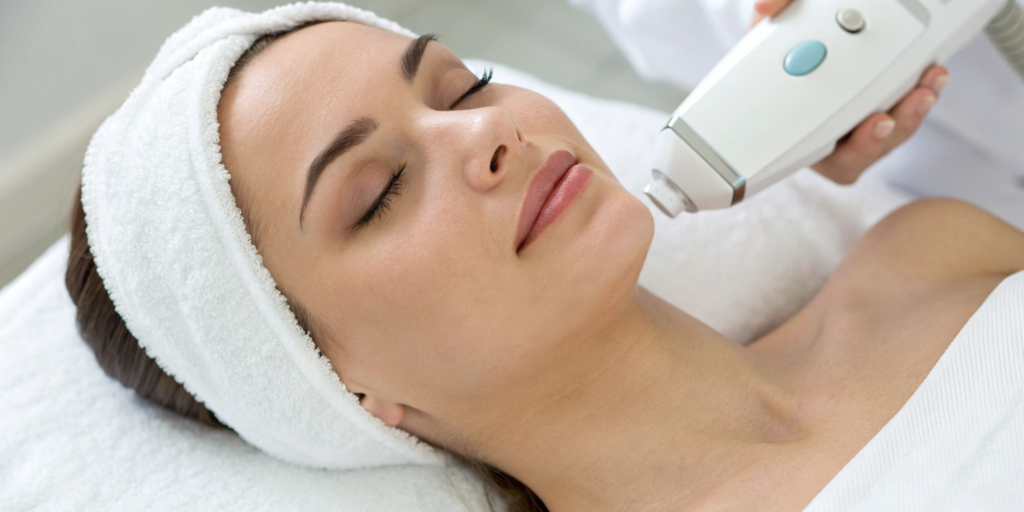

When you think of a chemical peel, you might picture a spa day focused on achieving a perfect glow. While they are fantastic for facial rejuvenation, these treatments have a serious medical side, too. At a physician-led clinic like ours, we use peels to address significant health concerns, including precancerous spots and severe, persistent acne that hasn’t responded to other therapies. This medical application naturally leads to an important financial question: does insurance cover chemical peels when they are prescribed by a doctor? The answer hinges on proving the procedure is medically necessary, not just cosmetic. In this article, we’ll break down which skin conditions are most likely to qualify for coverage and explain the documentation you’ll need to provide your insurer.
Key Takeaways
- Focus on the ‘Why’ for Coverage: Insurance companies draw a clear line between cosmetic wants and medical needs. Coverage for a chemical peel is possible only when it’s prescribed to treat a diagnosed health issue, like precancerous spots or severe acne, not for general anti-aging.
- Confirm Your Benefits Before You Commit: Avoid unexpected costs by calling your insurance provider directly. Ask if the treatment is covered for your specific diagnosis, what documentation is needed, and if your chosen clinic is in-network to get the most from your plan.
- A ‘No’ from Insurance Isn’t the Final Word: If your claim is denied, you still have options. Talk to your clinic about payment plans, financing, or using pre-tax funds from an HSA or FSA to make the treatment affordable.
What Exactly Is a Chemical Peel?
If you’ve ever felt like your skin needs a total reset, a chemical peel might be what you’re looking for. Think of it as a powerful, professional-grade exfoliation treatment. A chemical peel uses a special liquid to remove the outermost, damaged layers of your skin. This process encourages your skin to regenerate, revealing a fresh, new layer that’s smoother, brighter, and more even-toned.
It’s a go-to treatment for a reason. By sloughing away dead skin cells and stimulating new cell growth, peels can dramatically improve your skin’s texture and appearance. Whether you’re dealing with lingering acne scars, stubborn sun spots, or fine lines that have started to set in, there’s likely a peel that can help. At RewindMD, we use them to address a wide range of skin, acne, and pigment concerns. The key is understanding that not all peels are created equal—they come in different strengths, each designed to target specific issues at different depths.
The Different Types of Peels
Chemical peels aren’t a one-size-fits-all solution. They are generally categorized into three levels of intensity, depending on your skin goals and how much downtime you’re comfortable with.
- Light Peel: Often called the “lunchtime peel,” this is the gentlest option. It removes only the very top layer of skin (the epidermis) and is perfect for tackling fine wrinkles, mild acne, and uneven skin color. There’s minimal downtime, making it easy to fit into a busy schedule.
- Medium Peel: This peel goes a little deeper, removing the top layer and the upper part of the middle skin layer. It’s a great choice for addressing more moderate skin discoloration, age spots, and acne scars.
- Deep Peel: As the name suggests, this is the most intensive peel, penetrating to the lower-middle layer of your skin. It’s reserved for more significant concerns like deep-set wrinkles, extensive sun damage, and even some precancerous growths.
How Peels Can Improve Your Skin
The real magic of a chemical peel lies in the results. By promoting skin turnover, this treatment can address a whole host of common complaints. The anti-aging benefits are a major draw for many, but the improvements go far beyond just wrinkles.
According to the Cleveland Clinic, chemical peels are effective for treating:
- Fine lines and wrinkles, especially those around the eyes and mouth.
- Certain types of acne and mild scarring.
- Sun spots, age spots, freckles, and other forms of uneven skin pigmentation.
- Precancerous spots known as actinic keratosis.
Essentially, a peel helps clear away the damage your skin has accumulated over time, giving you a smoother, clearer, and more youthful-looking complexion.
Will Insurance Cover My Chemical Peel?
It’s one of the most common questions we get, and for good reason. You want to invest in your skin’s health, but you also need to be practical about the cost. When it comes to chemical peels, the answer to whether insurance will cover it is almost always: it depends. The deciding factor comes down to a single, crucial distinction—is the treatment cosmetic or medically necessary?
Understanding this difference is the first step in figuring out your potential coverage. While insurance providers are not in the business of covering treatments purely for aesthetic improvement, they do cover procedures required to treat a diagnosed medical condition. Your provider’s diagnosis, the specific type of peel, and your insurance plan’s fine print will all play a role. Let’s break down what that means for you.
Cosmetic vs. Medically Necessary: What’s the Difference?
From an insurance company’s perspective, there’s a hard line between cosmetic and medically necessary procedures. A cosmetic treatment is one you choose to have to improve your appearance—think reducing fine lines, evening out skin tone, or minimizing sun spots. These are almost never covered by insurance.
A medically necessary treatment, on the other hand, is prescribed by a physician to treat a diagnosed medical problem. For chemical peels, this could include treating precancerous growths (actinic keratoses) or managing severe, persistent acne that hasn’t responded to other therapies. If the primary goal is to resolve a health issue, you have a much stronger case for coverage.
What Most Insurance Plans Say About Peels
Most insurance plans automatically classify chemical peels as a cosmetic exclusion, meaning they won’t cover them. It’s often listed right alongside other aesthetic treatments in your policy documents. However, this isn’t always the final word. If your physician can provide clear documentation that the peel is the most appropriate treatment for a medical diagnosis, some plans will consider making an exception.
Coverage varies dramatically between providers and even between different plans from the same company. That’s why it’s so important to never assume. Procedures that are part of a general facial rejuvenation plan are typically paid for out-of-pocket, but a peel for a specific medical issue might be eligible.
What Determines If Your Peel Is Covered?
So, how do insurance companies draw the line between a covered treatment and one you’ll have to pay for yourself? It really comes down to a few key factors that prove your chemical peel is more than just a cosmetic touch-up. Getting coverage isn’t just about having a specific diagnosis; it’s about clearly demonstrating why the procedure is essential for your health. Think of it as building a case for your care. Your provider’s diagnosis, your treatment history, and direct communication with your insurer all play a huge role. Let’s walk through what you’ll need to have in order.
Proving Your Peel Is Medically Necessary
The single most important factor for insurance coverage is whether your chemical peel is deemed “medically necessary.” Insurers typically draw a hard line between cosmetic treatments and medical procedures. A peel to reduce fine lines, mild sun damage, or simply to refresh your complexion will almost always be considered cosmetic. However, if the peel is intended to treat a diagnosed medical issue, you have a much stronger case. Conditions like severe acne, precancerous growths (actinic keratoses), or certain types of hyperpigmentation may qualify. The goal is to show that the treatment addresses a health problem, not just an aesthetic preference for your skin concerns.
The Importance of Proper Documentation
A diagnosis alone often isn’t enough. Insurance companies need a well-documented medical history to support the claim. This is where a great physician-led clinic makes all the difference. Your provider will need to create a detailed record of your condition, including photos, notes on its severity, and a history of other treatments you’ve tried that were unsuccessful. For example, some plans require you to try topical creams or oral medications before they will approve a chemical peel for acne. This paper trail is crucial evidence that the peel is a necessary and logical next step in your treatment plan, not just a first resort.
Getting Pre-Authorization from Your Insurer
Never assume your procedure will be covered. The best way to avoid a surprise bill is to get pre-authorization from your insurance company before your appointment. This means contacting them directly to confirm your benefits. Start by reviewing your plan’s Summary of Benefits and Coverage (SBC), which is often available online. Then, call the member services number on your insurance card and ask specifically if chemical peels are covered for your diagnosis. This proactive step allows you to understand your potential out-of-pocket costs upfront and ensures you have all the required approvals in place before moving forward with treatment.
Which Skin Conditions Might Insurance Cover?
While it’s true that most insurance plans won’t cover a chemical peel for purely cosmetic reasons—like smoothing fine lines or getting a general “glow-up”—there are specific medical conditions where coverage becomes a real possibility. The key is shifting the conversation from aesthetics to medical necessity. If a peel is prescribed as a treatment for a diagnosed skin condition that affects your health, you have a much stronger case for coverage. Insurers want to see that the procedure is intended to resolve a medical issue, not just improve your appearance. This distinction is everything when it comes to getting approval.
Think of it this way: insurance is designed to cover treatments that restore or maintain your health. So, if a skin condition is causing physical discomfort, has the potential to become more serious, or is the result of another medical issue, a chemical peel may be seen as a valid treatment. The process requires clear documentation from a physician who can diagnose the condition and justify the peel as the most appropriate course of action. It’s not about finding a loophole; it’s about ensuring you get the medical care you need for a legitimate health concern. Let’s look at a few of the skin conditions that most commonly qualify.
Severe Acne and Acne Scarring
If you’re dealing with severe or cystic acne that hasn’t responded to other treatments like topical creams or oral medications, a chemical peel might be considered a medical necessity. Insurance providers are more likely to see this as a legitimate medical treatment rather than a cosmetic one. The focus here is typically on treating active, inflammatory acne. While some severe acne scarring can also qualify, it’s often a tougher case to make. For many, getting a handle on persistent breakouts is the first step, and our acne treatments are designed to address the root cause of the problem.
Precancerous Lesions (Actinic Keratoses)
This is one of the most clear-cut cases for insurance coverage. Actinic keratoses are rough, scaly patches of skin that develop from years of sun exposure. Because they are considered precancerous, treating them is a preventive health measure, not a cosmetic choice. A chemical peel can effectively remove these damaged skin cells before they have the chance to develop into skin cancer. As one dermatology practice notes, coverage is often approved for “precancerous spots called actinic keratoses.” Your provider’s documentation will be crucial here, clearly identifying the lesions and recommending the peel as the appropriate medical treatment.
Certain Pigmentation Disorders
Some pigmentation issues go beyond simple sun spots. Conditions like melasma, which causes brown or gray-brown patches on the face, can sometimes be covered, especially when it’s triggered by hormonal changes from pregnancy or certain medications. Similarly, severe post-inflammatory hyperpigmentation (the dark spots left behind after acne or an injury) may also qualify if it’s significant and distressing. The argument for coverage often depends on the severity of the condition and its documented impact on your quality of life. A physician-led clinic can help diagnose the specific type of pigmentation issue you have and determine the best course of action.
How to Check Your Insurance Coverage
Figuring out insurance can feel complicated, but you can get clear answers by taking a few simple steps. Before you book a chemical peel for a condition like severe acne or precancerous spots, it’s essential to do a little homework. This ensures you know exactly what to expect financially and can avoid any surprise bills down the road. Here’s how to get the information you need directly from the source.
Review Your Policy Benefits
Your first stop should be your insurance policy documents. Look for a document called the “Summary of Benefits and Coverage” (SBC), which every insurance plan is required to provide. This guide breaks down what your plan covers and what you’ll pay for services. While it might not list chemical peels by name, it will give you an overview of coverage for dermatological or specialist procedures. It’s always best to check with your specific insurance company to understand your plan’s details before scheduling a treatment for issues related to skin, acne, and pigment.
Key Questions to Ask Your Insurance Provider
If your policy documents are unclear, the best next step is to call your insurance provider directly. Having a list of questions ready will help you get the most out of the conversation.
Here’s what to ask:
- Is a chemical peel covered if it’s deemed medically necessary for my specific condition?
- What specific documentation or proof of medical necessity do you require from my doctor?
- Do I need pre-authorization for this procedure, and what is that process like?
- What will my out-of-pocket costs be, including my deductible, co-pay, and co-insurance?
Being prepared with these questions helps you gather all the necessary details in one go.
Why Sticking to In-Network Providers Matters
Even if your insurance plan agrees to cover your chemical peel, where you get the treatment is just as important. You’ll want to confirm that the clinic you choose is “in-network” with your plan. In-network providers have a contract with your insurance company to offer services at a lower, pre-negotiated rate. If you go to an out-of-network provider, your insurance may cover less of the cost, or nothing at all, leaving you with a much larger bill. As one health resource explains, it’s crucial to make sure the doctor or clinic is in-network to avoid higher costs. Always ask your insurer, “Is RewindMD an in-network provider for my plan?”
Common Myths About Chemical Peel Coverage
When it comes to insurance, it’s easy to get tangled in the details. Many people assume certain things about coverage for treatments like chemical peels, only to be surprised later. Let’s clear up a few common myths so you can go into the process with a clear understanding of what to expect. Knowing the truth behind these misconceptions can save you time, frustration, and unexpected costs down the road.
Why a Medical Diagnosis Isn’t a Guarantee
One of the biggest myths is that a doctor’s diagnosis automatically means your insurance will cover the treatment. While a physician-led diagnosis for a condition like severe acne or precancerous spots is the first step, it’s not a golden ticket. Insurance companies have their own strict definitions of what is “medically necessary.” Some plans simply exclude chemical peels from their list of covered services, no matter the reason. It’s crucial to remember that insurance coverage often depends more on the specifics of your individual plan than on your doctor’s recommendation for chemical peel and skin treatments.
The Catch with Out-of-Network Providers
Let’s say you’ve done your homework and confirmed your insurance plan does cover chemical peels for your condition. That’s great news, but there’s another detail to watch for: your provider’s network status. If the clinic you choose is “out-of-network,” your insurance company may cover a much smaller portion of the bill, or nothing at all. Sticking with an in-network provider is the safest way to ensure you get the maximum benefit from your coverage and avoid unexpectedly high bills. Always double-check a provider’s network status with your insurance company before booking a procedure.
What to Expect with Partial Coverage
Even when a chemical peel is covered, it rarely means the treatment is free. Most insurance plans require you to pay a portion of the cost through deductibles, copayments, or coinsurance. A deductible is the amount you have to pay out-of-pocket before your insurance starts contributing. After that, you might still be responsible for a copay (a flat fee) or coinsurance (a percentage of the total cost). It’s important to ask your insurance provider for a full breakdown of your potential costs so you know exactly what your financial responsibility will be for your facial rejuvenation treatment.
What If Insurance Says No? Your Payment Options
Getting a “no” from your insurance company can feel like a major setback, especially when you’re ready to invest in your skin’s health. But please don’t get discouraged. An initial denial doesn’t have to be the end of the road. Many people pay for aesthetic treatments without insurance, and clinics like ours have systems in place to make it more manageable. The key is to understand your options so you can create a plan that works for your budget.
From breaking up the cost over time to using pre-tax health accounts, you have more control than you might think. It’s all about finding the right path forward so you can still get the skin treatments you’re excited about. Let’s walk through a few practical ways to handle the cost of a chemical peel if your insurance plan won’t cover it.
Payment Plans and Financing
One of the most direct ways to make a chemical peel more affordable is through a payment plan. We understand that not everyone can or wants to pay for a full treatment series upfront. That’s why many clinics offer in-house plans that let you spread the cost over several months, making it much easier to fit into your budget without the stress.
Another popular route is third-party financing through companies that specialize in healthcare costs. These often function like credit cards but are specifically for medical and aesthetic procedures. They can provide a straightforward way to finance your treatment with manageable monthly payments. Ask our staff about the financing partners we work with—we’re happy to explain how it works.
Using Your HSA or FSA
If you have a Health Savings Account (HSA) or Flexible Spending Account (FSA) through your employer, you might be able to use those funds for your chemical peel. These accounts allow you to set aside pre-tax money for qualified medical expenses. While a purely cosmetic peel likely won’t qualify, a peel deemed medically necessary by a physician to treat a condition like severe acne or actinic keratosis often does.
Before you commit, it’s a good idea to double-check the rules of your specific HSA or FSA plan. You can usually find a list of eligible expenses on your provider’s website or by calling them directly. Using these pre-tax dollars can be a smart financial move.
Smart Ways to Manage Treatment Costs
Don’t hesitate to have an open conversation with us about your budget. We can explore all of our facial rejuvenation options to find the perfect fit for your skin goals and financial comfort zone. Sometimes, a different treatment or a modified plan can deliver the beautiful results you’re looking for at a more accessible price point.
It’s also worth asking about any discounts for paying for a treatment package upfront, as this can sometimes reduce the overall cost. Being proactive is your best strategy. By discussing your goals and budget openly, we can work together to create a plan that makes you feel confident and cared for every step of the way.
Related Articles
- Skin, Acne & Pigment – RewindMD | Aesthetics | Longevity
- Laser Skin Resurfacing: What to Expect & Recovery – RewindMD | Aesthetics | Longevity
- Memberships – RewindMD | Aesthetics | Longevity
Frequently Asked Questions
What’s the most important factor in getting a chemical peel covered by insurance? The decision almost always comes down to whether the peel is considered medically necessary or cosmetic. Insurance plans are designed to cover treatments that address a diagnosed health problem. A peel to remove precancerous spots is a medical treatment, while a peel to smooth fine lines is a cosmetic one. This distinction is the foundation for any potential coverage.
My doctor says I need a peel for my acne. Does that mean insurance will automatically approve it? Unfortunately, a doctor’s recommendation isn’t a guarantee of coverage. While it’s a critical first step, your insurance provider has its own set of criteria. They will likely want to see proof that you’ve tried other treatments first, like topical creams or medication. It’s always best to seek pre-authorization from your insurer to confirm your benefits before moving forward.
What specific skin problems are most likely to be covered? The clearest case for coverage is for treating precancerous lesions, called actinic keratoses, since this is a preventive health measure. Severe or cystic acne that has been resistant to other therapies may also qualify. The common thread is that the peel must be prescribed to treat a documented medical condition, not a cosmetic preference like general sun damage or uneven skin tone.
Can I use my HSA or FSA to pay for a chemical peel? You can often use funds from a Health Savings Account (HSA) or Flexible Spending Account (FSA), but only if the peel is for a medical purpose. If a physician has diagnosed you with a condition like severe acne or actinic keratosis, the treatment typically qualifies as a legitimate medical expense. A peel for purely cosmetic reasons, however, would not be an eligible expense for these accounts.
What should I do if my insurance company denies coverage? An initial denial doesn’t have to be the end of the story. Many people pay for their treatments directly, and we can help make that manageable. We can discuss options like in-house payment plans or third-party financing that allow you to break up the cost into smaller monthly payments. Don’t hesitate to talk to us about your budget so we can find a solution that works for you.