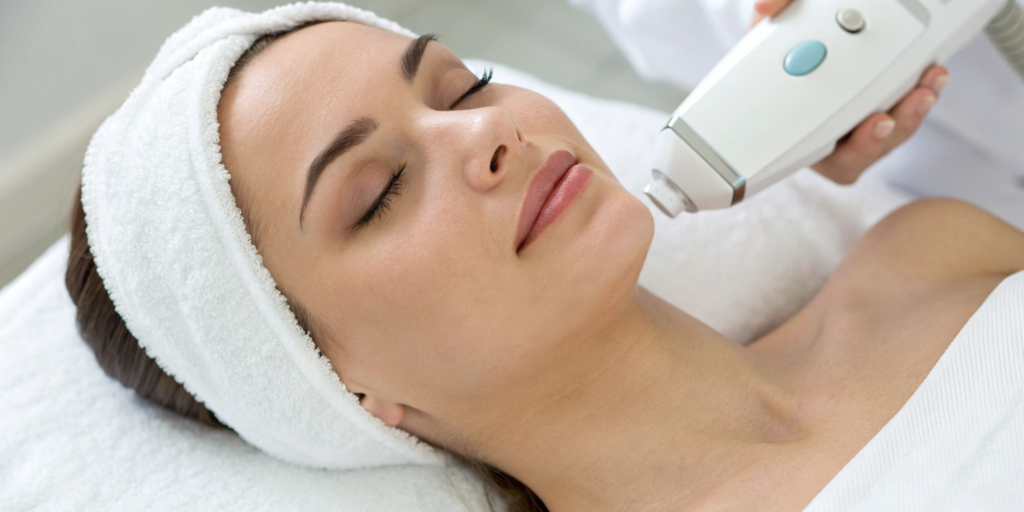
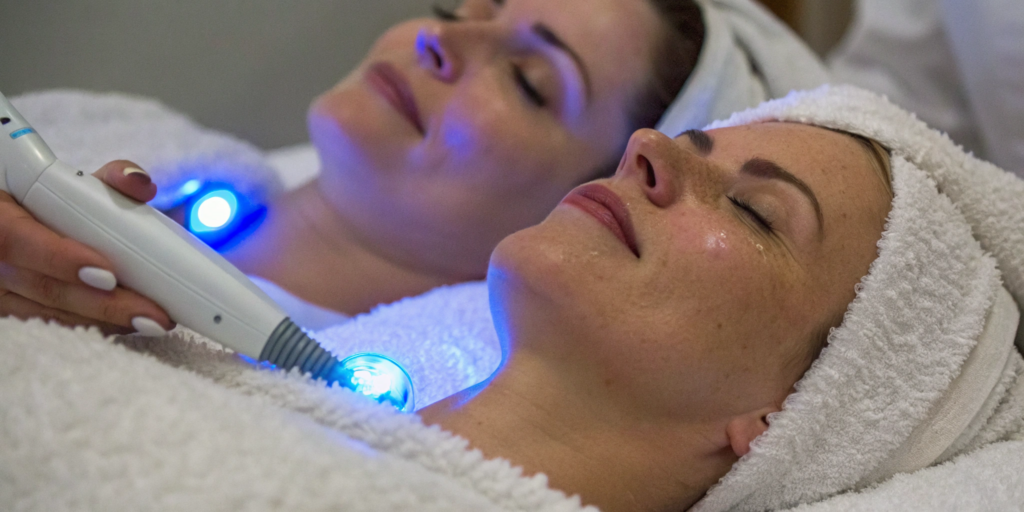
Think of skincare treatments like tools in a toolbox. You wouldn’t use a hammer to turn a screw, right? The same logic applies when choosing between a HydraFacial and microdermabrasion. Both are fantastic for exfoliation, but they serve different primary functions. A HydraFacial is like a deep-cleaning pressure washer for your pores—it uses water and nourishing serums to cleanse, extract, and hydrate without any harsh scrubbing. Microdermabrasion is more like finely sanding a surface to smooth out imperfections, using physical exfoliation to buff away texture and reveal fresh skin. This guide will break down the HydraFacial vs. microdermabrasion comparison so you can pick the right tool for your skin.
Key Takeaways
- Method Matters: Infusion vs. Abrasion: A HydraFacial is a wet treatment that uses vortex technology to cleanse pores and infuse skin with hydrating serums. Microdermabrasion is a dry, physical exfoliation that buffs away the outer layer of dead skin to improve texture.
- Match the Facial to Your Skin’s Needs: Choose the gentle HydraFacial for sensitive skin, acne, or an immediate hydrated glow. Opt for the more intensive microdermabrasion to address textural concerns like fine lines, sun damage, or shallow scars.
- Consider Your Timeline for Results: A HydraFacial provides an instant, event-ready radiance after just one session. Microdermabrasion offers more gradual refinement, with the best results for skin texture and tone appearing after a series of treatments.
HydraFacial vs. Microdermabrasion: What’s the Difference?
When you’re looking for a treatment to refresh your complexion, you’ll likely come across two popular options: HydraFacial and microdermabrasion. While both are designed to give you smoother, brighter skin, they work in fundamentally different ways. Think of it as the difference between pressure washing your patio and sanding a piece of wood—both get the job done, but the method and ideal use case are completely distinct. The main distinction lies in the approach. A HydraFacial is a wet, multi-step treatment that uses hydrating serums to cleanse and exfoliate, while microdermabrasion is a dry, physical exfoliation that buffs away dead skin.
Understanding how each one works is the key to figuring out which facial is the perfect match for your skin type and goals. The HydraFacial is known for its gentle, hydrating properties, making it a favorite for those with sensitive skin or who want a deep clean without downtime. It’s a fantastic all-in-one treatment for maintaining skin health and addressing issues like clogged pores and dullness. On the other hand, microdermabrasion offers a more intensive resurfacing that’s great for tackling specific texture issues like fine lines, minor scars, or sun spots. Whether you’re dealing with clogged pores, uneven texture, or fine lines, one of these treatments is likely the answer to achieving that healthy glow you’re after. Let’s break down what makes each one unique.
The HydraFacial: A Deep Cleanse and Hydration
The HydraFacial is a gentle, multi-stage treatment that feels more like a spa facial than a clinical procedure. It uses a special device with patented vortex technology to achieve four key steps in one session. First, it cleanses and exfoliates the skin with a gentle peel. Next, it painlessly extracts debris from your pores using suction. Finally, it infuses your skin with hydrating serums packed with antioxidants and peptides. This process makes it an excellent choice for a wide range of skin concerns, especially for those with sensitive skin or acne, as it provides a deep clean without harsh abrasion.
Microdermabrasion: A Powerful Exfoliation
Microdermabrasion is a classic and effective method of physical exfoliation. This treatment has been a go-to for years because it delivers noticeable results. It works by using a handheld device to gently sand away the thick, outer layer of dead skin cells. This is typically done with either a diamond-tipped wand or by spraying fine crystals onto the skin. The process stimulates collagen production and reveals a smoother, more even-toned complexion underneath. It’s a fantastic option for tackling rough texture, shallow acne scars, and sun damage, making it a key part of many facial rejuvenation plans for those with less sensitive skin.
Which Treatment Is Right for Your Skin?
Choosing between a HydraFacial and microdermabrasion really comes down to your unique skin goals and type. Think of it like picking a workout: are you looking for a deep, restorative stretch or an intense cardio session? Both are great, but they serve different purposes. One treatment might be perfect for clearing up breakouts, while the other is better at smoothing texture and fading sun spots. Let’s walk through which facial treatment aligns with your specific concerns so you can feel confident in your choice.
When to Choose a HydraFacial for Sensitive Skin or Clogged Pores
If your skin is reactive, prone to redness, or you’re dealing with acne, a HydraFacial is likely your best bet. This treatment is incredibly gentle, using a vortex-like wand to vacuum out pores while simultaneously pushing in potent, hydrating serums. Because it skips the abrasive crystals used in microdermabrasion, it’s a safe and soothing option for even the most sensitive skin types. The process deeply cleanses and hydrates without causing irritation, making it an excellent choice for clearing congestion and calming active breakouts. It gives your skin that clean, hydrated, and plump feeling without any downtime.
When to Choose Microdermabrasion for Scars or Sun Damage
If your main concerns are more about texture and tone, microdermabrasion is a fantastic option. This treatment provides a more powerful, physical exfoliation to buff away the outermost layer of dead skin cells. It’s particularly effective for addressing concerns like fine lines, shallow acne scars, dullness, and sun damage. By revealing the fresher, healthier skin underneath, microdermabrasion can help create a smoother, more even-toned complexion. It’s a great step in a comprehensive facial rejuvenation plan for anyone with resilient skin looking for a serious refresh.
Factoring in Your Age and Skin Sensitivity
Your skin’s resilience plays a big role in which treatment is right for you. HydraFacial is famously versatile and works well for all skin types and ages. Its customizable serums can be tailored to address anything from teenage acne to mature skin concerns like dryness and fine lines. On the other hand, microdermabrasion is best suited for those with normal to oily skin that isn’t easily irritated. Because it’s a more abrasive procedure, it might be too intense for individuals with conditions like rosacea or very sensitive skin. A consultation with a skincare professional will help determine the best approach for your skin’s specific needs.
Comparing the Experience and Results
The Technology: How Each Treatment Works
Let’s start with the HydraFacial. This treatment uses a special wand with a patented vortex-fusion technology. Think of it as a tiny, gentle vacuum that simultaneously cleanses, exfoliates, and extracts impurities from your pores. But it doesn’t stop there. As it clears away the gunk, it also infuses your skin with nourishing serums packed with antioxidants, peptides, and hyaluronic acid. It’s a multi-step process that leaves your skin deeply cleansed and hydrated.
Microdermabrasion, on the other hand, is a form of physical exfoliation. It uses a diamond-tipped wand or fine crystals to gently sand away the thick, outer layer of dead skin cells. This process helps to reveal the smoother, healthier skin underneath.
Comfort Level: What to Expect During Your Session
When it comes to comfort, the HydraFacial is known for being incredibly gentle. Many people compare the sensation to a cool paintbrush gliding across their skin. It’s a relaxing experience with no discomfort or downtime, making it a great choice for all skin types, even those with sensitive skin. You can walk out of your appointment and go about your day.
Microdermabrasion can be a bit more intense. Because it’s a manual exfoliation, it can feel slightly abrasive, like a gritty scrub. It’s not painful, but you might experience some temporary redness or sensitivity afterward. This makes it less ideal for individuals with highly sensitive skin or active rosacea.
The Results: Immediate Glow vs. Gradual Refinement
If you’re looking for instant gratification, the HydraFacial delivers. You’ll leave your appointment with a noticeable glow, and your skin will feel smoother, plumper, and deeply hydrated right away. This radiant effect typically lasts for a week or more, making it a perfect treatment before a big event.
Microdermabrasion also provides a fresh look, but its main strength lies in gradual improvement. While you’ll see an initial brightness, the long-term benefits come from stimulating collagen production. With a series of treatments, you can see a real difference in skin texture, fine lines, and overall tone. The results are about refining your skin over time.
Customizing Your Treatment Intensity
One of the biggest advantages of a HydraFacial is how easily it can be personalized. We can tailor your treatment with specific boosters and serums to address your unique concerns, whether that’s dark spots, oily skin, or the first signs of aging. This level of customization ensures you get exactly what your skin needs.
Microdermabrasion is primarily focused on exfoliation. While your esthetician can adjust the intensity of the treatment, it doesn’t include the infusion of targeted serums like a HydraFacial does. Its goal is to physically resurface the skin, rather than delivering nourishing ingredients deep into the pores during the procedure itself.
Breaking Down the Cost
Let’s talk about one of the most practical parts of choosing a treatment: the budget. Understanding the cost of HydraFacial and microdermabrasion, both upfront and over time, is key to creating a skincare plan that works for you without any surprises. Think of these treatments not just as a one-time expense, but as an investment in your skin’s long-term health and radiance. The price for each session can differ, and the frequency of treatments you’ll need also plays a big role in the overall cost.
While one treatment might have a lower price per session, the other might offer more comprehensive benefits that fit your lifestyle and goals better. It’s all about finding the right balance. We’ll look at the typical price ranges for single sessions and how treatment packages can make ongoing care more affordable. This will help you weigh your options and decide which path aligns best with your personal skin goals and financial comfort zone. At RewindMD, we believe in transparency and helping you find the perfect fit for your facial rejuvenation and anti-aging journey. We want you to feel confident and informed every step of the way, knowing exactly what to expect from your investment in yourself.
HydraFacial Pricing and Packages
A HydraFacial session is a premium, multi-step treatment, and its price reflects that. You can generally expect the cost to range from $150 to $300 per session. The final price often depends on your location and any personalized boosters or add-ons you choose to include, which can target specific concerns like fine lines or dark spots. To make consistent treatments more accessible, many clinics offer packages. Buying a series of sessions upfront can often reduce the cost of each individual treatment, making it a smart choice if you’re committed to achieving and maintaining that signature HydraFacial glow. It’s a great way to plan your skincare routine for months to come.
Microdermabrasion Costs and Sessions
If you’re looking for a highly effective treatment that’s a bit more budget-friendly, microdermabrasion is an excellent choice. A single session typically costs between $75 and $150, making it one of the more accessible professional exfoliation treatments available. This procedure is a fantastic starting point for anyone wanting to address issues like uneven texture or light scarring. Similar to HydraFacials, you can often find package deals for microdermabrasion. Purchasing multiple sessions at once is a great way to save money while committing to a routine that will help you manage concerns related to skin, acne, and pigment for clearer, smoother skin over time.
Planning for Long-Term Maintenance
Great skin is a marathon, not a sprint. To get the best results from either treatment, consistency is key. For a HydraFacial, we typically recommend scheduling a session every four to six weeks. This timing helps you stay on top of skin cell turnover and keeps your pores clear and your skin deeply hydrated. Microdermabrasion can be done a bit more frequently, usually every two to four weeks, depending on your skin’s sensitivity and specific goals. Sticking to a regular schedule ensures you’re continuously building on your results, leading to sustained improvement in your skin’s tone, texture, and overall health.
Your Appointment: From Start to Finish
Knowing what to expect during and after your treatment can help you feel confident and prepared. Whether you choose a HydraFacial or microdermabrasion, the goal is to leave you with healthier, more radiant skin. Let’s walk through the entire process, from the treatment itself to the aftercare and results you can anticipate.
A Look at the Treatment Process
The experience of a HydraFacial is quite different from microdermabrasion. A HydraFacial is a multi-step treatment that feels gentle and refreshing. It uses a special handheld device with a vortex-like tip to cleanse, exfoliate, extract impurities, and infuse your skin with hydrating serums all at once. Think of it as a deep-cleaning vacuum for your pores that simultaneously pushes in nourishing ingredients. The entire process is soothing and designed to give you an immediate glow without any discomfort.
Microdermabrasion, on the other hand, is a form of physical exfoliation. It uses a tool with a diamond-tipped wand or one that emits fine crystals to buff away the outermost layer of dead skin cells. This process reveals the smoother, healthier skin underneath and encourages new cell growth. While it’s not painful, you will feel a mild scratching or sanding sensation as the device moves across your skin. It’s a straightforward and effective method for facial rejuvenation.
Your Aftercare Plan: Dos and Don’ts
Aftercare for a HydraFacial is incredibly simple. Your skin will be hydrated and glowing, so there’s no real downtime. You can apply makeup and go about your day right after your appointment. The main thing is to protect your fresh skin with sunscreen and avoid using any harsh exfoliants for the next couple of days to let the serums do their work.
Microdermabrasion requires a little more attention post-treatment. Your skin may be slightly red or tingly, so it’s best to let it breathe.
- Do: Moisturize well to soothe and hydrate the newly exposed skin. Applying a high-quality SPF is also non-negotiable, as your skin will be more sensitive to the sun.
- Don’t: Avoid direct sun exposure and wearing makeup for at least 24 hours. It’s also a good idea to pause your use of strong active ingredients like retinoids or exfoliating acids for a few days to prevent irritation while your skin recovers.
When Will You See Results?
One of the biggest draws of a HydraFacial is the instant gratification. You’ll walk out of the clinic with visibly plumper, brighter, and more hydrated skin. This immediate glowing effect typically lasts from one to four weeks, making it a perfect treatment before a special event. With regular sessions, you’ll notice sustained improvements in skin health and appearance.
Microdermabrasion also provides an immediate improvement in skin smoothness and radiance, though this initial glow may last about a week. The primary benefits of microdermabrasion, especially for concerns like fine lines, sun damage, or mild scarring, are cumulative. True textural refinement comes from completing a series of treatments, as each session builds on the last to reveal progressively healthier skin.
Managing Potential Side Effects
When it comes to side effects, HydraFacial is known for being exceptionally gentle. Most people experience no adverse effects at all, aside from slight pinkness that fades within an hour. Because the treatment is focused on hydration and avoids harsh abrasion, it doesn’t cause soreness or significant irritation, making it a safe bet for nearly all skin types.
Microdermabrasion carries a slightly higher chance of temporary side effects. It’s common to experience some redness, mild swelling, or skin sensitivity for a few hours to a few days after the procedure. For some, particularly those with acne-prone skin, it can sometimes trigger a temporary breakout as the skin purges. These effects are generally mild and resolve on their own, but it’s something to consider if your skin is highly reactive. Discussing your skin history during a consultation can help determine the best path forward.
Related Articles
- Skin, Acne & Pigment – RewindMD | Aesthetics | Longevity
- Your Guide to the Best Laser for Face Wrinkles – RewindMD | Aesthetics | Longevity
- Laser Skin Resurfacing: What to Expect & Recovery – RewindMD | Aesthetics | Longevity
- How Much Does a Chemical Peel Cost at a Dermatologist? – RewindMD | Aesthetics | Longevity
Frequently Asked Questions
Which treatment is better for anti-aging concerns like fine lines? Both treatments can help with signs of aging, but they do it in different ways. Microdermabrasion is excellent for refining skin texture and softening the appearance of fine lines over time by stimulating collagen production. Think of it as a long-term strategy for smoother skin. A HydraFacial provides a more immediate plumping effect by deeply infusing the skin with hyaluronic acid and peptides, which can instantly make fine lines less noticeable.
Is there any downtime after these treatments? A HydraFacial is known as a “no downtime” treatment. You can walk out of your appointment with a healthy glow and go straight back to your daily activities, even applying makeup right away. Microdermabrasion, on the other hand, can leave your skin a bit pink or sensitive for a few hours up to a day. We generally recommend avoiding makeup and direct sun exposure for at least 24 hours to let your skin settle.
How do I know which one is truly right for my specific skin type? The best way to know for sure is to come in for a consultation. Generally speaking, if you have sensitive, reactive, or acne-prone skin, the gentle and hydrating nature of a HydraFacial is usually the perfect fit. If your skin is more resilient and your main goals are to improve texture, fade sun spots, or address minor scarring, microdermabrasion is a fantastic and powerful option.
How often should I get a HydraFacial or microdermabrasion to see the best results? Consistency is what creates lasting change in your skin. For a HydraFacial, scheduling a session every four to six weeks is ideal for maintaining clear pores and a hydrated complexion. Because microdermabrasion is more focused on resurfacing, treatments can often be scheduled a little closer together, typically every two to four weeks, depending on your skin’s needs and tolerance.
Can I get one of these treatments right before a big event? Yes, but you’ll want to choose wisely. A HydraFacial is the perfect pre-event treatment because it delivers an immediate, radiant glow with zero downtime. Your skin will look plump, bright, and smooth right away. I would advise against getting microdermabrasion for the first time right before an important event, just in case you experience some temporary redness or sensitivity.