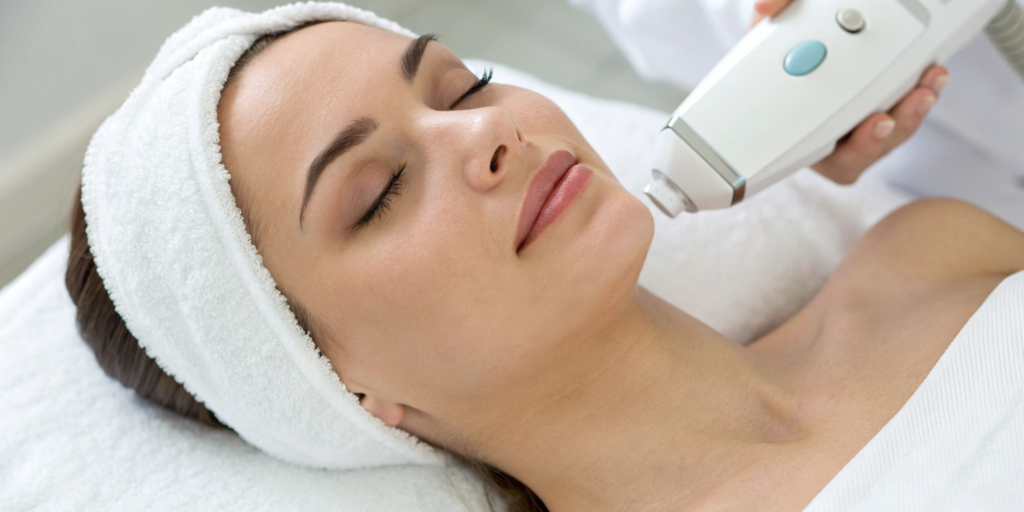

If you’ve started researching ways to treat fine lines and texture, you’ve likely discovered that the world of cosmetic treatments is vast and a little overwhelming. When it comes to getting significant, lasting results, laser skin resurfacing is one of the most effective tools available. But the term “laser” covers a wide range of technologies, each designed for different skin types and concerns. This guide is here to cut through the confusion. We’ll break down the main types of lasers, explain how they work, and walk you through the key factors to consider so you can make an informed decision about the best laser for face wrinkles for your unique skin.
Key Takeaways
- Choose Your Treatment Based on the Results-Downtime Balance: Ablative lasers deliver dramatic results for significant wrinkles but require a longer recovery period, while non-ablative lasers offer a more gradual improvement for fine lines with minimal interruption to your daily life.
- A Successful Outcome Starts with a Thorough Consultation: The safety and effectiveness of your treatment depend on a personalized plan. Be prepared to discuss your skin type, goals, and medical history with an experienced provider to find the perfect laser for you.
- Results Unfold Over Time and Require Protection: The most significant improvements appear over several months as your skin builds new collagen. Consistent, daily sun protection is the most critical step to safeguard your investment and maintain your rejuvenated skin.
What Are the Main Types of Laser Treatments for Wrinkles?
When you hear “laser treatment,” you might picture a single solution. In reality, laser technology is diverse, with different types designed for specific skin concerns. Understanding the main categories is the first step in figuring out which approach is right for you. They generally fall into three camps: ablative, non-ablative, and fractional. Each one works differently to smooth wrinkles and rejuvenate your skin, offering a unique balance of results and recovery time.
Ablative Lasers
Think of ablative lasers as a powerful reset for your skin. These treatments work by removing the thin, outer layer of your skin and heating the underlying layer, which stimulates new collagen growth. As the area heals, the new skin that forms is smoother and firmer. Because they are more intensive, ablative lasers are highly effective for addressing significant concerns like deep wrinkles, advanced sun damage, and some scars. This approach delivers dramatic results, but it also requires a longer healing period. It’s a trade-off between recovery time and the level of correction you’re looking for.
Non-Ablative Lasers
If you’re looking for a gentler option with minimal downtime, non-ablative lasers are an excellent choice. Unlike their ablative counterparts, these lasers work their magic without removing the top layer of skin. Instead, they send heat deep into the dermis to kickstart collagen production from the inside out. This process gradually improves skin texture, tone, and the appearance of mild to moderate wrinkles. Because the skin’s surface remains intact, recovery is much quicker. These treatments are perfect for anyone wanting noticeable facial rejuvenation without pressing pause on their daily life.
Fractional Lasers
Fractional lasers offer a clever combination of effectiveness and efficiency. This technology treats your skin in a precise, pixelated pattern, creating thousands of microscopic treatment zones while leaving the surrounding tissue untouched. This approach allows for much faster healing than if the entire area were treated at once. Fractional lasers can be either ablative or non-ablative, giving your provider flexibility to tailor the treatment to your needs. By stimulating collagen and elastin, these treatments are fantastic for improving fine lines, wrinkles, and overall skin texture with less downtime than traditional ablative procedures.
Ablative vs. Non-Ablative: Which Laser Is Right for You?
Choosing between an ablative and non-ablative laser can feel like a big decision, but it really comes down to your specific skin goals and how much recovery time you can accommodate. Both paths lead to smoother, more youthful-looking skin, but they take different routes to get there. Think of ablative lasers as a powerful reset for your skin, while non-ablative lasers are more like a gradual refresh. Understanding the key differences in how they work, the downtime they require, and who they’re best suited for will help you and your provider make the perfect choice for your facial rejuvenation plan.
Comparing Effectiveness and Depth
The main difference between these two lasers lies in how they interact with your skin. Ablative lasers, like CO2 and Erbium lasers, work by removing the thin, outer layer of your skin (the epidermis) and heating the underlying skin (the dermis). This process stimulates the growth of new collagen fibers, resulting in dramatically smoother and tighter skin. It’s an incredibly effective approach for addressing deep wrinkles, significant sun damage, and even some types of scars. Non-ablative lasers, on the other hand, are much gentler. They work by heating the tissue under the surface without removing the top layer, promoting collagen production from the inside out. This makes them ideal for improving skin texture and tone and treating mild to moderate wrinkles.
Understanding the Difference in Downtime
Your lifestyle and schedule are huge factors in this decision, and that’s where downtime comes in. Because ablative lasers are more intensive, they require a longer recovery period. Depending on the specific treatment, you can expect anywhere from one to two weeks of healing time, during which your skin will be red and sensitive as it regenerates. In contrast, non-ablative laser treatments involve minimal to no downtime. You might experience some mild redness or swelling for a few hours or a couple of days, but you can typically return to your daily activities right away. This makes non-ablative options a great fit if you can’t press pause on work or social commitments.
Who Is an Ideal Candidate for Each?
So, who is the perfect match for each laser? If you’re dealing with more advanced signs of aging, like deep-set wrinkles, significant sun damage, or uneven texture from old acne scars, an ablative laser might be the most effective solution for you. It’s designed for those seeking a major transformation. On the other hand, if your concerns are more in the mild-to-moderate range—think fine lines, early signs of aging, or a desire for better overall skin tone—a non-ablative laser is an excellent choice. It’s perfect for anyone who wants to proactively manage their skin concerns with a treatment that fits easily into a busy schedule. Ultimately, a consultation will determine the best path forward.
What Results Can You Expect From Laser Treatments?
So, you’re considering a laser treatment and wondering what kind of transformation you can actually expect. Let’s get straight to it. Laser skin resurfacing is a fantastic option for tackling some of the most common skin concerns, from fine lines and wrinkles to age spots, acne scars, and uneven texture. The goal is to reveal smoother, clearer, and more youthful-looking skin. Many people see a significant reduction in these skin imperfections and an overall improvement in their skin’s tone and firmness.
Think of it as a powerful reset for your skin. The laser energy works to gently remove damaged outer layers while heating the underlying skin, which kicks your body’s natural healing process into high gear. This is where the magic really happens. This process helps create a more even, refreshed appearance. At RewindMD, we focus on creating a personalized facial rejuvenation plan that aligns with your specific goals, ensuring the results feel authentic to you. While the idea of a laser might sound intense, the technology is designed to deliver precise, controlled results that help you look like the best version of yourself, just refreshed and revitalized.
Your Timeline for Seeing Improvements
Patience is key when it comes to seeing your final results. While you might notice some immediate improvements in your skin’s texture right after the initial healing phase, the most significant changes appear over time. The full healing process can take anywhere from five to 21 days, depending on the intensity of your treatment. During this period, your skin will likely be pink or red, which can last for a couple of months. For gentler, non-ablative treatments, you may need a series of sessions to achieve your desired outcome. The great news is that these results are designed to be long-lasting as your skin continues to produce new collagen.
What to Expect During Recovery
Let’s talk about recovery, because knowing what to expect makes the process much smoother. Immediately after your treatment, your skin will likely be red and sensitive, feeling similar to a sunburn. It’s also common to experience some swelling, itching, or stinging. This is all a normal part of the healing process as your skin begins to repair itself. Your provider will give you specific aftercare instructions, but the golden rule is to be gentle with your skin. This means no scratching or picking at any flaking skin, as this can lead to scarring. Swelling, especially around the eyes, is also typical, but it usually subsides within a few days.
The Long-Term Benefit of Collagen Production
Here’s one of the best parts about laser treatments: the benefits continue long after you’ve left the clinic. The laser energy does more than just treat the surface; it works deep within the skin to stimulate collagen production. Collagen is the protein responsible for your skin’s structure, elasticity, and firmness. As we age, our natural collagen levels decline, which leads to wrinkles and sagging. By creating a controlled thermal effect in the dermis, laser treatments trigger your body to create fresh, new collagen. This not only helps reduce the appearance of existing lines but also improves your skin’s underlying support system for long-term rejuvenation.
How to Choose the Best Laser Treatment for Your Skin
Finding the right laser treatment is less about finding the single “best” one and more about finding the best one for you. Your skin, goals, and lifestyle are unique, and your treatment plan should be, too. Thinking through a few key factors will help you and your provider create a plan that delivers the results you’re looking for. It’s all about matching the right technology to your specific needs.
Factoring in Your Skin Type and Tone
Your unique skin tone is a major factor in determining which laser is the safest and most effective for you. Some lasers carry a higher risk of causing dark spots, or hyperpigmentation, on darker skin tones if not administered correctly. This is why a professional skin assessment is so important. A skilled provider will analyze your skin and recommend a laser that targets wrinkles and texture issues without compromising your beautiful complexion. At RewindMD, we specialize in creating personalized plans that address your skin, acne, and pigment concerns, ensuring your treatment is both safe and successful.
Considering Wrinkle Severity
The depth and severity of your wrinkles will point you toward the right type of laser. If you’re dealing with deep-set wrinkles, significant sun damage, or scarring, a more powerful ablative laser might be the best option for a dramatic transformation. On the other hand, if you’re looking to soften fine lines and mild to moderate wrinkles, a non-ablative laser can deliver beautiful, subtle results. The goal is to match the intensity of the treatment to your specific facial rejuvenation and anti-aging goals, whether you’re looking for a major reset or a gentle refresh.
Matching Treatment to Your Lifestyle and Downtime
It’s important to be realistic about how much recovery time you can fit into your schedule. More intensive ablative laser treatments often require a couple of weeks of downtime as your skin heals from redness and swelling. If you can’t press pause on life for that long, don’t worry. Gentler, non-ablative treatments typically involve much less downtime, often just a few days of mild redness that can easily be covered with makeup. Think about your calendar and social commitments—this will help you choose a treatment that works with your life, not against it.
Planning for Your Budget and Treatment Goals
Cost is a practical consideration for any aesthetic treatment. The price of laser resurfacing can vary depending on the technology used and the number of sessions you’ll need. Some non-ablative treatments require multiple sessions spaced a few weeks apart to achieve the final result. While this may seem like a bigger commitment, it allows for gradual improvement with minimal interruption to your daily life. During your consultation, we can discuss your goals and budget to create a customized treatment plan that feels right for you and gives you a clear picture of the investment required.
Laser Treatments: What Are the Risks and Side Effects?
Making an informed decision about any cosmetic treatment means understanding the full picture, including potential side effects. While laser resurfacing is a safe and effective procedure in the hands of a skilled professional, it’s important to know what to expect during the healing process. Most side effects are temporary and a normal part of your skin’s renewal journey. Being aware of the risks helps you prepare properly and ensures you have a smooth recovery.
A thorough consultation with your provider is the best way to understand how your specific skin type and health history might influence your treatment outcome. At RewindMD, we prioritize patient safety and transparency, making sure you feel confident and prepared every step of the way.
Common, Temporary Side Effects
Right after your laser treatment, it’s completely normal for your skin to look and feel like it has a sunburn. You can expect some redness, swelling, and sensitivity in the treated area. Some people also experience a bit of itching or a mild stinging sensation. These effects are a sign that your skin’s natural healing process has begun.
The most important thing to remember is to be gentle with your skin during this time. Resist the urge to scratch or pick at any flaking skin, as this can lead to scarring or infection. Your provider will give you detailed aftercare instructions to help manage these temporary side effects and keep your skin comfortable as it heals.
Key Risk Factors to Know
Certain factors can influence how your skin responds to laser treatment and the final results. For instance, individuals with darker skin tones have a slightly higher risk of developing temporary dark spots (hyperpigmentation) after the procedure. The good news is that this is often treatable with topical creams.
Your overall health and lifestyle also play a role. Conditions like diabetes, a history of cold sores, or smoking can affect your body’s ability to heal. It’s also crucial to tell your provider about any medications you’re taking, including aspirin or acne treatments like Accutane. A transparent conversation about your medical history is essential for creating a safe and effective facial rejuvenation plan tailored just for you.
Safety Precautions for Different Skin Tones
It’s a common myth that laser treatments aren’t safe for people with darker skin, but that’s simply not true. The key is using the right technology. While some older lasers posed risks, modern devices offer safe and effective options for a wide range of skin tones. For example, Erbium lasers are often a great choice for lighter-toned African American, Hispanic, or Asian skin, as they carry a lower risk of pigmentation issues.
The most critical factor is the expertise of your provider. An experienced, physician-led team knows how to select the appropriate laser and adjust the settings to match your specific skin type. This personalized approach is fundamental to achieving beautiful results while minimizing risks for all our patients seeking to improve their skin and pigmentation.
When You Should Avoid Laser Treatment
Laser resurfacing is a fantastic tool, but it isn’t the right fit for everyone. For example, if you have active acne, it’s best to get that under control before proceeding with a laser treatment. Similarly, this procedure may not be the best option if you have very deep wrinkles or significant skin sagging, as other treatments might provide better results.
During your consultation, it’s vital to be completely open about your health history and any medications or supplements you take. Certain conditions or medications can interfere with the treatment or the healing process. Our goal is to find the perfect solution for your unique needs, and if laser treatment isn’t the safest or most effective path, we’ll help you explore other options.
How to Prepare for Treatment and Protect Your Results
Getting fantastic results from a laser treatment isn’t just about what happens in the clinic—it’s also about how you care for your skin before and after. Think of it as a partnership between you and your provider. Proper preparation ensures your skin is ready for the procedure, while a solid aftercare plan helps you heal beautifully and protects your investment for the long haul. By following a few key steps, you can make sure you get the smooth, glowing skin you’re looking for and keep it that way.
Steps to Take Before Your Appointment
Your journey to smoother skin starts with a conversation. Before you book any laser treatment, it’s essential to have a thorough consultation with an experienced provider. This is your opportunity to discuss your goals, ask questions, and get a professional assessment of your skin. A specialist will analyze your skin type and condition to create a personalized treatment plan that’s both safe and effective for you. You’ll also receive specific instructions to follow before your appointment, which might include avoiding sun exposure, pausing the use of certain skincare products like retinoids, or stopping specific medications that can increase sensitivity. Following this guidance is key to setting yourself up for a successful treatment.
Your Essential Aftercare Plan
After your laser session, your skin will be sensitive and need some extra TLC. Your provider will give you a detailed aftercare plan, and it’s important to follow it closely to support the healing process. This typically involves using gentle, non-irritating products and keeping your skin well-hydrated. You’ll want to switch to a mild cleanser and a rich, soothing moisturizer to calm the skin and aid recovery. For the first week or so, you should also avoid harsh exfoliants, scrubs, and active ingredients like retinol or vitamin C. Treating your skin gently during this initial healing phase is crucial for achieving a smooth and even-toned result.
The Role of Sun Protection and Skincare
Sun protection is non-negotiable after a laser treatment. Your skin will be especially vulnerable to UV damage, and direct sun exposure can lead to complications like hyperpigmentation and undo the benefits of your procedure. Immediately after treatment, your skin may feel red and sensitive, similar to a sunburn. You should make a habit of applying a broad-spectrum sunscreen with an SPF of 30 or higher every single day, even if you’re indoors. This simple step is the most effective way to protect your healing skin and maintain your results long-term. A quality daily moisturizer will also help keep your skin barrier healthy and hydrated.
Strategies for Long-Term Maintenance
To make your beautiful results last, think of your laser treatment as the first step in an ongoing skincare strategy. Many treatments, especially non-ablative ones, deliver the best outcomes through a series of sessions scheduled several weeks apart. Once you complete your initial series, the results can be long-lasting. Your provider may recommend periodic maintenance treatments to keep your skin looking its best. A consistent at-home skincare routine and a healthy lifestyle also play a huge role in supporting your skin’s health from the inside out. By combining professional facial rejuvenation treatments with smart daily habits, you can enjoy your radiant complexion for years to come.
What to Expect: From Your First Consultation to Treatment Day
Deciding to get a laser treatment is a big step, and it’s completely normal to wonder what the process actually looks like. From the moment you walk in for a chat to the day of your procedure, knowing what’s ahead can make you feel much more comfortable and confident. The journey is a partnership between you and your provider, designed to get you the best possible results safely. It all starts with a conversation to understand your unique skin and goals, leading to a tailored plan and, finally, the treatment itself. Let’s walk through each step so you know exactly what to expect.
Your Comprehensive Skin Assessment
Your journey begins with a thorough consultation. This is arguably the most important step because it sets the foundation for your entire treatment. Before you even think about which laser to use, you should always talk to a skin expert. During this initial meeting, we’ll sit down and discuss your goals, what you’d like to achieve, and any concerns you have. We’ll take a close look at your skin, assessing its type, tone, and the specific characteristics of your wrinkles. This is also the time to go over your medical history to ensure a laser treatment is a safe and effective option for you. This comprehensive approach to skin and pigment concerns ensures we’re on the same page from day one.
Customizing Your Treatment Plan
Once we have a clear picture of your skin and your goals, we can create a treatment plan that’s made just for you. There’s no one-size-fits-all solution in laser skin rejuvenation; different lasers are designed to treat specific issues and work best for certain skin types. Your personalized plan will outline which laser technology we recommend, why it’s the right choice for you, and how many sessions you’ll likely need to see the results you want. We’ll also discuss the expected timeline for improvements and what you can anticipate during recovery. This customized strategy is key to achieving beautiful, natural-looking facial rejuvenation.
Why an Experienced Provider Matters
When it comes to laser treatments, the person behind the device is more important than the laser itself. The technology is powerful, but its effectiveness and safety depend entirely on the skill of the provider operating it. An experienced, physician-led team knows how to precisely calibrate the laser for your specific skin type and concerns, minimizing risks and maximizing your results. They can adjust the treatment on the fly and have a deep understanding of facial anatomy. Choosing a qualified provider ensures you’re in the safest hands and gives you the best chance at achieving the smooth, refreshed skin you’re looking for.
A Look at the Treatment Experience
On the day of your appointment, our priority is your comfort. The treatment is typically done right in our office. First, we’ll cleanse your skin and apply a topical numbing cream to the treatment area to keep you comfortable. For more intensive, full-face treatments, other options for anesthesia may be discussed. Once you’re ready, your provider will methodically apply the laser to the targeted areas. Many people describe the sensation as a series of quick, warm snaps, similar to a rubber band on the skin. The entire session can last anywhere from 30 minutes to over an hour, depending on the size of the area being treated.
Related Articles
- Facial Rejuvenation & Anti-Aging – RewindMD | Aesthetics | Longevity
- Skin, Acne & Pigment – RewindMD | Aesthetics | Longevity
- RewindMD | Aesthetics | Longevity
Frequently Asked Questions
What’s the main difference between ablative and non-ablative lasers in simple terms? Think of it this way: an ablative laser is like a powerful reset for your skin’s surface. It works by removing the very top layer to address more significant concerns like deep wrinkles, resulting in a dramatic change but requiring more healing time. A non-ablative laser is more of a gradual refresh. It works underneath the skin’s surface to stimulate new collagen without disrupting the top layer, making it perfect for fine lines with almost no downtime.
Will the laser treatment hurt? This is one of the most common questions we get, and it’s a fair one. We prioritize your comfort throughout the entire process. Before the treatment, we apply a topical numbing cream to the area. Most people describe the sensation of the laser as a quick, warm snap against the skin, similar to a rubber band. While you will feel it, the feeling is generally very manageable and brief.
How much recovery time will I actually need? Your recovery time really depends on the type of laser we decide is best for you. For gentler, non-ablative treatments, you might just experience some mild redness for a day or two, which you can easily cover with makeup. For more intensive, ablative treatments, you should plan for about one to two weeks of dedicated healing time at home as your new skin emerges. We’ll help you choose a treatment that fits realistically with your schedule.
How long will my results last? The great thing about laser treatments is that they work with your body to create lasting change. By stimulating new collagen production, the improvements to your skin’s texture and firmness can last for years. However, the treatment doesn’t stop the natural aging process. You can protect your investment and enjoy your results for as long as possible by sticking to a great skincare routine, being diligent with sunscreen, and considering occasional maintenance treatments.
I have a darker skin tone. Are laser treatments safe for me? Yes, absolutely. While it’s true that some older laser technologies posed risks for darker skin, modern advancements have made treatments safe and effective for a wide range of skin tones. The most important factor isn’t the laser itself, but the expertise of the person operating it. A skilled, physician-led team knows how to select the right type of laser and precisely adjust its settings to deliver beautiful results without affecting your natural pigmentation.