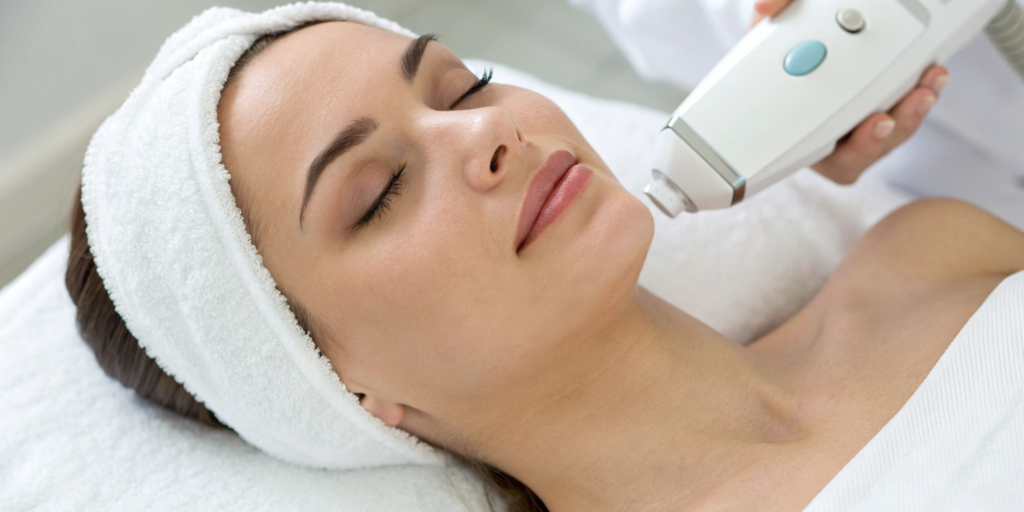
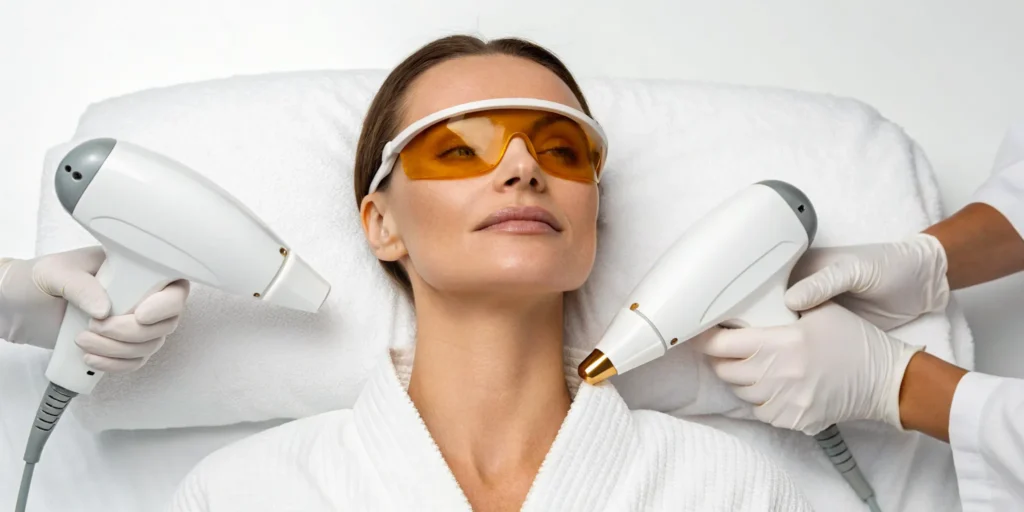
Deciding on a laser treatment often comes down to balancing two key factors: the results you want and the recovery time you can afford. Do you want a dramatic transformation that requires a week or more of downtime, or would you prefer a gradual improvement that fits seamlessly into your busy schedule? This is the central question that defines the ablative vs non-ablative laser resurfacing choice. One offers a powerful overhaul for significant skin concerns, while the other provides a gentle refresh from the inside out. Here, we’ll walk through what to expect from each so you can make an informed decision.
Key Takeaways
- Choose your path based on results versus recovery time: Ablative lasers offer a powerful transformation for deep wrinkles and scars in a single session but require a longer healing period. Non-ablative lasers provide a gradual, gentle improvement for fine lines and texture over several sessions with almost no downtime.
- Ablative lasers correct, while non-ablative lasers refine: Use an ablative treatment for a major reset on significant concerns like deep-set wrinkles or acne scarring. Opt for a series of non-ablative treatments to address fine lines, uneven texture, and overall skin radiance.
- Your best choice is made with an expert: Reading about lasers is helpful, but a one-on-one consultation is essential. A professional will analyze your specific skin, listen to your goals, and help you create a personalized plan that is both safe and effective for you.
What Is Laser Resurfacing?
Think of laser resurfacing as a precise and powerful tool for hitting the reset button on your skin. It uses focused beams of light energy to address a variety of common concerns, from fine lines and wrinkles to sun spots, acne scars, and uneven skin tone. By creating a controlled, targeted effect on your skin, the treatment prompts your body’s natural healing process, encouraging the growth of fresh, new skin cells and collagen. The result is a smoother, clearer, and more youthful-looking complexion.
This approach is one of the most effective methods for significant facial rejuvenation, offering noticeable improvements in both texture and pigment. While it works wonders on surface-level issues, it’s important to know that laser resurfacing is designed to improve the quality of your skin, not to correct issues like significant sagging, which may require a different type of treatment. The key is understanding that lasers work by renewing the skin you have, helping it look its absolute best.
How Lasers Renew Your Skin
At its core, laser resurfacing works in one of two ways: ablative or non-ablative. An ablative laser works by removing the thin, outer layer of your skin (the epidermis) and heating the underlying layer (the dermis). This process stimulates the growth of new collagen fibers, and as the treated area heals, the new skin that forms is smoother and firmer. This is a more intensive approach that delivers dramatic results for deeper wrinkles and significant scarring, but it also requires more recovery time.
A non-ablative laser is a gentler alternative. Instead of removing skin, it uses wavelengths of light to heat the tissue beneath the surface without harming the top layer. This heat kickstarts collagen production from the inside out. Because the surface of your skin remains intact, the recovery is much quicker. However, the results are more gradual, often requiring multiple sessions to address fine lines, mild texture issues, and early signs of aging.
A Quick Look at Laser Wavelengths
The difference between these two approaches comes down to the type of light, or wavelength, the laser uses. You can think of it like this: different wavelengths have different jobs. Ablative lasers use a wavelength that is highly absorbed by the water in your skin cells. This intense energy instantly vaporizes the targeted tissue, effectively removing the outermost layers. It’s a powerful technique for comprehensive renewal.
Non-ablative lasers, on the other hand, use a different wavelength that can pass safely through the top layer of skin. This light energy is then absorbed by the deeper layers, where it creates a gentle warming effect. This controlled heat is just enough to signal your body to produce more collagen without causing any visible damage to the surface. These different wavelengths give us the flexibility to offer a range of skin treatments customized to your specific goals and lifestyle.
Understanding Ablative Laser Resurfacing
If you’re looking for a powerful treatment to address more significant skin concerns, ablative laser resurfacing might be the answer. Think of it as a major reset for your skin. This approach is more intensive than its non-ablative counterpart, but it’s designed to deliver dramatic, lasting improvements for issues like deep-set wrinkles and prominent scars. It works by precisely removing damaged skin to reveal a healthier, smoother layer underneath. While it requires more downtime, the results are often worth the wait.
How It Works: A Deeper Renewal
Ablative lasers work by removing the thin, outer layer of your skin, known as the epidermis, and heating the underlying dermis. This controlled process does two amazing things at once. First, it gets rid of the damaged surface cells that contribute to an uneven tone and texture. Second, the gentle heat stimulates your body’s natural healing response, kicking collagen production into high gear. This new collagen helps create a firmer, smoother, and more youthful-looking skin structure from the inside out. It’s this comprehensive approach that makes it a go-to for significant facial rejuvenation.
Common Types: CO2 and Erbium
When you hear about ablative treatments, the conversation usually centers on two types of lasers: CO2 and Erbium. The CO2 laser is one of the most powerful options available and is incredibly effective for treating deep wrinkles, severe sun damage, and even complex acne scars. The Erbium laser is also highly effective but is often used for addressing more superficial concerns. Your provider will help you determine which laser is the best fit for your specific goals and skin type, ensuring you get the right treatment for your skin concerns.
Treatment Depth and Skin Removal
Ablative lasers are sometimes called “wounding” lasers, which sounds a bit intense, but it’s a very precise and controlled process. By removing the outer layers of skin, the treatment creates a uniform injury that signals your body to start its powerful healing and rebuilding cascade. This is what prompts the formation of fresh collagen and elastin, the essential proteins that give your skin its strength and elasticity. This method is what allows the laser to effectively smooth out deep-seated imperfections and create such a noticeable improvement in your skin’s overall quality.
Understanding Non-Ablative Laser Resurfacing
If you’re looking for a way to refresh your skin without significant downtime, non-ablative lasers are a fantastic option. Unlike their ablative counterparts, these treatments work their magic below the surface, leaving the top layer of your skin intact. This approach is perfect for addressing early signs of aging, like fine lines, uneven skin tone, and texture issues. Think of it as a powerful refresh button for your skin that fits into a busy schedule. Because the treatment is less intense, it’s a great starting point for anyone new to laser resurfacing or for those who want to maintain their results with regular sessions.
How It Works: A Gentler Approach
The secret to non-ablative lasers is their ability to deliver targeted heat energy deep into the dermis, the skin’s lower layer, without harming the surface. This controlled thermal energy creates tiny columns of heat within the skin, which triggers your body’s natural healing response. As the skin repairs itself, it gets to work producing fresh, new collagen. This process effectively remodels your skin from the inside out, gradually smoothing out fine lines and improving overall texture. Since the outer layer of skin isn’t removed, the recovery time is much shorter and more comfortable compared to more intensive laser treatments.
Common Types: Nd:YAG and Diode
You might hear names like Fraxel Restore, Lumenis ResurFX, or Clear + Brilliant when exploring non-ablative options. These are all popular and effective technologies that fall under the non-ablative umbrella. Each type of laser uses a specific wavelength of light to target different concerns, from pigmentation and sun damage to fine lines and enlarged pores. The right one for you depends entirely on your unique skin goals. This is why a professional consultation is so important; it allows us to assess your skin and recommend the perfect facial rejuvenation plan to deliver the results you’re looking for.
Stimulating Collagen from Below the Surface
The real magic of non-ablative lasers lies in their ability to kickstart collagen and elastin production. These two proteins are the essential building blocks of firm, smooth, and youthful-looking skin. As we age, our natural production of them slows down, leading to wrinkles and sagging. Non-ablative treatments essentially wake up your skin’s internal fountain of youth. By gently heating the deeper layers, the laser signals your body to create new collagen and elastin without damaging the top layer of skin. This gradual regeneration process leads to natural-looking results that improve over the weeks and months following your treatment.
Ablative vs. Non-Ablative: What’s the Difference?
When you hear “laser resurfacing,” you might picture one specific treatment, but there are actually two main categories: ablative and non-ablative. Think of them as two different paths to the same goal of smoother, clearer skin. The one that’s right for you depends on your specific skin concerns, your timeline, and how much downtime you’re comfortable with. Let’s break down the key differences so you can feel confident in your choice.
Treatment Technique and Intensity
The biggest difference between these two lasers comes down to their technique. Ablative lasers are more intensive, working by removing the thin, outer layer of your skin (the epidermis). Because they are considered “wounding” lasers, they create a more dramatic, immediate correction for significant concerns. On the other hand, non-ablative lasers are much gentler. They are “non-wounding” and work by heating the tissue beneath the surface of your skin without harming the top layer. This process stimulates your body’s natural collagen production from the inside out, gradually improving your skin’s tone and texture.
How Deep Each Laser Goes
Imagine your skin has multiple layers. An ablative laser focuses on that very top layer, carefully removing it to reveal the fresh, new skin underneath. This approach is what makes it so effective for addressing deeper wrinkles and significant sun damage. A non-ablative laser takes a different route. It sends beams of light right through the top layer, leaving it intact, and delivers heat to the deeper layers where collagen is made. This targeted heat kickstarts the renewal process from below the surface, making it a great option for our facial rejuvenation treatments that focus on milder concerns.
Number of Sessions You’ll Need
Because of their different intensity levels, the treatment plans for ablative and non-ablative lasers look quite different. Since ablative treatments are so powerful, you can often achieve your desired results in a single session. It’s a one-and-done approach for a major skin reset. In contrast, the gentle nature of non-ablative lasers means you’ll likely need a series of treatments to see the best results, typically somewhere between four and six sessions spaced a few weeks apart. The improvements from non-ablative treatments appear more gradually over several months as your collagen continues to rebuild.
Which Treatment Is Right for Your Skin Concerns?
Choosing between ablative and non-ablative laser resurfacing really comes down to your unique skin goals, your lifestyle, and what you want to achieve. Think of it like this: are you looking for a major renovation or a subtle refresh? One treatment offers a dramatic transformation by working on the surface, while the other provides a gentle, gradual improvement from within. Understanding what each laser is designed to correct will help you identify the best path forward for your skin.
When to Choose Ablative: Deep Wrinkles and Scars
If you’re dealing with more significant skin concerns, an ablative laser is often the most effective choice. This is the powerhouse treatment for addressing deep-set wrinkles, extensive sun damage, and stubborn acne scars. Because ablative lasers work by carefully removing the outer layer of skin, they trigger a powerful healing response that generates fresh, smooth new skin. This approach delivers dramatic and long-lasting improvements, which is why it’s considered the gold standard for serious facial rejuvenation. The trade-off for these incredible results is a longer recovery period, so you’ll need to plan for some downtime.
When to Choose Non-Ablative: Fine Lines and Texture
For those who want to address fine lines, uneven skin texture, or mild pigmentation without significant downtime, a non-ablative laser is an excellent option. This gentler approach works by heating the tissue beneath the skin’s surface, stimulating collagen production from the inside out. Your skin’s top layer remains completely intact, which means you can typically return to your daily activities right away. While the results are more gradual and may require a series of treatments to achieve your final goal, it’s a fantastic way to improve your overall skin tone and texture with minimal interruption to your life.
Factoring in Your Skin Type and Tone
Your skin type and tone are critical factors in deciding which laser is right for you. Ablative lasers carry a higher risk of side effects like discoloration, particularly for individuals with darker skin tones. For this reason, non-ablative treatments are often a safer and more suitable choice for skin rich in melanin, as they bypass the surface and reduce the risk of pigmentation issues. Your age and the overall condition of your skin also play a role. A thorough consultation with a skincare professional is the best way to assess your skin and create a treatment plan that is both safe and effective for you.
What to Expect During Recovery
Knowing what your recovery will look like is just as important as understanding the treatment itself. The healing process varies quite a bit between ablative and non-ablative lasers, so let’s walk through what you can expect. Your downtime, comfort level, and aftercare routine will all depend on the path you and your provider choose for your facial rejuvenation. Being prepared helps ensure your healing journey is smooth and your results are everything you hoped for.
The Ablative Healing Process
Because ablative lasers remove the top layer of skin, the recovery is more involved. Think of it as a significant renewal project for your skin. In the days following your treatment, your skin will likely be swollen, sensitive, and may ooze or crust over. This is a normal and expected part of the healing process as your body works to build fresh, new collagen and skin cells. Full recovery can take at least a month, during which your skin will gradually reveal a dramatically smoother and more youthful appearance.
The Non-Ablative Healing Process
Recovery from a non-ablative laser treatment is much quicker and gentler. Since these lasers work beneath the skin’s surface without removing the top layer, the visible side effects are minimal. You might experience some mild redness or swelling for a few hours, but it typically subsides very quickly. Most people find they can return to their normal daily activities, including work and social plans, almost immediately after their appointment. There’s virtually no downtime, making it a convenient option for those with busy schedules.
Managing Comfort Post-Treatment
Your comfort is a top priority. For ablative treatments, we’ll provide a special ointment to keep the skin moist and may apply a dressing to protect it as it heals. You can expect some itching and swelling, which is part of the process. For non-ablative treatments, recovery is very straightforward. The minor swelling or color change usually fades within hours, and you can get right back to your routine. Regardless of the treatment, we will give you a detailed plan to make sure you feel comfortable and supported every step of the way.
Your Aftercare Checklist
Proper aftercare is essential for protecting your new skin and ensuring beautiful, long-lasting results. Your provider will give you specific instructions, but a few rules are universal. First, be gentle with your skin and avoid any harsh, irritating products while you heal. Sun protection is non-negotiable. You’ll need to apply a broad-spectrum sunscreen with at least SPF 30 every single day to shield your sensitive skin from UV damage. Following these steps is the best way to maintain the health and appearance of your revitalized skin.
Comparing the Final Results
After you’ve gone through the treatment and recovery, the big question is: what will my skin look like, and for how long? Both ablative and non-ablative lasers deliver fantastic, lasting anti-aging results, but they get there on different timelines and offer different levels of longevity. Understanding these differences is key to choosing the path that aligns with your goals and expectations for your skin’s future. Let’s look at what you can expect to see in the mirror in the weeks, months, and years following your treatment.
When Will You See a Difference?
If you’re looking for a dramatic change, an ablative laser delivers. Because it removes the outer layers of skin, you’ll see a significant improvement as soon as the initial healing phase is over. Most patients notice a major difference after just one session. Think of it as a complete reset for your skin’s surface.
On the other hand, non-ablative treatments are more of a slow burn. The results appear gradually over several months as your body ramps up collagen production. You won’t walk out of your first appointment with a brand-new complexion. Instead, you’ll notice your skin becoming smoother, firmer, and more radiant over time. It’s a subtle transformation that builds with each session in your treatment series.
How Long Your Results Will Last
The powerful renewal from an ablative laser offers impressive longevity. With a good skincare routine and sun protection, your results can last anywhere from five to ten years. It’s a significant investment in your skin that pays off for a very long time.
Non-ablative laser results are also long-lasting, though they typically have a shorter lifespan of one to five years. The key to extending these results is consistent maintenance. Protecting your skin from the sun and using quality skincare products will help preserve that fresh, collagen-rich glow. Think of it as a partnership: the laser does the initial work, and your daily habits keep the benefits going strong.
Setting Realistic Expectations
Ultimately, the best laser for you depends entirely on your personal goals. There’s no single “right” answer. The ideal choice is a balance between the skin concerns you want to address, your lifestyle, and how much downtime you can manage. If you’re targeting deep-set wrinkles or significant scarring and can take a week to recover, an ablative laser might be the perfect fit. If you prefer a treatment with no downtime to address fine lines and texture, a series of non-ablative sessions could be your answer.
The most important step is to have an open conversation about your goals. A professional consultation is essential for creating a personalized facial rejuvenation plan that will give you results you’ll love.
Understanding the Investment
Choosing a laser treatment is an investment in your skin’s health and confidence. The cost reflects not just the procedure itself, but the advanced technology, the expertise of your provider, and the quality of your results. While pricing can vary based on the treatment area and your specific goals, understanding the general cost structure for both ablative and non-ablative lasers can help you plan. It’s less about which one is “cheaper” and more about which one provides the right value for your unique needs.
Think of it as a partnership. You bring your skin goals, and we provide a tailored plan that aligns with your budget and lifestyle. During your consultation, we’ll walk you through a transparent breakdown of the costs so you can feel completely comfortable and informed before moving forward with any facial rejuvenation and anti-aging treatments.
Factors That Affect Ablative Treatment Costs
Ablative lasers typically have a higher upfront cost per session. This is because they are more intensive treatments designed to deliver dramatic results in a single appointment. The price reflects the power of the technology, which removes the outer layers of skin to correct deep wrinkles, significant sun damage, and acne scars. An ablative procedure is a comprehensive skin overhaul, and the investment covers the significant transformation it provides. While the initial price is higher, many people find the one-and-done nature of the treatment to be a worthwhile investment, saving them time and the cost of multiple appointments down the line.
Factors That Affect Non-Ablative Treatment Costs
On the surface, a single non-ablative laser session costs less than an ablative one. This gentler approach works by heating the underlying tissue to stimulate collagen production without removing the skin’s surface, making it ideal for fine lines, mild texture issues, and pigmentation. However, the key difference is that non-ablative lasers require a series of treatments, usually between four and six, to achieve the desired outcome. So, while each individual appointment is more affordable, you’ll need to factor in the total cost of the full series to accurately compare it to an ablative option for your skin, acne, and pigment concerns.
Comparing the Long-Term Value
When you look at the long-term value, the best choice depends entirely on your goals and lifestyle. Ablative lasers offer a powerful, immediate transformation with results that can last for years, but they require a significant recovery period. It’s a major investment of both time and money for a profound change. Non-ablative lasers offer a more gradual improvement with minimal downtime, making it easier to fit into a busy schedule. The results are more subtle and build over time. With proper skincare and sun protection, results from either treatment can last from one to five years, though occasional touch-up sessions may be needed to maintain your glow.
How to Choose the Right Treatment for You
Deciding between ablative and non-ablative lasers comes down to a few key personal factors: your schedule, your skin goals, and your comfort level. While understanding the technology is a great first step, the best choice is always the one that fits your life and delivers the results you’re looking for. Let’s walk through how to find the perfect match for you.
Aligning with Your Lifestyle and Schedule
Your daily life plays a huge role in determining the right laser treatment. The biggest question to ask yourself is: how much downtime can I realistically manage? If you have the flexibility to take a week or more away from work and social commitments to heal, an ablative laser could be a great option. It’s best for tackling significant signs of aging but requires a real recovery period.
On the other hand, if your schedule is packed and you can’t press pause, a non-ablative laser is likely a better fit. These treatments are ideal for addressing early signs of aging with minimal interruption to your routine. You can often get back to your day right after a session, making it a practical choice for anyone with a busy lifestyle. Our approach to facial rejuvenation always considers how treatment will fit into your life.
Matching the Treatment to Your Skin Goals
Next, think about what you want to achieve. Are you looking for a dramatic transformation or a gradual improvement? Ablative lasers deliver powerful, often long-lasting results for concerns like deep wrinkles, significant sun damage, and acne scars. The trade-off for this deeper renewal is a more intense recovery, but the outcome can be truly remarkable.
If your goals are more focused on refining skin texture, softening fine lines, and achieving an overall glow, non-ablative treatments are an excellent choice. These gentler lasers work by stimulating collagen production beneath the surface. The results appear more gradually and you’ll likely need a series of sessions to reach your desired outcome, but it’s a fantastic way to address skin and pigment issues without the downtime.
Why a Professional Consultation Is Key
Ultimately, the best way to choose the right laser treatment is to talk with an expert. An online article can give you the basics, but it can’t replace a personalized assessment from a professional who understands skin. During a consultation, a provider can analyze your specific skin type, tone, and concerns up close.
This is your opportunity to discuss your goals, lifestyle, and medical history to create a plan that’s safe and effective for you. Choosing a skilled medical expert at a physician-led clinic ensures you’re in good hands. They will guide you toward the most suitable treatment, explain the process clearly, and make sure you feel confident and comfortable every step of the way.
Related Articles
- Laser Skin Resurfacing: What to Expect & Recovery
- How Much Does Laser Skin Resurfacing Cost? A Breakdown
- Your Guide to the Best Laser for Face Wrinkles
Frequently Asked Questions
Does laser resurfacing hurt? Your comfort is our top priority, so we take steps to make the experience as easy as possible. Before the treatment, we apply a topical numbing cream to the area. For non-ablative lasers, most people describe the sensation as a series of warm snaps against the skin. Ablative treatments are more intense, so we ensure the area is thoroughly numbed. We will talk you through the entire process to make sure you feel comfortable and prepared.
How do I know if I’m a good candidate for laser resurfacing? Generally, a great candidate is someone looking to improve concerns like wrinkles, sun damage, acne scars, or uneven texture and who has realistic expectations about the outcome. Your skin type and overall health also play an important role. The only way to know for sure is to come in for a professional consultation, where we can properly assess your skin and discuss your specific goals.
Can I get laser treatments if I also get Botox or fillers? Yes, and many people do. These treatments work beautifully together because they address different aspects of aging. Laser resurfacing improves the quality and texture of your skin’s surface, while injectables like Botox relax wrinkle-causing muscles and fillers restore lost volume. We can help you create a comprehensive treatment plan and schedule your appointments appropriately to ensure you get the best results from everything.
Is there a best time of year to get laser resurfacing? Many people prefer to schedule laser treatments during the fall and winter months. With less intense sun and more time spent indoors, it’s easier to protect your skin while it heals. Sun protection is absolutely critical after any laser procedure, as your new skin will be very sensitive. Avoiding direct sun exposure helps prevent complications and protects your investment.
What’s the first step if I think laser resurfacing is right for me? The best first step is to schedule a one-on-one consultation. This is your dedicated time to talk with a skincare expert who can analyze your skin, listen to your goals, and answer all of your questions. From there, we can build a personalized treatment plan that feels right for you and helps you achieve the beautiful, healthy skin you want.