
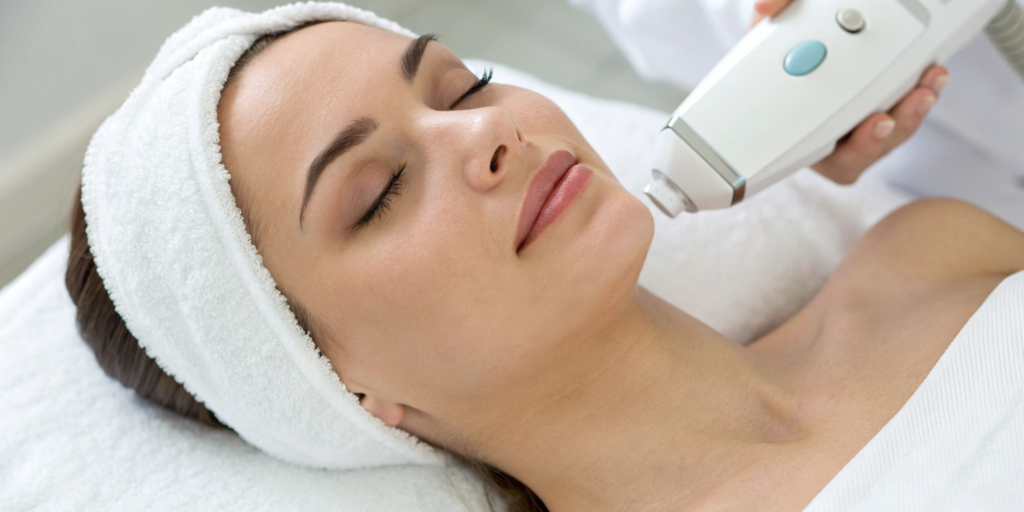
Let’s talk about the bottom line. You’re ready for smoother, clearer, more radiant skin, but you need to understand the financial commitment involved. Asking “how much does laser skin resurfacing cost” is the first step in creating a realistic plan. The price you’ll pay isn’t a one-size-fits-all number; it’s a reflection of a highly customized treatment plan designed just for you. At our physician-led San Diego clinic, we believe in full transparency. We’ll walk you through how the technology we choose for your facial rejuvenation, the areas you want to treat, and our medical expertise all come together to form the final cost, ensuring you feel confident and informed every step of the way.
Key Takeaways
- Understand what shapes the price tag: The final cost isn’t a flat fee; it’s determined by the intensity of the laser technology, the size of the area you’re treating, and the experience of your provider.
- Plan for the full cost of care: Your total investment includes more than just the laser session. Be sure to budget for your initial consultation, any required pre-treatment skincare, and the essential aftercare products needed for a smooth recovery.
- Prioritize expertise over a low price: While a deal can be tempting, your safety and results depend on the skill of your provider. Investing in a qualified, physician-led clinic is crucial, and most offer financing options to make the cost more manageable.
What Is Laser Skin Resurfacing?
Think of laser skin resurfacing as a powerful reset for your skin. It’s a cosmetic treatment that uses focused beams of light to address skin concerns with incredible precision. By gently removing skin layer by layer, the procedure triggers your body’s natural healing response, encouraging the growth of new, healthy cells and stimulating collagen production deep within the dermis. The result is smoother, clearer, and more youthful-looking skin.
This isn’t a one-size-fits-all facial. It’s a sophisticated, physician-led treatment tailored to your specific goals, whether you’re looking to soften fine lines, reduce the appearance of scars, or correct uneven pigmentation. Because it works by promoting your skin’s own renewal process, the improvements look and feel completely natural. It’s one of the most effective ways to manage a wide range of skin, acne, and pigment issues and achieve a lasting, healthy glow.
The Different Types of Laser Treatments
Laser treatments generally fall into two main categories: ablative and non-ablative. Ablative lasers work by removing the thin outer layer of your skin (the epidermis) and heating the underlying skin, which stimulates collagen growth. This approach is more intensive and requires a longer recovery period, but it often delivers dramatic, long-lasting results from a single session.
Non-ablative lasers are a gentler option. Instead of removing the top layer, they use heat to stimulate collagen production beneath the surface without injuring it. Because they are less invasive, the healing process is much quicker. However, you may need a series of treatments to achieve your desired outcome, and the results can appear more gradually over time.
What Can It Do for Your Skin?
Laser skin resurfacing is incredibly versatile and can address many of the most common skin complaints. If you’re bothered by visible signs of aging like fine lines, wrinkles, or age spots, this treatment can significantly soften their appearance. It’s also highly effective for improving skin texture, reducing blemishes, and minimizing scars from acne or past injuries.
Many people turn to laser treatments to reverse the effects of sun damage and correct issues with pigmentation, like dark spots. By removing damaged outer layers, the laser reveals the healthier, more evenly toned skin underneath. Ultimately, it’s a comprehensive approach to facial rejuvenation and anti-aging that helps you achieve a smoother, clearer, and more radiant complexion.
How Much Does Laser Skin Resurfacing Cost?
Let’s talk numbers. When you’re considering a treatment like laser skin resurfacing, the cost is naturally a big part of the conversation. The truth is, there’s no one-size-fits-all price tag. The final cost depends on several factors, with the most significant being the type of laser technology used for your treatment. Think of it as choosing between a deep renovation and a targeted refresh—each comes with a different scope of work and a different budget.
Understanding the different laser categories is the first step to figuring out what your investment might look like. The three main types are ablative, non-ablative, and fractional lasers. Each one works differently to address concerns like fine lines, wrinkles, sun damage, and acne scars, and their intensity level directly influences the price. At RewindMD, we focus on creating a personalized facial rejuvenation plan that aligns with your skin goals and your budget, ensuring you know exactly what to expect before you begin. This breakdown will give you a clear picture of the typical price ranges for each type of laser treatment, so you can start planning your path to smoother, more radiant skin.
Cost of Ablative Lasers
Ablative lasers are the most powerful option for skin resurfacing. They work by removing the thin outer layer of skin (the epidermis) and heating the underlying skin (the dermis), which stimulates the growth of new collagen fibers. Because this approach is more intensive, it delivers dramatic results, but it also comes with a higher price point. According to data on cosmetic procedures, the average cost of ablative laser skin resurfacing is around $2,509. Powerful CO2 lasers, a common type of ablative laser, can range from $2,446 to $6,700, depending on the size of the treatment area and the complexity of your skin concerns.
Cost of Non-Ablative Lasers
If you’re looking for a gentler approach with minimal downtime, non-ablative lasers are an excellent choice. These lasers work by heating the underlying skin tissue to stimulate collagen production without harming the surface. This makes the recovery process much quicker. As you might expect, these treatments are typically more affordable per session. The average cost for non-ablative treatments is about $1,445. For example, Erbium lasers often fall between $2,000 and $2,500, while pulsed-dye lasers used for redness and pigmentation can cost between $400 and $800. Keep in mind that you may need a series of treatments to achieve your desired results.
Cost of Fractional Lasers
Fractional lasers offer a great middle ground, delivering impressive results with less downtime than a fully ablative laser. This technology treats the skin in a pixelated pattern, creating thousands of microscopic treatment zones while leaving the surrounding tissue untouched. This approach speeds up healing and reduces recovery time. The national average cost for fractional laser resurfacing ranges from $400 to $2,500 per session. The final price depends on the specific device being used, the size of the area you’re treating, and the expertise of your provider. It’s a popular choice for those who want significant improvement without a lengthy recovery period.
Is Laser Resurfacing a One-Time Cost?
When budgeting for laser treatments, it is important to distinguish between ablative and non-ablative lasers.
- Ablative Lasers (CO2): Higher cost per session (typically $1,500–$3,000) but often only requires one treatment for dramatic results.
- Non-Ablative Lasers (Fractional): Lower cost per session ($500–$1,000) but usually requires a series of 3 sessions for optimal results.
The Rewind MD Value: Your investment covers not just the laser time, but the pre-treatment numbing, post-treatment soothing balms, and a follow-up assessment to ensure your skin is regenerating perfectly.
What Factors Influence the Final Cost?
When you start looking into laser skin resurfacing, you’ll quickly notice that there isn’t a single, standard price tag. The final cost is a bit like a custom-tailored suit—it depends on a variety of factors that are specific to you, your skin, and your goals. Think of the initial price range you see online as a starting point. From there, the type of laser used, the area you want to treat, and even your provider’s expertise will shape the final number.
Understanding these variables is key to setting a realistic budget and making an informed decision. It’s not just about finding the cheapest option; it’s about understanding what you’re paying for and ensuring you get safe, beautiful results. Let’s break down the main components that influence the cost of a laser treatment, so you know exactly what to expect and what questions to ask during your consultation. This way, you can feel confident that you’re making a smart investment in your skin’s health and appearance.
The Technology Used
Not all lasers are created equal, and the technology your provider uses is one of the biggest factors in the overall cost. Treatments can range from a few hundred dollars to several thousand, largely depending on the type of laser. More intensive, ablative lasers that remove the outer layer of skin typically cost more than gentler, non-ablative lasers that work by heating the underlying tissue.
Advanced systems, like fractional lasers, often come with a higher price tag because they offer a great balance of effectiveness and reduced downtime. The right facial rejuvenation plan for you will depend on your specific skin concerns, and your provider will recommend the best technology to achieve your goals, which will be reflected in the final price.
The Size and Complexity of the Treatment Area
It makes sense that the more skin you treat, the more the procedure will cost. A small, targeted treatment to address fine lines around the eyes or mouth will be significantly less expensive than a full-face resurfacing. The complexity of the issue also plays a role. Treating minor sun spots or uneven tone is often more straightforward than addressing deep-set wrinkles or significant acne scarring.
More complex concerns may require more sessions or a more powerful laser setting, which can increase the price. During your consultation, your provider will assess the areas you want to improve and create a personalized treatment plan, giving you a clear idea of how the size and condition of the area affect the total cost.
Your Clinic’s Location
Just like real estate, location matters in the world of aesthetic treatments. The city and even the neighborhood where your clinic is located can influence pricing. A clinic in a major metropolitan area with higher rent and operating costs will likely have different pricing than one in a smaller town. For example, prices in San Diego may differ from those in other parts of the country.
While it can be tempting to shop around for a lower price in a different area, remember to factor in the cost and inconvenience of travel, especially if you need multiple sessions. Choosing a reputable, conveniently located clinic ensures your entire experience is as smooth and stress-free as possible.
Your Provider’s Experience
When it comes to your face, experience is not the place to cut corners. The skill and qualifications of your provider are a critical factor in both the cost and the outcome of your treatment. A board-certified, physician-led team with years of specialized experience in laser resurfacing will command a higher fee than a less experienced technician.
This higher cost is an investment in your safety and results. An expert hand significantly reduces the risk of complications like burns or scarring and ensures the treatment is tailored perfectly to your skin type. Choosing a provider with a deep understanding of functional wellness ensures they see the big picture of your health, leading to better, safer outcomes that are well worth the price.
Are There Any Hidden Costs to Consider?
When you’re budgeting for a procedure like laser skin resurfacing, the number you see in a price list isn’t always the final amount you’ll pay. The total investment often includes more than just the treatment itself. To get a clear picture and avoid any financial surprises, it’s smart to think about the entire process, from your first meeting with a specialist to your final follow-up appointment.
Understanding these potential extra costs ahead of time helps you plan properly and ensures you’re making a fully informed decision. Think of it as mapping out your entire journey to glowing skin, not just the main event. A transparent provider will be happy to walk you through a complete cost breakdown, so you know exactly what to expect. Let’s look at the common expenses that can pop up along the way.
The Initial Consultation Fee
Before you can even schedule your laser treatment, you’ll need an initial consultation. Most reputable, physician-led clinics charge a fee for this first appointment. This isn’t just an administrative charge; it covers the specialist’s time and expertise to thoroughly assess your skin, discuss your goals, and determine if you’re a good candidate for the procedure. During this meeting, they will create a personalized facial rejuvenation plan tailored to you. Some clinics will apply this consultation fee toward the cost of your treatment if you decide to move forward, so be sure to ask if that’s an option.
Pre-Treatment Skincare Prep
Getting the best results from laser resurfacing often starts weeks before your actual appointment. Your provider will likely recommend a specific skincare regimen to prepare your skin. This might include using products with retinoids or other agents to prime the skin, ensuring it responds well to the laser and heals optimally. This pre-treatment phase is a crucial investment in your final outcome. Depending on the products required, this step can add to your overall budget, so it’s a good idea to ask what your customized skin plan will involve and the estimated cost of the recommended products.
Aftercare Products and Medications
Your work isn’t done once the laser treatment is over. Proper aftercare is essential for a smooth recovery and for protecting your beautiful results. Your provider will give you a list of necessary post-treatment products, which typically includes a gentle cleanser, a rich moisturizer or healing ointment, and, most importantly, a high-SPF broad-spectrum sunscreen. In some cases, you might also need prescription medications like antibiotics or antivirals to prevent infection. According to the American Academy of Dermatology Association, following your dermatologist’s aftercare instructions is key to healing properly and seeing the best results.
Follow-Up Appointments
After your procedure, you’ll need to see your provider for one or more follow-up appointments. These visits are important so they can monitor your healing, check on your progress, and make sure everything is going as planned. While many clinics include the cost of standard follow-up care in the initial price of the treatment package, it’s not always the case. It’s a simple but important question to ask during your consultation: Are follow-up visits included, and if so, how many? Knowing this upfront helps you understand the full scope of your financial commitment and ensures your recovery is fully supported.
Will Insurance Cover Laser Skin Resurfacing?
It’s one of the first questions on everyone’s mind: will my insurance help with the cost? The answer depends entirely on why you’re getting the treatment. Navigating the line between cosmetic and medical necessity can be tricky, but understanding the difference is key to figuring out your financial plan. Most of the time, laser resurfacing is considered an elective cosmetic procedure, but there are some important exceptions to know about.
Even if your treatment isn’t covered, don’t let the price tag discourage you. Many clinics understand that this is a significant investment in yourself and offer ways to make it more manageable. Let’s break down what you can expect when it comes to insurance coverage and other payment solutions.
Cosmetic vs. Medically Necessary Treatments
Here’s the straightforward truth: health insurance almost never covers procedures that are purely for cosmetic improvement. If you’re hoping to smooth fine lines, reduce sun spots, or simply achieve a more refreshed look, you should plan to pay for the treatment out-of-pocket. The American Society of Plastic Surgeons confirms that cosmetic surgeries like laser skin resurfacing are typically not covered by insurance plans.
However, the situation changes if the treatment is deemed medically necessary. For example, if a laser is used to remove precancerous growths or to treat severe scarring from an accident or surgery that impedes function, your insurance provider may cover a portion of the cost. This requires clear documentation from your doctor, so it’s crucial to discuss your specific skin concerns during your consultation.
Exploring Payment and Financing Options
If your procedure is cosmetic, the full cost will be your responsibility. But that doesn’t mean you have to pay the entire amount all at once. We believe that feeling your best shouldn’t be out of reach, which is why we offer flexible solutions to fit your budget. Many aesthetic clinics provide payment plans that allow you to break down the total cost into smaller, more manageable monthly installments.
Additionally, third-party financing options, like CareCredit, are specifically designed for health and wellness expenses. These services often feature low- or no-interest promotional periods, making it easier to invest in your skin without financial stress. During your consultation at RewindMD, we can walk you through all the available options and help you find a plan that works for you.
A Price Comparison of Laser Technologies
When you start looking into laser skin resurfacing, you’ll quickly see that not all lasers are created equal—and neither are their price tags. The technology your provider recommends will depend entirely on your skin goals, whether you’re looking to smooth deep-set wrinkles, fade acne scars, or simply refresh your overall complexion. Understanding the general cost differences between the main types of lasers can help you set a realistic budget and have a more informed conversation during your consultation.
Think of it like this: a deep, intensive treatment that requires more downtime will naturally cost more than a lighter, more superficial one. The key is to match the right technology to your specific needs. Here, we’ll break down the typical costs associated with the most common laser types, including CO2, Erbium, and fractional lasers, so you can get a clearer picture of the potential investment in your skin. This will help you understand what you’re paying for and why one option might be priced differently than another. It’s all part of creating a comprehensive plan that aligns with both your desired results and your financial comfort zone.
The Price of CO2 Lasers
CO2 lasers are the heavy hitters of the laser world. They are ablative, meaning they remove the thin outer layer of skin, and are incredibly effective for treating more significant concerns like deep wrinkles, severe sun damage, and prominent scars. Because this treatment is so powerful and requires significant expertise, it comes with a higher price tag. A full-face CO2 treatment can cost several thousand dollars, but the investment reflects the dramatic, long-lasting results this technology can deliver for comprehensive facial rejuvenation. It’s a powerful tool for turning back the clock on your skin.
The Price of Erbium Lasers
If you’re looking for noticeable improvement with less downtime, an Erbium laser might be the right fit. This type of ablative laser is gentler than a CO2 laser, making it ideal for addressing more superficial issues like fine lines, mild sun damage, and minor texture irregularities. Because it’s less intensive, the recovery period is typically shorter, and the cost is often more accessible. You can generally expect Erbium laser treatments to fall on the lower end of the ablative laser price spectrum. It’s a great option for people who want a significant refresh without the commitment of a more aggressive procedure.
The Price of Fraxel and Other Fractional Lasers
Fractional lasers offer a fantastic middle ground. Instead of treating the entire skin surface, these devices create tiny, microscopic treatment zones, leaving the surrounding skin untouched. This approach stimulates collagen production and promotes rapid healing. Fractional lasers can be either ablative or non-ablative, making them incredibly versatile for treating everything from pigmentation and fine lines to overall skin texture. The cost can vary widely, from a few hundred dollars for a small spot treatment to several thousand for a full-face series. This flexibility allows your provider to create a truly customized skin treatment plan tailored to your goals and budget.
Common Myths About Laser Resurfacing Costs
When you start researching laser skin resurfacing, the range of prices can feel overwhelming. It’s easy to get drawn in by a low price or make assumptions about what’s included in a quote. Let’s clear up some of the most common myths about the cost so you can approach your treatment with confidence and a clear understanding of the investment you’re making in your skin.
Being an informed patient is the best way to ensure you get beautiful, lasting results safely. Understanding the financial side of things is a huge part of that. We’ll walk through why a bargain might not be a bargain, what a price quote really includes, and what to expect from your insurance provider. This way, you can focus on what matters most: choosing a qualified provider and getting the healthy, glowing skin you want.
Why a “Great Deal” Might Be a Red Flag
We all love a good deal, but when it comes to your skin, an unusually low price for laser resurfacing should be a major red flag. A clinic offering a full-face treatment for a couple of hundred dollars is likely cutting corners somewhere significant. This could mean they’re using outdated technology that is less effective and potentially less safe, or that the procedure is being performed by an undertrained technician. A poorly executed laser treatment can lead to skin damage, scarring, or pigmentation issues, costing you far more in corrective skin treatments than you would have paid for a quality procedure in the first place.
The “All-Inclusive” Pricing Myth
It’s important to know that the first price you see quoted online is often not the final price you’ll pay. National averages, like the one provided by the American Society of Plastic Surgeons, typically only cover the provider’s fee and the facility fee. They don’t account for other necessary expenses. Your total cost will likely also include your initial consultation, any pre-treatment skincare products, post-procedure medications like antibiotics or pain relievers, and specialized aftercare products. When you receive a quote for facial rejuvenation, always ask for a detailed breakdown of exactly what is and isn’t included.
Setting Realistic Insurance Expectations
One of the most frequent questions is whether health insurance will cover laser skin resurfacing. In most cases, the answer is no. Because these treatments are typically performed for cosmetic reasons—to address wrinkles, sun spots, or uneven texture—insurance companies classify them as elective procedures. There are rare exceptions. If the treatment is deemed medically necessary, such as for removing precancerous growths or treating certain types of scars from an accident, there may be a chance for partial coverage. However, you should always plan for this to be an out-of-pocket expense and speak directly with your insurance provider beforehand.
How to Choose the Right Provider for Your Budget
Finding the right laser skin resurfacing treatment is about more than just the price tag; it’s an investment in your skin’s health and your confidence. While your budget is an important factor, the provider’s skill and the quality of care should be your top priorities. The goal is to find a clinic that offers exceptional value through expertise, advanced technology, and transparent pricing. A lower price upfront can sometimes lead to disappointing results or additional costs down the line to fix complications. Focusing on quality ensures you get the beautiful, lasting results you’re looking for safely.
Vetting a Provider’s Qualifications
When you’re researching providers, their credentials are the most important thing to consider. Look for a clinic led by a board-certified physician with extensive experience in cosmetic dermatology or plastic surgery. This certification is a reliable indicator that the provider has completed rigorous training and meets high standards for patient safety and care. An experienced specialist will know how to customize the treatment for your specific skin type and concerns, which significantly reduces the risk of side effects like burns or scarring. While a highly qualified provider might have higher fees, you’re paying for their expertise and the peace of mind that comes with it. You can verify a doctor’s credentials through official medical board websites.
Questions to Ask During Your Consultation
Your consultation is the perfect opportunity to get all your questions answered and make sure you feel comfortable with the provider. Don’t hesitate to ask about costs, experience, and what you can expect. A transparent and trustworthy provider will be happy to walk you through everything.
Here are a few key questions to ask:
- What is the total cost of the treatment plan you’re recommending?
- Does this price include the consultation, follow-up appointments, and any necessary aftercare products?
- How many treatments will I likely need to achieve my desired results?
- What are your financing or payment plan options?
This is also your chance to learn more about their specific facial rejuvenation and anti-aging philosophies to ensure they align with your goals.
Budgeting for Your Recovery and Aftercare
The price of the laser treatment itself is just one piece of the puzzle. To get a complete picture of the total investment, you also need to think about the recovery period and the products you’ll need to support your skin’s healing process. These aren’t just minor details; they are essential components of a successful outcome. Planning for these aspects ahead of time ensures a smooth, stress-free recovery and helps you achieve the best possible results from your treatment. Think of it as setting yourself up for success.
It’s all part of our commitment to helping you feel confident from the inside out, which means preparing you for every step of your journey. At RewindMD, we believe in full transparency. We provide a comprehensive plan that covers not just the procedure but also the crucial aftercare that follows, ensuring your skin gets the dedicated attention it deserves. We’ll discuss potential time off from work, what your social calendar might look like post-treatment, and the exact skincare you’ll need to heal beautifully. This holistic approach ensures there are no surprises and that you feel supported from your initial consultation to your final follow-up.
Factoring in Downtime
When you’re planning for laser skin resurfacing, “downtime” isn’t just about resting—it’s a real factor in your budget, especially if it means taking time away from work. The amount of recovery time you’ll need depends entirely on the type of laser treatment you receive. More intensive ablative lasers, which are fantastic for addressing deeper wrinkles and scars, typically require a healing period of one to three weeks. During this time, you can expect significant redness that may linger for a couple of months. On the other hand, non-ablative treatments are much gentler, with minimal recovery time that often allows you to get right back to your daily routine. It’s important to discuss these timelines during your consultation so you can plan accordingly.
Your Aftercare Shopping List
Your skin will need some extra TLC after your procedure, and that means investing in a solid aftercare routine. Think of it as a shopping list for your skin’s recovery. These products are rarely included in the initial price quote, so it’s smart to budget for them separately. You’ll likely need special moisturizers, healing creams, and sometimes even antibiotics to prevent infection and promote healing. This can add anywhere from $100 to $500 to your total cost. Additionally, we may recommend a specific skincare regimen for a few weeks before your treatment to prepare your skin, which could be an additional $100 to $300. We’ll walk you through exactly what you need for our facial rejuvenation treatments so there are no surprises.
Related Articles
Frequently Asked Questions
Does laser skin resurfacing hurt? This is one of the most common questions, and it’s a fair one! Your comfort is a top priority, so your provider will apply a topical numbing cream to the treatment area before starting. Most people describe the sensation as a series of quick, warm snaps against the skin, similar to a rubber band. More intensive treatments might feel a bit more intense, but the procedure is generally very tolerable. Your provider will ensure you are as comfortable as possible throughout the entire process.
How many treatments will I actually need? The number of sessions you’ll need really depends on the type of laser being used and what you’re hoping to achieve. For powerful ablative lasers, many people see dramatic results after just a single treatment. If you opt for a gentler, non-ablative laser, you will likely need a series of three to five sessions, spaced about a month apart, to build up to your final result. During your consultation, we’ll create a personalized plan that maps out the exact number of treatments needed to reach your goals.
How long will my results last? The results from laser skin resurfacing can be incredibly long-lasting. For many people, the improvements can last for several years. The treatment stimulates your body’s own collagen production, creating a change that is more than just superficial. However, it doesn’t stop the natural aging process. The best way to protect your investment and maintain your beautiful results is to commit to a daily skincare routine that includes a high-quality, broad-spectrum sunscreen.
Is laser skin resurfacing safe for all skin tones? While laser technology has come a long way, it’s not a one-size-fits-all solution. Certain types of lasers carry a higher risk of causing pigmentation changes, especially for individuals with darker skin tones. Additionally, if you have active acne breakouts or certain skin conditions, this might not be the right treatment for you at this time. This is why a thorough consultation with an experienced, physician-led team is so important. We can assess your unique skin and determine the safest, most effective approach for you.
Is there a best time of year to get this treatment done? Yes, planning your treatment around the seasons is a smart move. Fall and winter are generally considered the ideal time for laser skin resurfacing. After the procedure, your skin will be extremely sensitive to sunlight, and staying out of the sun is critical for proper healing and avoiding complications. It’s much easier to protect your fresh, new skin from UV rays when the days are shorter and you’re spending more time indoors.
