When you’re searching for a snoring solution, the options can feel overwhelming. You could try a bulky CPAP machine, which many find uncomfortable and inconvenient for nightly use. There are also oral appliances that reposition your jaw, but they don’t work for everyone and can be a hassle. Then there’s the laup snoring treatment, a completely different approach. Instead of relying on nightly equipment or temporary adjustments, this minimally invasive procedure directly addresses the anatomy causing the snoring. It offers a path to quieter sleep without being attached to a machine, making it a compelling option for those seeking a more permanent and convenient solution.
Key Takeaways
- LAUP offers a targeted solution for snoring: This in-office laser procedure reshapes the soft tissue in your throat to reduce the vibrations that cause snoring, providing a minimally invasive alternative to traditional surgery.
- A professional diagnosis is essential: LAUP is designed for simple, habitual snoring, not Obstructive Sleep Apnea (OSA). A physician-led evaluation is the only way to determine the true cause of your snoring and ensure you are a candidate for the right procedure.
- Understand the full picture before committing: Be prepared for a recovery period with a significant sore throat, the likelihood of multiple sessions for the best results, and the fact that insurance typically does not cover the procedure for simple snoring.
What Is LAUP for Snoring?
If snoring is keeping you or your partner from getting a good night’s sleep, you might be looking for a real solution. One option you may have heard about is Laser-Assisted Uvulopalatoplasty, or LAUP. It’s a procedure designed to reduce snoring, and in some cases, it can also help with mild obstructive sleep apnea. Think of it as a way to quiet the noise by addressing the source directly, helping you get more restful sleep.
How a Laser Can Quiet Snoring
So, how does a laser stop you from snoring? It’s all about creating more space for air to move freely. During the LAUP procedure, a specialized laser is used to carefully reshape the soft tissue at the back of your throat. This includes trimming the uvula (that little piece of tissue that hangs down) and parts of the soft palate. These are often the culprits behind snoring, as they can vibrate or block your airway while you sleep. By removing a small amount of this tissue, the procedure widens the airway, which helps reduce the vibrations that cause snoring. Our physician-led team can determine if this is the right approach for your specific sleep and snoring concerns.
A Step-by-Step Look at the Procedure
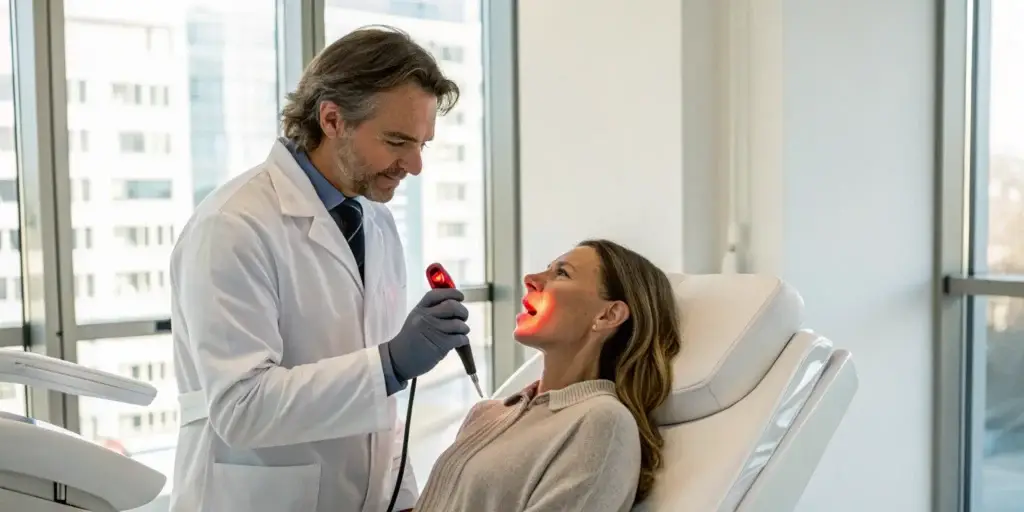
The thought of any procedure can be a little nerve-wracking, but LAUP is designed to be straightforward. It’s an outpatient treatment, which means you’ll be in and out of the clinic on the same day. You’ll be awake the whole time, but don’t worry, the area will be completely numbed with a local anesthetic so you won’t feel any pain during the treatment. Your physician will then use the laser to precisely remove excess tissue from your uvula and soft palate. The entire process is relatively quick, and the main goal is to open up your airway for quieter, more restful nights.
How Many Sessions Will You Need?
LAUP isn’t a one-and-done treatment for everyone; it’s more of a gradual process. The exact number of sessions you’ll need can vary, but most people require between one and five treatments to achieve the best results. Each session is typically scheduled four to eight weeks apart to allow the area to heal properly. This multi-session approach allows your physician to make precise, controlled adjustments over time. The right treatment plan for you will be determined during your consultation, where we can assess your specific needs and map out a path toward achieving your wellness goals.
Is LAUP Right for You?
Deciding if a treatment is the right fit for you is the most important step. While LAUP is an effective solution for many people, it’s specifically designed for those who struggle with simple, habitual snoring. It’s not a one-size-fits-all fix, and the best candidates are those whose snoring isn’t linked to more complex underlying conditions.
To figure out if you’re a good candidate, we need to look at two key areas. First, we have to understand the root cause of your snoring. Is it a simple vibration of tissues, or is it a sign of something more serious like sleep apnea? Second, we’ll consider how your personal health and lifestyle habits might be contributing to the noise. A thorough consultation helps us connect these dots to see if LAUP is your best path to quieter nights. Our goal is to find a lasting sleep and snoring solution that truly works for your unique situation.
Understanding the Difference: Snoring vs. Sleep Apnea
It’s easy to use “snoring” as a catch-all term, but there’s a critical difference between simple snoring and Obstructive Sleep Apnea (OSA). Simple snoring is the sound made by vibrating tissues in your throat. While it can be disruptive, it’s not typically dangerous on its own. OSA, however, is a medical condition where you repeatedly stop and start breathing throughout the night.
Because snoring is a primary symptom of OSA, and some studies suggest about half of chronic snorers may have the condition, a proper diagnosis is essential. LAUP is an excellent treatment for simple snoring, but it is not a treatment for sleep apnea. Our physician-led team uses a functional medicine approach to get a complete picture of your health and determine the true cause of your snoring before recommending any procedure.
How Your Lifestyle Plays a Role
Your daily habits and overall health play a significant role in whether you snore. Factors like being overweight can contribute to snoring, as excess tissue around the neck can narrow your airway. Snoring also tends to become more common as we get older. Things like alcohol consumption, especially before bed, can relax the throat muscles and make snoring worse.
During your consultation, we’ll talk through your health history and lifestyle. This isn’t about judgment; it’s about understanding all the contributing factors. For some people, addressing these elements is a key part of the solution. If weight is a concern, our weight loss programs can be an integral part of your overall wellness plan, helping you achieve quieter sleep from the inside out.
The Upside: Key Benefits of LAUP
If you’re tired of snoring disrupting your sleep (and maybe your partner’s), it’s worth looking at the advantages of Laser-Assisted Uvulopalatoplasty (LAUP). This treatment isn’t just about quieting the noise; it’s about reclaiming restful nights and improving your overall well-being. The procedure is designed to be both effective and convenient, offering a straightforward path to better sleep without the need for a lengthy hospital stay or recovery. Let’s break down exactly what makes LAUP a compelling option for so many people.
Enjoy Quieter, More Restful Nights
The most immediate and welcome benefit of LAUP is the peace and quiet it brings to your bedroom. The entire goal of the procedure is to reduce the vibrations in your throat that cause snoring. For many, this means their snoring gets significantly quieter or stops altogether. This change can be transformative, leading to deeper, more restorative sleep. When you’re not constantly waking yourself (or your partner) up, you’ll feel more energized and focused during the day. It’s a simple change that can have a ripple effect on your quality of life, improving everything from your mood to your productivity. If you’re ready to explore solutions, our team can help you find the right sleep and snoring treatment.
A Quick, Convenient Outpatient Treatment
One of the biggest draws of LAUP is how easily it fits into a busy schedule. This is an outpatient procedure, which means you’ll come into the clinic for the treatment and head home the same day. There’s no need to plan for a hospital stay. The procedure itself is done using local anesthesia, so you’ll be comfortable and awake the whole time. Because it’s minimally invasive, the recovery is typically very fast. Most people find they can get back to their normal daily activities almost right away. This convenience makes it a practical choice for anyone who wants an effective snoring solution without a major disruption to their life.
Understanding the Risks and Side Effects
Any medical procedure comes with potential risks and a recovery period, and LAUP is no exception. Going into your treatment with a clear understanding of what to expect will help you prepare for the healing process and make an informed decision. While many people find the recovery manageable, it’s important to be aware of the common side effects and the less frequent complications. Being prepared is the best way to ensure a smooth and comfortable recovery.
What to Expect Immediately After
The good news is that LAUP is an outpatient procedure, so you can go home the same day and get back to your daily routine fairly quickly. The primary side effect you’ll need to prepare for is a sore throat. Most patients describe it as a significant sore throat that can last for about seven to ten days. It’s a good idea to have soft foods, cool drinks, and any prescribed pain relievers on hand before your appointment. While the discomfort is temporary, planning for it can make your first week of recovery much more pleasant.
Potential Complications to Consider
Beyond the expected sore throat, there are a few other potential complications to be aware of. The recovery period can be painful for some, with difficulty swallowing that may last for several days or even weeks. In rarer cases, patients have reported changes to their voice, making it sound more nasal. Another uncommon side effect is velopharyngeal insufficiency, where food or liquid can come up through the nose when you swallow. Discussing these possibilities with your doctor will help you understand your personal risk factors and what to watch for during your recovery.
A Note on Sleep Apnea
This is a critical point: LAUP is a treatment for simple snoring, not Obstructive Sleep Apnea (OSA). Many studies and medical experts advise against using this laser surgery for OSA because it may not be an effective long-term solution. Some insurance providers even consider it an “investigational” procedure for sleep apnea, meaning its benefits aren’t fully proven for that condition. The first step is always getting a proper diagnosis to see if your snoring is a standalone issue or a symptom of OSA. A thorough evaluation of your sleep and snoring is essential to determine the safest and most effective treatment for you.
Your LAUP Recovery Timeline
Knowing what to expect after your LAUP procedure can make the recovery process feel much more manageable. While the treatment itself is quick, your body will need some time to heal. Here’s a realistic look at the recovery timeline and how you can stay comfortable.
The First 7 Days
You can get back to most of your normal daily activities almost immediately after the procedure. The biggest thing to prepare for is a sore throat. Many people describe it as feeling like a particularly bad one, and this discomfort can last for about a week to 10 days. This is a completely normal part of the healing process as the treated tissue recovers. While it’s not pleasant, it’s a sign that the treatment is working. Our team at RewindMD is dedicated to finding the right sleep and snoring treatments for you, and we’ll be here to guide you through every step, including recovery.
Tips for Managing Discomfort
Your main goal during recovery will be managing the sore throat. We will provide you with a detailed post-procedure care plan, but a few general tips can make a big difference. Over-the-counter pain medicine and anti-inflammatory drugs are usually very effective at taking the edge off. Staying hydrated is also key, so be sure to drink plenty of cool water. Some people find that gargling with salt water or using throat lozenges provides temporary relief. The key is to stay ahead of the pain rather than waiting for it to become severe.
What to Eat and When to Rest
While you can technically talk and eat right away, you’ll probably want to stick to a soft diet for the first few days. The soreness can make swallowing feel difficult, so things like smoothies, yogurt, soup, and mashed potatoes will be your best friends. Try to avoid anything hard, crunchy, or spicy that could irritate your throat. You should also listen to your body when it comes to talking. If it hurts, give your voice a rest. Your body is working hard to heal, so taking it easy is the best thing you can do to support a smooth recovery.
Your Follow-Up Appointments
LAUP is rarely a one-time fix. For the best and most lasting results, you will likely need a series of treatments. Most patients receive between one and three sessions, though some may need up to five. These appointments are typically scheduled four to eight weeks apart to give the tissue in your soft palate ample time to heal and respond. During your follow-up visits, we will assess your progress and determine the next steps in your personalized treatment plan. This multi-step approach ensures we can fine-tune the procedure to effectively reduce your snoring and improve your sleep quality.
LAUP vs. Other Snoring Solutions
If you’re tired of snoring, you’ve probably already looked into a few different remedies. From simple lifestyle changes to bulky machines, there are many paths you can take to find a quieter night’s sleep. LAUP is a modern, effective option, but it’s helpful to see how it compares to other common solutions. Understanding the pros and cons of each can help you decide which approach is the right fit for you and your partner.
Compared to CPAP Machines
A CPAP (Continuous Positive Airway Pressure) machine is often prescribed for sleep apnea, but some people use it for severe snoring. It involves wearing a mask connected to a machine that pushes air into your throat to keep your airway open. While it can be effective, it comes with significant lifestyle adjustments. Many people find the mask uncomfortable, the machine noisy, and the nightly routine a hassle. Plus, you have to deal with cleaning the equipment and potential side effects like a dry mouth or nose.
LAUP offers a completely different experience. Instead of relying on nightly equipment, it’s an in-office procedure that directly addresses the tissue causing the snoring. After a few short sessions, many people can sleep freely without being attached to a machine.
Compared to Oral Appliances and Lifestyle Adjustments
For some, snoring can be managed with oral appliances (like custom-fit mouthguards that reposition your jaw) or lifestyle changes. Things like losing weight, sleeping on your side, or avoiding alcohol before bed can certainly help reduce mild snoring. These are often great first steps. However, if your snoring is caused by the structure of your soft palate and uvula, these methods may not be enough to solve the problem.
LAUP works on a different level by physically altering the tissue that vibrates and creates the sound of snoring. It’s a targeted solution for when lifestyle tweaks and oral devices don’t provide the relief you need. At RewindMD, we can also explore functional wellness strategies to support your overall health alongside targeted treatments.
Compared to Traditional Surgery (UPPP)
Before laser treatments became available, the primary surgical option for snoring was Uvulopalatopharyngoplasty (UPPP). This is an invasive surgery performed under general anesthesia where a surgeon cuts away excess tissue from the soft palate and throat. The recovery is notoriously long and painful, often taking several weeks. Worse yet, its long-term success rate is only around 50%, and it carries risks like permanent changes to your throat or difficulty swallowing.
LAUP is a far less aggressive alternative. It uses a precise laser to reshape and stiffen the tissue instead of cutting it out. This means no general anesthesia, a much quicker recovery, and significantly fewer risks. It’s a modern approach that offers a powerful solution without the difficult recovery of traditional snoring treatments.
How Long Do the Results Last?
One of the most common questions about any snoring treatment is whether the results will stick around for good. With LAUP, the answer is a bit nuanced. While many people experience a significant reduction in snoring shortly after the procedure, it’s helpful to view it as a powerful tool rather than a guaranteed permanent cure. The longevity of your results depends on several factors, including your individual anatomy, lifestyle, and the underlying cause of your snoring.
For some, the improvement is long-lasting, providing years of quieter nights. For others, the effects can diminish over time. This is why having a clear understanding of the potential outcomes and success rates is so important before you decide on a treatment path. It’s also why a thorough evaluation with a medical professional is the best first step. They can help set realistic expectations and determine if LAUP is the most effective option for your specific situation or if another approach might offer more durable results.
What the Success Rates Show
When you look at the data, the success rates for LAUP can be mixed. Studies indicate that the procedure often has limited success for individuals with mild to moderate sleep apnea, a condition that frequently coexists with snoring. It’s also not a proven solution for the daytime sleepiness that can accompany sleep apnea. This is because LAUP targets the uvula to reduce snoring vibrations, but it doesn’t address the airway collapse that defines sleep apnea. For simple snoring, the initial results are often positive, but it’s crucial to have a proper diagnosis to ensure you’re treating the right problem.
Can Snoring Return Over Time?
It’s possible for snoring to come back after LAUP. The tissue in the soft palate and uvula can change or relax over the years due to aging or shifts in weight, which can cause snoring to return. Some reports suggest that for a number of patients, snoring gradually reappears within a year or two after the procedure. This doesn’t mean the treatment failed; it just highlights that our bodies are always changing. Think of it less as a one-time fix and more as a step in an ongoing journey to better sleep, which may require adjustments down the road.
What to Do If Your Snoring Comes Back
If you find your snoring returning after LAUP, don’t feel discouraged. It’s simply a sign that it’s time to reconnect with your medical team. A follow-up consultation can help determine why the snoring has returned and what the best next step is. It might involve exploring other lifestyle adjustments or considering different treatments. Because snoring that isn’t linked to a medical condition like sleep apnea is often considered a cosmetic issue, insurance may not cover initial or follow-up procedures. A physician-led team can help you create a comprehensive sleep and snoring strategy that addresses the root cause and fits your long-term wellness goals.
Breaking Down the Cost of LAUP
Thinking about the financial side of any medical procedure is a practical and important step. When it comes to LAUP, the total cost isn’t just a single number; it’s influenced by your specific needs, the number of treatments required, and your insurance plan. Getting a clear picture of the investment helps you make a confident decision. Here, we’ll walk through the key financial pieces so you know what to expect and what questions to ask.
What’s the Average Price?
On average, a single LAUP treatment can range from $2,000 to $3,000. This price point often reflects factors like the clinic’s location and the expertise of the physician performing the procedure. Think of it as a starting point. Because every person’s situation is unique, the best way to get an accurate number is through a personal consultation. During your visit, we can assess your specific needs and provide a detailed cost breakdown for your recommended sleep and snoring treatment plan.
Are There Other Costs to Consider?
Yes, and it’s important to plan for them. LAUP is often performed in a series of sessions to achieve the best results. While some people find relief after just one treatment, it’s more common to need between one and three sessions. In some cases, up to five may be recommended. Each session is typically scheduled four to eight weeks apart, allowing the tissue to heal properly. This multi-session approach means the final cost will be the price per session multiplied by the number of treatments you need.
Will Insurance Cover the Procedure?
This is one of the most common questions we get, and the answer is usually no. When LAUP is performed solely to stop snoring, most insurance companies consider it an elective procedure that is “not medically necessary.” Because of this classification, they typically do not cover the cost. It’s always a good idea to contact your insurance provider directly to understand your specific benefits, but it’s wise to prepare for LAUP to be an out-of-pocket expense. Our team can provide you with the documentation you need to submit a claim if you choose to.
Clearing Up Common Myths About LAUP
When you’re looking for a solution to snoring, you want clear, straightforward answers. Laser-Assisted Uvulopalatoplasty (LAUP) is a promising option for many, but it’s also surrounded by a lot of misinformation. Let’s walk through some of the most common myths so you can get a realistic picture of the procedure and decide if it’s the right path for you. Making an informed decision is the first step toward quieter nights and better rest.
Myth: “It’s a permanent cure for snoring.”
It would be wonderful if there were a single treatment that could guarantee a lifetime of silence, but that’s not quite how LAUP works. While it can be very effective, it’s not always a permanent fix. The results depend on what’s causing your snoring in the first place. For some, the improvement is long-lasting. For others, snoring can return over time due to aging, weight changes, or other lifestyle factors. Furthermore, some health professionals note that laser treatments have limited success for people with mild to moderate sleep apnea, which is a more complex condition than simple snoring.
Myth: “The recovery is always quick and painless.”
Because LAUP is a quick, outpatient procedure, many people assume the recovery is just as effortless. While you’ll go home the same day, you should plan for some downtime. Most patients report experiencing a significant sore throat, similar to a bad case of strep, for about a week to ten days. Swallowing can be difficult and uncomfortable during this time. We believe in being upfront about the recovery process. It’s a temporary and manageable phase, but it’s important to go into it with realistic expectations. We’ll be here to guide you on managing discomfort so you can heal as smoothly as possible.
Myth: “Insurance will definitely cover it.”
This is a big one, and the answer is almost always, “it depends.” Most insurance plans draw a line between procedures that are medically necessary and those that are not. If your snoring is a symptom of diagnosed obstructive sleep apnea, your plan might cover some of the cost. However, if the procedure is done only to quiet snoring that bothers you or your partner, insurance providers will likely consider it cosmetic and not medically necessary. The best course of action is to always check your specific health plan benefits. Our team at RewindMD can help you understand the costs and explore all your sleep and snoring treatment options.
Find Your Snoring Solution at RewindMD
If your snoring has become more than just a nightly nuisance, you know how much it can affect your quality of life, not to mention your partner’s. While there are countless over-the-counter gadgets, a physician-led approach gets to the root of the problem to help you and your loved ones finally get a quiet, restful night’s sleep. Here at RewindMD, we believe in a personalized strategy, because the right treatment for you depends entirely on your unique anatomy and health profile.
Our process begins with a comprehensive assessment to figure out exactly what’s going on. We’ll discuss your health history, sleep patterns, and lifestyle to determine the best path forward. For many, a minimally invasive procedure like Laser Assisted Uvulopalatoplasty (LAUP) can be a game-changer. This outpatient surgery is designed to open your airway and help with snoring by carefully reshaping the tissue at the back of your throat. It’s one of the advanced sleep and snoring treatments we use to help our patients find relief.
Of course, it’s important to know if you’re a good fit for a procedure like LAUP. You might be a good candidate if your snoring is a regular occurrence that disrupts others, but a thorough evaluation is key. Because we are a physician-led clinic, your health and safety are our top priorities. We’ll conduct a complete evaluation to ensure this is the most effective option for you, especially since its success can vary for those with more severe sleep apnea. Our goal is to match you with the treatment that will deliver the best results for your specific situation.
If you’re tired of sleepless nights and ready to explore a solution that truly works, we’re here to help. Taking that first step can feel like a big deal, but our team is here to guide you with care and expertise. Contact us to schedule your private consultation at our San Diego clinic. Together, we can create a plan to help you reclaim quiet nights and wake up feeling refreshed.
Related Articles
- Honest NightLase Reviews: Is It Worth It?
- NightLase Effectiveness: Does It Really Work?
- Is NightLase Treatment the Snoring Solution for You?
Frequently Asked Questions
Will the LAUP procedure itself hurt? Not at all. Before the treatment begins, your physician will apply a local anesthetic to completely numb the back of your throat. You will be awake and comfortable throughout the entire process, but you won’t feel any pain from the laser. The main discomfort you should prepare for is a sore throat that develops after the procedure and lasts for about a week.
How can I tell if my snoring is just snoring, or if it’s sleep apnea? While loud, chronic snoring is a key symptom of sleep apnea, it’s impossible to know for sure without a proper medical evaluation. Clues that might point to sleep apnea include waking up gasping for air, morning headaches, or feeling exhausted during the day no matter how much you slept. The most important step is a professional consultation. A physician can assess your symptoms and health history to give you a definitive diagnosis, which is critical for choosing a safe and effective treatment.
How much downtime should I actually plan for? You can return to most of your normal activities, like work, the very next day. However, the recovery is more about social and personal comfort. You should expect a significant sore throat for about a week, which can make talking and swallowing uncomfortable. It’s a good idea to plan for a few days of taking it easy, sticking to soft foods, and maybe clearing your social calendar so you can give your throat a rest.
Why are multiple sessions often needed for the best results? Think of it as a precise, gradual refinement process. The goal is to remove just enough tissue to open your airway without being too aggressive. The first session makes the initial change, and the follow-up appointments, scheduled weeks apart, allow your physician to see how your body has healed and responded. This multi-step approach lets us fine-tune the results for a more effective and lasting outcome tailored specifically to you.
How long will it take to notice a difference in my snoring? You may notice some improvement after the initial swelling from your first treatment goes down. However, since LAUP is typically performed over several sessions, the full and final results will be most apparent after you have completed your entire treatment plan and the tissue has completely healed. The gradual approach ensures the changes are effective and stable, leading to quieter nights in the long run.