For many couples, snoring is the unwelcome third party in the bedroom. It can lead to separate rooms, daytime fatigue, and a lot of frustration. While it’s often treated as a joke, the impact on relationships and personal health is very real. The sound of snoring is caused by tissues in the throat vibrating as air struggles to pass through a narrowed airway. The key to stopping the noise is to address what’s causing that narrowing. This guide is designed to help you move past temporary fixes and find the most effective snoring treatment by exploring everything from simple lifestyle changes to advanced, non-invasive medical solutions.
Key Takeaways
- Pinpoint the Cause Before Choosing a Solution: Effective snoring treatments are tailored to the specific reason you snore—be it your anatomy, lifestyle habits, or an underlying issue. A professional evaluation is the surest way to identify the root cause and find a plan that actually works.
- Simple Habit Changes Can Lead to Quieter Nights: Before exploring medical devices, try adjusting your sleep position, managing your weight, and avoiding alcohol close to bedtime. These foundational changes are a powerful first step and can often make a significant impact on their own.
- Don’t Ignore Persistent Snoring and Fatigue: If your snoring is loud, chronic, and paired with daytime tiredness or gasping sounds at night, it’s time to consult a professional. These can be signs of a more serious condition, and targeted treatments can provide lasting relief.
What’s Really Causing Your Snoring?
If you or your partner snores, you know it’s more than just a nighttime nuisance. It’s a sign that something is physically obstructing the airflow through your nose and throat. When you sleep, the muscles in your throat relax. If the airway narrows too much, the tissues vibrate as you breathe, creating that all-too-familiar sound. The real question is, what’s causing that narrowing?
The answer is often a combination of factors, from your unique anatomy to your daily habits. Understanding the root cause is the first step toward finding a solution that actually works. For some, a simple lifestyle tweak is all it takes. For others, the cause might be more complex, pointing to an underlying issue like sleep apnea. At RewindMD, our approach to sleep and snoring starts with identifying your specific triggers so we can create a plan for quieter, more restful nights.
The Role of Your Anatomy
Sometimes, the reason you snore is simply the way you’re built. Think of your airway as a tunnel—if it’s naturally narrower or has a few obstacles, air has a harder time getting through. Things like a low, thick soft palate, enlarged tonsils, or even a deviated septum can physically reduce the space for air to flow.
Even temporary issues like nasal congestion from allergies or a cold can be enough to trigger snoring. When your nasal passages are blocked, you’re forced to breathe through your mouth, which puts more pressure on the tissues in your throat. Understanding the physical causes of snoring helps pinpoint whether the solution lies in clearing your sinuses or addressing a more permanent structural issue.
How Lifestyle Habits Contribute
Your daily routines and habits have a surprisingly big impact on what happens after you fall asleep. For example, drinking alcohol, especially close to bedtime, relaxes your throat muscles more than usual, making your airway more likely to collapse and vibrate. Similarly, sedatives can have the same effect.
Carrying extra weight can also contribute, as excess fatty tissue around the neck can put pressure on your airway. This is why doctors often recommend lifestyle changes as a first-line defense against snoring. Simple adjustments to your diet, exercise, and evening habits can make a significant difference in how freely you breathe throughout the night, leading to quieter sleep for everyone.
The Impact of Age and Gender
Two factors you can’t control—age and gender—also play a key role in snoring. As we get older, the muscle tone throughout our bodies naturally decreases, and that includes the muscles in the back of our throat. This loss of tone can cause the airway to narrow more easily during sleep, leading to new or worsening snoring.
Statistically, men are more likely to snore than women. This is partly due to anatomical differences; men typically have narrower air passages than women. While you can’t turn back the clock or change your anatomy, knowing that these factors are at play can help you and your doctor find the most effective treatments for snoring that work with your body, not against it.
Simple Lifestyle Changes for a Quieter Night
Before you explore medical devices or advanced treatments, it’s worth looking at your daily habits. Sometimes, the simplest adjustments can make the biggest difference in reducing snoring. Small changes to your sleep position, evening routine, and hydration can help open your airways, leading to more peaceful nights for both you and your partner. These foundational steps are easy to implement and can have a surprisingly powerful impact on your sleep quality.
Adjust Your Sleep Position and Manage Your Weight
One of the quickest changes you can make is to switch your sleeping position. If you’re a back sleeper, gravity can cause your tongue and soft palate to collapse to the back of your throat, obstructing your airway and causing snoring. Simply sleeping on your side can often be enough to keep the airway open.
Additionally, managing your weight can play a significant role. Excess weight, especially around the neck, can narrow your airway and contribute to snoring. If you feel this might be a factor, focusing on a healthier lifestyle can bring benefits that extend far beyond quieter nights. Our physician-led weight loss programs are designed to help you achieve your goals with supportive, effective strategies.
Rethink Your Evening Routine and Alcohol Intake
What you do in the hours before bed can directly affect how much you snore. Alcohol and sedatives are common culprits because they relax the muscles in your throat, making it more likely for your airway to narrow. To see if this is contributing to your snoring, try to avoid alcohol for at least three hours before you go to sleep. This simple change helps maintain the necessary muscle tone in your throat to keep airways clear. Creating a relaxing, alcohol-free evening routine can not only reduce snoring but also improve your overall sleep quality, helping you wake up feeling more refreshed and energized.
Clear Nasal Passages and Stay Hydrated
If your snoring is coming from your nose, congestion is the likely cause. Staying well-hydrated throughout the day helps keep the secretions in your nose and soft palate from becoming sticky, which can prevent blockages. For more direct relief, you can try over-the-counter solutions like nasal strips or external nasal dilators to help open your nasal passages while you sleep. If you struggle with chronic congestion from allergies or a structural issue like a deviated septum, it’s a good idea to address the root cause. Our team can help you explore effective sleep and snoring solutions tailored to your specific needs.
Which Medical Devices Actually Work for Snoring?
If you’ve tried adjusting your sleep position and changing your evening habits without success, it might be time to look at medical devices. These tools are designed to address the specific physical causes of snoring, offering a more direct and often more effective solution. The right device for you really depends on why you’re snoring. Is it due to nasal congestion, the position of your jaw, or vibrating tissues in your throat? Understanding the root cause is the first step toward finding lasting relief.
From simple nasal strips to advanced therapies, the options can feel a bit overwhelming. Think of this as your guide to the most common and proven devices available. Some are simple over-the-counter aids, while others require a professional consultation to ensure they are fitted and used correctly. At RewindMD, we help you identify the source of your snoring and find a solution that fits your anatomy and lifestyle. Our goal is to guide you toward effective, non-invasive sleep and snoring treatments that finally bring you—and your partner—a quiet night.
Custom Oral Appliances and Mouthguards
If your snoring is caused by your jaw or tongue falling back and partially blocking your airway, a custom oral appliance could be a game-changer. These aren’t your typical sports mouthguards; they are custom-made devices fitted by a professional that you wear only at night. They work by gently shifting your lower jaw or tongue forward, which helps keep your airway open and stable while you sleep.
Because they are tailored to the unique structure of your mouth, they are far more comfortable and effective than over-the-counter versions. According to the Mayo Clinic, these appliances are a proven treatment for many types of snoring, but they do require an initial fitting and occasional check-ups to ensure they continue to work properly.
CPAP Machines for Sleep Apnea
For those whose snoring is a symptom of obstructive sleep apnea (OSA), a CPAP machine is often the most recommended treatment. CPAP stands for Continuous Positive Airway Pressure, and the device does exactly that: it delivers a constant, gentle stream of air through a mask you wear over your nose or mouth. This airflow creates enough pressure to keep your airway from collapsing, preventing both the snoring and the dangerous pauses in breathing associated with sleep apnea.
While CPAP therapy is highly effective, it’s not for everyone. Some people find the mask uncomfortable or the machine a bit noisy, which can take some getting used to. It’s considered the gold standard for managing OSA, but it’s a significant commitment.
Nasal Strips, Dilators, and Advanced Laser Therapy
If your snoring originates from your nose, simpler solutions might be all you need. External nasal strips and internal nasal dilators are devices that physically pull your nostrils open, making it easier to breathe through your nose. These are great for snoring caused by a deviated septum or nasal congestion from allergies or a cold. You can find them at any pharmacy, making them an easy first step.
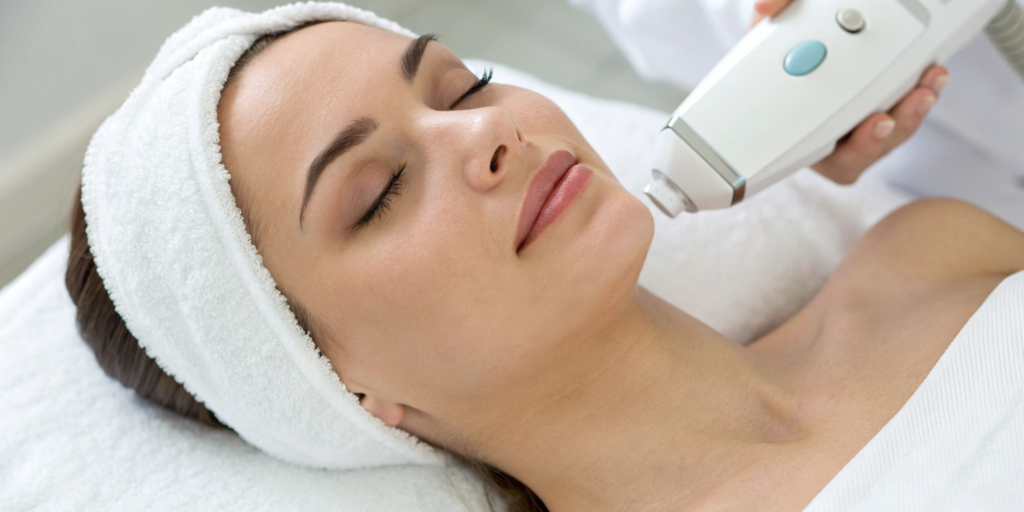
For snoring caused by vibrating tissues in the throat, advanced laser therapy offers a non-surgical solution. A treatment like Fotona NightLase uses gentle laser energy to heat and tighten the collagen in your soft palate and uvula. This firms up the tissue, reducing the vibrations that create the sound of snoring. It’s a quick, painless procedure that can provide long-lasting results without any devices to wear at night.
When Should You Talk to a Doctor About Snoring?
Occasional, light snoring is usually nothing to worry about. But if your snoring has become a nightly feature film—loud, disruptive, and earning you an elbow from your partner—it might be more than just an annoyance. Persistent snoring can be your body’s way of signaling an underlying health issue that’s disrupting your sleep and affecting your well-being.
It’s easy to dismiss snoring, but paying attention to the patterns and accompanying symptoms is key. Sometimes, the fix is a simple lifestyle adjustment. Other times, it points to a more serious condition like sleep apnea. The only way to know for sure is to get a professional opinion. A doctor can help you understand the root cause of your snoring and guide you toward effective sleep and snoring treatments that restore quiet nights and energized days. Ignoring it won’t make it go away, but a conversation with a professional can be the first step toward a real solution.
Warning Signs of Sleep Apnea
Snoring is often the most obvious sign of sleep apnea, but it’s a specific kind of snoring you need to listen for. Sleep apnea is a serious condition where you repeatedly stop breathing for brief periods throughout the night. This happens when your airway becomes blocked, causing your body to jolt you awake just enough to resume breathing.
The sound associated with this is not a gentle rumble. It’s typically very loud, disruptive snoring that’s interrupted by pauses of silence—the moments when you aren’t breathing. These pauses are often followed by a sudden gasp, choke, or snort as your body fights for air. If your partner has mentioned these alarming sounds, it’s a major red flag that you should see a doctor for an evaluation.
Symptoms That Require Medical Attention
Beyond the sounds you make while sleeping, your daytime feelings can also indicate a problem. If you consistently wake up feeling like you haven’t slept at all, that’s a sign your sleep quality is compromised. Pay attention to symptoms like waking up with a dry mouth or a headache, feeling excessively tired throughout the day, or having trouble concentrating on tasks.
Waking up gasping for air is another critical symptom that needs immediate attention. Over time, untreated sleep apnea can contribute to serious health problems, including high blood pressure and heart issues. These symptoms are your body’s check-engine light, and addressing them is a key part of maintaining your overall functional wellness. If any of this sounds familiar, it’s time to schedule a consultation.
How Snoring Impacts Your Sleep and Daily Energy
Even if you don’t have sleep apnea, chronic snoring can still take a toll on your health and quality of life. The constant vibrations and noise can lead to fragmented, poor-quality sleep. You might not even realize how often you’re being pulled out of the deeper, restorative stages of sleep during the night. This disruption can leave you feeling irritable, foggy, and drained during the day.
And let’s not forget the impact on your relationships. Snoring doesn’t just affect the snorer; it can severely disrupt a partner’s sleep, leading to frustration and resentment. Getting a good night’s rest is fundamental to feeling your best, both physically and mentally. When snoring gets in the way of that, it’s more than just a nuisance—it’s a problem worth solving.
Is Surgery the Right Answer for Severe Snoring?
When you’ve tried everything from changing your sleep position to using nasal strips and nothing seems to work, the idea of a more permanent solution can be appealing. For some people with severe, persistent snoring, surgery might be an effective option. However, it’s a significant step that’s typically considered only after other treatments have failed or when snoring is linked to a more serious underlying health issue.
Surgical procedures for snoring aim to address the root physical cause: an obstruction in your airway. By physically altering or removing the tissue that vibrates and creates the sound, these treatments can offer long-term relief. But they aren’t a one-size-fits-all solution. The right approach depends entirely on your unique anatomy and the specific reason you’re snoring. Before considering surgery, a thorough evaluation with a medical professional is essential to pinpoint the cause and explore all your options, from lifestyle adjustments to less invasive therapies.
Common Surgical Procedures Explained
If you’re exploring surgical options, you’ll find that most procedures focus on opening up your airway. One common approach involves trimming or removing the excess tissue in the back of your throat—like the uvula or parts of the soft palate—that can vibrate and cause snoring. Think of it as clearing a path for air to move through more freely.
Other surgeries might involve repositioning your jaw to create more space in the airway. These are generally more complex and reserved for specific anatomical issues. The goal of any upper airway surgery is to create a permanent change that reduces the obstruction, leading to quieter, more restful sleep for both you and your partner.
Advanced Radiofrequency and Nerve Stimulation Therapies
Beyond traditional surgery, there are advanced therapies that offer effective results with less downtime. Radiofrequency treatments, for example, use targeted energy to gently shrink and tighten the tissues in your throat, which can open the airway without any cutting. Another innovative, non-surgical option is laser therapy. Treatments like Fotona NightLase use a gentle laser to firm up the soft palate, reducing vibrations and snoring.
For certain cases, newer surgical techniques can even stimulate the nerve that controls your tongue, preventing it from falling back and blocking your airway while you sleep. These advanced sleep and snoring treatments represent a major step forward, providing powerful solutions that are often much less invasive than conventional surgery.
Who Is a Candidate for Surgery? (And What to Expect)
Deciding if surgery is right for you starts with a conversation with your doctor. Generally, surgery is reserved for individuals with severe snoring that hasn’t responded to other treatments. It’s also a critical option for those whose snoring is a symptom of a more serious condition, like obstructive sleep apnea. If your snoring is getting progressively worse or is accompanied by gasping or pauses in breathing, it’s time to seek a medical evaluation.
A doctor can help determine if an anatomical issue is the cause of your snoring. If you are a candidate, the process involves a detailed consultation to discuss the risks and benefits. Understanding the underlying cause is the most important step in finding a lasting solution and ensuring you’re choosing the safest, most effective path forward.
How to Find the Right Snoring Treatment for You
Finding a snoring solution that actually works isn’t about grabbing the first product you see online. It’s a process of discovery that starts with understanding your own body and habits. The most effective treatment is one that’s tailored to you, addressing the specific reasons you snore. Think of it as a puzzle: once you find the root cause, the right pieces can fall into place for a quieter, more restful night. Often, the best strategy involves a combination of professional guidance, targeted treatments, and simple lifestyle adjustments. By taking a thoughtful approach, you can move beyond temporary fixes and find a lasting solution.
Assess Your Snoring to Find the Cause
Before you can treat your snoring, you need to play detective and figure out what’s causing it. Is it the anatomy of your mouth and throat, seasonal allergies, or your evening habits? A physician can help you connect the dots by reviewing your medical history and symptoms. As the Mayo Clinic notes, they might even ask your partner about your snoring patterns, since they often have a front-row seat. Understanding the “why” behind your snoring is the critical first step. A professional evaluation can determine if it’s a simple issue or a sign of something more, guiding you toward the most effective sleep and snoring treatments.
Match the Treatment to Your Specific Needs
Once you have a better idea of the cause, you can find a treatment that fits. Snoring isn’t a one-size-fits-all problem, so the solution shouldn’t be either. For example, if your snoring is caused by a narrow airway, a custom-fit oral appliance that gently repositions your jaw could be the answer. However, if your snoring is a symptom of a more serious condition like Obstructive Sleep Apnea (OSA), a different approach, such as a CPAP machine, will be necessary. For others, simple solutions like nasal strips or targeted lifestyle changes are enough. The key is to match the treatment to your specific needs for the best possible outcome.
Combine Approaches for the Best Results
Often, the most successful path to a quiet night involves more than just one change. Combining professional treatments with healthier habits can make a significant difference. As experts at Harvard Health suggest, many simple adjustments can reduce snoring. This could mean sleeping on your side, clearing nasal passages before bed, or avoiding alcohol in the hours before you sleep. Maintaining a healthy weight can also dramatically reduce snoring by decreasing fatty tissue around the throat. Pairing these lifestyle shifts with a targeted medical solution creates a powerful, comprehensive plan for better sleep and overall wellness.
How We Help You Find a Solution at RewindMD
Finding a lasting solution to snoring isn’t about trying every gadget on the market—it’s about understanding the specific reason you snore. At RewindMD, our physician-led team is focused on uncovering the root cause of your sleep issues. We combine a deep understanding of sleep science with a holistic view of your health to create a plan that’s tailored just for you. Our goal is to help you and your partner get the quiet, restorative sleep you both deserve.
Our Comprehensive Sleep Evaluations
We start by getting a complete picture of your health and sleep habits. Your initial consultation includes a thorough review of your symptoms, a physical examination, and a discussion about your medical history. We find it’s also helpful to hear from your partner about your snoring patterns, as their observations provide valuable clues. If needed, we may recommend a sleep study to get a closer look at what’s happening while you rest. This study, which can often be done from the comfort of your own home, gives us the data we need to create an effective sleep and snoring treatment plan.
Your Personalized, Non-Invasive Treatment Plan
Once we understand the cause, we’ll work with you to develop a personalized, non-invasive treatment plan. For many people, simple lifestyle adjustments make a huge difference. We might recommend changes like adjusting your sleep position, managing your weight, or addressing nasal congestion. Because we believe in treating the whole person, our approach often integrates principles of functional wellness to support your overall health. If lifestyle changes aren’t enough, we can explore other effective options, such as custom-fitted oral appliances that gently reposition your jaw to keep your airway open while you sleep.
Ready for a Quiet Night’s Sleep?
Finding the right path to a quieter, more restful night can feel like a huge relief for both you and your partner. The good news is that effective solutions are within reach, and you don’t have to figure it out on your own. By exploring your options, you can find a snoring treatment that fits your lifestyle and addresses the root cause of the issue.
It often starts with simple adjustments to your daily habits. Things like sleeping on your side, maintaining a healthy weight, and avoiding alcohol right before bed can make a surprising difference. According to Harvard Health, these lifestyle changes can significantly reduce snoring by keeping your airways naturally open. If nasal congestion is a problem, finding ways to keep your passages clear can also provide immediate relief.
When lifestyle adjustments aren’t enough, it might be time to consider other options. For many people, a custom-fitted oral appliance can be a game-changer. These devices work by gently repositioning your jaw or tongue to prevent airway obstruction while you sleep. However, if your snoring is persistent or you’re waking up tired, it’s important to rule out a more serious condition like sleep apnea. A professional evaluation can help you understand if a CPAP machine or another medical intervention is necessary for your health. You can learn more about the diagnosis and treatment of snoring from trusted sources like the Mayo Clinic.
At RewindMD, we take a comprehensive approach that goes beyond one-size-fits-all solutions. Our physician-led team starts with a thorough evaluation to understand the specific reason for your snoring. This allows us to create a personalized plan with advanced, non-invasive options tailored just for you. Our goal is to provide lasting results without surgery or cumbersome devices. Explore our sleep and snoring treatments to see how we can help you and your loved ones finally achieve the peaceful sleep you deserve.
Related Articles
- We Tested 9 Devices: Best Way to Stop Snoring Reviews
- Beyond the Noise: Effects of Snoring on the Body
- Sleep & Snoring
Frequently Asked Questions
I only snore sometimes. Is that still a problem? Occasional, light snoring, especially when you have a cold or allergies, is usually nothing to worry about. The time to pay closer attention is when it becomes a regular event that is loud enough to disturb your partner or even yourself. If you consistently wake up feeling tired despite getting a full night’s sleep, it’s a sign that even intermittent snoring might be disrupting your rest more than you realize.
My partner says I stop breathing in my sleep. What does that mean? Hearing this can be alarming, and it’s something you should take seriously. When snoring is interrupted by pauses in breathing, often followed by a gasp or choking sound, it can be a key indicator of sleep apnea. This condition causes your airway to temporarily collapse, cutting off your oxygen supply. The best course of action is to schedule a consultation with a doctor to get a proper evaluation and find out what’s really going on.
Are over-the-counter snoring aids like nasal strips actually effective? They can be, but only for a specific type of snoring. Nasal strips and dilators work by physically opening your nasal passages, so they are quite effective if your snoring is caused by congestion or a deviated septum. However, if your snoring originates in your throat from vibrating tissues or your tongue falling back, these devices won’t address the root cause. They are an easy and low-cost experiment to see if your nose is the culprit.
I’m not overweight and I don’t drink alcohol, so why do I still snore? This is a common frustration, and it highlights that snoring has many causes beyond lifestyle habits. Your unique anatomy plays a huge role. Things like the shape of your soft palate, the size of your tonsils, or the structure of your jaw can create a narrower airway. It can also be related to the natural loss of muscle tone in the throat that happens as we get older.
What’s the first step I should take if I want to stop snoring for good? The most effective first step is to get a clear understanding of why you’re snoring. You can start by trying simple lifestyle adjustments, like changing your sleep position, but if the problem persists, a professional evaluation is key. A physician can help you pinpoint the exact cause—whether it’s anatomical, related to congestion, or a sign of sleep apnea—and then create a personalized treatment plan that will actually solve the problem.