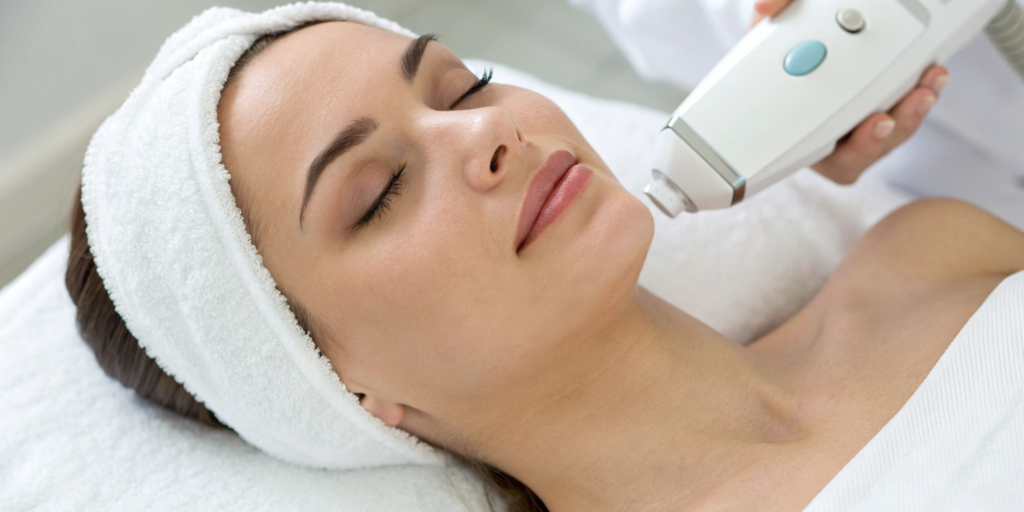
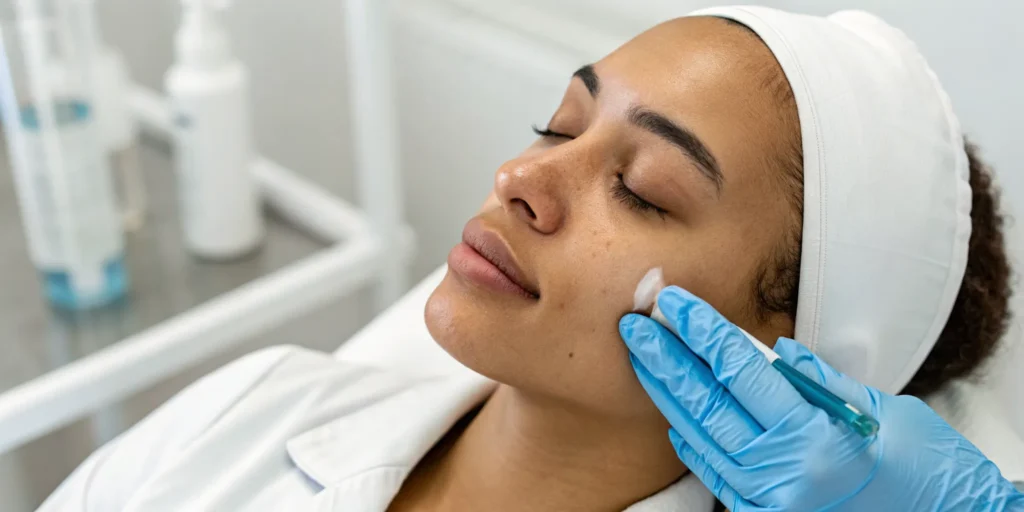
The success of your facial rejuvenation treatment is a partnership between our expertise in the clinic and your care at home. Now that your procedure is complete, the most critical phase begins. Your actions over the next week will directly influence the quality and speed of your recovery. The most common question we hear is, “what is the fastest way to heal skin after laser treatment?” The truth is, you are in the driver’s seat. By diligently following a few key principles, you can actively support your skin’s natural regeneration process, minimize downtime, and protect your results. This article details the essential steps for a smooth recovery, empowering you to achieve that healthy, lasting glow.
Key Takeaways
- Prioritize gentle care for optimal healing: Support your skin by using cool compresses for swelling, cleansing only with provider-approved products, and consistently applying a thick, fragrance-free moisturizer to keep the area protected and hydrated.
- Protect your new skin from the sun at all costs: Your healing skin is highly susceptible to damage, so avoid direct sun exposure whenever possible. When you go outside, make a wide-brimmed hat your first line of defense, followed by a mineral-based sunscreen with an SPF of 30 or higher.
- Pause your normal routine to prevent irritation: For the best results, avoid anything that could disrupt the healing process. This means temporarily stopping the use of active skincare like retinoids, skipping strenuous exercise and hot environments, and resisting the urge to pick at any peeling skin.
Your First 24 Hours: Immediate Laser Aftercare
The first day after your laser treatment is all about gentle care. Your skin is working hard to heal, and your job is to give it the calm, clean environment it needs to regenerate. Following these immediate steps will help minimize discomfort and set you on the path to a smooth recovery.
Cool and Soothe Your Skin
Your skin will likely feel warm and look a bit red, similar to a mild sunburn. This is completely normal. The best way to calm it down is with cold compresses. You can use a clean, soft cloth dampened with cool water or a flexible gel pack wrapped in a towel. Apply it to the treated area for about 15 minutes at a time, a few times throughout the day. This simple step is one of the most effective laser skin resurfacing recovery tips because it helps reduce swelling and takes the edge off that warm sensation, providing immediate relief while supporting the healing process.
Gently Cleanse the Treated Area
Keeping your skin clean is essential to prevent infection and help the healing process along. Your physician will give you specific instructions, which might involve cleansing the area two to five times a day. Often, this involves using a simple saline solution or a very diluted vinegar wash. Avoid your usual cleansers, as they can be too harsh for your sensitive skin right now. The goal is to gently remove any ointment and debris without scrubbing or rubbing. Pat your skin dry with a clean, soft towel afterward. Following this gentle cleansing routine is a non-negotiable step for healthy healing.
Know What to Expect as You Heal
It’s helpful to know what sensations are part of the normal healing journey. Along with redness and swelling, you might feel some itching or a slight stinging sensation for the first few days. This is just your skin’s natural response as it begins to repair itself. Around day five to seven, you’ll notice your skin becoming dry and starting to peel. Try not to pick at it. This is a great sign that new, fresh skin is forming underneath. Understanding these stages helps you trust the process and look forward to the incredible results from your facial rejuvenation treatment.
Why Moisturizing Is Key to a Smooth Recovery
After a laser treatment, your skin is working hard to repair itself, and your job is to give it the best possible environment to do so. Think of moisturizer as the single most important tool in your recovery kit. It does more than just soothe dryness; it actively supports your skin’s healing process, helping you achieve those beautiful results faster. Keeping your skin hydrated is non-negotiable for a smooth and speedy recovery.
How Moisturizer Helps Your Skin Barrier Heal
Your skin barrier is your body’s first line of defense, and a laser treatment temporarily disrupts it to stimulate new collagen and cell growth. A good moisturizer acts as a temporary barrier while your skin rebuilds. It locks in essential moisture, which is critical because hydrated skin cells can regenerate and repair themselves much more efficiently. This protective layer also shields your vulnerable new skin from external irritants like dust and bacteria, reducing the risk of complications. Proper hydration is a cornerstone of aftercare for all advanced skin treatments.
Choose the Right Moisturizing Ingredients
Not all moisturizers are created equal, especially when it comes to post-procedure care. This is the time to be incredibly selective about what you put on your skin. We will provide you with specific product recommendations, but generally, you should look for gentle, fragrance-free formulas designed for sensitive or compromised skin. Ingredients like ceramides, hyaluronic acid, and glycerin are excellent choices because they support hydration and barrier repair. Avoid products containing harsh actives like retinoids, exfoliating acids (AHA/BHA), or alcohol, as they can cause significant irritation and delay healing after your facial rejuvenation treatment.
Apply Moisturizer Correctly and Consistently
How you apply your moisturizer is just as important as which one you use. Consistency is everything. You’ll need to moisturize several times a day, especially in the first few days, to keep your skin from drying out. Always wash your hands before touching your face. After cleansing with the gentle wash we recommend, pat your skin dry very carefully with a clean, soft towel. While your skin is still slightly damp, apply a liberal layer of moisturizer using gentle, dabbing motions. Avoid rubbing or pulling at the skin. Following this routine exactly as instructed will promote optimal healing and protect your investment.
Protect Your New Skin from the Sun
After a laser treatment, your skin is working hard to build fresh, new cells. Think of this new skin as a blank canvas, incredibly sensitive and delicate. Protecting it from the sun isn’t just a suggestion; it’s the most important thing you can do to ensure you get the beautiful, lasting results you want. Sun exposure during this critical healing phase can unfortunately reverse the benefits of your treatment and create new problems. That’s why a comprehensive sun protection strategy, using more than just sunscreen, is an essential part of your aftercare plan.
Understand How the Sun Affects Healing Skin
Direct sunlight is the biggest enemy of healing skin. The new skin cells that form after a laser treatment have very little melanin, which is the natural pigment that helps protect your skin from UV rays. Without this defense, your skin is highly susceptible to damage. Sun exposure can significantly slow down the healing process and trigger inflammation, leading to prolonged redness and discomfort. Even worse, it can cause post-inflammatory hyperpigmentation, which creates new dark spots on the very skin you just had treated. This is why staying out of the sun is a non-negotiable step for anyone looking to correct issues with skin, acne, and pigment.
Find the Best Sunscreen for Sensitive Skin
While avoiding the sun is ideal, you still need a top-notch sunscreen for any incidental exposure. Not all sunscreens are created equal, especially for post-procedure skin. You’ll want to choose a physical (or mineral) sunscreen with an SPF of 30 or higher. Look for active ingredients like zinc oxide or titanium dioxide on the label. These ingredients create a physical barrier that sits on top of your skin to block UV rays, making them much less irritating than chemical sunscreens, which work by being absorbed into the skin. Remember to reapply your sunscreen every two hours if you’re outdoors.
Think Beyond Sunscreen: Hats and Shade
Sunscreen is your last line of defense, not your first. The best strategy is to physically block the sun from reaching your skin in the first place. For the first week after your treatment, you should avoid direct sun exposure as much as possible. When you do have to go outside, make a wide-brimmed hat and a pair of UV-blocking sunglasses your new best friends. Plan your errands and outdoor activities for the early morning or late afternoon when the sun’s rays are less intense. Seeking shade, whether it’s by walking on a different side of the street or sitting under an umbrella, makes a huge difference in protecting your investment.
What to Avoid for a Faster Recovery
After a laser treatment, what you don’t do is just as important as what you do. Giving your skin a break from certain products and activities allows it to focus all its energy on healing, which is exactly what you want. Think of this as a short-term sacrifice for a long-term gain. By sidestepping a few common pitfalls, you can help prevent irritation, reduce the risk of complications, and ensure you get the beautiful, glowing results you’re looking for.
Skincare Products to Put on Pause
Your skin is working overtime to regenerate, so now is the time to simplify your routine. For the first week or two, you’ll want to press pause on any powerful active ingredients. This means avoiding products with retinoids (like retinol), glycolic acid, lactic acid, and other exfoliants that can be too harsh for sensitive, healing skin. Instead, stick to the basics: a gentle cleanser and a soothing, hydrating moisturizer. It’s also crucial to resist the urge to pick at any flaking or peeling skin. Letting it shed naturally is the best way to prevent scarring and achieve an even-toned result.
Activities and Workouts to Skip
Heat and sweat are not your friends during the initial recovery period. Strenuous exercise, saunas, hot tubs, and even very hot showers can increase blood flow to the face, which can worsen swelling and redness. Sweat can also irritate your delicate skin and create an environment for bacteria to grow, potentially leading to breakouts or infection. It’s best to take a few days off from intense workouts and avoid swimming in pools or the ocean until your skin is fully healed. Gentle walks are fine, but save that hot yoga class for when your provider gives you the all-clear.
Common Mistakes That Can Slow Your Healing
Patience is key when it comes to healing. One of the biggest mistakes people make is picking, peeling, or scratching at their skin as it flakes. This is a natural part of the renewal process, and interfering with it can cause serious damage, including infection, scarring, or hyperpigmentation. You also need to be incredibly diligent about sun protection. Your new skin is highly susceptible to sun damage, so avoiding direct sun exposure is non-negotiable. Following these guidelines helps protect your investment and is a crucial part of any successful facial rejuvenation plan.
Manage Discomfort and Support Your Recovery
After a laser treatment, your skin is working hard to repair itself, and it’s completely normal to experience some redness, swelling, and sensitivity. Think of it as the first step toward that fresh, new skin you’re looking forward to. Managing this phase is all about comfort and creating the best possible environment for your skin to heal beautifully. With a few simple strategies, you can ease any discomfort and feel more in control of your recovery process.
This isn’t just about waiting it out; it’s about actively supporting your skin as it regenerates. We’ll walk through some gentle, natural ways to calm swelling and redness right at home. We’ll also cover when over-the-counter options might be helpful and why it’s always best to check with your provider first. Understanding what to expect day by day can also take the guesswork out of healing, helping you feel confident as you see your skin transform. And finally, we’ll touch on why your follow-up appointment is a non-negotiable part of achieving the best results from your facial rejuvenation treatment. Taking these steps seriously ensures your investment in your skin pays off with a radiant, healthy glow.
Natural Ways to Reduce Swelling and Redness
One of the simplest and most effective ways to soothe your skin is with a cold compress. Gently applying a cool, damp cloth or a soft cold pack to the treated area for 15 to 20 minutes at a time can work wonders. The cold helps reduce blood flow to the area, which in turn minimizes swelling and eases that warm feeling. Another easy trick is to prop your head up with an extra pillow or two while you sleep for the first few nights. This uses gravity to your advantage, helping to drain fluid away from your face and further reduce puffiness.
Know When Over-the-Counter Relief Can Help
As your skin heals, you might experience some itching, which is a normal part of the process. The key is to avoid scratching at all costs. If the itching becomes bothersome, an over-the-counter antihistamine can provide significant relief. For general discomfort, you might be tempted to reach for a pain reliever, but it’s important to talk to your provider first. Some medications can interfere with the healing process, so getting their recommendation ensures you’re making a safe choice. Always follow their guidance on what to take and when.
Your Healing Timeline: What to Expect Day by Day
Immediately after your treatment, your provider will apply a special ointment to protect your skin. For the first one to three days, your main job is to keep the area clean and hydrated. This typically involves gently cleansing your skin several times a day with cool water and applying the recommended ointments to keep it moist. This careful routine is essential for healing many common concerns, including those related to acne and pigment. While everyone’s healing journey is slightly different, this initial phase is critical for setting the stage for a smooth recovery.
Why Your Follow-Up Appointment Is So Important
Your follow-up visit is much more than just a quick check-in. This appointment is a crucial part of your treatment plan. It gives your provider the opportunity to carefully assess how your skin is healing and make sure everything is progressing as it should. These visits allow them to check your healing and adjust your aftercare instructions if needed. It’s also your chance to ask any questions that have come up during your recovery. Attending this appointment ensures you get the personalized care needed to achieve the best, most beautiful outcome.
Related Articles
- Laser Skin Resurfacing: What to Expect & Recovery
- CO2 Laser Recovery Day by Day: A Photo Diary
- Your Guide to the Best Laser for Face Wrinkles
Frequently Asked Questions
How long will the redness and swelling actually last? While everyone’s skin heals differently, you can generally expect the most noticeable redness and swelling to last for about three to five days. For more intensive treatments, it might linger for up to a week. Following the aftercare instructions, especially using cold compresses and keeping your head elevated while you sleep, will help minimize this and speed up the process.
My skin is starting to peel. Is this normal and what should I do about it? Yes, peeling is a completely normal and expected part of the healing process. It’s a great sign that your body is shedding the old, treated layer of skin to reveal the fresh, new skin underneath. The most important thing to do is let it happen on its own. Do not pick, scrub, or peel the skin, as this can lead to scarring or infection. Just continue to gently cleanse and apply your recommended moisturizer to keep the area hydrated.
When can I start wearing makeup again? It’s best to avoid makeup completely for at least the first week, or until the initial peeling phase is over. Your new skin is very delicate and needs to breathe to heal properly. Applying makeup too soon can clog pores and irritate the skin, potentially leading to complications. When your provider gives you the okay, start with a mineral-based makeup, as it’s typically less irritating.
When is it safe to restart my regular skincare routine with ingredients like retinol? You’ll need to put your more powerful skincare products on hold while your skin is healing. You should wait until your provider gives you the all-clear at your follow-up appointment, which is often a few weeks after your treatment. When you do reintroduce active ingredients like retinoids or exfoliating acids, it’s best to do so slowly, one product at a time, to ensure your new skin can tolerate them without irritation.
Why is a physical sunscreen better than a chemical one after a laser treatment? Physical sunscreens, which use minerals like zinc oxide and titanium dioxide, create a literal barrier on top of your skin that reflects UV rays. This makes them much gentler and less likely to cause irritation. Chemical sunscreens, on the other hand, work by absorbing into the skin and converting UV radiation into heat. This absorption and heat-conversion process can be too harsh for sensitive, post-procedure skin.