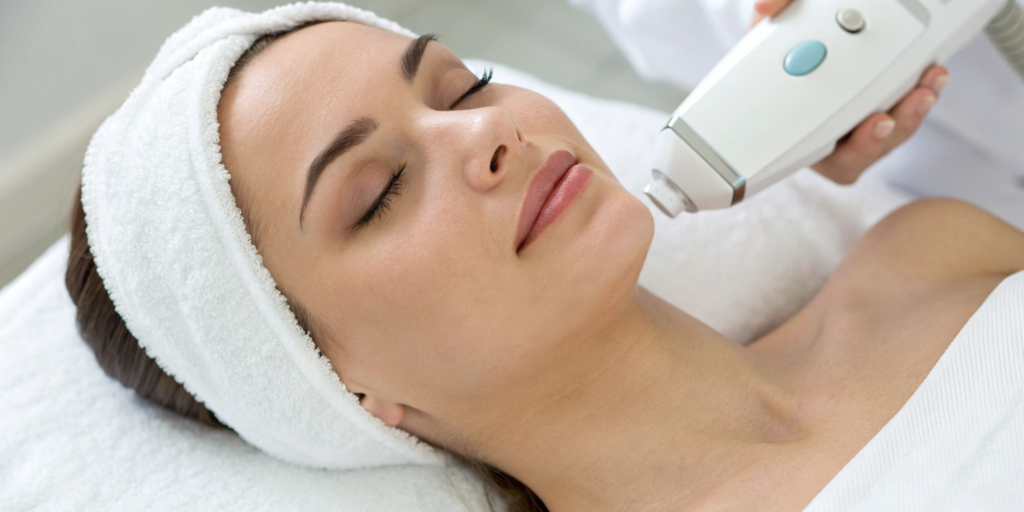

Everyone wants that incredible, dewy complexion a HydraFacial delivers. It’s a fantastic treatment for routine facial rejuvenation that cleanses, exfoliates, and hydrates all in one session. But it’s fair to wonder what happens in the hours and days after your appointment. Is a little redness normal? What about a temporary breakout? Getting clear answers to these questions is essential. We’re here to talk openly about the completely normal hydrafacial side effects that show the treatment is working, as well as the less common reactions to be aware of. Think of this as your complete guide to a safe, effective, and worry-free experience.
Key Takeaways
- Minor Side Effects Are Normal and Brief: It’s common to experience some temporary redness, tightness, or even a small breakout after your treatment. These reactions are a sign of a deep cleanse and typically resolve within 24-48 hours.
- Your Routine Directly Impacts Your Results: Minimize irritation by pausing strong products like retinoids a few days before your appointment. Afterward, prioritize sunscreen and avoid intense heat or exercise for at least a day to protect your skin.
- Communication with Your Provider is Key: A HydraFacial isn’t suitable for everyone, especially if you have certain skin conditions, are pregnant, or use specific medications. Always have a thorough consultation to ensure the treatment is safe and tailored to you.
What is a HydraFacial? (And How Does It Actually Work?)
You’ve probably heard the buzz about the HydraFacial, and for good reason. It’s one of the most popular skin treatments available because it delivers noticeable results with virtually no downtime. Think of it as an all-in-one session that combines the benefits of a chemical peel, microdermabrasion, and a deeply hydrating facial.
A HydraFacial uses a patented device with a unique spiral tip to perform a three-part regimen: cleansing, exfoliating, and infusing the skin with intensive serums. Unlike manual extractions that can be painful or traditional peels that require recovery time, this treatment is known for being gentle yet highly effective. It’s designed to clear out your pores and nourish your skin, leaving it looking brighter and feeling smoother right away. The whole process is handled by a trained professional who can tailor the treatment to your specific skin concerns, whether that’s fine lines, clogged pores, or uneven texture.
Breaking Down the 3-Step Process
The magic of a HydraFacial lies in its structured, three-step process. First is Cleanse + Peel. Your provider uses the device’s tip to sweep away dead skin cells and surface debris. A gentle peel containing glycolic and salicylic acids is then applied to deeply cleanse your pores and reveal a fresh layer of skin, all without the sting you might expect from a traditional peel.
Next comes Extract + Hydrate. This is where the gunk gets cleared out. The device’s tip acts like a tiny, painless vacuum, using vortex-fusion technology to suction out blackheads, oil, and other impurities from your pores. While it extracts, it also delivers hydrating serums to quench your skin.
Finally, the process ends with Fuse + Protect. Your newly cleansed skin is saturated with a custom blend of antioxidants and peptides. This final step helps to nourish and protect your skin, promoting elasticity and hydration to give you that incredible, dewy glow.
Why Everyone Loves This Treatment
The immediate gratification is a huge reason why HydraFacials are so beloved. More than 95% of people report that their skin looks fresh and glowing immediately after a session. There’s no waiting around for redness to subside or skin to heal. You walk out of the clinic with a complexion that feels smoother, looks more even, and is deeply hydrated.
This treatment is a fantastic option for routine facial rejuvenation or for prepping your skin before a big event. It addresses multiple concerns at once—from fine lines and wrinkles to congested pores and hyperpigmentation—making it a versatile solution for almost any skin type. That instant, camera-ready glow is what keeps people coming back for more.
Common (and Totally Normal) HydraFacial Side Effects
One of the best things about a HydraFacial is that it delivers incredible results with virtually no downtime. It’s designed to be a gentle yet effective treatment, but it’s still a professional-grade procedure that works deep within your skin. So, it’s completely normal to experience a few minor, temporary side effects as your skin adjusts. Think of it as a sign that the treatment is doing its job—clearing out congestion and paving the way for that signature glow.
Most of these reactions are very mild and tend to resolve on their own within a few hours to a couple of days. Understanding what to expect can help you relax and enjoy the process of your skin’s renewal. At RewindMD, we prioritize your comfort and results, ensuring you know exactly what to expect from our facial rejuvenation treatments. Let’s walk through the most common side effects, all of which are perfectly normal.
A Little Redness and Sensitivity
It’s very common to walk out of your appointment with slightly flushed or pink skin, especially in the areas where the vortex tip was concentrated. This mild redness is simply a result of the exfoliation and gentle suction, which increases blood flow to the surface of your skin. Some people compare it to the look of a light sunburn, but it typically fades within just a few hours. This temporary sensitivity is a sign that your skin has been thoroughly cleansed and stimulated. Just be extra gentle with your skin for the rest of the day and avoid direct sun exposure.
The “Purge”: Why You Might Break Out (Temporarily)
Have you ever noticed a few new pimples after a facial? This is often due to a process called “skin purging.” The HydraFacial deeply cleanses your pores, and sometimes that means pushing underlying congestion—like trapped oil and dead skin cells—to the surface. While it might seem alarming, it’s actually a good thing. It means the treatment has successfully dislodged impurities that were lurking deep down. These post-facial blemishes usually clear up much faster than regular breakouts. If you’re concerned about acne, our team can guide you on the best skin treatments to maintain your clear complexion.
Feeling Dry or Tight Post-Treatment
Immediately after your HydraFacial, your skin might feel a bit tight or dry. This happens because the treatment’s exfoliation and extraction steps temporarily remove some of your skin’s natural surface oils along with all the gunk and dead cells. Don’t worry—this feeling is short-lived. It’s just a temporary phase before the super-hydrating serums applied at the end of the treatment fully penetrate and replenish your skin’s moisture levels. Within a few hours, you’ll start to feel that plump, dewy softness the HydraFacial is famous for. Following up with a gentle moisturizer at home will also help.
Minor Irritation at the Treatment Site
Because the HydraFacial involves physical exfoliation to slough away dead skin, some people may experience minor irritation. This is a normal response to the resurfacing process and is usually very mild. The sensation is temporary and should subside within a day at most. Your skin is simply adjusting to its freshly revealed, smoother surface. To help it along, stick to a simple and soothing skincare routine for the first 24 hours after your treatment. This allows your skin to calm down and fully absorb the benefits of the HydraFacial without any interference.
Rare But Serious Side Effects to Know
HydraFacials are overwhelmingly safe, which is a huge part of their appeal. But like any cosmetic treatment, there are a few rare but more serious side effects it’s smart to be aware of. Knowing what to look for empowers you to take the best care of your skin and ensures you have a safe, positive experience. Think of this as your “just in case” guide—chances are you’ll never need it, but it’s always better to be prepared.
Allergic Reactions to Serums
The customized serums used during a HydraFacial are packed with beneficial ingredients, but they can occasionally trigger an allergic reaction in sensitive individuals. Before your treatment, it’s crucial to discuss any known allergies with your provider. Signs of an allergic reaction go beyond mild irritation and can include severe itching, hives (raised, red welts), significant swelling of the face or throat, or difficulty breathing. If you experience any of these symptoms, especially trouble breathing, seek medical attention immediately. A thorough consultation at a physician-led clinic can help identify potential sensitivities and ensure your skin treatment is tailored perfectly for you.
When Inflammation Doesn’t Subside
A little bit of pinkness after your HydraFacial is one thing, but inflammation that gets worse instead of better is a red flag. While some initial redness is normal and fades quickly, you should contact your provider if you notice escalating symptoms. Pay attention to increasing pain or tenderness, a feeling of intense heat radiating from the treated area, or any unusual discharge, especially if it’s yellow or green. A fever is another clear sign that something is wrong. These symptoms could point to a developing infection that needs to be addressed right away by a medical professional.
The Risk of Infection from Poor Aftercare
Your skin is more vulnerable immediately following a HydraFacial, making proper aftercare essential for preventing infection. Your provider will give you specific instructions—follow them carefully. This usually includes avoiding harsh exfoliants, intense workouts, saunas, and direct sun exposure for a day or two. It’s also important to start with a clean slate; you shouldn’t get a HydraFacial if you have an active rash, sunburn, or cold sore breakout. At RewindMD, we prioritize a holistic approach to facial rejuvenation, which includes comprehensive guidance on how to protect your skin post-treatment to ensure a beautiful, healthy result.
How Long Do HydraFacial Side Effects Last?
One of the best things about a HydraFacial is the minimal downtime. Unlike more intensive treatments, you can typically get back to your routine almost immediately. While most people walk out with an instant glow, it’s helpful to know what to expect if you experience any minor reactions. The good news is that any side effects are usually very brief and a normal part of your skin’s renewal process. Think of it as a quick reset before you see those beautiful, lasting results. Let’s break down the recovery timeline so you know exactly what to expect.
Your Recovery Timeline for Mild Reactions
If you notice a bit of redness or feel a slight tightness in your skin right after your appointment, don’t worry—this is completely normal. These effects are simply signs that the treatment’s active ingredients and gentle exfoliation are doing their job. For most people, this mild sensitivity and pinkish hue fade within just a few hours. At most, you might see some lingering effects for a day or two. To help your skin settle, it’s a good idea to skip heavy makeup and intense exercise for the rest of the day. This gives your skin a chance to breathe and fully absorb all the benefits of your facial rejuvenation treatment.
How Long Does the “Purging” Phase Last?
Occasionally, you might notice a few new blemishes pop up a day or two after your HydraFacial. This is often referred to as “skin purging,” and it’s actually a positive sign. The treatment deeply cleanses your pores, pushing underlying congestion like trapped oil and debris to the surface. It’s your skin’s way of clearing everything out. This purging phase is temporary and typically resolves much faster than a standard breakout, usually clearing up within a week. The key is to be patient and resist the urge to pick at your skin, which can lead to irritation or scarring.
Getting Back to Your Glow: Full Recovery
The immediate “HydraFacial glow” is real, and more than 95% of people report that their skin looks fresh, smooth, and radiant right after the treatment. Once any initial redness subsides—usually within a few hours—you’ll start to see the full, beautiful results. Your skin will feel softer, look more even-toned, and feel deeply hydrated. These amazing results can last for a week or even longer. To maintain that healthy complexion, many people find that scheduling regular skin treatments helps extend the benefits and continuously improves their skin’s health over time.
Is a HydraFacial Right for Everyone?
As much as we love the incredible results of a HydraFacial, it’s not the perfect fit for every single person or skin situation. Honesty is the best policy when it comes to your skin’s health, and knowing when to press pause is just as important as knowing when to book an appointment. Certain skin conditions, medical factors, and even recent treatments can mean a HydraFacial isn’t the best choice for you right now. The key is to work with a provider who understands your unique skin profile and can guide you toward the safest, most effective treatment, whether it’s a HydraFacial or another one of our facial rejuvenation options. Let’s walk through a few scenarios where you might want to hold off.
If You Have Certain Skin or Medical Conditions
Your skin’s current state is the biggest factor in determining if a HydraFacial is a good idea. If you’re dealing with an active rash, a sunburn, or moderate to severe acne with pus-filled breakouts, it’s best to wait. The suction and exfoliation involved in the treatment can make these conditions worse. The same goes for active cold sores (herpes simplex virus), as the treatment could cause them to spread. It’s always best to let your skin heal completely before scheduling your facial. A professional consultation can help you find the right treatment for your specific skin concerns when the time is right.
A Note on Pregnancy and Breastfeeding
If you are pregnant or breastfeeding, we recommend postponing your HydraFacial. While the procedure itself is non-invasive, some of the ingredients used in the specialized serums haven’t been tested for safety during pregnancy or lactation. Because it’s not fully known how these ingredients might affect your baby, the standard medical advice is to err on the side of caution. Your health and your baby’s health are the top priorities. We can always help you find pregnancy-safe alternatives to keep your skin glowing until you’re ready for a HydraFacial.
If You’ve Had Other Recent Treatments
Timing is everything, especially when it comes to skincare. If you’ve recently had another intensive treatment like a chemical peel, laser therapy, or even used strong at-home products like retinoids, your skin needs time to recover. A HydraFacial involves exfoliation and active serums that could over-sensitize already treated skin. It’s also important to tell your provider about any prescription medications you’re taking, as some can increase skin sensitivity. A thorough discussion about your recent treatments and medical history ensures your provider can create a safe and effective plan for you.
For Those with Very Sensitive Skin or Rosacea
While a HydraFacial is generally considered gentle, it might be too stimulating for those with very sensitive skin or rosacea. The combination of suction, exfoliation, and active ingredients can sometimes trigger a flare-up or cause irritation in highly reactive skin. For individuals with rosacea, the process could potentially worsen redness and sensitivity. If your skin is easily irritated, it’s crucial to have a conversation with an experienced provider first. They can perform a patch test or suggest a customized approach to ensure the treatment benefits your skin without causing a reaction.
Factors That Can Increase Your Risk of Side Effects
A HydraFacial is one of the gentlest and most effective treatments out there, but your results are also shaped by what you do before and after your appointment. Think of it as a partnership between you and your provider. While side effects are rare, a few key factors can increase your skin’s sensitivity and the chance of irritation.
Understanding these risk factors helps you prepare properly and ensures you get that signature HydraFacial glow without any unexpected bumps along the way. It’s all about knowing your skin, being transparent with your provider, and planning ahead. When you’re informed, you can make small adjustments to your routine that make a big difference in your final result. Our goal is always to help you achieve healthy, radiant skin, and that starts with a safe and effective treatment plan tailored just for you.
Conflicts with Your Current Skincare Routine
What you put on your skin at home matters, especially in the days surrounding your HydraFacial. Your skin will be freshly exfoliated and more receptive, which also means it can be more sensitive. If your daily routine includes strong active ingredients like retinoids, exfoliating acids (glycolic, salicylic), or benzoyl peroxide, it’s best to press pause for a few days before and after your treatment. Using these products too close to your appointment can over-exfoliate the skin, leading to redness and irritation. Instead, switch to a simple, gentle routine. It’s best to “avoid harsh products and scrubbing” and stick to a mild cleanser and moisturizer to let your skin heal and absorb the benefits of the facial.
Medications That Make Your Skin More Sensitive
Full transparency with your provider is non-negotiable, especially when it comes to medications. Certain drugs can make your skin much more sensitive and reactive. For example, you should avoid a HydraFacial if you’ve used the powerful acne medication isotretinoin within the last six months. Other medications, both topical and oral, can also increase photosensitivity or cause dryness, making your skin more prone to irritation during a treatment. This is why a thorough consultation is so important. By discussing your medical history, your provider can ensure a HydraFacial is the right choice and customize the treatment to support your skin’s health without causing a reaction. Our approach to facial rejuvenation always prioritizes your safety and well-being.
Why Timing and Environment Matter
After your HydraFacial, your skin is temporarily more vulnerable to the environment. Sun exposure is the biggest concern. Your freshly treated skin “will be more likely to get sunburned,” so applying a broad-spectrum sunscreen with at least SPF 40 is essential. You’ll want to be diligent about reapplication and avoid direct sun for a few days. It’s also a good idea to skip anything that causes excessive heat or sweating for the first 24 hours. That means avoiding hot showers, saunas, and strenuous workouts. Heat can increase inflammation and redness, counteracting the calming, hydrating effects of the facial. Planning your treatment at a time when you can take it easy for a day will help protect your results and keep your skin happy.
How to Minimize Your Risk of Side Effects
A great HydraFacial experience is about more than just the treatment itself—it’s also about the simple, smart steps you take before and after your appointment. While side effects are typically minor and short-lived, you have a lot of power to make your treatment as smooth and effective as possible. Think of it as a partnership between you and your provider; your preparation and aftercare are just as crucial as their expertise during the procedure.
By preparing your skin properly, choosing the right professional, and following a solid aftercare plan, you can significantly reduce the chances of irritation and get straight to enjoying that incredible glow. It’s all about setting your skin up for success from the very beginning. These proactive measures ensure you get the best possible results from your investment in your skin’s health, helping you feel confident and radiant long after you leave the clinic. Taking these steps seriously not only protects your skin but also extends the life of your results, making every penny worth it.
Prep Your Skin Before Your Appointment
A little prep work goes a long way. Before your appointment, it’s a good idea to pause any strong, at-home treatments. For about 48 to 72 hours beforehand, skip products containing retinoids, salicylic acid, or any other potent exfoliants to avoid over-sensitizing your skin. When you arrive for your treatment, have an open conversation with your provider about your skin. If you have known allergies or very sensitive skin, don’t hesitate to ask for a small patch test before the full treatment. This simple step can identify any potential reactions and give you peace of mind, ensuring your session is both comfortable and effective.
Choose a Qualified, Experienced Provider
This might be the most important step you take. Your results and safety are directly linked to the person performing your HydraFacial. Make sure the professional you choose is skilled, experienced, and works in a clean, reputable environment. A qualified provider will not only perform the treatment correctly but will also conduct a thorough skin analysis to customize the serums for your specific needs. They can identify potential issues and adjust the treatment accordingly, which is why seeing a team at a physician-led clinic for facial rejuvenation can make all the difference in your experience and outcome.
Master Your Post-Treatment Aftercare
What you do after your HydraFacial is just as important as the treatment itself. Your provider will give you specific instructions—listen carefully and follow them. Your skin will be more sensitive to the sun, so applying a broad-spectrum sunscreen with at least SPF 30 is non-negotiable. This will protect your fresh, vulnerable skin from UV damage. For the rest of the day, try to avoid heavy makeup to let your skin breathe. Also, skip intense workouts, saunas, or steam rooms for at least 24 hours, as excessive heat and sweat can sometimes cause irritation. Think of it as giving your skin a calm day to soak in all the benefits.
Products to Skip After Your HydraFacial
After a HydraFacial, your skin has been deeply cleansed and exfoliated, so it’s time to be gentle. For the next two to three days, avoid using strong skincare products. This means putting away your retinoids, physical scrubs, and any chemical exfoliants like AHAs or BHAs. Using these too soon can disrupt your skin’s recovery process and lead to redness and irritation. Instead, stick to a simple routine with a gentle cleanser, a hydrating serum (think hyaluronic acid), and a soothing moisturizer. This approach supports your skin’s health and helps you maintain those beautiful, glowing results without any unnecessary setbacks.
When to Call Your Skincare Provider
While a HydraFacial is designed to be a gentle and restorative experience, your body is unique, and it’s smart to know what warrants a call to your provider. Trusting your intuition is key—if something feels off, it’s always better to get a professional opinion. Your skincare expert is your partner in this process, and they want to ensure you have a safe and positive experience from start to finish. Think of them as your go-to resource, especially in the days following your treatment. Keeping the lines of communication open ensures any concerns are addressed quickly, so you can get back to enjoying your beautiful results without any worry.
Red Flags That Need Immediate Attention
Most post-HydraFacial effects are mild and fade quickly, but a few symptoms are worth acting on right away. Don’t hesitate to call your provider if you experience signs of an allergic reaction, such as severe itching, hives, swelling (especially around the eyes or mouth), or any difficulty breathing. Another serious concern is a potential infection. Watch for increasing pain, skin that feels hot to the touch, or any yellow or green discharge from the treated areas. A fever is also a clear sign to seek help. If you have a pre-existing condition like rosacea or active acne, and you notice it getting significantly worse instead of better, it’s time to check in. These issues are rare, but addressing them immediately is crucial for your skin’s health.
How to Reach Out for Help
If you notice any of the red flags mentioned above or simply feel concerned about your skin’s reaction, your first step is to contact the clinic where you received your treatment. Don’t turn to the internet for a diagnosis—get in touch with the professionals who know your skin and the specifics of your procedure. When you call, be prepared to describe your symptoms clearly. Note when they started and what they look like. It can be helpful to take clear, well-lit photos of the affected area in case they ask you to send them over. The team at a physician-led clinic is equipped to give you precise, expert guidance for any facial rejuvenation and anti-aging treatment.
What to Do If You Have an Unexpected Reaction
While you’re waiting to hear back from your provider, there are a few things you can do. First and foremost, stop using any active skincare products like retinoids or exfoliants. Stick to a gentle, basic routine of a mild cleanser and a simple moisturizer. Avoid picking, scratching, or touching the area, as this can introduce bacteria and make irritation worse. If you’re experiencing discomfort, a cool, clean compress can sometimes offer temporary relief, but don’t apply any creams or ointments without professional guidance. The most important thing is to follow the specific aftercare instructions you were given and wait for your provider to tell you exactly what to do next.
Related Articles
- How Much Does a Chemical Peel Cost at a Dermatologist?
- Skin, Acne & Pigment
- A Visual Guide to Dermal Fillers Side Effects Photos
- Do Fillers Ruin Your Face? The Honest Answer
Frequently Asked Questions
How often should I get a HydraFacial to see the best results? For most people, scheduling a HydraFacial once a month is the sweet spot for maintaining that healthy glow and continuously improving your skin’s texture and clarity. However, the ideal frequency really depends on your specific skin goals. If you’re working on a particular concern, your provider might suggest a slightly different schedule. Think of it as regular maintenance for your skin’s health.
Does the HydraFacial treatment hurt? Not at all. Most people find the experience to be very relaxing and comfortable. The device’s tip glides smoothly over your skin, and the suction used for extractions is gentle, often described as a light vacuum sensation. Unlike traditional extractions that can involve painful pinching, this process is completely non-invasive and designed to be a soothing treatment.
How is a HydraFacial different from a regular facial or microdermabrasion? A HydraFacial is a more advanced, multi-step treatment that goes beyond what a standard facial can do. While a regular facial often involves manual extractions, a HydraFacial uses a patented vortex-fusion technology to painlessly clear out pores. Unlike microdermabrasion, which just exfoliates the skin, a HydraFacial simultaneously cleanses, exfoliates, extracts, and infuses your skin with customized, nourishing serums all in one session.
Can I get a HydraFacial if I have acne-prone skin? Yes, a HydraFacial can be fantastic for acne-prone skin. The treatment deeply cleanses pores and gently exfoliates, which helps to reduce congestion that leads to breakouts. The salicylic acid peel used in the first step is also great for targeting acne. Just be sure to avoid getting a treatment during a severe or cystic breakout, as it’s best to wait until your skin is less inflamed.
How long will my results last? You’ll notice an immediate improvement in your skin’s hydration and radiance, and this beautiful glow typically lasts for a week or even longer. The long-term benefits, like improved texture and a reduction in fine lines, become more noticeable with consistent monthly treatments. Proper at-home care, especially daily sunscreen use, will also help you extend the life of your results.