
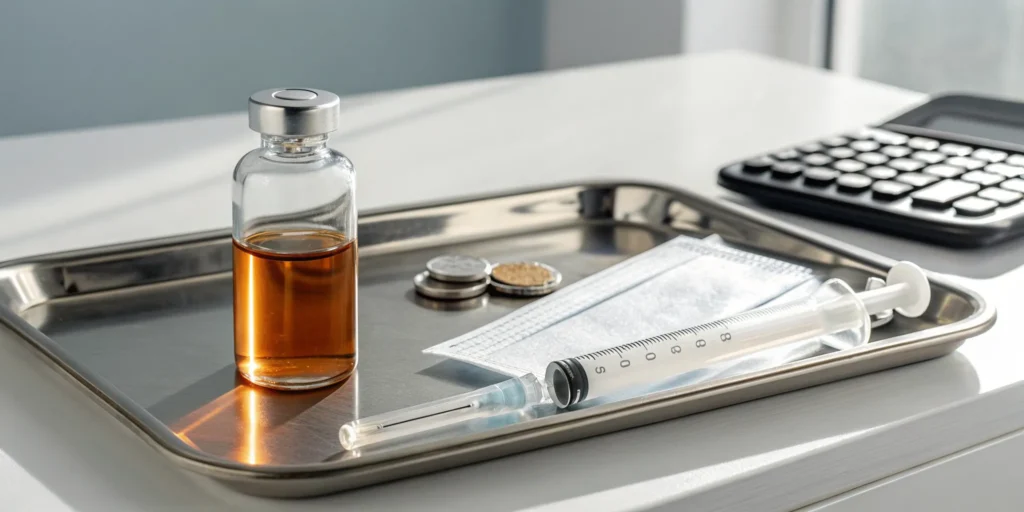
Feeling tired, unfocused, or just not like yourself can take a toll on your quality of life. Testosterone replacement therapy can be a powerful solution, but it’s natural to wonder about the financial commitment. The total testosterone shots cost is more than just the price of the medication; it’s an investment in a comprehensive, physician-led wellness plan. This guide is designed to demystify the numbers for you. We’ll walk through every component of the cost, from initial diagnostics to ongoing care, explaining how factors like dosage, insurance, and clinic choice play a role. This way, you can see the full picture and plan accordingly.
Key Takeaways
- Look beyond the price of the vial: The total cost of testosterone therapy is a comprehensive investment in your health, covering not just the medication but also the initial consultation, essential lab work, and follow-up appointments that ensure your treatment is safe and effective.
- Injections are typically the most affordable route: When comparing different TRT methods, injections consistently have a lower monthly cost than alternatives like gels, patches, or pellets, making them a practical and reliable choice for long-term treatment.
- You can actively manage your therapy costs: Make your treatment more affordable by confirming your insurance benefits, choosing generic medications, comparing prices at different pharmacies, and using pre-tax dollars from an HSA or FSA for qualified expenses.
What Is the Average Cost of Testosterone Shots?
Let’s talk numbers. When you’re considering testosterone replacement therapy (TRT), one of the first questions that comes to mind is usually about the cost. The price can vary quite a bit based on your specific needs, location, and treatment plan, but you can get a solid idea of what to expect. Think of it less as a fixed price tag and more as a personalized investment in your health and vitality.
The total cost isn’t just for the testosterone itself. It also includes your initial consultation, necessary lab work to monitor your levels, and follow-up appointments to ensure your treatment is working perfectly for you. At a physician-led clinic, you’re paying for medical expertise and a comprehensive approach to your wellness, which is a critical part of getting safe and effective results. We’ll break down the different components so you can see the full picture and plan accordingly.
Your Monthly Cost Breakdown
On average, you can expect the monthly cost for testosterone injections to range anywhere from $30 to over $150. A single vial of generic testosterone cypionate, which might last you one to three months, often falls between $20 and $100. If you’re looking at individual injections administered in a clinic, some sources report an average of $30 to $100 per session.
For at-home, self-administered injection kits that include shipping, the monthly cost can be around $105 with insurance or $155 without. These figures give you a general ballpark, but your final cost will depend on the dosage and frequency prescribed in your personalized hormone optimization plan.
Cypionate vs. Enanthate: A Price Comparison
Testosterone cypionate and enanthate are two of the most common forms of injectable testosterone. While they are very similar in function, their prices can differ slightly. Generally, both are affordable, especially in their generic forms. Without insurance, a monthly supply of a standard 200 mg/mL vial for either type can range from $40 to $100.
The exact price you pay will be influenced by your specific dosage, the pharmacy you use, and even your location. A key part of our process is determining the right type and dose of testosterone for your body’s unique needs, which ensures you’re not paying for more than you require.
Generic vs. Brand Name: What’s the Cost Difference?
Opting for a generic version of testosterone is one of the easiest ways to make your therapy more affordable. Generic testosterone cypionate, for example, can cost as little as $15 to $80 per vial, especially if you find pharmacy coupons. Brand-name options, like Depo-Testosterone, will almost always be more expensive.
While brand names are more recognizable, generic medications are FDA-approved to be just as safe and effective as their brand-name counterparts. They contain the same active ingredients and work the same way in your body. During your consultation, we can discuss all the options available to find a treatment that fits your health goals and your budget.
What Factors Influence the Cost of Testosterone Shots?
When you’re trying to budget for testosterone replacement therapy (TRT), you’ll quickly find there isn’t a single, one-size-fits-all price tag. The total cost is a sum of several moving parts, each tailored to your specific health needs and goals. Understanding these variables from the start helps you plan financially and ensures there are no surprises along the way. Think of it less like buying a product off the shelf and more like investing in a personalized wellness plan. From your specific dosage to the type of clinic you choose, each element plays a role in the final cost.
How Dosage and Frequency Affect Price
Your testosterone therapy plan is designed just for you, and that personalization directly impacts the price. A physician determines your ideal dosage and how often you’ll need injections based on your initial bloodwork, symptoms, and health objectives. Someone on a higher dose or requiring more frequent treatments will naturally have a higher monthly cost for the medication itself. This isn’t about upselling; it’s about clinical precision. The goal is to restore your hormone levels to an optimal range safely and effectively, and your treatment schedule is the roadmap to get you there.
The Impact of Your Location and Provider
Just as the cost of living varies by city, so does the price of medical services. Testosterone therapy costs can differ depending on your location and even the specific pharmacy you use. In an area like San Diego, you’ll find a range of providers, from general practitioners to specialized wellness clinics. While a specialized clinic might have a different cost structure, you’re paying for a higher level of expertise and a more comprehensive approach to your health. It’s always a good idea to compare, but remember to factor in the quality of care, not just the price.
Understanding Your Insurance Coverage
Insurance can be a huge help in managing TRT costs, but coverage varies widely. Many insurance plans will cover testosterone therapy if blood tests medically confirm you have low testosterone. However, your out-of-pocket expenses will depend on your specific plan’s rules, including your deductible, copay, and coinsurance. Before starting treatment, it’s best to call your insurance provider directly to understand what they cover. Our team at RewindMD can also help you work through your benefits and provide the necessary documentation for your insurance claims.
Why Clinic Specialization Matters
Choosing a clinic that specializes in hormone optimization means you’re investing in more than just a shot. The fees at a specialized clinic cover the deep expertise of a physician-led team, comprehensive initial consultations, ongoing monitoring through lab work, and follow-up appointments to fine-tune your treatment. This holistic approach ensures your therapy is not only effective but also safe. It’s smart to ask about all fees upfront, including any separate charges for the medication, supplies, or administration, so you have a clear picture of the total investment in your health.
How Do Different TRT Methods Compare in Cost?
When you start exploring testosterone replacement therapy, one of the first things you’ll notice is the variety of treatment options, and with them, a range of prices. The way testosterone is delivered into your system, whether through an injection, a gel, or a pellet, is one of the biggest factors in your total monthly cost. It’s easy to get lost in the numbers, but understanding the financial side of TRT is key to finding a plan that works for your health and your wallet. This isn’t about just finding the cheapest route; it’s about identifying the best value for your long-term wellness. Let’s walk through how different TRT methods compare in cost so you can feel confident in your choice.
Injections vs. Gels, Patches, and Pellets
If you’re looking for the most budget-friendly and reliable option, testosterone injections are usually the way to go. An injection can cost between $30 and $100 and is typically given every one to four weeks, making it a very manageable expense for long-term therapy. While other methods offer different kinds of convenience, they do come with a higher price tag. For example, topical gels and creams can cost $200 to $500 per month, while patches can range from $300 to $600. Pellets, which are implanted under the skin every few months, have the highest initial cost at $1,000 to $2,000 per procedure. When creating your hormone and wellness plan, it’s all about balancing cost with what feels right for your lifestyle.
At-Home vs. In-Clinic Injections: A Cost Analysis
Once you’ve settled on injections, you’ll need to decide where you’ll get them. At-home kits that ship directly to your door are available, often for around $155 a month. While the convenience is appealing, there’s a lot to be said for in-clinic treatments. A weekly visit to a clinic might cost between $50 and $100, but you’re getting much more than just a shot. You’re investing in professional medical oversight from a team that ensures every injection is administered safely and correctly. This expert guidance means your progress is closely monitored, and your treatment can be fine-tuned as needed, which is crucial for getting the best possible results.
Direct Pay vs. Insurance: Which Is More Cost-Effective?
Navigating payment options doesn’t have to be a headache. Generally, you can either use your health insurance or pay directly. Many insurance plans cover TRT, provided you have a documented medical need. Just remember to account for potential copays and deductibles. If you’re paying out of pocket, the monthly cost can fall anywhere between $100 and $500, depending on your treatment method. For many people, a direct-pay model is simpler because it offers total price transparency. You know exactly what to expect without having to worry about insurance approvals or unexpected bills. We can help you explore all your options to find a functional wellness path that fits your budget.
Are There Other Costs to Consider?
When you’re looking into testosterone replacement therapy, it’s easy to focus just on the price of the medication itself. But that’s only one part of the equation. A safe and effective treatment plan involves more than just the shots. Think of it like this: you’re not just buying a product, you’re investing in a comprehensive, physician-led program designed to help you feel your best.
To get a clear picture of the total investment, you need to account for the entire process. This includes the initial diagnostic work, the regular monitoring that keeps you safe and ensures the treatment is working, and the supplies needed for administration. Each of these steps is essential for a successful outcome. Understanding these additional costs upfront helps you budget properly and avoids any surprises down the road, allowing you to focus on what really matters: reclaiming your vitality and confidence through a personalized hormone and functional wellness plan.
Your Initial Consultation and Diagnostic Fees
Before you can even begin treatment, the first step is a thorough evaluation with a qualified physician. This isn’t just a formality; it’s a crucial diagnostic phase to confirm if TRT is right for you. Your initial consultation will involve a detailed discussion of your symptoms and health history, a physical exam, and comprehensive blood tests. These tests are what officially diagnose low testosterone and give your doctor the baseline data needed to create a personalized treatment plan. These initial services come with their own fees, which cover the doctor’s time, the lab analysis, and the expertise required to interpret your results accurately.
The Price of Ongoing Lab Work
Testosterone therapy is not a “set it and forget it” solution. To ensure your treatment is both safe and effective, your doctor will need to monitor your hormone levels regularly. This is done through ongoing lab work. These follow-up blood tests are essential for tracking your progress, making sure your testosterone levels are within the optimal range, and adjusting your dosage as needed. Typically, you can expect to have these tests done a couple of times a year once your treatment plan is stabilized. This continuous monitoring is a key part of a responsible, physician-led approach and is vital for your long-term health and well-being.
Factoring in Follow-Up Appointments
Along with regular lab work, you’ll also have follow-up appointments with your doctor. These check-ins are your opportunity to discuss how you’re feeling, talk about any changes you’ve noticed, and review your latest lab results together. These appointments are critical for fine-tuning your treatment. Based on your feedback and your blood work, your doctor can make precise adjustments to your therapy to ensure you’re getting the best possible results. The frequency of these visits may be higher when you first start treatment and will likely become less frequent once your hormone levels are stable and you’re feeling great.
Budgeting for Supplies and Administration
Finally, you’ll need to account for the cost of the testosterone itself and any necessary supplies. If you’re administering the shots at home, this includes the cost of syringes and needles. The price for a vial of testosterone can vary, but it often falls somewhere between $40 and $100 per month without insurance. If you choose to have your injections administered by a professional in the clinic, there will be a separate fee for that service. These costs are a regular part of your TRT program, so it’s important to include them in your monthly budget.
How Can You Make Testosterone Therapy More Affordable?
Investing in your health is one of the best decisions you can make, but it’s also important to feel confident about the financial side of your treatment. The good news is that testosterone replacement therapy doesn’t have to break the bank. With a bit of planning and knowledge, you can make your TRT journey much more affordable. From leveraging your insurance benefits to understanding the real value of your treatment, here are some practical steps you can take to manage the costs effectively.
Get the Most from Your Insurance
Many people are surprised to learn that their health insurance may cover a significant portion of their testosterone therapy. Most insurance plans will cover TRT when it’s deemed medically necessary. This typically requires an official diagnosis of hypogonadism from a physician, which is confirmed through a combination of symptoms, a physical exam, and blood tests. The first step is to schedule a consultation to see if you qualify. From there, our team can help you understand your benefits and communicate with your provider. A clear diagnosis is key to getting the hormone and functional wellness support you need covered.
Find Competitive Pharmacy Pricing
The price you pay for testosterone can vary quite a bit from one pharmacy to another. It really pays to do a little research. For example, generic testosterone cypionate can cost anywhere from $15 to $80 per vial, and using a pharmacy coupon or discount card can often bring that price down even further. Always ask your doctor if a generic version is right for you, as brand-name options are almost always more expensive. Don’t hesitate to call a few different pharmacies in your area to compare prices before you fill your prescription. A few phone calls could save you a substantial amount of money each month.
Use Your HSA or FSA Account
If you have a Health Savings Account (HSA) or a Flexible Spending Account (FSA) through your employer, you can use these pre-tax dollars to pay for your treatment. These accounts are designed specifically for medical expenses, and TRT almost always qualifies. This includes not just the cost of the medication itself, but also related expenses like your initial consultation, follow-up appointments, and necessary lab work. Using your HSA or FSA plans is a smart way to budget for your therapy while taking advantage of significant tax savings, making your overall treatment more affordable.
Clearing Up Common Cost Misconceptions
Some of the biggest barriers to starting TRT are the myths surrounding it. Many people assume low testosterone is just a normal part of aging or that treatment is only for men with a low sex drive. In reality, TRT can address a wide range of symptoms, from persistent fatigue and brain fog to mood swings and loss of muscle mass. Viewing therapy as an investment in your total well-being, rather than just a single-symptom fix, helps put the cost into perspective. When you feel more energetic, focused, and confident, the value of that investment becomes clear.
Related Articles
- How Much Do Testosterone Injections Cost? A Guide
- How Much Does 200mg of Testosterone Cost? A Guide
- The Real Cost of Testosterone Injections Without Insurance
- How Much is TRT Without Insurance? A Full Breakdown
- The True Cost of Testosterone Gel Per Month
Frequently Asked Questions
What’s a realistic all-in monthly cost for testosterone shots? While the testosterone itself can be quite affordable, a realistic monthly budget should also account for the expert care that makes the treatment effective. Your total investment includes the initial consultation, ongoing lab work to monitor your levels, and follow-up appointments with your physician. When you combine these essential services with the cost of the medication, a comprehensive, physician-led program can range from around $100 to over $400 per month, depending on your specific plan and insurance coverage.
Why is there such a wide price range for TRT? The cost of testosterone therapy isn’t a single flat fee because the treatment itself is highly personalized. The final price depends on several factors unique to you, including the specific dosage and frequency of injections your body needs to achieve optimal hormone levels. Other variables include your location, the pharmacy you use, and the details of your health insurance plan. A specialized clinic provides a complete wellness plan, not just a prescription, which is reflected in the cost.
Are all the extra costs like consultations and lab work really necessary? Yes, they are absolutely essential for a safe and successful treatment. The initial consultation and blood work are what confirm a diagnosis and give your doctor the baseline information needed to create your plan. The ongoing lab work and follow-up visits are just as important. They allow your physician to monitor your body’s response, make precise adjustments to your dosage, and ensure you get the best possible results without any unwanted side effects.
Is it always cheaper to go with the generic version of testosterone? Choosing a generic form of testosterone is one of the most effective ways to make your therapy more affordable. Generic medications are approved by the FDA and contain the exact same active ingredients as their brand-name counterparts, so they work in the same way. While brand-name options are available, they are almost always more expensive, so opting for the generic can lead to significant monthly savings without compromising the quality of your treatment.
How can I find out if my insurance will cover my treatment? The best first step is to call your insurance provider directly and ask about their coverage for testosterone replacement therapy. You can ask what their requirements are for medical necessity, which usually involves a confirmed diagnosis from a physician. Our team can also help by providing you with the necessary medical documentation to support your insurance claim, making the process smoother for you.