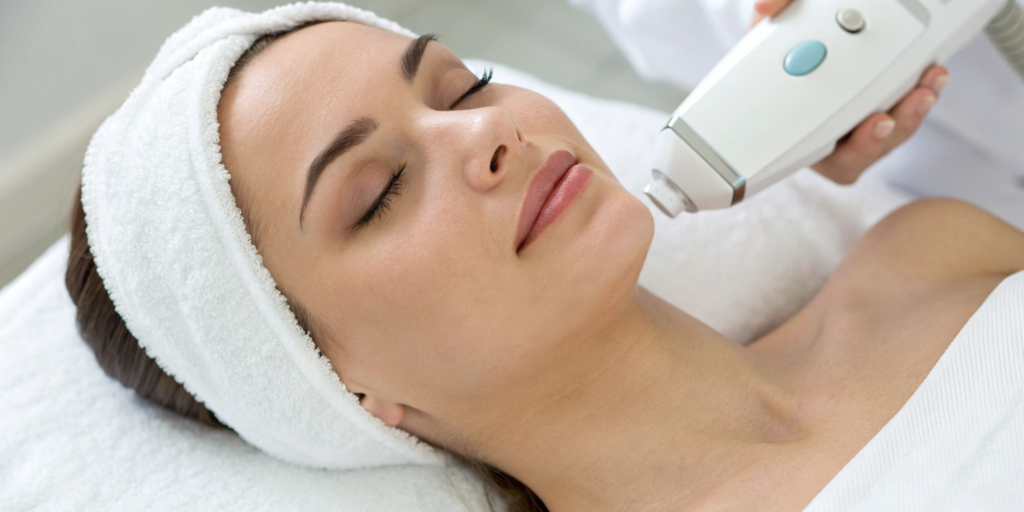

A short shockwave session may serve very different goals, from tissue healing to sexual wellness. For San Diego patients, the key is matching the technology and plan to a clear clinical need.
Shockwave therapy San Diego patients consider is a non-invasive treatment that sends acoustic waves into targeted tissue to support a healing response. At RewindMD in Encinitas, candidacy depends on your health history, goals, treatment area, and the specific device and protocol under consideration. Evidence supports ESWT for some musculoskeletal conditions, including plantar fasciitis and calcific tendinopathy, while research on other uses continues to evolve. A clinical review should clarify likely benefits, limitations, treatment sensations, session timing, and whether shockwave therapy fits within a broader wellness plan. Published research notes that device type, energy, impulses, and session frequency can vary widely, which is why careful personalized planning matters for each patient.
The practical question is not simply whether shockwave therapy works, but whether a specific approach fits your needs and goals. Start by understanding what shockwave therapy means in San Diego, and why device selection and clinical context matter. The path begins with a clear definition.
Shockwave Therapy San Diego: What is shockwave therapy in San Diego?
Shockwave therapy is a noninvasive treatment that sends acoustic waves into a chosen area of the body. A clinician selects the device, settings, and treatment area based on the patient’s needs. In San Diego, the term may refer to care for joint and tendon concerns or certain sexual wellness goals.
How acoustic waves work
The clinical name is extracorporeal shockwave therapy, often shortened to ESWT. “Extracorporeal” means the energy comes from outside the body. The device sends controlled acoustic energy through the skin without an incision. This energy is intended to prompt a response in the treated tissue.
Shockwave therapy is not one fixed protocol. Devices may deliver focused or radial waves, and clinicians can change the energy, pulse count, and treatment schedule. These differences matter because they can affect how therapy is used. A clinical review of ESWT protocols notes that methods vary across conditions and studies.
What a local search may mean
Someone searching for shockwave therapy San Diego may have a specific concern or may still be learning what the treatment does. The right provider should first clarify the goal. Shockwave therapy used for a tendon issue is not the same care plan as treatment used for sexual wellness.
For example, research on low-intensity shockwave therapy for erectile function continues to develop. RewindMD places this option within broader shockwave therapy for sexual wellness, rather than treating it as a stand-alone promise. Results can vary, and a consultation helps set realistic expectations.
Why physician-led evaluation matters
A proper evaluation starts with the concern, health history, current symptoms, and desired outcome. The physician can then decide whether shockwave therapy fits the goal. This review also helps distinguish between issues that may look alike but need different forms of care.
The plan should explain the device type, treatment area, likely schedule, and what progress will be reviewed. It should also cover limits and other suitable options. At RewindMD in Encinitas, physician-led care places shockwave therapy within an integrated wellness plan when that approach fits the patient.
What is shockwave therapy used for?
Shockwave therapy has several clinical uses, but the device, energy level, and treatment plan differ by goal. In sexual wellness care, low-intensity shockwave therapy is being studied as a way to support erectile function. For orthopedic care, other forms may be used for pain and tissue concerns.
Sexual wellness goals
Within sexual wellness, the main researched use is support for erectile function. A randomized, sham-controlled trial found that low-intensity treatment improved baseline erectile function, though research continues to evolve. This does not mean every patient will respond, and it is not a promise of a specific result.
Patients may ask whether treatment fits changes in erectile function, sexual confidence, or a wider wellness concern. Those concerns can overlap, but they do not always share the same cause. A physician-led review can look at the whole picture before recommending care.
Someone exploring shockwave therapy in San Diego may want a non-surgical option or added support within a wider care plan. At RewindMD, a consultation connects the patient’s symptoms and goals with the clinic’s broader shockwave therapy for sexual wellness services. The visit also helps flag concerns that may need another form of medical care.
Uses beyond sexual wellness
Outside sexual wellness, extracorporeal shockwave therapy is also used in musculoskeletal care. Evidence reviews describe use for conditions such as calcific tendinopathy, plantar fasciitis, and lateral epicondylosis. These orthopedic uses have different targets and plans. Their results should not be applied directly to sexual wellness.
Shockwave therapy first entered clinical practice for breaking up urinary stones, then expanded into musculoskeletal care. Treatment methods can vary by device, energy, number of impulses, and session plan. This review of shockwave therapy uses and protocols explains why the term can describe several distinct treatments.
Matching treatment to the patient
The right use depends on the concern being treated and the patient’s health history. A sexual wellness visit may cover current symptoms, medicines, past treatments, and other health factors. It can also clarify what the patient hopes to change and what a realistic response may look like.
- The specific concern and how long it has been present.
- Whether shockwave therapy fits the patient’s health and goals.
- Which device and treatment plan apply to that use.
- What other care or follow-up may be appropriate.
This review makes shockwave therapy one possible tool within personalized care, rather than a stand-alone answer for every concern. It also helps patients understand that sexual wellness and orthopedic uses are not interchangeable. Results vary, and a consultation is needed to decide whether treatment is appropriate.
Who is a good candidate for shockwave therapy?
A good candidate has a clear treatment goal, understands the limits of care, and can follow a plan made for their needs. Shockwave therapy may suit some people seeking support for tissue health, muscle and joint concerns, or sexual wellness. A candidacy visit should come first because the right use and protocol depend on the person.
Goals that may fit treatment
People with certain tendon or soft-tissue concerns may be considered after a clinical review. Research has found benefits for conditions such as plantar fasciitis, calcific tendinopathy, and lateral elbow tendinopathy. Still, evidence and treatment methods vary by condition, as this review of shockwave therapy for muscle and joint conditions explains.
Shockwave therapy may also be discussed for select sexual wellness goals. Research in this area continues to develop, so an individual review matters. Patients exploring this use can learn about RewindMD’s approach to shockwave therapy for sexual wellness before a consultation.
- The concern and treatment goal are clear.
- The proposed use matches the available evidence.
- The patient can follow the recommended care plan.
- Expectations are practical, with no assumption of a guaranteed result.
Reasons for a closer review
Some people need more evaluation before deciding whether to proceed. A clinician should review medical history, current symptoms, prior procedures, and all medications or supplements. This discussion helps show whether treatment is appropriate and whether another form of care should come first.
Patients should share changes in health, even when those changes seem unrelated to the treatment goal. They should also explain what they have already tried and how the concern affects daily life. Complete information supports a safer, more useful candidacy discussion.
- Bring an up-to-date medication and supplement list.
- Share relevant diagnoses, procedures, and past treatment responses.
- Describe the location, timing, and effect of the concern.
- Ask what outcome is realistic and how progress will be reviewed.
Physician-led care in Encinitas
For people comparing shockwave therapy in San Diego, candidacy matters more than choosing treatment from a service menu. Device type, treatment approach, and number of sessions can differ. The plan should reflect the patient’s goal, health background, and response over time.
RewindMD is a physician-led aesthetic and wellness clinic in Encinitas. Its integrated model lets clinicians consider shockwave therapy within a broader health plan, not as an isolated service. A consultation at RewindMD can clarify fit, likely limits, and appropriate next steps.
What should you expect during treatment?
A course of shockwave therapy starts with an evaluation, not with the device. Your clinician reviews your goals, health history, symptoms, and the area being treated. This visit also helps confirm whether shockwave therapy fits your needs and which approach may be suitable.
Your evaluation and treatment plan
The plan should reflect the reason for treatment. For example, the goals and protocol for shockwave therapy for sexual wellness may differ from those used for a tendon concern. Your clinician should explain the device, expected sensation, visit schedule, and signs that may change the plan.
There is no single protocol for every patient. A clinical review notes that protocols vary by device type, energy level, impulses, visit frequency, and use of pain relief. These differences help explain why a careful evaluation matters before treatment begins. You can read the review of shockwave therapy protocols for more detail.
| Phase. | What happens. | Time and sensation. | Main purpose. |
|---|---|---|---|
| Evaluation. | Review goals, history, symptoms, and treatment area. | Varies by patient. | Confirm fit and build the plan. |
| Treatment session. | Apply acoustic waves to the planned area. | Often 15 to 30 minutes, with a tapping sensation. | Deliver the planned treatment. |
| Follow-up. | Review response and discuss next steps. | Scheduled as needed. | Adjust the plan when appropriate. |
During each session
During treatment, the clinician positions the device over the selected area and delivers acoustic waves. You may notice repeated tapping as the device works. A session often lasts about 15 to 30 minutes, though the time can vary with the area and protocol.
Tell your clinician what you feel during the visit. Clear feedback helps the clinician monitor comfort and follow the planned settings. The experience should be explained before the session starts, so you know what sensations to expect.
Visits, follow-up, and aftercare
A typical course may involve several outpatient visits, but the right number depends on your needs and response. Some published clinic protocols use four to six sessions spaced several days apart. That schedule is an example, not a rule for every patient.
When comparing shockwave therapy in San Diego, ask how the clinic plans visits and tracks response. A clear plan should cover what to do between appointments. It should also explain when to contact the care team.
After each visit, follow the specific care guidance given by your clinician. Note any changes and bring them to the next appointment. Follow-up lets the care team review your response, answer questions, and adjust the plan if needed. Results vary, and no set visit count can guarantee an outcome.
What are the benefits and possible downsides?
Potential benefits depend on the goal
Shockwave therapy uses acoustic energy to prompt a response in targeted tissue. Its potential value depends on the body area, the concern being treated, and the device used. Research describes possible effects on pain and tissue healing. It also notes that clinical uses and methods continue to evolve.
For a person with a tendon concern, the goal may be better comfort and function over time. When circulation is the focus, a clinician should first define the exact concern and a useful way to track change. This keeps the plan tied to a clear goal instead of a broad promise.
Sexual wellness goals and evidence
Some patients explore shockwave therapy for sexual wellness, including support for erectile function. A randomized sham-controlled trial found improved baseline erectile function after low-intensity shockwave therapy. Still, one study does not mean every person will have the same response. Research is still developing, and individual health factors matter.
People considering shockwave therapy for sexual wellness should discuss what success would mean before starting. Goals may involve function, comfort, or another personal concern. A focused consultation can also help separate realistic aims from claims that the evidence does not support.
Possible downsides and limits
The main limitation is uncertainty. Results can differ, and no ethical clinician can promise a specific outcome. The evidence also spans different devices and treatment plans. An academic review notes that energy level, impulse count, session schedule, device type, and pain control can vary across protocols.
- A course may require several visits rather than one appointment.
- The treatment sensation may be uncomfortable for some people.
- A protocol suited to one concern may not fit another.
- Time, cost, and uncertain response should be weighed before treatment.
These limits do not make the treatment ineffective, but they do make careful screening important. A provider offering shockwave therapy in San Diego should explain the device, purpose, timeline, and ways to assess progress. The provider should also discuss other options when the likely value is unclear.
Potential benefits should be viewed as possibilities, not guarantees. The broad shockwave therapy evidence review describes conflicting evidence linked to differences in treatment methods. A physician-led plan can account for health history and goals. It can then set a fair standard for judging response.
How much does shockwave therapy cost in San Diego?
There is no single market price for shockwave therapy in San Diego. The total depends on the treatment goal, device used, session count, and clinic. RewindMD pricing should be confirmed during a consultation, since the care plan is based on each patient’s needs.
What shapes the total cost?
A quote may cover one session, a planned series, or shockwave therapy paired with other care. Ask what the stated fee includes before comparing clinics. A low introductory offer may not reflect the full cost of the recommended plan.
Device type and treatment protocol can also affect the quote. Published research notes that protocols vary by energy level, impulses, device type, session frequency, and session count. These differences help explain why prices are not easy to compare across providers. The review of shockwave therapy protocols also distinguishes focused and radial devices.
- Ask whether the quote is per session or for a full series.
- Confirm whether the consultation or follow-up visits have separate fees.
- Find out which device and treatment area the quote covers.
- Request a written estimate before starting care.
Will insurance cover shockwave therapy?
Coverage depends on the insurance plan, medical reason, and provider. Some aesthetic and wellness services may be self-pay. Even when shockwave therapy addresses a health concern, a plan may require prior approval or may not cover that use.
Contact the insurer before treatment and use the exact service details supplied by the clinic. Ask about coverage, deductibles, copays, prior approval, and required records. Patients using health savings funds should also confirm whether their expense qualifies under their plan.
RewindMD offers integrated aesthetic and wellness care, so the proposed plan may include more than one service. Patients considering shockwave therapy for sexual wellness should ask which parts of the plan are self-pay. They should also request separate prices for any added services.
Questions to ask at a consultation
Patients can use a simple consultation checklist before starting treatment:
- Define the main concern and the outcome you want to discuss.
- Share medications, procedures, diagnoses, and prior treatment responses.
- Ask which device, treatment area, and session plan may apply.
- Review cost, follow-up timing, and signs that the plan should change.
- Decide whether shockwave therapy fits your goals after the consultation.
A useful estimate should connect the price to a clear care plan. During the consultation, discuss the treatment goal, expected session range, and how progress will be reviewed. Results vary, so cost alone should not decide which plan fits.
Ask what could change the estimate after treatment begins. Also ask about cancellation rules, package terms, and payment timing. This approach gives patients a clearer view of the likely financial commitment without treating a San Diego market price as RewindMD’s price.
Why choose a physician-led clinic in Encinitas?
A broader clinical view
Choosing shockwave therapy is not just a matter of finding the nearest device. A physician-led clinic can assess the concern, health history, goals, and treatment fit before recommending a plan. This broader view matters because the same technology may serve different clinical aims.
At RewindMD, Dr. Scott Gillin’s integrative medicine philosophy guides clinical decisions. Shockwave therapy may be considered alongside other parts of a patient’s aesthetic or wellness plan, rather than as an isolated service. That approach keeps the focus on the whole person and the reason behind the treatment request.
It also gives patients space to discuss related concerns that may shape their care. For example, someone exploring shockwave therapy for sexual wellness may have different goals and questions than someone seeking support for another use.
Care shaped to the application
Shockwave therapy is not one fixed protocol. Devices may be focused or radial, and treatment plans can differ in energy, impulses, frequency, and session count. A review of shockwave therapy protocols explains how these differences can affect its use in clinical practice.
A physician-led evaluation helps connect those technical choices to the patient’s needs. It can also identify when shockwave therapy may not be a suitable option. Clear screening and realistic expectations are important because results can vary, and no treatment can promise a set outcome.
Integrated care also allows the conversation to extend beyond a single symptom or surface concern. When relevant, patients can ask how functional medicine approaches may fit into their wider wellness goals. Any added service should have a clear purpose within the plan.
Local access with ongoing context
For people comparing shockwave therapy in San Diego, location affects more than travel time. RewindMD’s Encinitas clinic offers North County access for patients from nearby communities, including Carlsbad, Solana Beach, Del Mar, and Cardiff-by-the-Sea. Local access may make follow-up conversations easier when a plan spans more than one visit.
Continuity also helps the clinical team understand how a patient responds over time. The team can review progress, discuss changes, and adjust the plan when appropriate. This is different from treating each appointment as a stand-alone session with no wider health context.
A consultation should clarify the proposed application, expected experience, possible limits, and how progress will be reviewed. Patients should also ask why the recommended approach fits their goals and what other options may be worth considering. Those questions support a more informed choice without assuming that shockwave therapy is right for everyone.
Frequently Asked Questions
How much does shockwave therapy cost in San Diego?
Shockwave therapy cost in San Diego varies by clinic, treatment area, device, and number of visits. Some local search results cite per-session pricing ranges, but RewindMD pricing should be confirmed directly during consultation. The most useful estimate comes after a physician-led evaluation, because your goals, medical history, and treatment plan can affect the recommendation.
Is shockwave therapy covered by insurance in San Diego?
Coverage depends on your plan, diagnosis, and how the service is billed. Many wellness, aesthetic, and sexual wellness treatments are self-pay, while some orthopedic uses may be handled differently by other clinics. RewindMD can help you understand what applies to your care plan, but your insurance carrier is the final source for benefits.
Is there a downside to shockwave therapy?
Shockwave therapy is non-surgical, but it is still a medical treatment that should be matched to the right patient. Temporary tenderness, mild discomfort during treatment, bruising, or no meaningful response are possible. It may not be appropriate for every condition, so a consultation matters before starting care.
How long does a shockwave therapy session take?
Competitor pages commonly describe short treatment sessions, often around 10 to 30 minutes, depending on the area treated and protocol. Your visit may include more than device time, especially when evaluation, preparation, and follow-up instructions are included. RewindMD can explain the expected appointment length before treatment begins.
How many shockwave therapy sessions are usually needed?
The number of sessions varies by goal, tissue response, and clinical protocol. Some local competitors describe multi-session plans, such as four to six visits, but that should not be treated as a guarantee for every patient. A physician-led plan is the safest way to decide whether a series makes sense.
Ready to Discuss Shockwave Therapy in San Diego?
Waiting to address ongoing health and wellness concerns can leave you without clear answers about whether shockwave therapy fits your needs today. Starting the conversation now gives you time to review your goals, ask questions, and understand what a personalized care plan may involve. A physician-led consultation can help you weigh candidacy, expectations, and other options before deciding on your next step.
Ready to explore whether this treatment may be appropriate for you? Schedule a consultation with RewindMD to discuss your concerns, health history, and priorities with a knowledgeable care team in Encinitas. Starting now can provide time to consider the guidance carefully and make an informed choice that matches your goals.