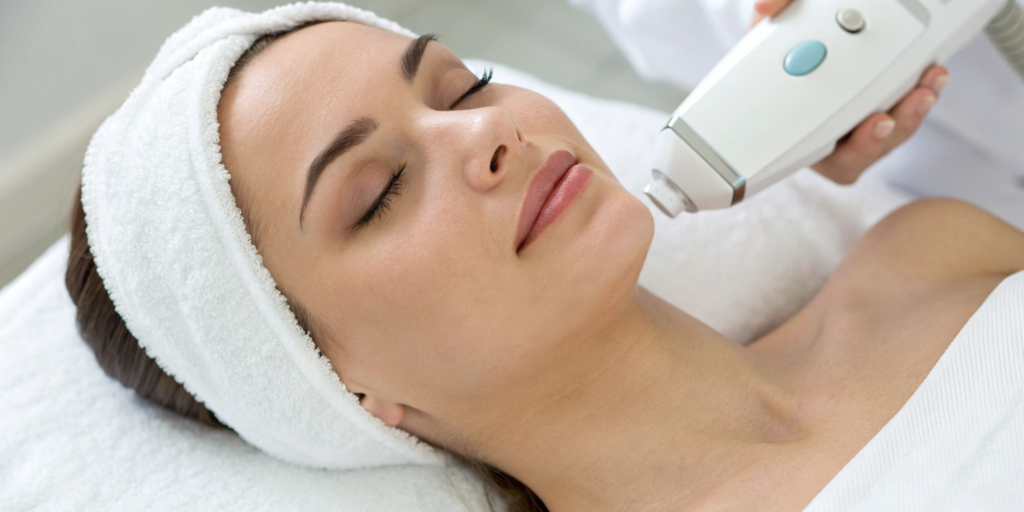
PDO thread lift recovery is usually measured in days for early downtime and weeks for the deeper settling process. Most patients can return to light daily routines quickly, but the treated areas still need careful protection while the threads settle and the skin responds.
Ready for personalized PDO thread lift recovery guidance? Schedule a facial rejuvenation consultation with RewindMD to review your treatment plan, aftercare instructions, and timing.
Quick answer: PDO thread lift recovery often includes mild swelling, bruising, tenderness, and tightness for the first few days. Many people resume light work within one to three days, avoid strenuous exercise and exaggerated facial movement for about two weeks, and see the treatment area look more settled over the next several weeks.
This guide explains what to expect after a PDO thread lift, how to plan aftercare, and when to contact your provider. It is educational, not a substitute for individualized medical advice. For personalized facial rejuvenation guidance in Encinitas and North County San Diego, RewindMD can help you understand which recovery instructions fit your treatment plan.
PDO thread lift recovery timeline at a glance.
Direct answer: A practical PDO thread lift recovery timeline starts with comfort and swelling control in the first 48 hours. It continues with careful movement during the first week, settling over weeks two to four, and gradual skin-support changes over the following months. Your provider’s instructions should guide each phase.
A PDO thread lift is a non-surgical facial rejuvenation treatment that uses absorbable threads placed under the skin to create lift and support. The threads are designed to dissolve over time while the skin gradually responds. Because the treatment works below the surface, the visible lift and the healing process do not always move at the same speed.
The first few days are usually about comfort, swelling control, and protecting the treated areas. The next few weeks are about letting the threads settle. Over the following months, many patients notice gradual changes as collagen support develops. Results vary, and your provider’s instructions should always come before a generic timeline.
| Recovery phase | Common considerations | Aftercare focus |
|---|---|---|
| First 24 to 48 hours | Mild swelling, tenderness, bruising, tightness, or soreness may appear. | Rest, keep your head elevated, avoid rubbing the face, and follow your provider’s medication guidance. |
| Days 3 to 7 | Bruising and swelling may begin to improve, though tightness can remain. | Keep movements gentle, use soft skincare, avoid pressure, and delay strenuous activity. |
| Weeks 2 to 4 | The face may feel more natural as the threads settle into the tissue. | Continue avoiding heavy facial pressure, aggressive treatments, and activities your provider has restricted. |
| Months 2 to 4 | Collagen-related changes may become more noticeable for some patients. | Maintain healthy skin habits and schedule follow-up care if recommended. |
At RewindMD, thread lift aftercare is viewed as part of a broader aesthetic plan, not a one-size-fits-all checklist. Patients considering non-surgical facial rejuvenation should ask how their treatment area, lifestyle, and wellness factors may affect recovery.
Why timelines vary
PDO thread lift recovery can differ from person to person. The number of threads, treatment area, skin thickness, bruising tendency, medications, and activity level can all influence the early healing phase. A patient treating the midface may receive different instructions than someone treating the jawline or neck.
- Treatment area, such as cheeks, jawline, brows, or neck.
- Number and placement of threads.
- Bruising tendency, medications, and health history.
- Activity level, sleep position, and pressure on the face.
- Whether other aesthetic treatments were performed at the same visit.
That is why the safest plan is the one provided by your injector or physician. Online timelines are helpful for planning, but they cannot account for your anatomy or exact procedure. If anything feels unusual, call your provider instead of waiting for a generic milestone to pass.
What should you do in the first 48 hours?
Direct answer: During the first 48 hours, focus on rest, elevation, gentle cleansing, and avoiding pressure on the treated areas. Do not rub, massage, or stretch the skin unless your provider specifically instructs you to do so. Mild tenderness can be expected, but worsening symptoms deserve a call.
The first 48 hours of PDO thread lift recovery are about protecting the treated areas while your body begins to heal. You may feel tightness, tenderness, or a pulling sensation. Mild bruising and swelling can also occur. These early effects are common, but they should be monitored and discussed with your provider if they feel severe or are getting worse.

Rest and keep your head elevated
Plan a quiet first day if possible. You do not need to treat recovery like bed rest unless your provider tells you to, but you should avoid unnecessary strain. Keep your head elevated when resting, especially during the first night. Many providers recommend sleeping on your back with your head supported by pillows to reduce pressure on the treated areas.
Avoid sleeping on your side or stomach during the early recovery window. Pressure from a pillow can press on the threads before they settle. If you tend to roll over during sleep, surrounding yourself with pillows may help keep your position stable.
Be gentle with the skin
Wash your face carefully and avoid scrubbing. Use light, upward motions only if they are comfortable and approved by your provider. Do not massage the treated area unless your provider specifically instructs you to do so. Facial massage, rubbing, tugging, or pressing on the skin can disturb tender tissue during the early healing phase.
If you use makeup, retinoids, acids, exfoliants, or active skincare, ask when to restart them. Many patients are asked to keep skincare simple for a short period. The goal is to keep the skin clean without creating extra irritation. Patients who are also planning skin-focused treatments can review RewindMD’s skin, acne, and pigment services with the team so timing does not overload the skin.
Follow medication guidance carefully
Do not assume that every over-the-counter pain reliever is appropriate after treatment. Some providers ask patients to avoid aspirin, ibuprofen, or other anti-inflammatory medications for a defined period because they may affect bruising or the healing response. Use only the pain relief plan your provider recommends.
If you were given written aftercare instructions, keep them nearby for the first few days. RewindMD patients can also use the clinic’s aesthetic treatment FAQ as a general resource, while still following the specific instructions provided at the appointment.
Days 3 to 7: swelling, bruising, and daily routines.
Direct answer: By days three to seven, many patients feel ready for light routines, but the threads are still settling. Keep activity low impact, avoid heat and heavy lifting, choose softer foods if chewing feels tight, and contact your provider if swelling, redness, pain, or drainage worsens.
By days three to seven, many patients feel ready for more normal routines. Swelling and bruising may start to fade, and tenderness may be easier to manage. Even if you look and feel better, the threads are still settling. This is the time to stay consistent rather than test your limits.
Return to light activities with caution
Light work, errands, and low-key social plans may be reasonable for many patients within a few days. If your job requires heavy physical labor, frequent bending, or high heat exposure, ask your provider when to return. The right answer depends on the extent of your treatment and how your body is responding.
Gentle walking is often easier on the body than intense exercise. Avoid high-impact workouts, heavy lifting, hot yoga, saunas, steam rooms, and anything that raises heat or pressure in the face until your provider clears you. A cautious first week can reduce the chance of unnecessary swelling or irritation.
Keep facial movement controlled
During the first week, avoid exaggerated facial expressions when you can. Big smiles, wide yawns, intense laughing, or chewing tough foods may pull on tender tissue. You do not need to freeze your face, but you should avoid stretching the treated area aggressively.
Soft foods can help if chewing feels uncomfortable. Soup, smoothies, eggs, yogurt, soft pasta, and similar meals can reduce the need for wide mouth opening. If you have planned dental work, ask your provider whether it should be delayed. Some patients are advised to avoid dental appointments that require prolonged wide opening for a few weeks.
Monitor changes without overchecking
It is normal to look in the mirror often after a facial treatment, but constant checking can increase anxiety. Minor asymmetry, swelling, or tightness may change as the tissue calms. Take note of new or worsening symptoms, but avoid pressing or manipulating the skin to see what is happening under the surface.
If you are unsure whether a symptom is expected, call your provider. A quick check-in is better than guessing. RewindMD’s patient-centered approach emphasizes clear guidance so patients know what to watch for and when to ask for help.
How should you sleep, exercise, and care for your skin?
Direct answer: Sleep on your back with your head elevated, keep exercise gentle until you are cleared, and use simple skincare that does not scrub, heat, or pull the skin. Avoid facial massage, aggressive exfoliation, and other treatments until your provider confirms they fit your recovery stage.
Daily habits can make PDO thread lift recovery easier. The main principle is simple: reduce pressure, heat, strain, and unnecessary movement while the threads settle. Your provider may tailor these recommendations based on the treatment area and your health history.
Use a practical aftercare checklist
A short checklist can help you stay consistent during the first few weeks. Keep it simple and realistic so it fits your routine.
- Sleep on your back with your head elevated until your provider says side sleeping is appropriate.
- Cleanse gently and avoid scrubs, facial brushes, aggressive exfoliation, or massage.
- Choose soft foods if chewing feels tight or uncomfortable.
- Avoid strenuous exercise, heavy lifting, saunas, steam rooms, and hot yoga until cleared.
- Limit exaggerated facial movement during the early settling period.
- Pause facial treatments, peels, lasers, microneedling, or dental work until your provider approves them.
- Call your provider if symptoms worsen or something feels unusual.
Be careful with skincare and other treatments.
PDO threads are placed beneath the skin, so aggressive skincare is not the right focus during the early healing period. Avoid anything that pulls, heats, or inflames the treated area. This includes facial massage, strong exfoliating acids, retinoids if restricted, and devices that create heat or vibration.
If you receive other aesthetic services, coordinate the timing. Many patients interested in threads are also considering skin resurfacing, injectables, or other facial rejuvenation options. A thoughtful sequence matters. RewindMD can help patients understand how facial rejuvenation and anti-aging treatments can fit together without overwhelming the skin.
Need help sequencing treatments? Contact RewindMD before scheduling additional skincare, laser, injectable, or dental appointments during your recovery window.
When will results look settled?
Direct answer: A PDO thread lift may look lifted right away, but the most natural-looking settling often happens gradually as swelling improves and tissue adjusts. Some patients notice continued refinement over the next several months as skin support changes, though timing and results vary.
A PDO thread lift may create an immediate lifting effect, but the early look is not always the final look. Swelling, tightness, and tissue adjustment can make the face appear different from week to week. Many patients see a more natural-looking result as the first month progresses.

Immediate lift versus gradual support
The immediate lift comes from thread placement and tissue support. The gradual change comes from the skin’s healing response. PDO threads are absorbable, and collagen remodeling may continue after the early swelling has improved. This is why some patients notice ongoing refinement over the next few months.
It is important not to judge the final outcome too early. The first days can include puffiness, bruising, or uneven swelling. These changes do not necessarily reflect the final result. Follow-up visits, if recommended, give your provider the opportunity to evaluate how the tissue is settling.
How to support longer-term skin quality
Recovery is only one part of the facial aging conversation. Skin quality, volume, hormones, inflammation, sleep, nutrition, and sun exposure can all influence how refreshed you look over time. RewindMD’s physician-led model connects aesthetics with broader wellness, which can be valuable for patients who want more than a surface-level plan.
Patients in Encinitas, Del Mar, Solana Beach, Carlsbad, and nearby North County communities often want subtle, natural-looking improvement. A personalized plan helps align treatment timing, aftercare, and maintenance with that goal. You can also explore more skin and wellness resources to understand related aesthetic topics.
When should you contact your provider?
Direct answer: Contact your provider if symptoms are severe, worsening, or not aligned with your written instructions. Increasing redness, warmth, drainage, fever, severe pain, sudden swelling, visible thread material, or sharp sensations should be checked. Do not massage or adjust the area yourself.
Most recovery questions are not emergencies, but some symptoms should be checked promptly. Contact your provider if symptoms are severe, worsening, or different from what you were told to expect. Do not try to adjust a thread or massage out a concern on your own.
Symptoms that deserve a call.
Call your provider if you notice increasing redness, warmth, pus, fever, chills, severe pain, sudden swelling, or drainage at an entry point. You should also reach out if a thread becomes visible, you feel a sharp point, or the skin develops concerning dimpling that does not improve. These symptoms do not mean something serious has happened, but they deserve professional guidance.
- Fever, chills, spreading redness, or warmth.
- Severe pain or pain that is getting worse instead of improving.
- Pus, unusual drainage, or a concerning entry point.
- Sudden swelling, visible thread material, or a sharp point.
- Any symptom that feels different from your provider’s instructions.
When in doubt, ask
It is better to ask early than wait and worry. A physician-led clinic can help you distinguish normal healing from a concern that needs attention. If you are already a RewindMD patient, use the contact instructions provided after your appointment. New patients can reach out through the RewindMD contact page to ask about consultations and next steps.
Why personalized aftercare matters for North County patients.
Direct answer: Personalized aftercare matters because thread placement, treatment goals, anatomy, bruising tendency, schedule, and lifestyle all affect recovery. North County patients often plan around work, exercise, social events, and travel, so guidance should fit real life rather than a generic calendar.
PDO thread lift recovery is not just about following a calendar. It is about matching aftercare to the person, the treatment area, and the goal. A patient preparing for a public event may need different planning than someone who can keep a quiet schedule. A patient who bruises easily may need different expectations than someone who rarely bruises.
Physician-led care creates a safer framework
RewindMD is a physician-led aesthetic and wellness clinic in Encinitas. Dr. Scott Gillin and the team focus on advanced aesthetics, functional wellness, and patient-centered care. That matters because facial rejuvenation should account for anatomy, skin health, lifestyle, and overall wellness.
Instead of treating a thread lift as an isolated service, RewindMD helps patients understand how it may fit into a broader plan for facial aging. That plan may include skin quality, volume, collagen support, hormone health, or other wellness factors. The goal is not to chase a generic result. The goal is to create a thoughtful plan for the person in front of us.
Local guidance is easier to follow
North County patients often balance work, family, fitness, beach time, and social commitments. Clear aftercare makes it easier to plan around real life. If you live in Encinitas, Cardiff-by-the-Sea, Del Mar, Solana Beach, Rancho Santa Fe, Carlsbad, La Jolla, or Carmel Valley, a local consultation can help you plan treatment timing around your schedule.
Before treatment, ask what downtime is realistic for your calendar. Ask when you can exercise, wear makeup, restart skincare, attend events, and schedule dental care. The more specific your questions, the more useful your recovery plan will be.
Frequently Asked Questions
How long is the recovery time for a PDO thread lift?
Many patients return to light daily activities within one to three days, but the treated areas may continue settling for several weeks. Mild swelling, bruising, tightness, or tenderness can occur early. Your provider’s instructions are the best guide because recovery varies by treatment area and patient.
Can I smile and laugh normally after a PDO thread lift?
You can make normal expressions, but many providers recommend avoiding exaggerated facial movements during the early settling period. Wide smiles, big laughs, and large yawns may pull on tender tissue. Ask your provider how long this restriction applies to your specific treatment.
How should I sleep during PDO thread lift recovery?
Many patients are advised to sleep on their back with the head elevated for the first several nights. This can reduce facial pressure and may help with swelling. Avoid side or stomach sleeping until your provider says it is safe for your treatment area.
What should I avoid after a PDO thread lift?
Common restrictions may include strenuous exercise, facial massage, scrubbing, high heat, saunas, hot yoga, dental work that requires wide mouth opening, and aggressive skincare. Your exact restrictions may differ, so follow the written instructions from your provider.
When should I call my provider after PDO threads?
Call your provider if you have severe or worsening pain, fever, spreading redness, warmth, pus, sudden swelling, visible thread material, or symptoms that feel different from what you were told to expect. Prompt guidance can help protect your recovery.
Ready to plan your PDO thread lift recovery with RewindMD?
Direct answer: The best next step is a personalized consultation. RewindMD can review your goals, facial rejuvenation options, expected downtime, and aftercare plan so you can make an informed decision based on your anatomy, lifestyle, and provider guidance.
Your recovery plan should be as personalized as your treatment. RewindMD helps patients in Encinitas and North County San Diego understand facial rejuvenation options, realistic aftercare, and the steps that support a smoother healing experience.
Ready to schedule personalized guidance? Visit our facial rejuvenation and anti-aging page to learn more and connect with RewindMD about your next step.