Poor sleep doesn’t just make you tired; it can affect your energy, your mood, and your overall confidence. When you’re ready to invest in a solution, you’re investing in more than just silencing a snore—you’re investing in your vitality. Laser treatment for sleep apnea is a powerful tool for reclaiming your well-being, but it’s important to understand the financial side. The laser treatment for sleep apnea cost reflects a personalized plan designed to restore your body’s natural ability to breathe easily. Here, we’ll explore what that investment looks like and how it fits into a holistic approach to your long-term health and wellness.
Key Takeaways
- It works by strengthening your airway from within: Laser treatment uses gentle heat to tighten throat tissue and encourage new collagen growth. This process naturally opens your airway to reduce snoring and sleep apnea symptoms, all without surgery or recovery time.
- Think of it as a planned health investment: The total cost depends on your specific needs and provider, and it is rarely covered by insurance. To make it affordable, ask about package deals for multiple sessions or explore third-party financing options.
- It offers a convenient alternative to other treatments: Unlike a CPAP machine you must use nightly or invasive surgery with a long recovery, laser therapy provides lasting results from a few quick office visits, freeing you from the hassle of nightly devices.
What Is Laser Treatment for Sleep Apnea?
If you’re tired of restless nights and the hassle of a CPAP machine, you might be looking for a different approach to managing sleep apnea and snoring. Laser treatment offers a modern, non-surgical solution that gets to the root of the problem. One of the leading procedures in this field is called NightLase®, a special laser treatment designed to reduce or even eliminate snoring and the effects of sleep apnea.
Instead of relying on external devices or invasive surgery, this method uses gentle laser light to improve your body’s natural ability to breathe clearly while you sleep. It’s a great option for people seeking a comfortable and effective way to address their sleep and snoring issues without significant downtime. The treatment works by targeting the very tissues that cause airway obstruction, helping you achieve quieter, more restful sleep.
How NightLase Helps You Breathe Easier
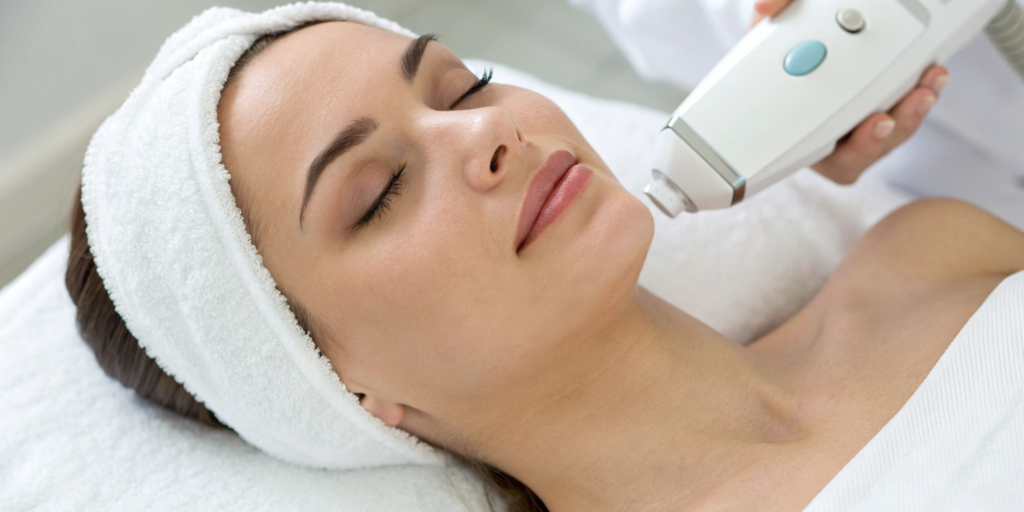
So, how does a laser actually help you stop snoring? It’s a surprisingly straightforward process. During a NightLase treatment, a specialized laser sends gentle heat to the tissues in your soft palate and throat. This warmth causes the tissue to contract and become firmer.
Think of it like a workout for the back of your mouth. The tightening effect opens up your airway, creating more space for air to pass through. This reduces the tissue vibrations that create the sound of snoring and helps prevent the airway collapses that define obstructive sleep apnea. The entire procedure is designed to be comfortable, with no cutting or anesthesia required, making it a simple way to breathe easier through the night.
Using Collagen to Open Your Airway
The benefits of laser treatment go beyond just immediate tissue tightening. The gentle heat from the laser also stimulates a natural process in your body called neocollagenesis, which is just a technical term for building new collagen. Collagen is the protein that gives your skin and tissues their structure and firmness.
As the laser works, it encourages your body to produce new, stronger collagen in the throat tissue. This new collagen framework provides lasting support, helping to keep your airway open long after the initial treatment sessions are over. By using your body’s own healing mechanisms, NightLase creates a more durable and natural solution for maintaining an open and stable airway while you sleep.
Your Treatment Session: A Step-by-Step Look
Knowing what to expect can make the process feel much more approachable. A full NightLase treatment plan is typically straightforward and designed to fit into your busy life. Most people need a series of three to four sessions to achieve the best results, with each appointment scheduled about three weeks apart.
Each session is quick, usually lasting only about 20 minutes. One of the biggest advantages is that there is no downtime. You can walk out of the clinic and go right back to your normal daily activities, whether that’s heading back to work or running errands. There’s no need to plan for a recovery period, making it a convenient and low-impact choice for improving your sleep.
Breaking Down the Cost of Laser Sleep Apnea Treatment
When you’re ready to invest in better sleep, one of the first questions you’ll have is about the cost. The price of laser sleep apnea treatment isn’t a single, flat number. Instead, it’s a range that depends on your unique needs, your provider’s expertise, and your geographic location. A complete treatment plan typically involves a series of sessions designed to give you the best possible results.
Think of it as a personalized investment in your health and vitality. While the total cost for a full course of treatment generally falls between $1,000 and $5,000, understanding how that price is calculated can help you plan. Let’s look at the key factors that influence the final cost.
Session Pricing vs. Package Deals
Most clinics structure their pricing in one of two ways: you can either pay per session or purchase a package deal. Individual sessions often range from $500 to $800. Since a full, effective treatment course usually requires three to four sessions, paying individually can add up. Many providers offer a package for the entire series, which can provide better value and simplify the process. This bundled price covers your complete initial treatment plan, ensuring you get the full benefits of the therapy without worrying about per-visit costs.
Planning for Future Touch-Up Sessions
Laser sleep apnea treatment delivers fantastic, long-lasting results, but it’s not always a one-time fix. The tightening effect on the collagen in your airway naturally softens over time. Most people find their results last for 12 to 24 months. To maintain that open airway and keep snoring at bay, you should plan for a follow-up or maintenance session every 12 to 18 months. Factoring in the cost of these occasional touch-ups from the start helps you create a realistic long-term budget for restful, uninterrupted sleep.
Why Location and Provider Expertise Matter
Where you get your treatment and who performs it are two of the biggest factors in determining the cost. A clinic in a major metropolitan area like San Diego will have different overhead costs than one in a smaller town, and that can be reflected in the price. More importantly, the provider’s experience is key. A highly trained, physician-led team specializing in sleep and snoring treatments may charge more than a general provider, but that price reflects a higher level of skill, safety, and precision. Choosing an expert ensures you’re in the best hands for a successful outcome.
What Determines the Final Price?
When you start looking into laser treatment for sleep apnea, you’ll quickly notice that there isn’t one standard price tag. The final cost is a reflection of your unique needs and the specific treatment plan designed to give you the best results. Think of it less like buying a product off the shelf and more like investing in a personalized health solution that addresses the root cause of your sleep issues. Several key factors come together to determine your total investment, from the expertise of the person performing the treatment to the number of sessions required to help you breathe easier.
The best way to get a clear and accurate number is through a one-on-one consultation. This allows a provider to assess your airway, discuss your symptoms, and create a tailored plan. During this meeting, they can break down exactly what your treatment will involve and what the associated costs will be. This transparency ensures you’re not paying for anything you don’t need and that your plan is built for success from the start. Understanding these variables ahead of time can help you feel more confident as you take the next step toward better sleep and snoring solutions and finally get the restorative rest you deserve.
The Experience of Your Provider
The provider’s level of experience plays a significant role in the cost, and for good reason. You’re not just paying for the laser technology; you’re paying for the skill, knowledge, and safety that comes with a seasoned professional. A specialist with years of experience, particularly a physician, has a deep understanding of facial and airway anatomy. They know how to precisely apply the laser energy to achieve optimal results while prioritizing your comfort and safety. While a more experienced provider may have higher fees, this expertise often translates into a more effective and reliable outcome, giving you peace of mind throughout the process.
Your Specific Sleep Apnea Needs
Just as no two people are exactly alike, no two cases of sleep apnea are identical. The final price of your treatment will be directly influenced by your individual circumstances. For example, someone with mild snoring may require a different approach than someone with more severe obstructive sleep apnea. The severity of your condition can determine the intensity of the treatment and the number of sessions needed to effectively tighten and strengthen the tissues in your airway. A personalized plan ensures the treatment is perfectly matched to your anatomy and goals, which is a core part of a functional wellness approach that looks at your health as a whole.
The Number of Sessions in Your Plan
Laser sleep apnea treatment is not a single event but a series of sessions designed to produce gradual, lasting results. The laser energy stimulates collagen production, and this process takes time. A typical treatment plan involves three to four sessions, usually spaced a few weeks apart, to achieve the best outcome. While a single session might range from $500 to $800, the full series is what delivers the significant improvement you’re looking for. Your provider will recommend the ideal number of sessions based on your initial assessment, ensuring your treatment plan is structured for long-term success and a restful night’s sleep.
Will Insurance Cover Laser Sleep Apnea Treatment?
This is one of the first questions people ask, and it’s a completely valid one. The world of health insurance can be confusing, and it’s smart to know what to expect before you commit to a treatment plan. While the answer isn’t always what we hope for, understanding your options is the first step toward making an informed decision about your health and your budget.
The short answer is that insurance coverage for laser sleep apnea treatment is rare. Let’s look at why that is and what other paths are available to make your treatment affordable.
Understanding Current Insurance Coverage
Generally, non-surgical laser treatments like NightLase are not covered by insurance plans. The main reason is that most insurance companies classify these procedures as cosmetic rather than medically necessary. Even though sleep apnea is a serious medical condition, insurers often view non-invasive laser therapy for snoring and airway tightening differently than traditional, more invasive surgeries. While some surgical procedures for sleep apnea might receive partial coverage, they often require you to meet a strict set of criteria first, like proving that other treatments have failed. Because laser therapy is a newer, non-surgical approach, it hasn’t found its place in most insurance coverage guidelines yet. We recommend you always call your provider to confirm, but it’s best to plan for this to be an out-of-pocket investment in your quality of life and sleep.
Exploring Payment and Financing Options
Just because insurance is unlikely to cover your treatment doesn’t mean it’s out of reach. We believe everyone deserves a good night’s sleep, so many clinics offer ways to make the cost more manageable. For example, you can often purchase a package of sessions at a discounted rate compared to paying for each one individually. This is a great way to plan for the entire treatment course upfront. Additionally, many people use third-party financing options like CareCredit, which are specifically designed for health and wellness expenses. These services allow you to break down the total cost into smaller, monthly payments that fit your budget. When you come in for a consultation for our sleep and snoring treatments, our team can walk you through all the available payment plans so you can find one that works for you.
How Does Laser Treatment Stack Up Against Other Options?
When you’re looking for a solution for snoring and sleep apnea, it’s smart to weigh all your options. Laser treatment is a newer, non-invasive approach, but how does it compare to the more traditional methods? Let’s break down the differences in comfort, cost, and convenience to help you see the full picture.
Compared to CPAP Machines
For years, the CPAP machine has been the go-to recommendation for sleep apnea. While it can be effective, many people find it difficult to use consistently. The masks can feel uncomfortable or restrictive, and the machine itself can be noisy, disrupting your partner’s sleep as well as your own. There’s also the cost to consider. A CPAP machine can run from a few hundred to over a thousand dollars, and it isn’t always covered by insurance. For those seeking a more comfortable and less cumbersome solution, non-invasive laser treatments offer an alternative without a nightly machine.
Compared to Oral Appliances
Another common option is an oral appliance, which looks like a custom-fit mouthguard. Worn during sleep, it repositions your jaw to keep your airway open. These are generally used for mild to moderate sleep apnea. While they are less intrusive than a CPAP machine, they can be quite expensive, with costs ranging from $2,500 to $4,200. You also have to wear the device every single night for it to work. Laser therapy, on the other hand, works by strengthening the tissues in your throat, so you don’t need to rely on a nightly device for relief.
Compared to Invasive Surgery
Surgical options are typically a last resort due to their invasive nature and significant downtime. Procedures to remove soft tissue from the palate can be painful and require a recovery period of up to three weeks. The costs are also substantial, often falling between $2,000 and $10,000, and their long-term success rates can be as low as 50%. In contrast, laser treatments like NightLase are performed in-office with no anesthesia and require zero downtime. This makes it a much more appealing choice for people who want effective results without the risks and recovery associated with surgery.
Finding the Best Long-Term Value for You
When you look at the whole picture, laser treatment presents a compelling balance of comfort, effectiveness, and affordability. While CPAP machines and oral appliances require nightly use and ongoing costs for supplies, and surgery involves high costs and a difficult recovery, laser therapy is different. A series of quick, painless sessions can provide lasting results. It’s an investment in your long-term comfort and health, freeing you from nightly devices and invasive procedures. Choosing a provider who offers physician-led care ensures your treatment plan is tailored to your specific needs, giving you the best possible outcome.
Answering Your Top Questions About Laser Treatment
When you’re considering a new approach to your health, it’s natural to have questions. You want to feel confident and informed before making a decision, especially when it comes to something as important as your sleep. Let’s walk through some of the most common questions we hear about laser treatment for sleep apnea so you can get the clear answers you need.
Can I finally ditch my CPAP?
For many people who find their CPAP machine loud, uncomfortable, or just plain inconvenient, this is the ultimate goal. The great news is that for many patients, laser treatment can be an effective alternative that allows them to sleep freely without a machine. Unlike a CPAP, which provides pressurized air, a non-invasive treatment like NightLase works by gently tightening the tissues in your airway, addressing the structural issue that causes the obstruction in the first place. This offers a path to quieter, more natural breathing. Exploring your sleep and snoring treatment options with a physician can help determine if you’re a good candidate to finally say goodbye to your CPAP.
Does the treatment hurt?
This is a big one, and I’m happy to report that the treatment is surprisingly comfortable. Because it’s a non-surgical procedure, you don’t have to worry about incisions or anesthesia. Most people describe the feeling as a gentle, warm sensation at the back of their throat as the laser works its magic. The entire session is quick, and you can get right back to your day afterward with no downtime required. It’s a far cry from the recovery and discomfort associated with traditional surgery, making it a much more approachable solution for improving your sleep.
How long will my results last?
Laser treatment provides a significant improvement, with results that typically last for one to two years. The procedure stimulates your body’s natural collagen production to tighten and firm up the tissues in your airway. Over time, the aging process continues, and that collagen will naturally break down, which is why the results aren’t permanent. To maintain your great results and keep sleeping soundly, a simple touch-up session is usually recommended every 12 to 24 months. Think of it as part of a long-term wellness plan to keep your body functioning at its best, which is a core part of our approach to functional medicine.
Finding Laser Sleep Apnea Treatment in San Diego
Once you’ve decided that laser treatment is the right path for you, the next step is finding a qualified provider in the San Diego area. The quality of your care and your results depend heavily on the expertise of the team you choose. Here’s what to consider as you search for the right clinic to help you achieve restful, silent nights.
Are You a Good Candidate?
If you snore, you’re in good company. Snoring is incredibly common, but it’s often more than just a nightly nuisance for your partner. For many, it’s a sign that the airway is partially blocked, which can mean you aren’t getting enough oxygen while you sleep. This can lead to serious health issues, including high blood pressure, morning headaches, and daytime fatigue. If your snoring is disrupting your life or points to a potential case of sleep apnea, you are likely a great candidate for laser treatment. A consultation can help confirm if this non-invasive approach is the best solution for your specific sleep and snoring concerns.
How to Choose the Right Provider
Not every clinic that offers aesthetic services is equipped to perform laser sleep apnea treatments. Procedures like NightLase require specialized training and a deep understanding of the anatomy of your airway. When researching providers, don’t be afraid to ask questions. Inquire about their specific training in laser snoring treatments, how many procedures they’ve performed, and what kind of results their patients have seen. You want to find a clinician who is not only certified but also has a track record of success. Look for a provider who takes the time to listen to your concerns and clearly explains the treatment process from start to finish.
The RewindMD Difference: Why Physician-Led Care Matters
Choosing a physician-led clinic like RewindMD means your treatment is viewed through the lens of your total health. We understand that snoring and sleep apnea are often connected to other wellness factors. Our approach isn’t just about quieting a snore; it’s about improving your body’s function from the inside out. We use advanced laser technology to gently stimulate new collagen in your throat, tightening the tissue to open your airway naturally. This comfortable and effective treatment is part of our commitment to functional wellness, ensuring your results contribute to your long-term vitality and confidence.
Related Articles
- Fotona NightLase Cost: What to Expect on Your Bill
- Honest NightLase Reviews: Is It Worth It?
- NightLase Effectiveness: Does It Really Work?
Frequently Asked Questions
How soon will I notice a difference in my snoring? While some people report a change after their very first session, the results are designed to be gradual. The most significant and lasting improvement typically happens after you complete the full series of treatments. This is because the procedure works by stimulating new collagen growth, a process that takes a little time. Think of it as building a stronger foundation in your airway, session by session.
Is laser sleep apnea treatment safe? Yes, this treatment is considered very safe, especially when performed by a trained physician. The procedure is non-invasive, which means there is no cutting, no needles, and no anesthesia involved. The laser uses a gentle, controlled heat to warm the tissues, not damage them. Your safety and comfort are the top priority, which is why choosing a provider with deep knowledge of airway anatomy is so important.
Am I a good candidate if I only snore but don’t have diagnosed sleep apnea? Absolutely. Many people seek this treatment specifically to address disruptive snoring. Snoring itself is a sign that your airway is partially obstructed, causing tissues to vibrate. Laser therapy is excellent for this because it directly targets and tightens those very tissues. It’s a fantastic proactive solution for anyone who wants quieter nights and better breathing, regardless of a formal sleep apnea diagnosis.
Why do I need multiple sessions instead of just one? The treatment’s success relies on stimulating your body’s natural ability to produce new, strong collagen in your throat. This isn’t an instant event; it’s a biological process that happens over time. A series of sessions, spaced a few weeks apart, allows for a cumulative effect. Each treatment builds upon the last, giving your body the time it needs to create a durable collagen framework that keeps your airway open for the long term.
What happens if I skip a yearly touch-up session? Your results won’t disappear overnight, but you will likely notice a gradual return of your snoring over time. The initial treatment series provides a fantastic result that lasts for about one to two years. However, the natural aging process continues, and the supportive collagen in your throat will eventually soften. A maintenance session is simply a quick and easy way to reinforce the tissue and maintain the quiet, restful sleep you’ve been enjoying.