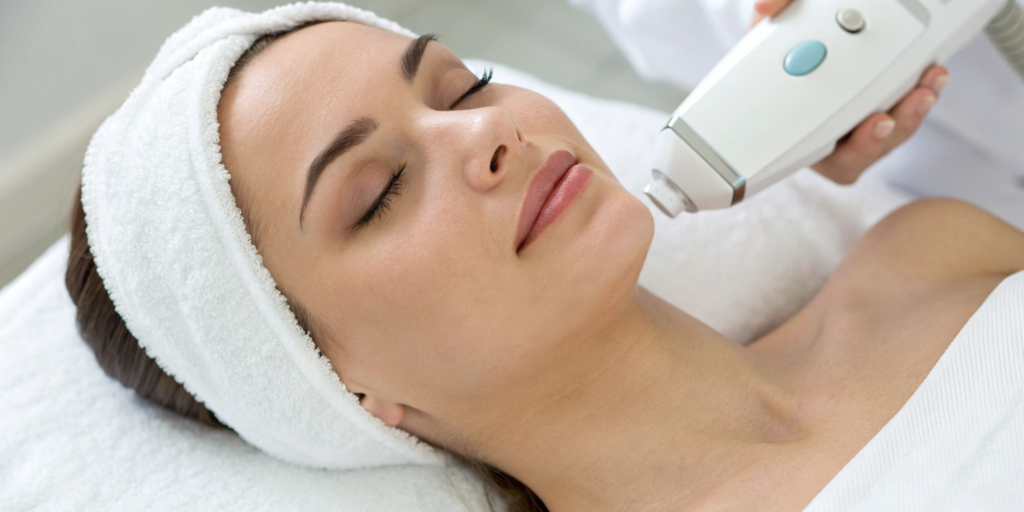

Taking control of your health means being proactive, and that includes finding solutions for issues that disrupt your life, like snoring. NightLase is an innovative treatment that helps people reclaim restful sleep, but making the decision to proceed involves more than just understanding the science—it requires a solid financial plan. For many, the first step in creating that plan is asking, “is NightLase covered by insurance?” It’s a crucial question that can determine your next steps. We want to provide you with clear, honest answers. This guide will explain the typical stance insurers take on NightLase, what you can do to verify your benefits, and what other payment avenues exist to make your treatment possible.
Key Takeaways
- Confirm NightLase is the Right Fit: This gentle laser treatment tightens throat tissue to reduce snoring and is ideal for those with primary snoring or mild sleep apnea. Remember that it is not a cure for severe OSA and may require future touch-ups to maintain results.
- Plan for an Out-of-Pocket Expense: Insurance providers typically classify NightLase as an elective procedure, so it is rarely covered. Approaching the treatment as a direct expense helps you plan your budget and avoid any financial surprises.
- Use Flexible Payment Methods to Cover Costs: You can make the treatment affordable by using pre-tax funds from an HSA or FSA. Medical financing programs and clinic payment plans are also excellent options for breaking the cost into manageable monthly installments.
What is NightLase and How Does It Work?
If you or your partner are tired of sleepless nights due to snoring, you’ve likely looked into a few solutions. NightLase is a gentle, non-invasive laser treatment designed to reduce snoring and improve your quality of sleep. Unlike surgical options or bulky machines, this treatment uses a specialized laser to carefully heat the soft tissues at the back of your mouth. This process tightens the tissue, preventing it from collapsing and vibrating—which is the root cause of snoring.
The entire treatment plan typically involves three to four sessions, spaced a few weeks apart. During each appointment, the laser first preheats the tissue and then works to strengthen it. Many people describe the sensation as a feeling of warmth in their throat. Afterward, you might have a mild sore throat for a day or so, but there’s no downtime required. You can get back to your daily routine right away. It’s a straightforward approach to a common problem, offering a path to quieter nights and better rest. Our team at RewindMD can help you determine if this is the right sleep and snoring solution for you.
The Science of NightLase
So, how does a laser stop you from snoring? The magic is in the collagen. NightLase uses precise laser energy to stimulate collagen contraction in the soft palate tissues. Think of it like gently shrinking and tightening a loose piece of fabric. As the collagen fibers in your throat contract, the tissue becomes firmer and less prone to vibration. This process also helps widen your airway, making it easier for air to pass through quietly while you sleep. The treatment is known for its high success rates, with studies showing a 75-85% improvement in snoring that can last for one to two years.
Is NightLase Right for You?
NightLase is an excellent option for many people, but it’s not a one-size-fits-all solution. The best candidates are typically adults who deal with primary snoring (snoring not associated with a sleep disorder) or have been diagnosed with mild obstructive sleep apnea (OSA). If your snoring is loud and persistent, or if you wake up gasping for air, it’s crucial to rule out a more serious condition. We always recommend consulting with a physician to see if a sleep study is needed. While NightLase can significantly reduce snoring, it is not a cure for severe OSA, which requires a different treatment approach.
NightLase vs. Traditional Sleep Apnea Treatments
When people think of sleep apnea treatment, the CPAP machine often comes to mind. While effective, many find CPAP masks uncomfortable, cumbersome, and difficult to sleep with. NightLase offers a comfortable and hassle-free alternative for those with mild OSA or primary snoring. There are no masks, no hoses, and no noisy machines. However, it’s important to have realistic expectations. Unlike a CPAP machine, NightLase is not a permanent fix. The results are long-lasting but may require follow-up treatments every year or two to maintain the tissue’s firmness and keep snoring at bay.
Is NightLase Covered by Insurance?
One of the first questions we hear from clients interested in NightLase is about cost and insurance coverage. It’s a practical and important question, and understanding the financial side of things is a key part of your decision-making process. While every insurance plan is different, there are some general guidelines you can expect when it comes to this innovative snoring treatment. Let’s walk through why NightLase is often an out-of-pocket expense and what you can do to be prepared.
Why Insurance May Not Cover NightLase
In most cases, insurance companies do not cover NightLase treatment. The primary reason is that insurers often classify snoring as a standalone problem rather than a medical necessity, especially if it isn’t linked to a more serious underlying condition. They tend to view treatments for simple snoring as elective. Furthermore, insurance policies are typically structured to cover invasive surgical procedures that require anesthesia or significant medical equipment. Because NightLase is a gentle, non-surgical laser therapy, it doesn’t fit into the categories that insurance providers usually reimburse. While it’s an effective solution for many, it falls outside the scope of what most plans consider a standard sleep and snoring intervention.
What Medical Documentation You’ll Need
Even though coverage is unlikely, being prepared is always a smart move. If you want to submit a claim to your insurance provider for potential reimbursement, having the right medical documentation is essential. The most important document you can have is a formal sleep study that results in a diagnosis of obstructive sleep apnea (OSA). While this diagnosis doesn’t guarantee coverage for NightLase, it provides official medical evidence that your snoring is linked to a recognized health condition. Having these records on hand is the only way to build a case with your insurer. We always recommend bringing any relevant medical files to your consultation so we can have a complete picture of your health.
Snoring vs. Sleep Apnea Coverage
It’s important to understand the distinction insurance companies make between simple snoring and obstructive sleep apnea (OSA). An official OSA diagnosis can open the door for insurance to cover certain treatments, like CPAP machines or more invasive surgical procedures. However, NightLase is rarely included on that list, even for patients with diagnosed sleep apnea. This is because NightLase is designed to reduce the vibrations that cause snoring by tightening tissues in the soft palate; it is not a cure for OSA itself and doesn’t improve blood oxygen levels. At RewindMD, we focus on your total wellbeing, which is why we offer comprehensive functional wellness evaluations to address your health from every angle and find the right solution for you.
How to Verify Your Insurance Coverage
Figuring out insurance benefits can feel like a chore, but a little preparation makes the process much smoother. Taking the time to understand your policy is the best way to determine your options and plan for the cost of your NightLase treatment. Think of it as a fact-finding mission—the more information you gather upfront, the fewer surprises you’ll encounter later. We’re here to help you get the clarity you need to move forward with confidence.
Prepare Before Calling Your Provider
Before you pick up the phone, spend a few minutes gathering your materials. This simple step will make your conversation with the insurance representative much more productive. Have your insurance card handy, as you’ll need your policy and group numbers. It’s also a great idea to have any relevant medical documentation ready, especially if you have a formal diagnosis of obstructive sleep apnea (OSA) from a sleep study. Having these documents on hand is essential for discussing your sleep and snoring treatment options and making a strong case for any potential reimbursement.
What to Ask About Your Policy
Once you have a representative on the line, it’s time to ask clear, direct questions. Don’t be afraid to ask for specifics, and be sure to take notes during the call.
Here are a few key questions to guide your conversation:
- Is the NightLase procedure covered under my plan? You may need to refer to it as a non-invasive laser treatment for snoring.
- Does my policy cover treatments for a diagnosis of obstructive sleep apnea?
- What specific documentation, like diagnostic codes or a letter of medical necessity, is required to submit a claim?
- Do I have any out-of-network benefits that could apply to this treatment?
How to File for Reimbursement
It’s important to know that most insurance companies do not directly cover NightLase, as they often classify it as an elective or non-surgical procedure. However, that doesn’t mean you’re completely out of options. Some plans may offer partial reimbursement, particularly if your treatment is deemed medically necessary for sleep apnea. To file, you’ll need to pay for the service upfront and then request an itemized receipt, sometimes called a “superbill,” from our office. You will then submit this superbill along with a claim form from your insurer. The key is providing thorough medical documentation to support your claim.
How to Pay for Your NightLase Treatment
Finding out that insurance might not cover your NightLase treatment can be discouraging, but it doesn’t have to be the end of the road. Your path to quieter, more restful nights is still very much within reach. Many people successfully pay for their treatment using a combination of financing, savings accounts, and flexible payment plans. The key is knowing your options so you can create a financial plan that feels comfortable for you. At RewindMD, we believe that financial concerns shouldn’t stand in the way of your health and well-being. We’re here to help you understand the different avenues available for payment, from specialized medical financing programs that let you pay over time to using your own pre-tax health savings. It’s all about finding a strategy that aligns with your personal budget. Think of it less as a single, large expense and more as a manageable investment in your long-term health. Below, we’ll walk through a few straightforward ways to manage the cost of your NightLase treatment. Our goal is to provide clarity and support, so you can move forward with confidence and focus on what really matters: getting the restorative sleep you deserve.
Explore Medical Financing Programs
If you prefer to pay for your treatment over time, medical financing programs are an excellent option. Companies like CareCredit are essentially credit cards designed specifically for health and wellness expenses. They allow you to break down the total cost of your treatment into manageable monthly payments. Many of these programs offer promotional financing options, such as no-interest periods if you pay the balance within a certain timeframe. This approach makes it easier to fit the cost into your budget without having to pay a large sum upfront. You can often apply online and get a decision within minutes, simplifying the entire process.
Use Your HSA and FSA Funds
Do you have a Health Savings Account (HSA) or Flexible Spending Account (FSA) through your employer? If so, you can likely use these pre-tax dollars to pay for your NightLase treatment. These accounts are designed to cover qualified medical expenses that aren’t paid for by your health insurance plan. Since NightLase is a medical procedure used to treat conditions like snoring and sleep apnea, it typically qualifies. Using your HSA or FSA funds is a smart way to pay, as you’re using money you’ve already set aside, and you get the added benefit of it being tax-free.
Ask About Our Flexible Payment Options
The best way to understand your payment options is to talk with us directly. At RewindMD, our team is here to help you find a solution that works for your budget. We can walk you through the total cost, discuss financing partners, and create a payment schedule that feels manageable. We are committed to making our sleep and snoring treatments accessible because we’ve seen the life-changing impact they have. Don’t hesitate to schedule a consultation to discuss your financial questions. We can work together to map out a clear and comfortable payment plan for your NightLase journey.
Related Articles
- Fotona NightLase Cost: What to Expect on Your Bill
- Fotona Laser Snoring Review: Does It Really Work?
Frequently Asked Questions
What does the NightLase treatment actually feel like? Most people describe the sensation as a gentle warmth in the back of their throat during the procedure. It’s a very tolerable feeling, and the entire session is quite quick. Afterward, you might experience a mild sore throat for a day or so, similar to the start of a cold, but there is no required downtime. You can speak, eat, and return to your normal activities immediately.
How long will my NightLase results last? The effects of the treatment are long-lasting, with many people enjoying quieter sleep for one to two years. The laser tightens existing collagen and stimulates new growth, but the natural aging process continues. To maintain the best results, we typically recommend a single follow-up session every year or so to keep the tissue firm and the airway open.
If I have diagnosed sleep apnea, will my insurance cover NightLase? Even with a formal diagnosis of obstructive sleep apnea (OSA), insurance providers rarely cover NightLase. This is because they tend to cover more invasive treatments like surgery or equipment like CPAP machines. Since NightLase is a non-surgical laser therapy that addresses the snoring associated with mild OSA, it’s often classified as an elective procedure and falls outside of standard coverage.
Can I use my HSA or FSA to pay for the treatment? Yes, you can typically use funds from your Health Savings Account (HSA) or Flexible Spending Account (FSA) to pay for NightLase. These accounts are designed for qualified medical expenses not covered by insurance. Since NightLase is a medical procedure to address snoring and mild sleep apnea, it generally qualifies. This is a great way to use your pre-tax dollars for your health.
How do I know if I’m a good candidate for NightLase? NightLase is an excellent solution for people who struggle with primary snoring or have been diagnosed with mild obstructive sleep apnea. However, it is not a suitable treatment for severe sleep apnea. The only way to know for sure if this is the right path for you is to come in for a consultation. We can review your health history and sleep concerns to determine the most effective treatment plan.