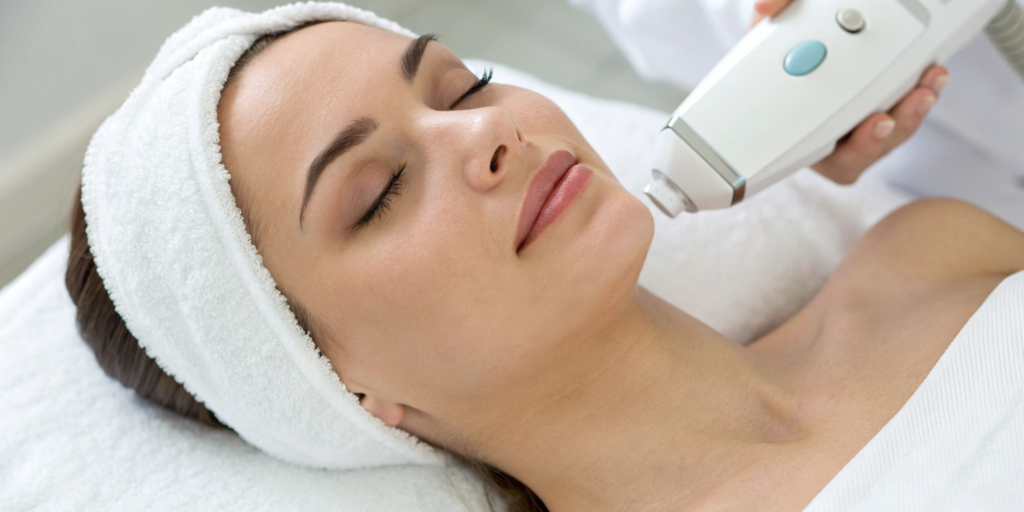

Think of your Botox treatments like a commitment to a great fitness routine—consistency is what delivers the most impressive and lasting results. In your 40s, you’re not just addressing the fine lines that appear when you smile or frown; you’re also working to prevent those lines from becoming permanently etched into your skin. Sticking to a regular schedule is the key to this long-term strategy. But what does that schedule look like? Answering the question of how often should you get Botox in your 40s is the first step in creating a smart, effective anti-aging plan that keeps your skin looking smooth and vibrant for years to come.
Key Takeaways
- Find Your Rhythm with a 3-4 Month Schedule: This is the sweet spot for maintaining smooth, natural results in your 40s. Staying consistent prevents lines from fully returning and helps stop them from becoming more deeply set over time.
- Personalize Your Plan with an Expert: A 3-4 month schedule is a great starting point, but your ideal frequency depends on your unique muscle activity, metabolism, and goals. A skilled provider will help you fine-tune a schedule that’s perfect for you.
- Think Correction, Not Just Prevention: In your 40s, the goal shifts to softening existing lines while preventing new ones. A consistent Botox routine is a smart strategy that can be combined with other treatments, like fillers, to address volume loss for a fully refreshed look.
What Is Botox and How Does It Work?
So, what exactly is Botox? At its core, Botox is a purified protein that works as a neuromodulator. Think of it as a way to temporarily press pause on the overactive facial muscles that cause wrinkles. When injected in tiny amounts by a skilled professional, it blocks the nerve signals that tell a specific muscle to contract. This relaxation of the muscle allows the overlying skin to smooth out, softening the appearance of lines and wrinkles that have formed over time.
This isn’t a permanent change. The effects of Botox are temporary, typically lasting about three to four months. After that, your muscle activity will gradually return to normal, and the lines may begin to reappear. This is why consistent treatments are key to maintaining your results. It’s a simple, effective, and incredibly popular way to achieve a more rested and refreshed appearance without undergoing surgery. The goal isn’t to erase every expression, but to soften the lines that can make you look tired or stressed.
The Simple Science of Smoothing Lines
As we move into our 40s, the lines that tell the story of our expressions—all the laughter and concentration—can start to stick around even when our face is at rest. This is where Botox comes in. It specifically targets the muscles responsible for these dynamic wrinkles, like the crow’s feet around your eyes or the frown lines between your brows. By gently relaxing these muscles, Botox smooths the skin’s surface for a softer look. It’s one of the most effective tools we have for facial rejuvenation and anti-aging, helping you look refreshed while preventing existing lines from becoming deeper.
Popular Treatment Areas for Your 40s
While the forehead and eye area are the most well-known spots for Botox, its applications are much broader, especially as we look to create a balanced and natural result in our 40s. A comprehensive treatment plan might address several areas to ensure a harmonious look. Some of the most popular treatment areas include:
- Forehead lines: The horizontal lines that appear when you raise your eyebrows.
- Frown lines (the “11s”): The vertical lines that form between your brows from squinting or concentrating.
- Crow’s feet: The fine lines that fan out from the corners of your eyes when you smile.
- Bunny lines: The small, diagonal wrinkles that appear on the sides of your nose.
- Lip flip: A subtle treatment to the upper lip to give it a fuller appearance and prevent it from curling under when you smile.
- Masseter muscles: Injections here can help slim the jawline and reduce teeth grinding.
- Neck bands: To soften the vertical bands that can become more prominent with age.
How Often Should You Get Botox in Your 40s?
When you’re in your 40s, you might start to notice that the fine lines you saw in your 30s have become more defined. This is completely normal, and it’s often the decade when people become more interested in consistent facial rejuvenation treatments to maintain a refreshed and natural look. The big question is no longer if you should get Botox, but how often you need it to get the results you want.
The goal is to soften wrinkles without looking overdone, and the key to achieving that is all in the timing. Your perfect schedule will depend on a few personal factors, like your muscle activity and aesthetic goals, but there’s a general timeline that works beautifully for most people in this age group. Finding that rhythm helps you stay ahead of lines deepening while ensuring your results always look smooth and effortless. It’s less about chasing wrinkles and more about creating a simple, effective routine that helps you feel like your best self.
The 3-4 Month Sweet Spot
For most people in their 40s, the ideal frequency for Botox appointments is every three to four months. This timeframe is considered the sweet spot because it maintains your results seamlessly. Botox typically lasts for this duration, so scheduling your next session just as the effects begin to wear off prevents lines from fully reappearing.
Think of it as a proactive approach. By staying on a consistent 3-4 month schedule, you keep the targeted muscles relaxed, which not only smooths existing wrinkles but also helps prevent them from becoming deeper. This means you can plan on about three to four treatments per year to keep your skin looking consistently smooth and rested.
Why Consistency Is Key for Deeper Wrinkles
As you move through your 40s, you’re likely dealing with more than just expression lines. Wrinkles around the eyes (crow’s feet) and between the brows (frown lines) can become more noticeable even when your face is at rest. This is where consistency with your Botox treatments becomes so important.
Regular appointments do more than just temporarily erase lines—they train the underlying muscles to relax over time. This preventative action is crucial, as it stops those wrinkles from etching permanently into your skin. Sticking to a consistent schedule is the best way to manage these deeper-set lines and prevent new ones from forming, helping you maintain a naturally youthful appearance and feel confident in your skin.
What Factors Influence Your Botox Schedule?
While the three-to-four-month mark is a great starting point, it’s not a universal rule. Think of it more as a guideline. The perfect Botox schedule is deeply personal and depends on a few key things that are unique to you. Your provider will work with you to create a plan, but understanding these factors can help you know what to expect and how to get the most out of your treatments.
Your body, your skin, and your daily habits all have a say in how long your results will last. For example, someone who is very expressive or has stronger facial muscles might find they need a touch-up sooner than someone who doesn’t. The goal is to find a rhythm that keeps you looking refreshed and feeling confident without overdoing it. It’s all about creating a schedule that fits you perfectly, and that starts with understanding the variables at play.
Your Unique Facial Muscles and Expressions
Every face tells a different story, and your facial muscles are the storytellers. The strength and movement of these muscles play a huge role in how often you’ll need Botox. If you have stronger muscles in your forehead from years of raising your eyebrows, or more active muscles around your eyes from smiling, you might process Botox a bit faster in those areas.
The amount of Botox used is customized for you and your desired outcome. A skilled provider will assess your unique facial anatomy and expression patterns to determine the right dosage and injection sites. This personalized approach is central to our facial rejuvenation and anti-aging philosophy, ensuring your results look natural and are tailored specifically to you.
Your Skin’s Condition and Treatment History
The health of your skin and your history with cosmetic treatments also influence your schedule. Factors like skin elasticity, sun damage, and overall texture can affect how your skin responds to Botox. If you’ve been diligent with skincare and sun protection, you might enjoy longer-lasting results.
Your treatment history matters, too. If you’ve been getting Botox consistently, your muscles may become “trained” to relax, which can sometimes extend the time between your appointments. On the other hand, if it’s your first time, your provider might start with a more conservative approach and have you come back sooner for a follow-up to see how you responded. We always consider your complete skin health when creating a treatment plan.
How Your Lifestyle and Metabolism Play a Role
Your body’s metabolism is like its engine—some run faster than others. If you have a high metabolism, your body may break down the Botox protein more quickly, meaning you might need appointments closer to the three-month mark. This is completely normal and just part of your unique physiology.
Your daily habits also contribute. Are you an athlete or someone who works out intensely most days? That increased metabolic rate can shorten the effects. Other lifestyle factors, like significant sun exposure, smoking, or high stress levels, can also impact how long your results last. Our approach to functional wellness recognizes that everything is connected, and your overall health habits will be reflected in your skin.
How Your Botox Needs Evolve in Your 40s
As you enter your 40s, you might notice that your skin’s needs are changing, and your approach to aesthetic treatments like Botox may change right along with them. While your 30s might have been about prevention, your 40s are often about addressing the visible signs of aging with a more targeted strategy. This doesn’t mean you’ve missed the boat—far from it. It simply means your treatment plan will evolve to meet you where you are now.
The goal is to create a refreshed, natural look that helps you feel like the best version of yourself. This often involves shifting from a purely preventative mindset to a more corrective one, adjusting your treatment to account for changes in your facial muscles, and considering how other treatments can complement your results. It’s all about creating a smart, personalized plan that works for you.
Shifting from Prevention to Correction
In your 20s and 30s, Botox is often used as a preventative measure to keep dynamic wrinkles—the ones that appear when you make expressions—from settling into permanent lines. By the time you reach your 40s, however, wrinkles like crow’s feet and frown lines may have become more noticeable, sticking around even when your face is at rest.
This is where the focus shifts from prevention to correction. The goal now is to soften these existing lines and prevent them from becoming deeper. Botox is an incredibly effective tool for this, relaxing the underlying muscles to smooth the skin’s surface. It’s a simple way to achieve a more rested appearance and feel more confident in your skin, addressing the lines that have already formed while keeping new ones at bay.
Adjusting Your Dosage for the Best Outcome
After decades of smiling, squinting, and expressing yourself, the muscles in your face have had quite a workout. In your 40s, these muscles are often stronger than they were in your younger years, which means the wrinkles they create can be more pronounced. To get the smooth, lasting results you want, you may need a different dosage of Botox than someone in their 20s or 30s.
A skilled injector will carefully evaluate your facial anatomy, muscle strength, and treatment goals to determine the precise number of units needed to achieve a natural look. This isn’t about a one-size-fits-all approach; it’s about creating a customized plan that effectively relaxes the target muscles without making you look “frozen.” The right dose ensures your results are both beautiful and long-lasting.
Pairing Botox with Other Treatments for a Complete Look
Botox is a powerhouse when it comes to treating wrinkles caused by muscle movement, but it doesn’t address every sign of aging. In your 40s, you might also notice changes like a loss of volume in your cheeks, thinning lips, or deeper folds around your nose and mouth. These are often caused by a natural decline in collagen and elastin, not muscle activity.
For a truly comprehensive result, your provider may recommend pairing Botox with other facial rejuvenation treatments. Dermal fillers, for example, are perfect for restoring lost volume and smoothing out deeper wrinkles that Botox can’t address. By combining treatments, you can tackle multiple concerns at once, creating a balanced and beautifully refreshed appearance that looks completely natural.
What Results Can You Expect from Your Treatments?
One of the best parts of getting Botox is seeing the results unfold. Knowing what to expect and when can make the entire experience feel more comfortable and rewarding. While everyone’s body responds a little differently, there’s a general timeline for how Botox works its magic. It’s not an overnight transformation, but a gradual softening of lines that reveals a more rested and refreshed version of you. Understanding this process helps you appreciate the subtle changes as they happen and plan for maintaining that smooth look you love.
It’s also helpful to remember that Botox is part of a larger anti-aging strategy. It works wonders on dynamic wrinkles—the ones caused by muscle movement—but a holistic approach that includes good skincare and possibly other treatments will give you the most comprehensive and natural-looking results. Think of it as a partnership between you and your provider, working together to create a plan that helps you feel confident in your skin. Let’s walk through what you can realistically expect after your appointment.
Your Timeline: From Injection to Visible Results
Patience is key right after your appointment. You won’t walk out of the clinic with instantly smooth skin, but you also won’t have to wait long to see a change. Most people start to notice the initial effects within 3 to 5 days as the product begins to relax the targeted muscles.
The real magic happens over the next week or so. You can expect to see the full, beautiful results of your treatment in about 10 to 14 days. This is when your frown lines, crow’s feet, or forehead wrinkles will appear significantly smoother and softer. It’s a gradual and natural-looking progression, which is exactly what most people are looking for.
How Long Your Smoother Look Will Last
Once you see those final results, you’ll want to keep them. The effects of Botox typically last for about 3 to 4 months. During this time, you’ll enjoy a smoother, more refreshed appearance. After that window, you’ll notice the muscle activity in the treated areas slowly and gradually returning. This is a natural part of the process and a good indicator that it’s time to start thinking about your next appointment.
For most people in their 40s, scheduling treatments every 3 to 4 months is the sweet spot for maintaining consistent results. This regular cadence helps keep the muscles relaxed, which can prevent deeper, static wrinkles from setting in over the long term.
Setting Clear and Realistic Expectations
Consistency is the secret to getting the most out of your Botox treatments. To keep the effects going, you’ll want to stick to a regular schedule. A common question is, “What happens if I stop?” Don’t worry—your face won’t suddenly look worse. If you decide to discontinue treatments, your wrinkles will simply return to how they were before you started.
Your provider will work with you to create a personalized treatment plan that aligns with your specific goals. The aim is always to achieve a natural look that makes you feel like the best version of yourself, not to erase every single line or expression.
Let’s Talk About Common Botox Myths
Botox is one of the most popular cosmetic treatments in the world, but it’s also one of the most misunderstood. You’ve probably heard a few things that made you pause—stories about frozen faces or questionable safety. It’s time to clear the air. A lot of the hesitation around Botox comes from myths that have been circulating for years.
Getting the facts straight is the first step toward making a confident decision about your skincare. Let’s walk through some of the most common misconceptions and separate the fiction from the reality.
Myth #1: You’ll Look “Frozen” or Unnatural
This is easily the biggest fear people have about Botox, and it’s completely understandable. The good news is that the “frozen” look isn’t a side effect of Botox itself, but of improper injection technique. When administered by a qualified professional who understands facial anatomy, the goal is to relax specific muscles that cause wrinkles, not to paralyze your expressions. A skilled injector provides a subtle, refreshed appearance that looks like you—just with smoother skin. The art of facial rejuvenation is about enhancing your natural beauty, not erasing your ability to show emotion.
Myth #2: It’s Not a Safe Treatment
It’s smart to question the safety of any treatment. Botox is a neurotoxin derived from a substance found in nature, which can sound intimidating. However, it has been FDA-approved for cosmetic use for over two decades and is one of the most extensively studied medical aesthetic treatments available. When used in small, controlled doses by a trained medical provider, Botox has an excellent safety record. The key is choosing a reputable, physician-led clinic where your health and safety are the top priority. This ensures you’re getting a genuine product administered by an expert.
Myth #3: The Results Are Permanent
Some people worry that if they don’t like their results, they’ll be stuck with them forever. Others hope the effects will last indefinitely. Neither is true. Botox works by temporarily blocking the nerve signals to targeted muscles, and its effects are not permanent. Your body naturally metabolizes the product over several months, and muscle function gradually returns. This is why follow-up treatments are necessary to maintain your look. On average, results last about three to four months, making it a commitment you can adjust over time as part of your long-term anti-aging strategy.
What to Know Before Your First Appointment
Feeling ready for your first Botox appointment is about more than just booking a time slot. A little preparation can make a huge difference in your experience and results. Knowing what to expect and how to prepare helps ensure everything goes smoothly, from the initial consultation to the moment you see that refreshed, smoother look in the mirror. It’s all about setting yourself up for a safe, comfortable, and successful treatment. Let’s walk through the key things to consider before you head in.
Why Choosing a Skilled Provider Is Crucial
This is probably the most important step you’ll take. Botox is a medical procedure, and the person holding the syringe matters—a lot. Your results, safety, and comfort depend entirely on their expertise. Look for a licensed, certified, and experienced provider who specializes in cosmetic injections. A great practitioner will do more than just administer the treatment; they’ll assess your unique facial anatomy and listen to your goals to create a personalized plan. At a physician-led clinic, you can trust that your facial rejuvenation is guided by deep medical knowledge, ensuring your results look natural, not overdone.
Important Health Considerations to Discuss
Your consultation is the time to be an open book. Your provider needs to know your complete medical history to make sure Botox is a safe and effective option for you. Be prepared to talk about any allergies you have, medical conditions, and all medications or supplements you’re currently taking, even over-the-counter ones. This transparency is crucial for avoiding potential complications. It’s also a great time to discuss your long-term goals. Understanding that you’ll need regular treatments to maintain your results helps set clear expectations from the start, making your provider a true partner in your functional wellness journey.
How to Prepare for Your Treatment Day
A few simple steps before your appointment can help minimize side effects like bruising and swelling. For about a week leading up to your treatment, it’s a good idea to avoid blood-thinning medications like aspirin or ibuprofen, as well as supplements like fish oil and vitamin E. It’s also best to skip alcohol for a day or two beforehand. On the day of your appointment, try to stay well-hydrated and arrive with a clean, makeup-free face. This makes the process easier for your provider and reduces the risk of skin irritation. Following these simple guidelines helps create the perfect canvas for beautiful results.
The Benefits of a Consistent Botox Routine
Thinking about Botox as a regular part of your routine is like committing to a great fitness plan—consistency is what delivers the most impressive and lasting results. It’s not about a one-time fix but a long-term strategy for maintaining your skin and feeling your best. Sticking to a schedule recommended by your provider helps you get ahead of the aging process, ensuring your results look natural, feel great, and truly last. When you treat Botox as ongoing maintenance, you’re investing in smoother, more youthful-looking skin for years to come.
Prevent Deeper Wrinkles from Settling In
One of the biggest advantages of regular Botox treatments is their preventative power. Think of it this way: every time you smile, frown, or squint, your facial muscles contract and create temporary lines. Over time, these expression lines can become permanently etched into your skin. A consistent Botox routine works by relaxing these specific muscles, which not only smooths out existing fine lines but also prevents them from deepening into more stubborn, static wrinkles. By staying on top of your treatments, you’re essentially training your muscles to relax, keeping your skin smoother for the long haul.
A Fresh Look That Builds Confidence
The goal of Botox isn’t to change your appearance, but to help you look like a more rested and refreshed version of yourself. When you feel good about how you look, it shows. Smoothing out forehead lines or softening crow’s feet can make a subtle yet significant difference, helping you appear more vibrant and approachable. This refreshed look often translates into a major confidence boost. Our approach to facial rejuvenation & anti-aging is all about achieving natural-looking results that help you put your best face forward, whether you’re in a big meeting or just catching up with friends.
A Smart Long-Term Anti-Aging Strategy
Viewing Botox as a long-term strategy is one of the smartest things you can do for your skin in your 40s. Regular treatments keep your skin looking smooth and can even help you need less product over time as your muscles adapt. And if you ever decide to take a break? Your face will simply return to its natural state—your wrinkles won’t be any worse than they were before you started. This puts you in complete control of your anti-aging plan. By partnering with a skilled provider, you can create a sustainable routine that works for your goals and your lifestyle.
How to Create Your Perfect Botox Schedule
Finding the right rhythm for your Botox treatments is less about following a strict calendar and more about creating a personalized plan that works for you. Your perfect schedule will keep you looking refreshed and natural without overdoing it. The goal is consistency, which allows your provider to maintain your results and even prevent deeper lines from forming over time. Think of it as a partnership between you and your injector, working together to fine-tune a routine that aligns with your aesthetic goals, your unique facial anatomy, and how your body responds to the treatment. This collaborative approach ensures your results always look their best.
Partner with Your Provider for a Custom Plan
Your Botox schedule isn’t something you should have to guess. The best first step is to have an open conversation with a skilled provider. During your consultation, we’ll discuss your goals, analyze your facial expressions, and create a treatment plan tailored just for you. This isn’t a one-size-fits-all service; it’s a highly personalized facial rejuvenation strategy. Getting treatments regularly is the key to maintaining the effects, so we’ll work together to map out a timeline that makes sense for your needs. This ensures you get consistent, beautiful results that feel completely natural.
Signs It’s Time for Your Next Appointment
Your face will give you subtle hints when it’s time to schedule your next visit. You’ll start to notice the gentle return of muscle movement in the treated areas. Those faint expression lines that had softened might begin to reappear. Some people notice they look a bit more tired, or a friend might comment that something looks different. These are all normal signs that your last treatment is wearing off and it’s a good time to book your next appointment. Paying attention to these cues helps you stay ahead of the game, maintaining your smooth results seamlessly without any noticeable downtime or interruption.
Fine-Tuning Your Schedule Based on Your Results
While most people find that scheduling Botox every three to four months is the sweet spot, your ideal frequency might be slightly different. How long your results last depends on several personal factors. Things like your metabolism, how strong your facial muscles are, your daily habits, and even how much sun you get can influence how quickly your body processes the treatment. We’ll monitor your results together and adjust your schedule as needed. This personalized approach to your anti-aging solutions ensures you’re only getting treatments when you truly need them, keeping your look fresh and effortless.
Related Articles
Frequently Asked Questions
Is it too late to start Botox in my 40s if I already have noticeable wrinkles? Not at all. In fact, your 40s are an ideal time to begin. While treatments in your 30s often focus on prevention, the 40s are about smart correction. Botox is incredibly effective at softening existing lines that have become more pronounced, giving your skin a smoother and more rested look. It also works to prevent those lines from becoming deeper over time.
What happens if I decide to stop getting Botox? Will my wrinkles look worse? This is a very common concern, but you can rest easy. If you choose to stop your treatments, your facial muscles will simply and gradually return to their previous level of activity. Your lines will slowly reappear as they were before you started, but they will not be any worse. You are always in complete control of your treatment journey.
Does the treatment hurt, and is there any downtime? Most people find the treatment very tolerable. The injections feel like a quick, tiny pinch that is over in a moment. We use an extremely fine needle to make the process as comfortable as possible. There is no real downtime, so you can return to your daily activities right after your appointment. We just advise that you avoid intense exercise for the rest of the day.
Will Botox make me look ‘frozen’ or unnatural? The goal is to look refreshed, never frozen. That unnatural, expressionless look is the result of improper technique or dosage, not the product itself. A skilled provider focuses on precision, relaxing only the specific muscles that cause wrinkles while leaving your natural expressions intact. You will still look completely like yourself, just with a smoother and more rested appearance.
How is a Botox plan for someone in their 40s different from someone in their 30s? The strategy simply evolves with you. In your 30s, the approach is often preventative. By your 40s, your facial muscles are stronger and lines may be more established, so the focus shifts toward correction. This might mean adjusting the dosage to effectively soften those deeper-set wrinkles. We may also discuss pairing Botox with other treatments, like dermal fillers, to address concerns like volume loss for a more comprehensive and balanced result.