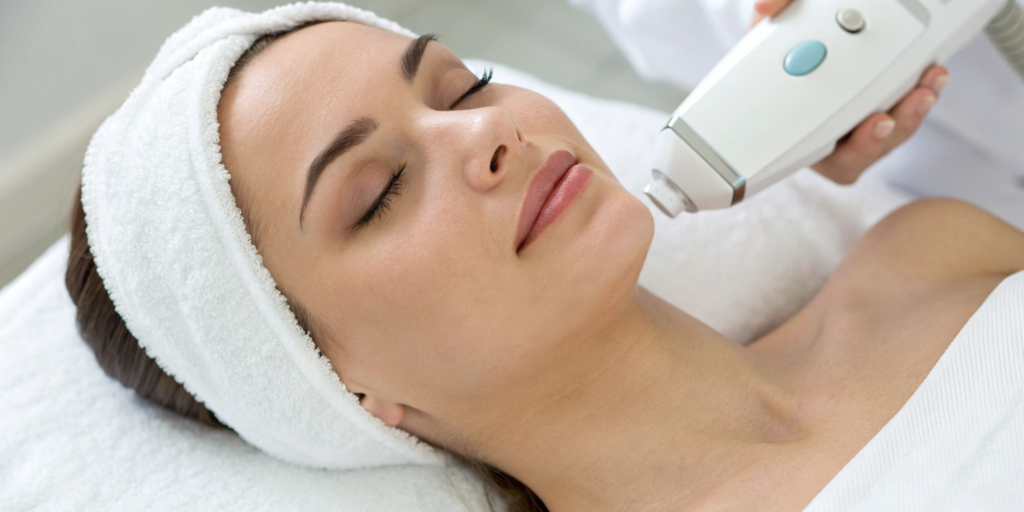

Achieving stunning, natural-looking results with cheek fillers is a team effort. Our expert providers at RewindMD handle the artistry and precision during your appointment, but your aftercare is what truly perfects the outcome. The next couple of weeks are when you play a key role in your transformation. Think of the cheek filler recovery time as the period where you protect your investment and allow the product to settle beautifully. To help you feel confident in this role, we’ve outlined everything you need to know for a seamless recovery, from simple tips to minimize bruising to activities you should pause temporarily.
Key Takeaways
- Give Your Fillers Time to Settle: Your final, sculpted look will be visible in about two weeks. This is the time it takes for any minor swelling to disappear and for the filler to fully integrate with your natural tissue.
- Simple Aftercare is Your Best Friend: For the first 48 hours, focus on key steps like using a cold compress, sleeping with your head elevated, and pausing strenuous workouts to minimize swelling and support a smooth recovery.
- Know What’s Normal (and When to Call): Mild swelling and bruising are expected parts of the healing process. However, you should always contact your provider if you experience worsening pain, spreading redness, or any other symptoms that feel off.
Your Cheek Filler Recovery: What to Expect
So, you’ve just had your cheek filler treatment and you’re excited to see the results. The next couple of weeks are all about letting the filler settle and your body heal. Knowing what’s coming up can make the process feel much smoother and less stressful. The good news is that recovery is usually straightforward, but it’s helpful to have a clear picture of the timeline. From the moment you leave our clinic to the day you see your final, beautifully contoured look, we’ll walk you through what to expect.
This guide will cover the immediate after-effects and give you a day-by-day look at the healing process, so you can feel confident and prepared. Remember, everyone’s body heals a little differently, but there’s a general pattern you can anticipate. We’ll talk about the common side effects like swelling and bruising, how long they typically last, and how the filler integrates with your natural tissue over time. Our goal at RewindMD is to ensure you not only love your results but also feel supported throughout your entire facial rejuvenation journey. Understanding the recovery process is a key part of that, helping you plan your social calendar and manage your expectations for a positive experience.
Immediately After Your Appointment
Right after your appointment, it’s completely normal to see some swelling, a bit of redness, and maybe some light bruising around the injection sites. Your cheeks might also feel a little tender to the touch. Think of this as your body’s natural reaction to the treatment—it’s a sign that the healing process is starting. Most people find they can get right back to their day with very little downtime. These initial side effects are temporary and usually start to fade within a few days. Our team at RewindMD provides detailed aftercare instructions to help you manage any discomfort and ensure a smooth start to your recovery.
A Week-by-Week Healing Guide
The full results of your cheek filler treatment will reveal themselves over the next couple of weeks as everything settles into place. During the first few days, swelling might become more noticeable, often peaking around day two or three before it starts to go down. By the end of the first week, you’ll see a significant reduction in both swelling and any bruising. As you head into the second week, the filler will continue to integrate with your tissue, and your final, refined contours will become clear. Most people find that after about 14 days, their cheek fillers have fully settled, revealing a natural and rejuvenated look.
What Do Cheek Filler Swelling Stages Look Like?
Many patients wonder what to expect visually as they heal. Cheek filler swelling typically follows predictable stages: Day 1–2 — peak puffiness, especially in the morning; Day 3–5 — noticeable reduction, though some firmness may remain; Day 7 — swelling largely resolved with a natural look taking shape; Week 2 — final, settled contours fully visible. Some patients also notice slight asymmetry during swelling stages — this is normal and resolves as the filler integrates. If you’re concerned about how you look right after treatment, check out our guide on cheek filler before and after results to see realistic progressions.
How Long Do Side Effects Last?
After getting cheek fillers, it’s completely normal to experience a few temporary side effects. Think of it as your body adjusting to your beautiful new contours. The most common things you’ll notice are swelling, some bruising, and a bit of tenderness around the injection sites. While everyone’s healing journey is slightly different, these effects are typically mild and resolve on their own within a week or two.
Knowing what to expect can make the recovery process feel much smoother. The key is to remember that these initial side effects are a standard part of the healing process and not a reflection of your final results. With a little patience and the right aftercare, you’ll soon see the stunning, natural-looking lift you were hoping for.
Understanding Swelling and Bruising
Swelling and bruising are your body’s natural response to the treatment, and they’re the most common side effects you’ll see after your facial rejuvenation appointment. Swelling usually appears within the first day, often peaking around day two or three. It might make your cheeks look a bit fuller than you expected, but don’t worry—this is temporary.
Most of the noticeable swelling and any bruising will fade within the first five to seven days. You might have some minor, residual swelling that can last up to two weeks, but it’s often so subtle that only you would notice it. This is all part of the filler settling into its final position.
How to Manage Tenderness and Discomfort
A little tenderness is also expected, but you can easily manage it at home. One of the best things you can do on the day of your treatment is to apply a cool pack to the area. Just be sure to wrap it in a thin cloth to protect your skin, and hold it on your cheeks for about 10-20 minutes every hour. This simple step can make a huge difference in reducing both swelling and discomfort.
Staying hydrated by drinking plenty of water also helps your body heal more efficiently. For the first 24 hours, it’s also a good idea to skip any intense workouts and avoid saunas or hot tubs, as heat can increase swelling. Taking it easy for a day will help ensure your recovery is as quick and comfortable as possible.
Essential Aftercare for a Smooth Recovery
Now that your treatment is complete, your focus shifts to recovery. Taking a few simple steps in the days following your appointment can make a world of difference in your comfort and final results. Think of it as the final, crucial step in your facial rejuvenation journey. Proper aftercare helps minimize swelling and bruising, ensuring your beautiful new contours settle in perfectly. We’ve put together a straightforward guide to help you feel confident and cared for as you heal. These tips are easy to follow and designed to get you back to your routine with a smooth, comfortable recovery.
Use Cold Compresses and Keep Your Head Elevated
One of the simplest yet most effective ways to manage swelling is with a cold compress. For the first 24 to 48 hours, gently apply a cold pack to the treated areas. Just be sure to wrap it in a thin cloth to protect your skin. At night, try sleeping with an extra pillow to keep your head elevated. This simple trick helps with fluid drainage and can significantly reduce puffiness by morning. It’s a small adjustment that supports a more comfortable healing process.
One of the most common concerns during recovery is accidentally sleeping on your side — if this happens, learn what to do in our article on accidentally slept on side after filler.
Adjust Your Skincare Routine
Your skin needs a little extra TLC after cheek fillers. For the first few days, stick to a gentle cleanser and moisturizer, and press pause on any harsh products. This means avoiding exfoliants, strong acids, and retinoids that could irritate the area. It’s also a good idea to skip makeup on the treated spots for at least a few hours after your appointment. Giving your skin a short break is a key part of our approach to comprehensive skin and pigment care, allowing it to heal without any interference.
Simple Hydration and Lifestyle Guidelines
Staying hydrated is always important, but it’s especially helpful during the healing process. Drinking plenty of water supports your body’s recovery from the inside out, a core principle of our functional wellness approach. For the first 24 hours, you’ll also want to avoid a few things: intense exercise, excessive heat from saunas or hot tubs, and caffeine. These can all increase blood flow and potentially worsen swelling. Taking a day off from the gym and your morning coffee is a small price to pay for a smoother recovery and fantastic results.
What to Avoid While You Heal
Getting beautiful, natural-looking results from your cheek fillers is a team effort. While your provider’s skill is key during the appointment, your aftercare routine is what ensures a smooth and speedy recovery. Think of the next few days as a crucial settling-in period for your new fillers. Giving your body a little break and avoiding a few specific things can make all the difference in minimizing swelling and bruising, helping you see your final, gorgeous results even sooner.
To keep your recovery on track, it’s important to be mindful of your daily activities. Simple adjustments to your routine for the first 24 to 48 hours can protect the treated area and support the healing process. From your workout schedule to your skincare habits, a little caution goes a long way. Here’s a straightforward guide to what you should put on pause while you heal.
Pausing Exercise and Strenuous Activity
I know it can be tough to skip a workout, but it’s essential to press pause on strenuous exercise for at least 24 to 48 hours after your treatment. Any activity that gets your heart rate up also increases blood flow to your face, which can lead to more noticeable swelling and bruising. This includes hitting the gym for a high-intensity session, going for a run, or even doing hot yoga.
Instead, give your body a rest day. Light walking is perfectly fine, but save the heavy lifting and cardio for a couple of days. This short break helps ensure the filler settles perfectly and allows any initial tenderness to subside without extra aggravation. Once you’re fully healed, you can jump back into your routine and focus on your other body sculpting and weight loss goals.
Limiting Sun and Heat Exposure
Your skin will be a bit sensitive after the procedure, so it’s best to stay away from intense heat and direct sun for the first day or two. High temperatures from saunas, hot tubs, steam rooms, or even a very hot shower can increase blood flow and make swelling worse. The same goes for sunbathing or using a tanning bed.
Protecting your skin is always a good idea, but it’s especially important now. If you need to be outside, wear a wide-brimmed hat and apply a broad-spectrum sunscreen to shield the area. This simple step not only aids your recovery but also helps maintain your overall skin health, which is a core part of any good facial rejuvenation options.
Keeping Hands (and Other Treatments) Off Your Face
It might be tempting to feel the treated area, but please resist the urge to touch, rub, or massage your cheeks for at least the first six hours. Applying pressure can potentially move the filler before it has had a chance to integrate with your tissue. For the first few days, be extra gentle when washing your face and applying skincare products.
You should also postpone any other facial treatments for about two weeks. This includes facials, chemical peels, microdermabrasion, or laser treatments. Giving your cheeks this time to heal without interference is the best way to ensure the filler settles exactly where it was placed. Let the product work its magic on its own, and you’ll love the final outcome.
When Will You See Your Final Results?
One of the most exciting parts of getting cheek fillers is seeing that instant lift and volume. While you’ll definitely walk out of your appointment with a noticeable improvement, the final, beautifully sculpted look takes a little time to reveal itself. Think of it like a masterpiece settling into its frame. Your body needs a short period to fully integrate the filler and for any minor swelling to completely fade away. Patience is part of the process, but the good news is you don’t have to wait long to see the stunning, long-term outcome of your treatment.
The Two-Week Mark: When Fillers Fully Settle
For most people, the two-week mark is when the magic really happens. This is the typical amount of time it takes for cheek fillers to completely settle into your facial tissues. During this period, the filler integrates with your skin’s structure, and any lingering, subtle swelling finally subsides. What you see in the mirror after about two weeks is your true, final result. This is why follow-up appointments are often scheduled around this time—it allows your provider to assess the settled filler and ensure everything looks perfect. This is a key step in any facial rejuvenation plan.
What Can Influence Your Recovery Speed?
Your healing journey is unique to you, and several factors can influence how quickly your fillers settle. The specific type and amount of filler used play a big role, as do your body’s individual characteristics like age and metabolism. Generally, younger individuals or those with a faster metabolism might notice swelling subsides a bit quicker. Your lifestyle and, most importantly, your commitment to aftercare also have a major impact. Following your provider’s instructions helps minimize swelling and bruising, allowing you to see your final results faster. Understanding your body’s unique needs is part of a holistic approach to wellness.
How to Know if Something Is Wrong
While cheek filler recovery is typically straightforward, knowing what’s normal versus what’s not can give you peace of mind. Your body is adjusting to the new filler, and a little bit of swelling and bruising is part of the deal. However, being an informed patient is your best tool for a safe and smooth healing process. Trusting your instincts is key—if something feels off, it’s always better to check in with your provider. This isn’t about causing alarm; it’s about empowering you to take the best care of yourself after your facial rejuvenation treatment. Listening to your body and knowing the signs to watch for will help you feel confident and in control as you heal.
Normal Healing vs. Warning Signs
It’s completely normal to experience some temporary side effects after your appointment. For the first week or two, you can expect some mild swelling, bruising, redness, and tenderness around the injection sites. You might even feel small bumps under the skin, which is just the filler settling in. Most of these effects should calm down within five to seven days. If you notice that significant bruising, redness, or swelling lasts for more than a week, it’s a good idea to give your provider a call. The goal is to see steady improvement each day, not for symptoms to linger or worsen.
When to Call Your Provider
Please don’t hesitate to reach out if you have any concerns, but there are a few specific signs that warrant an immediate call. If you develop a fever or chills, it could indicate an infection that needs attention. You should also watch for worsening pain, any pus at the injection site, or redness that continues to spread. These are not typical parts of the healing process and should be addressed right away. In the very rare event that you experience trouble breathing or other signs of a severe allergic reaction, call 911 immediately. Your safety is the top priority, and we are here to support you through every step of your recovery.
Common Cheek Filler Recovery Myths, Busted
Let’s clear the air. There’s a lot of chatter about cheek fillers, and not all of it is accurate. It’s easy to get tangled up in myths that can make the whole process seem intimidating. The truth is, when performed by a skilled professional, getting cheek fillers is a straightforward treatment with a manageable recovery. We’re going to walk through some of the most common misconceptions so you can feel confident and informed about your decision.
Myth #1: You’ll need weeks to recover.
This is probably the biggest myth out there. Many people imagine having to hide away for weeks, but the reality is much different. The initial downtime for cheek fillers is typically just 24 to 48 hours. While you might experience some mild swelling, bruising, or tenderness for up to a week, it’s usually not enough to disrupt your daily life. Most people feel comfortable returning to work and social activities the very next day. The key is following proper aftercare, which helps minimize side effects and speed up your healing process.
Myth #2: You’ll look unnatural or “overdone.”
We’ve all seen pictures of cosmetic treatments gone wrong, but that look is not the goal of a professional facial rejuvenation treatment. An unnatural result is almost always due to an inexperienced injector or using the wrong product. At a physician-led clinic, the focus is on enhancing your natural anatomy. A skilled provider works with your unique facial structure to restore volume subtly, leaving you looking refreshed and well-rested—not like a different person. The best results are the ones that make you look like the best version of yourself.
Myth #3: Fillers and Botox are the same thing.
This is a common point of confusion, but fillers and Botox work in completely different ways. Fillers add volume. They are gels, usually made from hyaluronic acid, that plump up areas that have lost fullness, like the cheeks. Botox, on the other hand, is a neuromodulator that relaxes muscles. It’s used to soften dynamic wrinkles—the lines from repeated expressions like smiling or frowning. While both are injectable anti-aging solutions, they address different concerns and are often used together for a comprehensive result.
Myth #4: Fillers are only for deep wrinkles.
While fillers are excellent for smoothing out lines like nasolabial folds, that’s only part of what they do. Their primary function is to restore volume. As we age, we naturally lose fat and collagen in our faces, which can lead to a hollowed or sagging appearance. Cheek fillers specifically target this volume loss in the mid-face, helping to contour the area for a more youthful and defined look. It’s less about chasing a single wrinkle and more about restoring your face’s overall structure.
Related Articles
Frequently Asked Questions
How long will I actually look swollen after getting cheek fillers? While everyone’s body is a bit different, you can expect the most noticeable swelling to occur in the first two to three days after your appointment. After that, it will begin to go down significantly. By the end of the first week, most of the puffiness and any bruising will have faded, leaving you with a look that’s very close to your final result.
Can I go to work or out with friends the day after my appointment? Yes, absolutely. Most people feel perfectly comfortable returning to their normal routine, including work, the day after their treatment. While you might have some minor swelling or tenderness, it’s typically not enough to disrupt your daily life. You may just want to hold off on planning any major social events or photoshoots for about a week to give any potential bruising time to disappear completely.
Why don’t my cheeks look perfect right after the treatment? What you see immediately after your appointment is a preview, but it includes some initial swelling. This can make your cheeks appear a little fuller than the final outcome will be. It takes about two weeks for the filler to fully integrate with your natural tissue and for all the swelling to subside. That two-week mark is when you’ll see the beautifully settled, refined contour you were hoping for.
Is the recovery process painful? Most people describe the feeling after treatment as tenderness rather than actual pain. Your cheeks might feel a bit sore or sensitive to the touch for a few days, similar to a mild bruise. This discomfort is easily managed with cold compresses and typically fades quickly on its own.
How long do cheek fillers last, and what happens when they wear off? The longevity of your cheek filler depends on the specific product used and your own metabolism, but results typically last anywhere from six months to two years. The filler is made of hyaluronic acid, which your body safely and gradually breaks down over time. Your cheeks will simply return to how they looked before the treatment, and you can schedule a maintenance appointment to maintain your results. For a deeper breakdown of longevity by filler type and what to expect at each stage, see our full guide on how long cheek fillers last.