If you’re thinking about Botox, you’ve likely spent some time scrolling through photos online. The truth is, the biggest hesitation most people have comes from seeing unnatural-looking results. We’ve all seen it: the overly arched brows or the completely motionless forehead that doesn’t quite look human. But great Botox should be undetectable. It should make you look rested and refreshed, not like you’ve had work done. This is where looking at a provider’s portfolio of botox images before and after becomes so important. These photos are your best tool for separating the artists from the amateurs and finding a professional whose work aligns with your goal of looking like the best version of yourself.
Key Takeaways
- Your Provider’s Skill Determines Your Results: The most critical step is selecting a qualified medical professional. Look for extensive training in facial anatomy and review their before and after portfolio to ensure their aesthetic style aligns with your goal of a natural, refreshed look.
- Subtlety is the Goal of Great Botox: A successful treatment should leave you looking rested, not “frozen.” The objective is to soften dynamic wrinkles while preserving your natural facial expressions, a key indicator of a skilled and artistic injector.
- Results Require Patience and Protection: Botox effects appear gradually, with the final outcome visible in about two weeks. To maintain your results for the typical three to four months, follow all aftercare instructions and commit to using a daily sunscreen to protect your investment.
What is Botox and How Does It Work?
If you’re curious about Botox, you’ve probably wondered what it actually is and how it works its magic. At its core, Botox is a purified protein that acts as a neuromodulator. Think of it as a messenger that temporarily interrupts the conversation between your nerves and specific facial muscles. When we inject Botox into a targeted area, it works at the neuromuscular junction to block the release of a chemical called acetylcholine. This is the signal that tells your muscles to contract.
By pausing this signal, the muscle can relax. This isn’t about “freezing” your face; it’s about softening the repetitive muscle movements that cause dynamic wrinkles, like the lines that form when you squint, smile, or frown. This targeted relaxation allows the skin above the muscle to smooth out, which is why it’s such an effective treatment for facial rejuvenation and anti-aging. In the hands of an experienced physician, it’s a precise tool for achieving a refreshed, natural look without changing who you are.
How Botox Smooths Wrinkles
So, how does relaxing a tiny muscle lead to smoother skin? It’s pretty straightforward. When those specific facial muscles stop making strong, repetitive contractions, they stop creasing the skin above them. This gives your skin a break, allowing those etched-in lines to soften and become less noticeable. It’s a safe, non-surgical way to get more youthful-looking results with minimal downtime. Beyond just treating existing lines, some studies suggest Botox may have long-term benefits for skin elasticity, which can help prevent new, deeper wrinkles from forming over time.
What to Expect During Treatment
Your actual Botox appointment is surprisingly quick and simple. The treatment itself usually takes less than 15 minutes, making it easy to schedule during a lunch break. You’ll feel a few small pinches during the injections, but most people find it very manageable. Results aren’t instant; you’ll start to notice the effects within a few days as the frown lines soften and your skin looks smoother. For the best outcome, it’s important to follow a few aftercare guidelines. You’ll want to avoid lying down for four hours post-treatment, skip the gym for 24 hours, and resist the urge to rub or massage the treated areas.
Decoding Botox Before and after Photos
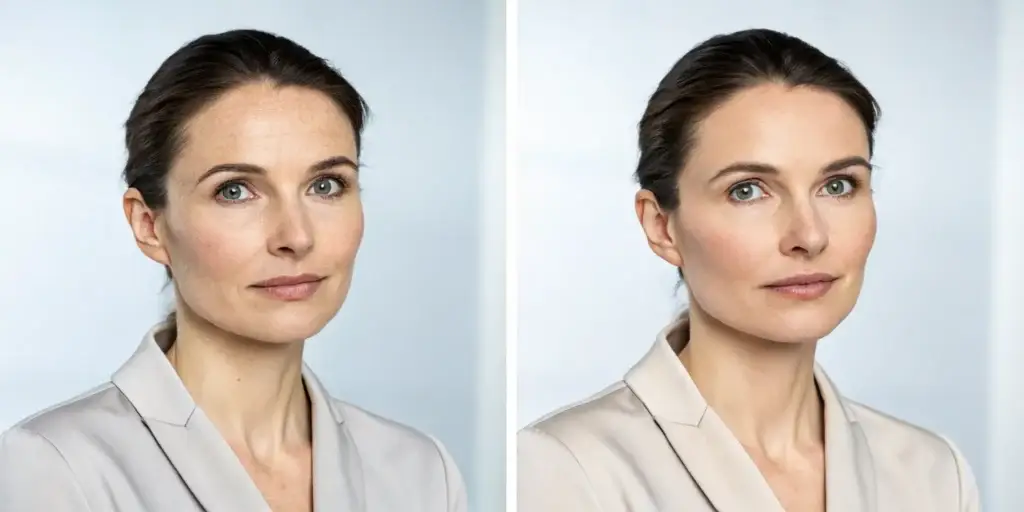
When you’re considering Botox, before and after photos are your best friend. They’re more than just impressive transformations; they are a portfolio of a provider’s work and a visual guide to what’s possible. Looking through these images helps you set realistic expectations and find an injector whose aesthetic style matches your own. As you browse, pay attention to the consistency of their results across different patients and treatment areas. A great portfolio will showcase clear, well-lit photos that highlight how treatments can soften wrinkles while preserving a person’s unique facial character. You should be able to see the same person in both photos, just with a smoother, more refreshed appearance.
Think of it as a gallery of artistry. You’re looking for subtle, refreshing changes that make someone look like the best version of themselves, not like a different person. These photos are your window into understanding the nuances of facial rejuvenation, showing how a skilled provider can smooth lines and create a more rested appearance. By studying these examples, you can go into your consultation with a clearer idea of the results you’re hoping to achieve and feel more confident in your decision. It’s all about finding a provider whose work resonates with your personal goals for a natural, beautiful outcome.
Smoothing Forehead and Frown Lines
The forehead is one of the most common areas people want to treat, and for good reason. The horizontal lines that appear when you raise your brows and the vertical “11s” that form between them can make you look tired or stressed. Before and after photos for this area are often dramatic. You’ll see images where deep-set frown lines are significantly softened, giving the person a more relaxed and approachable look. The goal isn’t to erase every line completely, but to smooth the skin so it appears refreshed and serene, even when you’re making expressions. This subtle approach ensures you still look like you, just without the constant appearance of worry or fatigue.
Softening Crow’s Feet
Crow’s feet, those little lines that fan out from the corners of your eyes, are often called “smile lines.” While they’re a sign of a happy life, they can also be a concern for many. In before and after photos, you’ll notice how Botox can gently relax these lines, making the eye area appear brighter and more youthful. A skilled injector can soften these wrinkles without affecting your smile. The results highlight how versatile Botox is, as it can be precisely administered to treat the delicate skin around the eyes for a subtle yet impactful improvement. You’ll see a smoother texture around the eyes, which helps you look more awake and vibrant.
What Natural-Looking Results Look Like
The biggest fear for many people is looking “frozen” or unnatural. But great Botox should be undetectable. The goal is for you to look rested and refreshed, not like you’ve had work done. When you look at before and after photos, the best results are the ones where the person still looks like themselves. They can still show emotion and make expressions, but the deep lines that once etched their skin are now softer. This is where the skill and artistry of the provider truly shine, ensuring your results are balanced and beautiful. A natural result means you feel more confident in your appearance without sacrificing your ability to express yourself.
How to Analyze Botox Before and After Photos
Looking at before and after photos is one of the best ways to gauge a provider’s skill, but it helps to know what you’re looking for. It’s not just about seeing fewer wrinkles; it’s about seeing a natural, refreshed result that still looks like the person in the picture. A great outcome is subtle and harmonious. Here’s how to become a savvy photo analyst and spot the difference between good and not-so-good Botox.
Set Realistic Expectations
First, it’s important to understand what Botox can and can’t do. It’s fantastic for smoothing dynamic wrinkles, which are the lines that appear when you make expressions like frowning or raising your eyebrows. However, it won’t completely erase deep-set static lines that are visible when your face is at rest. The goal of facial rejuvenation is to look like a well-rested version of yourself, not like a different person. Choosing the right professional is essential for achieving balanced and natural-looking results that align with your goals. A skilled injector will help you understand what’s possible for your unique facial anatomy.
Know the Timeline for Full Results
Patience is key when it comes to Botox. Unlike dermal fillers that show immediate changes, Botox takes a little time to work its magic. You might start to notice a softening of lines within three to five days, but the full, final effect won’t be visible for about one to two weeks. When you’re looking at before and after photos, keep this timeline in mind. An “after” photo taken just a day or two post-treatment won’t reflect the complete result. The best portfolios will show results taken at least two weeks after the appointment to give you an accurate picture of the outcome.
Spotting Great Work vs. Red Flags
The best Botox is undetectable. You should look refreshed and more relaxed, but your friends shouldn’t be able to pinpoint exactly what you had done. Great work means you can still show emotion and make natural expressions. Your brows should have a gentle, natural arch, not a surprised or overly arched “Spock” look. A major red flag is a “frozen” forehead that doesn’t move at all, or drooping eyelids. A qualified, physician-led clinic ensures that the botulinum toxin is used in very small, controlled doses, making it safe and effective for achieving subtle enhancements.
Will Botox Make You Look “Frozen”?
Let’s address the biggest question on everyone’s mind: Will Botox leave you with a stiff, expressionless face? This is probably the most persistent myth out there, and it’s a valid concern. We’ve all seen photos of public figures who look a little too smooth, unable to show surprise or crack a genuine smile. The fear of looking unnatural is real, but it’s important to understand that this “frozen” look is not the goal or the standard outcome of a well-executed Botox treatment.
In reality, the opposite is true. When administered by a skilled professional, Botox provides a refreshed and natural look that enhances your features, not hides them. The goal isn’t to erase every line and stop all movement. Instead, it’s about strategically softening the specific muscles that cause deep-set wrinkles from repeated expressions, like frowning or squinting. This allows the rest of your facial muscles to move freely, so you can still express yourself authentically. The key is a personalized approach that respects your unique facial anatomy and aesthetic goals, ensuring you look like a more rested version of yourself, not like someone else entirely.
The Truth About Common Botox Myths
The idea that you’ll have a “frozen face” is the number one myth we need to clear up. A properly administered Botox treatment should be subtle. Think of it this way: good Botox doesn’t look like you’ve had Botox. You’ll simply look refreshed and more relaxed. A qualified injector targets only the small, specific muscles responsible for creating wrinkles, leaving the surrounding muscles unaffected. This precision is what allows you to maintain your natural range of expressions. And if you ever decide to stop treatments, your wrinkles will just gradually return to how they were before, as muscle movement resumes. Your skin won’t look worse than when you started.
How to Keep Your Natural Expressions
The single most important factor in achieving balanced, natural-looking results is choosing the right provider. An experienced, physician-led injector has an in-depth understanding of facial anatomy and knows exactly how to achieve your desired outcome without compromising your ability to express emotion. They will work with you to create a custom treatment plan for facial rejuvenation that targets your specific concerns. During your consultation, a great provider will analyze your facial movements and discuss your goals to ensure the final result is one you love. This careful, tailored approach is what separates subtle enhancements from an unnatural, “overdone” look.
Popular Botox Treatment Areas
Botox is incredibly versatile. While most people immediately think of the forehead, a skilled provider can use it to address a variety of concerns for a subtle, refreshed look. It’s not about erasing every line, but about softening expression lines to help you look well-rested and vibrant. Let’s walk through some of the most common and effective treatment areas.
Forehead and Glabellar Lines (“The 11s”)
Those horizontal lines that appear when you raise your eyebrows and the vertical “11s” that form between them are some of the most popular spots for Botox. These lines can sometimes make you look tired or worried, even when you’re not. Treatment in this area works by relaxing the underlying muscles, which smooths the skin’s surface. A case study of a 47-year-old patient, for example, showed a significant improvement in these wrinkles after treatment. The best part is that this treatment not only smooths the lines you already have but also helps prevent them from getting deeper over time, making it a key part of any anti-aging strategy.
Crow’s Feet and the Eye Area
Crow’s feet are the fine lines that fan out from the corners of your eyes when you smile or squint. While they’re a natural part of expressing joy, they can become more pronounced over time. Botox is exceptionally good at softening these lines, helping the eye area appear brighter and more open. You can see in many before and after photos how effective it is, even on mature skin. One 77-year-old woman, for instance, saw a dramatic reduction in her crow’s feet and glabella lines. This approach helps you maintain your natural smile while simply refreshing the delicate skin around your eyes.
Other Areas for Facial Rejuvenation
Botox’s abilities don’t stop at the upper face. It’s a fantastic tool for overall facial rejuvenation when placed strategically by an expert injector. For instance, tiny “nanodroplet” injections can be used to create a subtle brow lift or soften the appearance of jowls, enhancing your facial contours without surgery. Other popular off-label treatments include a “lip flip” to give your upper lip a fuller look, relaxing a “gummy” smile, or even smoothing vertical neck bands. It’s all about creating balance and harmony for a result that looks and feels like you.
How Long Do Botox Results Last?
One of the most common questions we hear is, “How long will my results last?” It’s a great question because you want to know what to expect from your investment in yourself. While the exact timeline can vary from person to person based on factors like your metabolism and the area treated, there’s a general window you can count on. The good news is that you also have some control over the longevity of your results. With the right approach to aftercare and a consistent treatment plan, you can keep that smooth, refreshed look for as long as possible. Let’s break down the typical timeline and what you can do to maintain your results.
The Typical 3-4 Month Timeline
For most people, the beautiful, wrinkle-smoothing effects of Botox last about three to four months. During this time, the treated muscles stay relaxed, keeping dynamic lines at bay. As your body naturally metabolizes the product, you’ll slowly see muscle movement return, and those lines may start to reappear. Don’t be surprised if your first treatment seems to wear off a little closer to the three-month mark. Many clients find that with consistent treatments, their results begin to last longer over time as the muscles become trained to stay relaxed. This gradual return to your baseline is completely normal and a sign that it’s time to schedule your next appointment.
How to Maintain Your Results Over Time
Getting the most out of your treatment goes beyond the appointment itself. Proper aftercare is key. For the first 24 hours, avoid strenuous exercise and don’t rub or massage the treated areas. This helps ensure the product stays exactly where it was intended to work. Long-term, your best friend is a daily sunscreen with at least SPF 30. Sun exposure breaks down collagen and creates new wrinkles, working against your results. By protecting your skin, you’re also protecting your investment. The most effective way to maintain a consistently smooth appearance is by following a regular treatment schedule as part of your overall facial rejuvenation plan.
How to Choose the Right Botox Provider
Finding the right person to administer your Botox is just as important as the treatment itself. The skill and experience of your provider directly impact your results, safety, and overall experience. A great injector acts as your partner, listening to your goals and creating a plan that feels right for you. When you’re looking for a provider, it’s worth taking the time to find someone you trust completely. Think of it as building a relationship. You want a professional who understands your unique facial anatomy and can help you achieve the refreshed, natural look you want. This decision sets the foundation for beautiful, consistent results, so it’s essential to choose a clinic that prioritizes expertise and personalized care. The search can feel overwhelming with so many options available, but focusing on a few key areas can make the process much clearer. It’s not just about finding someone who can perform the injection; it’s about finding an expert who shares your aesthetic vision and has the medical background to execute it safely and effectively. A thorough consultation, a look at their previous work, and a clear commitment to patient safety are all non-negotiables.
Look for Medical Credentials and Training
When you’re searching for a provider, their qualifications should be at the top of your checklist. Look for a licensed medical professional, like a physician, nurse practitioner, or physician assistant, who has specific training in cosmetic injectables. A qualified expert has a deep understanding of facial anatomy, which is critical for placing injections precisely to achieve balanced, natural-looking results. This expertise ensures they know which muscles to target to smooth wrinkles while preserving your ability to make natural expressions. Choosing a physician-led clinic gives you peace of mind that you are in the hands of someone with extensive medical knowledge.
Review Their Before and After Portfolio
A picture is worth a thousand words, especially when it comes to cosmetic treatments. Before and after photos are the best way to see a provider’s work and get a feel for their aesthetic style. As you browse their portfolio, look for results that align with your goals. Do the patients look refreshed and natural, or do they look overly treated? A good portfolio will showcase a variety of patients and consistent, high-quality outcomes. These images are a valuable tool that helps you set realistic expectations and make an informed decision about whether a provider’s work is the right fit for you.
Prioritize Safety and Comprehensive Care
Your safety should always be the number one priority. While Botox is FDA-approved and safe, its safety relies on it being administered by a trained professional in a sterile environment. A trustworthy provider will insist on an initial consultation to discuss your goals, review your medical history, and explain the entire process. They should also provide clear aftercare instructions and be available for follow-up questions. This comprehensive approach to facial rejuvenation shows that a provider is committed to your well-being from start to finish, ensuring you feel supported and confident throughout your treatment journey.
Can You See Side Effects in Before and After Photos?
Before and after photos are fantastic for showing the positive changes from Botox, but they can also give you clues about potential side effects. It’s important to know the difference between a normal, temporary reaction and a sign of a poor result. While a single picture doesn’t tell the whole story of a patient’s experience, learning to read these images can help you feel more confident in your decisions.
Most professional “after” photos are taken about two weeks post-treatment, once any minor, short-term effects have faded and the Botox has fully settled. This means you’re seeing the ideal outcome, not the immediate aftermath. However, by looking closely at a provider’s entire portfolio, you can get a good sense of their skill and aesthetic. A great portfolio will showcase consistently natural-looking results across many different faces, highlighting the provider’s ability to tailor treatments to individual features. This attention to detail is a key part of our approach to facial rejuvenation and anti-aging.
Spotting Normal, Temporary Effects
Immediately after an injection, it’s common to have some mild redness, pinpoint swelling, or even a tiny bruise at the injection site. These effects are completely normal and usually disappear within a few hours to a couple of days, which is why you won’t see them in official before and after galleries. The main effect you should see is the intended one: smoother skin. Botox works by gently relaxing the muscles that cause wrinkles, allowing the overlying skin to soften. This process isn’t instant; it takes up to two weeks to see the final, beautiful result, which is the perfect time to snap that “after” photo.
Warning Signs of a Poor Result
One of the most common fears about Botox is looking “frozen” or unnatural. A skilled injector will always prioritize maintaining your natural expressions. Warning signs of a poor result in photos can include an overly shiny or immobile forehead, a heavy or drooping brow, or asymmetrical results where one side of the face looks different from the other. This is often the result of improper dosage or placement. Remember, the goal is to look refreshed, not expressionless. If you decide to stop getting treatments, your muscles will gradually regain their movement, and wrinkles will return as they were before, not worse.
How to Prepare for Your Best Botox Results
Getting amazing, natural-looking Botox results is a team effort between you and your provider. While a skilled injector is crucial, how you prepare for your appointment and care for your skin afterward plays a huge role in the final outcome. The journey to smoother skin starts before you even sit in the treatment chair and continues long after you leave the clinic.
A little bit of prep work can make a big difference. This means avoiding things like blood-thinning medications, certain supplements like fish oil, and alcohol a few days before your appointment to minimize potential bruising. But the most important preparation is mental: coming in with clear goals and realistic expectations. Your provider is your partner in this process, and the best results come from open communication and a shared understanding of what you want to achieve. Think about what bothers you when you look in the mirror and be ready to point it out. This clarity helps your injector create a treatment plan that’s perfectly suited for you. Following a few simple aftercare steps will then help protect your investment and keep you looking refreshed for as long as possible.
What to Expect at Your Consultation
Think of your consultation as a strategy session for your face. This is your time to connect with your provider, ask all your questions, and map out a plan together. During your visit, your provider will assess your facial anatomy, listen to your goals, and discuss what Botox can realistically do for you. They will explain the benefits and limitations of the treatment to help you make an informed choice.
This conversation is the foundation for a great result. Be ready to talk about your medical history and any previous cosmetic treatments. The more open you are, the better your provider can tailor the treatment to your unique needs. Choosing the right professional is essential for achieving balanced, natural-looking results, and a thorough consultation is the first sign you’re in expert hands for your facial rejuvenation.
Aftercare for an Optimal Outcome
What you do after your appointment is just as important as what you do before. Following a few simple guidelines helps the product settle correctly and ensures a smooth, beautiful result. For the first hour after your treatment, try making natural facial expressions like frowning, smiling, and raising your eyebrows. This simple action helps the Botox work its way into the targeted muscles.
For the next 24 hours, avoid rubbing the treated areas, strenuous exercise, and excessive heat from saunas or hot tubs. It’s also best to stay upright for at least four hours post-injection. To maintain your results and support your skin’s overall health, commit to wearing a daily sunscreen with SPF 30 or higher. This not only protects your skin from sun damage but also helps your Botox last longer.
Related Articles
- Botox Treatments for Wrinkles: A Complete Guide
- Full Face Botox Before and After: What to Expect
- Botox for Under Eye Wrinkles: A Complete Guide
- The Expert Guide to Botox for Dynamic Wrinkles
Frequently Asked Questions
What does a Botox injection actually feel like? This is a top question, and I get it. The good news is that it’s very manageable. The needle used for Botox is incredibly fine, so most people describe the sensation as a quick, tiny pinch that lasts for just a second. Your provider will be swift and precise, and the entire injection process for one area is typically over in just a few minutes. While it’s not completely sensation-free, it’s generally considered much less uncomfortable than a vaccination or getting your blood drawn.
What’s the difference between Botox and dermal fillers? It’s easy to group these two together, but they work in completely different ways. Think of it like this: Botox works on the muscles under the skin. It relaxes the specific muscles that contract and cause dynamic wrinkles, like your frown lines or crow’s feet. Dermal fillers, on the other hand, work on the skin itself. They are designed to add volume, helping to fill in lines that are present even when your face is at rest or to restore youthful fullness to areas like the cheeks or lips.
When should I consider starting Botox? There is no perfect age to start Botox; it’s more about your skin and your personal goals. Some people begin in their late twenties or early thirties as a preventative measure. This approach helps soften strong facial expressions before they have a chance to etch deep, permanent lines into the skin. Others wait until they notice lines that linger even when their face is relaxed. The right time is whenever those lines start to bother you, and a consultation with a skilled provider can help you decide if it’s the right step for you.
How is the cost of Botox determined? The cost of a Botox treatment isn’t a flat fee because it’s completely customized to you. It’s priced by the “unit,” and the total number of units you need depends on the area being treated and the strength of your facial muscles. For example, treating the strong muscles between your brows might require more units than softening the fine lines around your eyes. During your consultation, your provider will assess your facial anatomy and discuss your goals to determine the exact dosage and cost for your specific treatment plan.
Can I combine Botox with other treatments? Absolutely. In fact, Botox is often a key part of a more comprehensive facial rejuvenation plan. It pairs beautifully with other treatments to address different concerns simultaneously. For instance, you might use Botox to smooth forehead lines and dermal fillers to restore volume in your cheeks. You could also combine it with skin treatments, like microneedling or chemical peels, to improve your skin’s overall texture and tone for an even more refreshed and radiant result.