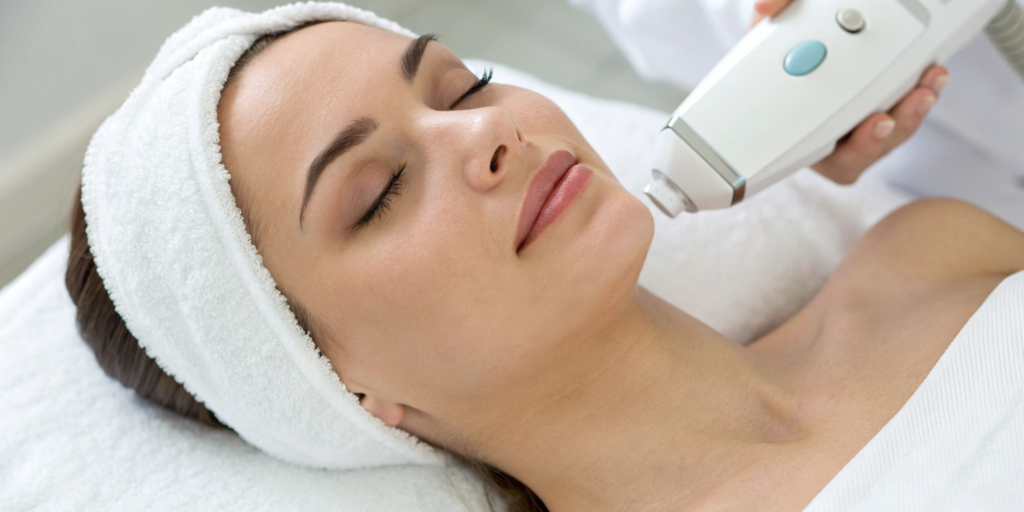

Think of your health and wellness journey as a project you’ve been working hard on. You’ve built a strong foundation with healthy eating and regular exercise, but now you’re ready for the final details. Body sculpting without surgery is that finishing touch. It’s a targeted treatment designed for people who are already living a healthy lifestyle but want to smooth out specific areas that haven’t responded to their efforts. It’s not a shortcut to weight loss, but rather a way to refine your natural shape. Here, we’ll break down the different methods available and explain how they can help you achieve a more contoured look.
Key Takeaways
- Define Your Goal Before You Start: Understand that these treatments are designed to refine your shape by targeting small, stubborn fat pockets, not to help you lose significant weight. It’s the perfect final step for someone already living a healthy lifestyle.
- View It as a Partnership With Your Body: The technology removes targeted fat cells permanently, but your body needs time to process them. Support this gradual, natural-looking transformation by maintaining a stable weight through a healthy lifestyle.
- Do Your Homework on the Provider: The most critical factor for a safe and successful outcome is the expertise of the person performing your treatment. Always select a physician-led clinic with proven experience and transparent patient results.
What Is Non-Surgical Body Sculpting?
You’ve been consistent with your diet and dedicated at the gym, but there are still a few stubborn areas that just won’t cooperate. Sound familiar? That’s where non-surgical body sculpting comes in. Think of it less as a weight loss tool and more as a finishing touch—a way to refine and reshape specific parts of your body. Also known as nonsurgical fat reduction, these treatments are designed to target and eliminate small, localized pockets of fat that are resistant to traditional diet and exercise.
Unlike surgical procedures like liposuction, these methods don’t require incisions, anesthesia, or significant downtime. Instead, they use advanced technology to address fat cells from outside the body. This makes it a popular option for people who are close to their ideal weight but want to smooth out their silhouette. Whether it’s a little bulge on the abdomen, love handles, or fat under the chin, body contouring treatments can help you achieve a more toned and defined look without interrupting your busy life. It’s all about fine-tuning the amazing results you’ve already worked so hard for.
How Does It Work?
So, how can you get rid of fat cells without surgery? It sounds like magic, but it’s actually science. Non-surgical body sculpting treatments use various forms of energy to target and destroy fat cells located just beneath the skin. Once these cells are damaged, your body’s natural metabolic processes take over, gradually filtering them out over the following weeks and months. This process results in a noticeable reduction of fat in the treated area.
Different technologies work in different ways. Some treatments use controlled cooling to freeze and kill fat cells, while others use heat from laser or radiofrequency energy to break them down. There are also methods that employ ultrasound waves to disrupt the fat cells. Each approach is designed to be highly targeted, affecting only the fat cells without harming the surrounding skin and tissue. The best part is that once these fat cells are gone, they’re gone for good.
Is It Right for You?
Non-surgical body sculpting can be a fantastic solution, but it’s not for everyone. The ideal candidate is someone who is already leading a healthy lifestyle and is at or near their target body weight. If you’re looking to address specific, pinchable areas of fat rather than lose a significant amount of weight, you’re likely a great fit. People often seek these treatments to finally get rid of stubborn fat on their abdomen, thighs, flanks, or under the chin to achieve that smooth, toned appearance they desire.
It’s important to have realistic expectations. These procedures are for body contouring, not weight reduction, and they won’t prevent you from gaining weight in the future. Maintaining your results depends on sticking to a healthy diet and exercise routine. A consultation with a qualified provider is the best way to determine if you’re a good candidate and to create a treatment plan tailored to your unique goals.
The Most Popular Non-Surgical Body Sculpting Treatments
Once you decide to explore non-surgical body sculpting, you’ll find several different technologies available. Each one works a little differently to achieve similar goals: reducing stubborn fat pockets and contouring your shape. The right treatment for you depends on your specific goals, the area you want to treat, and your body. At RewindMD, we offer a range of body contouring and weight loss options and can help you find the perfect fit. Let’s walk through some of the most common and effective methods out there.
CoolSculpting (Cryolipolysis)
You’ve likely heard of CoolSculpting, and for good reason. This popular treatment, also known as cryolipolysis, uses controlled cooling to freeze and eliminate unwanted fat cells without harming the surrounding skin or muscle. It’s an FDA-approved method for tackling fat on the hips, abdomen, thighs, chin, and underarms. A single session can reduce fat in the treated area by up to 25%. The procedure itself usually takes about 35 to 60 minutes. You might start seeing changes in as little as a month, with the most significant results appearing after two to three months as your body naturally flushes out the targeted cells.
Laser Fat Reduction (SculpSure)
Instead of freezing fat, laser treatments like SculpSure use controlled heat to melt it away. A specialized applicator delivers laser energy that heats the fat cells underneath your skin, effectively destroying them. Don’t worry about the heat—the device has a built-in cooling system to keep your skin comfortable and safe throughout the process. This treatment is FDA-approved for the belly and flanks (love handles) and is known for being quick, with sessions lasting around 25 minutes. You can expect to see initial changes in about six weeks, with final results becoming visible around the 12-week mark.
Ultrasound Body Contouring (UltraShape)
Ultrasound technology isn’t just for medical imaging; it’s also a powerful tool for body contouring. Treatments like UltraShape use focused sound waves to vibrate and break apart the walls of fat cells, causing them to release their contents. Your body then processes and eliminates this fat naturally. This method is most often used on the abdomen and sides. Typically, you’ll need one to three sessions spaced a couple of weeks apart to achieve your desired outcome. Because the non-surgical fat reduction is gradual, results appear over six to twelve weeks. Once those fat cells are gone, they’re gone for good.
Radiofrequency Treatments
Radiofrequency (RF) treatments are another heat-based technology, but they offer a dual benefit. Not only does the RF energy heat and damage fat cells, but it also stimulates collagen production, which can help tighten the skin and reduce the appearance of cellulite. While effective, it’s important to know that these treatments carry some risks, like burns or changes in skin color, if not performed correctly. This is why choosing a highly trained, physician-led team is so important for your safety and results. A skilled provider will ensure the treatment is both safe and tailored to your specific needs.
Injectable Fat Dissolvers (Kybella)
If you’re bothered by fullness under your chin, an injectable treatment called Kybella might be the answer. Kybella uses a synthetic form of deoxycholic acid, a substance your body naturally produces to help absorb fats. When injected into the area under the chin, it destroys fat cells, preventing them from storing or accumulating fat in the future. The injection process is quick, usually taking about 20 minutes. Most people need two to four treatments, spaced a month apart, to see the best results. It’s a targeted and long-lasting solution for sculpting a more defined jawline.
The Pros and Cons of Non-Surgical Body Sculpting
Deciding if non-surgical body sculpting is the right move for you means looking at the full picture. These treatments are incredibly popular for a reason, but like any medical aesthetic procedure, they come with both benefits and potential drawbacks. The key is to weigh them honestly to see if they align with your personal goals and comfort level. Your results and experience will depend heavily on the specific technology used, your body’s unique response, and the expertise of your provider. Let’s break down what you can realistically expect—the good and the things to be aware of—so you can make a choice that feels right for you.
The Benefits
The biggest draw for most people is the ability to target those frustrating pockets of fat that just won’t budge, no matter how consistent you are with diet and exercise. Think love handles, a little pooch on the lower belly, or stubborn fat on the thighs. These treatments are designed to reduce small areas of fat, helping to smooth and contour your shape. Because the procedures are non-invasive, you can forget about scalpels, stitches, or scars. There’s no general anesthesia involved, and the recovery is typically a breeze. Most people can head right back to their daily activities, making it easy to fit into a busy schedule.
Potential Side Effects and Risks
It’s also important to talk about the potential downsides. While non-surgical body sculpting is considered safe, it’s not completely without risk. After a session, it’s common to experience some temporary redness, swelling, bruising, or tenderness in the treated area. These issues usually fade on their own within a few days or weeks. More serious complications are rare but possible, and can include prolonged numbness or, in very unusual cases, a condition called Paradoxical Adipose Hyperplasia (PAH), where fat cells grow larger instead of smaller. This is why choosing a physician-led clinic for your body contouring services is so important. It’s also crucial to remember that these treatments don’t prevent future weight gain, so maintaining a healthy lifestyle is key.
What to Expect: From Consultation to Recovery
Deciding to pursue body sculpting is a personal choice, and knowing what the process involves from start to finish can make you feel more confident and prepared. The journey is a partnership between you and your provider, designed to be clear, comfortable, and tailored to your specific goals. From the first conversation to seeing your final results, here’s a straightforward look at what the experience is like.
Preparing for Your Treatment
Your journey begins with a simple, honest conversation. The most important step is your initial consultation, where you’ll meet with a physician to talk openly about what you hope to achieve. This isn’t a sales pitch; it’s a collaborative session to create a plan that’s right for your body. We’ll review your medical history, assess the areas you want to address, and confirm you’re a good candidate. Most non-surgical body contouring treatments are best for those who are close to their ideal weight, often with a Body Mass Index (BMI) under 30. This is your time to ask every question you have so you feel completely comfortable moving forward.
What Happens During the Procedure
On the day of your treatment, your comfort is the top priority. Because these procedures are non-surgical, there are no needles, incisions, or anesthesia. You’ll get settled in a private treatment room, and a specialized applicator will be placed on the target area. Depending on the technology, you might feel a sensation of intense cold, warmth, or gentle tingling. The session is designed to target those stubborn pockets of fat that don’t respond to diet and exercise—think the abdomen, thighs, upper arms, or love handles. Most treatments are quick enough to fit into a lunch break, and you can get right back to your day immediately after.
Aftercare and Recovery
One of the best parts of non-surgical body sculpting is the minimal downtime. You might experience some temporary redness, minor swelling, or tenderness in the treated area, but these effects typically resolve on their own within a few hours or days. Your results will appear gradually over the following weeks and months as your body naturally clears away the treated fat cells, making the change look subtle and natural. To maintain your new shape, a healthy lifestyle is essential. While the targeted fat cells are gone permanently, it’s important to support your results with consistent diet and exercise, which is a core part of our approach to functional wellness.
How to Maintain Your Body Sculpting Results
You’ve invested in yourself and are loving your new, sculpted look—so how do you make it last? Think of non-surgical body sculpting as a powerful head start, not a finish line. While the treatment permanently removes targeted fat cells, maintaining those incredible results is a partnership between our technology and your lifestyle. The great news is that you are in the driver’s seat. By adopting a few consistent habits, you can protect your investment and enjoy your contoured shape for years to come. It’s all about creating a sustainable routine that supports your body from the inside out.
Factors That Affect Longevity
How long your body sculpting results last can vary from several months to a few years. It really depends on personal factors like your age and your skin’s natural condition, which play a significant role in skin tightening. Younger skin with better elasticity tends to hold its new shape longer. Your metabolic rate and hormonal health also influence how your body stores fat and maintains muscle tone. Ultimately, your lifestyle choices are the biggest factor in preserving your results. A holistic approach to anti-aging and wellness can help you manage these factors effectively.
The Importance of a Healthy Lifestyle
To keep your results looking their best, a healthy routine is essential. This doesn’t mean you need to live at the gym, but consistency is key. Focus on a balanced diet to fuel your body and prevent new fat storage. Regular exercise is also crucial—not just for managing weight, but for building muscle tone, which enhances your sculpted contours. Finally, stay hydrated. Drinking plenty of water helps keep your skin firm and supports your metabolism. Our weight loss programs are designed to help you build these healthy habits for lasting success.
What Happens If You Gain Weight?
This is a common question. While body sculpting permanently eliminates fat cells in the treated area, it doesn’t remove all of them. If you gain weight after your procedure, the remaining fat cells in that area—and elsewhere—can still grow larger. This can alter your results and reduce the contoured effect you achieved. The treatment isn’t a shield against future weight gain. Instead, view it as a motivator to maintain a stable weight through healthy living. By pairing your treatment with a sustainable lifestyle, you ensure the treated area remains sleek and sculpted.
Understanding the Cost of Body Sculpting
Let’s talk about one of the biggest questions on everyone’s mind: what does body sculpting actually cost? The truth is, there isn’t a single price tag. The final cost is as unique as your treatment plan, depending on the technology we use, the areas you want to target, and how many sessions you’ll need to achieve your goals. Think of it as an investment in your confidence and well-being, not just a line item on a budget. The price reflects not only the advanced equipment but also the expertise of the physician-led team designing and performing your treatment.
While the range can seem wide—from a couple of thousand dollars to more for comprehensive plans—understanding the factors that influence the price can help you make an informed decision. A smaller, targeted area will cost less than a larger one, and some technologies may require more sessions than others to get the desired result. At RewindMD, we believe in complete transparency. During your one-on-one consultation, we’ll discuss your aesthetic goals in detail, recommend the best approach for you, and create a clear, personalized quote. This way, you know exactly what to expect before you commit, with no surprises.
A Breakdown of Treatment Costs
To give you a general idea, non-surgical treatments like CoolSculpting can range from $2,000 to $4,000 per treatment area. Other technologies, like laser-based fat reduction, often fall within a similar bracket. The total investment really depends on your specific goals. For example, treating a larger area like the abdomen will naturally have a different cost than targeting smaller pockets of fat on the arms. These options are typically more affordable than surgical procedures like traditional liposuction. The best way to get an accurate number is to come in for a consultation where we can assess your needs and map out a customized treatment plan.
Your Payment and Financing Options
We understand that body sculpting is a significant investment, and we want to make it accessible. Many clinics, including ours, offer flexible payment and financing options to help you manage the cost. During your consultation, we can walk you through the possibilities, which often include in-house payment plans or partnerships with medical financing companies. It’s also worth considering if you want to address multiple areas. Sometimes, bundling treatments into a single plan can be more cost-effective than scheduling them separately over time. Don’t hesitate to ask us about all the available options—we’re here to find a solution that works for you.
Does Insurance Cover It?
This is a common question, and the straightforward answer is that insurance almost never covers non-surgical body sculpting. Because these treatments are considered cosmetic, they aren’t deemed medically necessary. It’s important to remember that body contouring is designed to shape the body and eliminate stubborn fat, not as a solution for weight loss. It’s the final step for fine-tuning your shape after you’ve already established a healthy lifestyle with diet and exercise. Think of it as a procedure to help you feel your best in your body, rather than a medical treatment for a health condition.
Debunking Common Body Sculpting Myths
With so much information floating around online, it’s easy to get the wrong idea about non-surgical body sculpting. These treatments are incredible tools for refining your shape, but they aren’t magic wands. Understanding what they can and can’t do is the first step toward getting results you’ll love. Let’s clear the air and separate fact from fiction.
Many people believe body sculpting is a fast track to weight loss or that the results are instant and last forever, no matter what. Others think any treatment will work for any person, or that it doesn’t matter who performs the procedure. These misconceptions can lead to disappointment and, more importantly, put your safety at risk. Getting straight answers helps you set realistic expectations and make an informed decision about whether this path is right for you. We’ll walk through the four most common myths to give you the clarity you need.
Myth: It’s a Weight Loss Solution
One of the biggest misunderstandings is that body sculpting is a procedure for significant weight loss. In reality, it’s a contouring treatment. Think of it as the finishing touch, not the first step. These treatments are designed to target and eliminate stubborn pockets of fat that resist diet and exercise—like love handles, a bit of belly pooch, or fat on the inner thighs. The ideal candidate is someone who is already at or near their healthy body weight but wants to refine specific areas. It’s about shaping and sculpting your silhouette, not shedding pounds on the scale. Our body contouring and weight loss programs are designed to address both goals, but it’s important to use the right tool for the job.
Myth: Results Are Immediate and Permanent
Patience is key when it comes to body sculpting. You won’t walk out of your appointment with a completely transformed figure. Most non-surgical treatments rely on your body’s natural processes to flush out the targeted fat cells, which can take several weeks or even a few months. While the treated fat cells are gone for good, the results are only as permanent as your lifestyle. The remaining fat cells in the area and elsewhere in your body can still expand if you gain weight. To maintain your new contours long-term, you’ll need to stick with a healthy diet and consistent exercise routine.
Myth: All Treatments Work for Everyone
Body sculpting isn’t a one-size-fits-all solution. Your unique body composition, skin elasticity, fat distribution, and aesthetic goals all play a role in determining which treatment is best for you. What works wonders for one person might not be the right fit for another. For example, some treatments are better for “pinchable” fat, while others can also help with skin tightening. This is why a thorough consultation with an experienced provider is so important. They can assess your individual needs and recommend a personalized treatment plan to help you achieve the specific results you’re looking for safely and effectively.
Myth: Any Provider Can Do It Safely
Just because a procedure is non-surgical doesn’t mean it’s risk-free. The safety and effectiveness of your treatment depend heavily on the skill and expertise of the person performing it. A qualified provider has a deep understanding of anatomy, how the technology works, and how to manage any potential side effects. Choosing an unqualified or inexperienced technician can lead to poor results, uneven contours, or even serious complications. For your safety and peace of mind, always seek treatment from a reputable, physician-led clinic where you can be confident you’re in expert hands.
Choosing the Right Provider in San Diego
Finding the right person for your body sculpting treatment is just as important as choosing the treatment itself. San Diego has many options, but not all clinics are created equal. Since these are medical procedures, your top priority should be safety and expertise. Think of this as a partnership for your wellness journey—you want someone you can trust, who understands your goals, and has the credentials to deliver results safely.
What to Look for in a Clinic
When you start your search, focus on the qualifications of the staff. Non-surgical doesn’t mean non-medical. For any treatment, especially injectables like Kybella, you need a provider with a deep understanding of the body’s anatomy. Look for a physician-led clinic where treatments are overseen by a medical doctor, ensuring a higher standard of care. Do your homework: check credentials and read patient reviews. A reputable clinic will also be transparent, showcasing real before-and-after photos of their own patients. This gives you a clear idea of the results their body sculpting treatments can achieve.
Questions to Ask During Your Consultation
Your consultation is your opportunity to interview the provider and make sure you feel comfortable. A great provider will welcome questions and give you thorough answers. Here are a few essentials to have on your list:
- Is this the best procedure to help me reach my goals?
- What results can I realistically expect?
- Who will be performing my treatment, and what are their qualifications?
- What are the potential risks and side effects?
- What does the recovery process look like? This is also the time to be open about your medical history. The provider should be just as interested in learning about you to ensure the treatment is a safe and effective choice.
Red Flags to Avoid
Trust your intuition. If a deal seems too good to be true or something feels off, it’s okay to walk away. A major red flag is any high-pressure sales tactic; you should never feel rushed into a decision about your body. Be cautious if a clinic is vague about who will perform the procedure or can’t provide clear credentials. A provider who dismisses your questions or downplays risks is not putting your safety first. The focus should always be on your overall health, not just the aesthetic outcome. Finally, ensure the clinic is clean, professional, and uses FDA-cleared technology.
Non-Surgical vs. Surgical: What’s the Difference?
Deciding between non-surgical and surgical body sculpting comes down to your specific goals, your timeline, and your comfort level with recovery and risk. While both can help you achieve a more contoured shape, they are fundamentally different approaches. Surgical options like liposuction or a tummy tuck are invasive procedures that create dramatic, immediate changes. Non-surgical treatments, on the other hand, use advanced technology to target fat cells from outside the body, offering a more gradual transformation with little to no downtime. Understanding the key distinctions in results, recovery, and risk is the first step in figuring out which path is the right one for you.
Comparing Results, Recovery, and Risk
Non-surgical treatments are designed to fine-tune your shape by targeting small, stubborn pockets of fat that don’t respond to diet and exercise. A typical session is quick, often lasting 30 to 60 minutes, and you can usually return to your daily activities right away. While you might experience temporary redness, swelling, or bruising, the risks are minimal. In contrast, surgical body contouring is a more intensive medical procedure involving anesthesia and incisions. It can remove larger volumes of fat and excess skin, but the recovery period can last for weeks or even months. The risks are also more significant, including infection, scarring, and complications from anesthesia.
Setting Realistic Expectations
It’s crucial to have a clear picture of what each option can deliver. Surgical procedures offer more dramatic and immediate results. Non-surgical treatments provide a more subtle, natural-looking outcome that appears gradually over several weeks or months as your body processes the targeted fat cells. It’s also important to remember that non-surgical methods are not meant for losing a lot of weight. They are best for individuals who are already close to their ideal weight but want to address specific problem areas. No matter which route you choose, maintaining a stable weight and a healthy lifestyle is key to preserving your results long-term.
Related Articles
- Body Sculpting & Weight – RewindMD | Aesthetics | Longevity
- How to Target Stubborn Fat So It’s Gone for Good — The Real Science Behind Non-Surgical Body Sculpting | RewindMD Med Spa
- Facial Rejuvenation & Anti-Aging – RewindMD | Aesthetics | Longevity
- RewindMD | Aesthetics | Longevity
Frequently Asked Questions
Does non-surgical body sculpting hurt? Most people describe the feeling as unusual but not painful. Depending on the technology, you might feel intense cold, a warming sensation, or some tingling. The initial few minutes can be the most intense, but the area usually becomes numb or the sensation subsides quickly. The procedure is designed to be a comfortable experience, and you can typically relax, read, or even check emails during the session.
How many sessions will I actually need? This really depends on your individual goals and the area being treated. For some people, a single session is enough to achieve the subtle refinement they’re looking for. For others, a series of two to three treatments might be needed to get the best possible outcome. We’ll create a personalized plan for you during your consultation so you know exactly what to expect from the start.
If the fat cells are gone for good, how can I still gain weight in that area? This is a great question. The treatment does permanently destroy the targeted fat cells, and your body flushes them out. However, it doesn’t remove every single fat cell from the area. The remaining cells can still expand if you gain weight, which can affect your contoured results. That’s why maintaining a stable weight through a healthy lifestyle is the best way to protect your investment and keep your new shape long-term.
When can I expect to see my final results? Patience is your best friend here, as results appear gradually. You might start to notice changes as early as three to four weeks after your treatment. However, your body needs time to naturally process and clear away the treated fat cells. The most significant and final results are typically visible around two to three months after your last session.
Is there any downtime after the treatment? One of the biggest advantages is the minimal downtime. Most people can return to their normal activities, including work and light exercise, immediately after their appointment. You might have some temporary redness, mild swelling, or tenderness in the treated area, but this usually resolves on its own within a few days. It’s a procedure you can easily fit into your busy schedule without needing to take time off to recover.