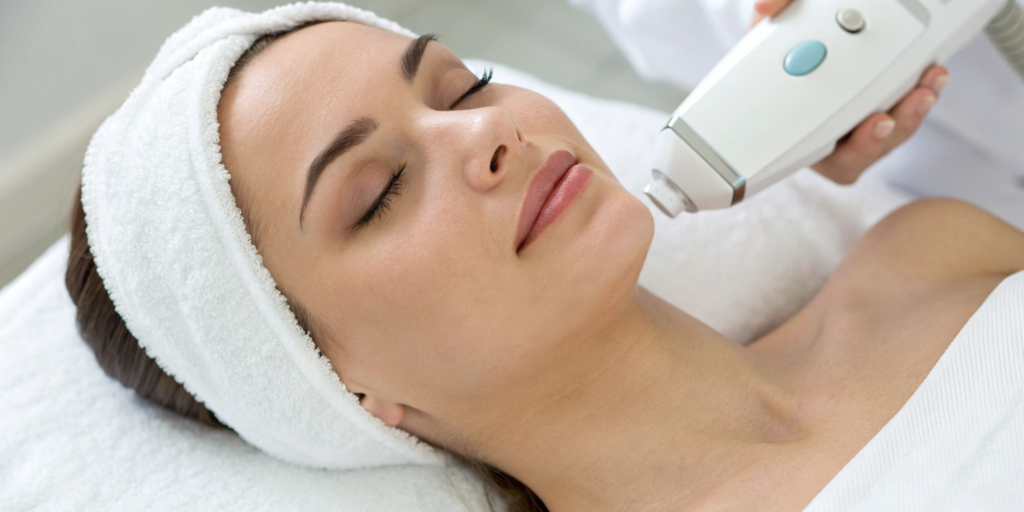

Stubborn abdominal fullness and weak muscle tone do not always require surgery. Whether the goal is stubborn fat, skin laxity, or muscle tone shapes the right option.
Book a body sculpting consultation at RewindMD →
Body sculpting San Diego refers to non-surgical treatment options chosen for a clear goal: contouring stubborn fat, supporting tighter-looking skin, or strengthening targeted muscles. At RewindMD in Encinitas, TightLase laser lipolysis is positioned for fat and skin concerns, while StarFormer HITS uses electromagnetic muscle stimulation for abs, glutes, and thighs. Neither is a primary weight loss treatment, and treatment choice depends on your goals, examination findings, and medical history. A published review describes noninvasive body contouring as increasing muscle tone or reducing fat, and notes that no studies reported weight change. A physician-led consultation can clarify which approach fits your treatment area, expected schedule, health needs, and realistic goals before a plan begins.
The question is which non-surgical method fits the change you want right now and the care you value. Next, the clinical context comes first, then the options are easier to compare.
Body sculpting San Diego: what it means at RewindMD
A contouring treatment, not a weight loss plan
For people exploring body sculpting in San Diego, the term means non-surgical care focused on contour and muscle tone. It may support targeted fat reduction in a treated area. It is not a plan for broad weight loss, and it does not replace healthy daily habits. For readers who are comparing contouring with broader wellness support, RewindMD’s guide to functional medicine for hormone imbalance explains how symptoms, metabolism, and energy concerns may be evaluated separately from body sculpting.
A published review of noninvasive body contouring describes Emsculpt NEO as a treatment for muscle tone and fat reduction. The same review found that studies did not report weight change before and after treatment. This helps set a clear goal: a more refined contour, not a lower number on the scale.
That distinction can guide a first conversation. Someone who is near a steady weight may ask about toning one area. Someone whose main goal is weight management may need a broader medical plan before discussing contouring care.
Targeted options for body contour and tone
At RewindMD, body sculpting may address muscle tone, localized contour, or support for a wider wellness goal. Treatment is selected for each person’s needs and health context. The clinic’s non-surgical body sculpting options page gives more detail on sculpting and toning care.
For a reader in Encinitas or nearby North County communities, the visit starts with a defined concern. It might be the abdomen or another targeted area. It may also be a question about how toning fits with other care. A focused goal helps the team discuss what an option can address.
Body contouring and weight management may be related, but they are not the same service. If the main concern is overall weight, RewindMD also explains its approach to body transformation and weight loss. Keeping these paths clear supports realistic expectations.
A consult-first, physician-led approach
RewindMD is a physician-led practice based in Encinitas and serving North San Diego County. Its approach places the consultation before treatment selection. The care team can review goals, relevant history, and current health needs. They can then discuss whether non-surgical contouring fits the request.
This consult-first model matters because the same phrase can mean different goals to different people. One person may seek more visible muscle tone. Another may need guidance on weight concerns or overall wellness first. RewindMD can define the goal and discuss suitable options. The result is a plan built around that starting point.
Non-surgical body sculpting options compared
When people search for body sculpting San Diego options, they may be comparing different goals, not interchangeable treatments. At RewindMD, a visit can clarify whether the focus is muscle tone, contouring, weight support, or a broader wellness plan.
That distinction matters because a shaping procedure is not the same as a plan for weight change. A review of electromagnetic contouring studies describes treatment as intended to increase muscle tone or reduce fat, rather than replace weight management.
This is why no single choice answers every concern. The option that fits a contour goal may not fit a weight goal, and health history may change the conversation.
Different aims for different options
Electromagnetic muscle sculpting uses energy to cause muscle contractions in a treated area. It is a contouring choice for someone focused on muscle tone, with possible fat reduction discussed during an assessment.
Laser lipolysis or laser-based contouring takes a different route. It may suit a person focused on shape rather than muscle stimulation. RewindMD’s non-surgical body sculpting options page can help frame questions for a consultation.
The exact device, body area, and care plan need discussion at the visit. A useful comparison starts with the intended target, then covers time, follow-up, and limits.
Medical weight loss support has a separate purpose. It addresses weight goals through a physician-led plan rather than a local shaping session. Wellness planning may sit alongside any chosen option, based on health history, goals, and the clinician’s guidance.
It is not a substitute for muscle-focused contouring. A contouring session is also not a weight management program. As part of an integrated approach, planning can help keep those aims clear.
What each approach addresses
The comparison below separates common goals, so you can ask sharper questions during consultation.
| Option | Best fit to discuss | What it targets | Typical commitment | What it does not do |
|---|---|---|---|---|
| Electromagnetic muscle sculpting | Muscle tone and contour goals | Treated muscles, with fat reduction as a possible aim | Often a short series of visits | Does not replace weight care |
| Laser lipolysis or laser-based contouring | Shape-focused concerns | Selected contour areas | Set after consultation | Does not train muscle |
| Medical weight loss support | Weight-related goals | A physician-led weight plan | Ongoing care as advised | Does not equal local contouring |
| Wellness planning | Broader health goals | Supportive habits and follow-up | Personalized review | Is not a sculpting procedure |
Use this table as a conversation guide, not a treatment recommendation.
For electromagnetic treatment, published research reports a common protocol of four visits over two to four weeks, with variation across studies. The schedule for any RewindMD plan should come from an assessment, not a general chart.
Commitment also means more than time on a calendar. A patient may need screening, a review of goals, and a follow-up talk before selecting a path. This process leaves room for questions about comfort, timing, care after treatment, and other support.
Choosing a conversation to start
Start by naming the change you want to discuss: muscle tone, local contour, weight support, or habits for long-term wellness. That first question keeps a body sculpting discussion focused and helps set realistic expectations.
For people comparing body transformation and weight loss, the most useful visit separates weight goals from contour goals. A clinician can explain which options fit the person’s history and what follow-up may be needed.
Some people may discuss one option, while others may discuss a sequence or supportive plan. The right comparison is based on purpose and medical review, not a promise of a set outcome.
Who is a good candidate for body sculpting?
Goals body sculpting may fit
A good candidate often has a stable routine and a few areas that do not respond as hoped to diet and exercise. The goal may be better contour, firmer definition, or added muscle tone rather than a major change on the scale.
This distinction matters when exploring body sculpting in San Diego. A review of electromagnetic body contouring describes noninvasive treatment as a way to increase muscle tone or reduce fat. It is not primary weight loss care. Readers can review the published clinical review when setting expectations.
For someone already near a comfortable goal weight, stubborn areas may remain even with consistent habits. Options aimed at contour or tone can be discussed in that setting. People seeking broad weight change may need a separate plan first, or care that addresses both needs.
Expectations and personal fit
Candidacy is not based on body size alone. It also depends on what someone wants to change, which area concerns them, and whether the chosen approach matches that goal. RewindMD’s non-surgical body sculpting options provide context for a discussion about contouring and muscle tone.
Useful goals are specific and measured: improving the look of one area, supporting muscle definition, or refining shape after stable habits. Body sculpting is not a promise of a set result. A clear starting goal helps the physician explain what may be reasonable and what another approach may address better.
Common candidacy signals include a focused contour goal, stable habits, realistic expectations, and willingness to review health history. Medications, devices, past procedures, and current health concerns should be part of that discussion.
A person may also have more than one goal. For example, interest in muscle tone can exist along with questions about weight support. Separating those goals during the visit helps keep the care plan clear and grounded in individual needs.
Why a consultation comes first
A consultation gives the physician time to review medical history and current goals before suggesting care. It is the right place to discuss pregnancy status, implants, past procedures, health conditions, and medicines when relevant. These details may affect whether a treatment is suitable or which option is considered.
There is no one-size-fits-all body sculpting plan. Someone interested in fat reduction may need a different discussion than someone focused on muscle tone. An individual review can align the area, goal, health history, and treatment choice before any sessions begin.
For patients comparing body sculpting San Diego options, a physician-led consultation keeps the decision centered on fit and informed expectations. It also creates room to ask about comfort, planned visits, aftercare, and how progress would be assessed over time.
What happens during a body sculpting consultation?
A plan built around your goals
A consultation for body sculpting in San Diego starts with a simple question: what change are you hoping to see? At RewindMD, this visit connects your goals with its non-surgical body sculpting options and your broader wellness needs.
Body sculpting is not the same as a weight loss plan. Research describes noninvasive body contouring as care intended to increase muscle tone or reduce fat. It is not primary weight loss care.
Six parts of your consultation
-
Share your goals. You can explain the areas you want to address and the type of change you seek. This may include more visible tone, a change in contour, or support for a wider health goal.
-
Review your health history. The physician reviews key medical details, medicines, prior procedures, and current wellness care. This step helps place an aesthetic goal within your full health picture before a plan is discussed.
-
Discuss the treatment area. You and the physician look at the area of concern and talk through body composition goals. The discussion helps separate fat reduction goals from muscle sculpting goals or weight management needs.
-
Compare suitable options. RewindMD may discuss muscle sculpting, laser-based treatment, or medical weight management when it fits your needs. Your plan should match the concern being treated, not a one-size-fits-all package.
-
Map the timing. You can ask how visits fit into your calendar and when reassessment may happen. The physician can also explain what changes are reasonable to watch for and what results cannot be promised.
-
Connect wellness support. If body composition or weight management is part of your concern, the visit can include wider wellness support. This keeps treatment choices tied to health needs, daily habits, and follow-up care.
Timing and clear expectations
A transparent consultation covers sessions, follow-up, and limits before you begin. In a published review, protocols often involved several visits across a short treatment window. Studies did not report weight change before and after treatment. Read the review of electromagnetic body contouring treatments for the reported findings.
Schedule a body sculpting consultation to compare your options →
The right next step depends on your history, your goals, and the treatment area. RewindMD can also discuss how body transformation and weight loss care may relate to sculpting when those goals overlap.
How long does body sculpting take to show results?
A gradual timeline
Body sculpting changes are usually gradual, not immediate. The treated area needs time to respond after a series of visits. For people researching body sculpting San Diego options, a realistic plan starts with the treatment type and the goal. Muscle definition, fat reduction, and skin tightening do not follow one shared schedule.
For electromagnetic body contouring, published research describes a typical plan of four treatments over two to four weeks. Protocols in the review ranged from three to eight treatments, with follow-up from one to six months. This clinical review of noninvasive body contouring also notes that treatment plans vary across studies.
RewindMD reports that many patients notice visible changes within four weeks after completing their sessions. That timing is an expectation, not a promise. A consultation can help set a baseline, choose the target area, and plan photos or body measurements for follow-up.
What results mean
Non-surgical sculpting is designed to shape or tone a treated area. It is not the same as a weight loss program. In the published review, no included studies reported weight change before and after treatment. That point matters when the desired outcome is overall weight change rather than contour or muscle tone.
Electromagnetic energy works by stimulating muscle contractions. Depending on the device and plan, the focus may be muscle tone, fat reduction, or both. RewindMD’s non-surgical body sculpting options page explains the muscle sculpting approach. It can also help patients frame useful questions before an evaluation.
Factors that shape the plan
Results can differ by treatment area, starting body composition, and selected modality. A patient seeking more abdominal tone may have a different plan from someone focused on skin firmness. Progress is easier to judge when the same measurements and photos are used at each check-in.
Maintenance also deserves a clear discussion. Strength training and nutrition may support a patient’s broader body composition goals, while treatment focuses on a selected area. If weight change is the main concern, body sculpting alone may not match that goal. A discussion of body transformation and weight loss may be more useful.
Hormones, sleep, recovery, and other wellness concerns can affect a person’s goals and care plan. They should be discussed with a qualified clinician, rather than treated as a guaranteed cause of slow progress. RewindMD serves North San Diego County from Encinitas with an integrated aesthetics and wellness approach.
For patients in Encinitas, Carlsbad, Solana Beach, or nearby communities, planning for repeat visits may help make the process practical. Ask how many sessions fit your chosen modality and when progress will be assessed. Also ask what ongoing plan may be appropriate for your goals.
How to choose a body sculpting provider in San Diego
If you are comparing body sculpting San Diego providers, start with the clinical process, not a before-and-after gallery. A thoughtful provider should explain treatment choices, review your history, and set limits on what sculpting can do.
Physician oversight and screening
Body sculpting is not the same as a weight loss plan. A published review describes Emsculpt Neo as an FDA-cleared, noninvasive treatment for increasing muscle tone or reducing fat. The review also found no reported weight change before and after treatment in the studies it examined. Read the published body contouring review when weighing claims.
Ask who reviews your health history and who is available if a concern arises. A sound screening visit should cover your goals, treatment area, current health, and factors that may affect your care. It should also explain the device, the session plan, common responses, and reasons a treatment may not fit.
A clear consultation
A useful consultation begins with the result you want to see. It then maps that goal to a suitable option, or explains why another approach may make more sense. Ask how the provider will track progress, when results may be assessed, and what follow-up includes.
Look for plain answers about limits. Non-surgical sculpting may address muscle tone or a targeted contour concern, while weight management has different aims. RewindMD’s page on non-surgical body sculpting options can help you form questions before a visit.
- Who evaluates candidacy and reviews medical history?
- Which option matches the treatment area and stated goal?
- How many visits may be needed, and how is progress reviewed?
- What aftercare, follow-up, or wellness support is offered?
During the visit, notice whether advice fits your goal and health profile. A provider should not pressure you to choose a package before your questions are answered. Take notes on expected changes, visit frequency, downtime, cost, and follow-up. These details make it easier to compare plans using the same standards.
Care that fits daily life
For North County patients, fit is also practical. Consider drive time from Encinitas, Carlsbad, Solana Beach, Del Mar, or nearby communities. A plan is easier to keep when appointments and follow-up work with your schedule.
Integrated wellness support can matter when your goals extend beyond one treatment area. Ask whether the team can discuss nutrition, movement, weight concerns, or long-term care without treating sculpting as a cure-all. The right provider offers a measured plan, clear oversight, and expectations you can assess over time.
That broader context can include related concerns outside the treatment room. RewindMD’s article on drip IV therapy and hydration is useful for readers who are also evaluating recovery habits, hydration, and wellness support. Its guide to bioidentical hormones pros and cons may also help readers separate body contouring goals from hormone-related questions that deserve their own clinical conversation.
Frequently Asked Questions
How long do body sculpting results take to appear?
Results vary by treatment type, treatment area, and individual response. Changes from non-surgical body sculpting are often gradual rather than immediate. A clinical review found that common electromagnetic treatment protocols use multiple sessions over two to four weeks, with follow-up extending for months. A physician can explain a realistic timeline for your selected option and goals. Source: clinical review of noninvasive body contouring.
Is body sculpting in San Diego a weight loss treatment?
No. Non-surgical body sculpting is generally intended to contour selected areas, reduce targeted fat, or improve muscle tone. It is not a substitute for weight management or treatment of obesity. A published clinical review describes Emsculpt NEO as a noninvasive body contouring treatment for increasing muscle tone and reducing fat. Patients seeking overall weight change should discuss separate medical options with a clinician.
How do I know if I am a good candidate for body sculpting?
A good candidate has a specific contouring goal and realistic expectations about gradual, targeted change. Selection depends on health history, medications, treatment area, and the technology being considered. A clinical consultation should include screening for contraindications and a discussion of benefits, risks, and alternatives. Body sculpting may not be appropriate for every person, and it should not replace care for broader weight or health concerns.
How do non-surgical fat reduction and muscle sculpting differ?
Non-surgical options do not all address the same goal. Fat-reduction treatments focus on localized fat or contour, while muscle-sculpting treatments stimulate muscle contractions to support tone and definition. Some devices combine radiofrequency with electromagnetic energy to address both goals. According to a clinical review, the best choice depends on anatomy, desired outcome, safety screening, and a clinician’s treatment plan.
Ready to Choose Your Body Sculpting Next Step?
Waiting to address a concern can mean more time spent wondering which non-surgical approach fits your priorities, schedule, and comfort level. Starting now gives you time to discuss your goals, understand available options, and plan next steps with a physician-led Encinitas practice. A personal consultation can help you move from comparing treatments online to making a clear, informed choice for your body goals.
Book a body sculpting consultation to discuss your priorities, preferred timeline, and practical next steps for care. You can ask focused questions about fit, visit timing, treatment planning, and how each available option supports your stated priorities.