
For years, women were often told that changes to their bodies after childbirth or with age were just something to live with. Thankfully, that is no longer the case. Modern aesthetic and wellness medicine has made incredible strides, offering safe and effective solutions for concerns like vaginal laxity. You no longer have to settle for feeling less than your best. Today’s advanced procedures can help restore tissue tone and improve sensation without invasive surgery or long recovery times. This guide is designed to introduce you to the best treatments for vaginal laxity, showing you what’s possible with today’s technology and helping you find a path to renewed confidence and sexual wellness.
Key Takeaways
- Vaginal laxity is a common physical change, not a personal failing: It’s typically caused by childbirth and the natural aging process, which affect tissue elasticity, but modern treatments offer effective solutions to restore comfort and confidence.
- Your treatment path can be tailored to your comfort level and goals: Nonsurgical options like laser and radiofrequency therapies use energy to rebuild collagen with minimal downtime, while surgical procedures provide more dramatic results but require a longer recovery period.
- Finding the right provider is key to a successful outcome: Seek a physician-led clinic for a comprehensive consultation where you can openly discuss your symptoms, understand the risks and benefits of each option, and create a personalized plan that feels right for you.
What is Vaginal Laxity?
Let’s talk about something many women experience but often hesitate to discuss: vaginal laxity. In simple terms, it refers to a feeling of looseness in the vagina. This happens when the vaginal walls lose some of their tightness and elasticity. It’s a completely normal physical change that can occur for several reasons, and it’s far more common than you might think. For many, it can affect everything from sexual satisfaction to overall confidence, creating a disconnect between how you feel on the inside and what your body is experiencing.
Understanding what’s happening with your body is the first step toward feeling like yourself again. It’s not just about aesthetics; it’s about function, comfort, and feeling whole. The good news is that you have options. Modern sexual wellness treatments are designed to address these concerns directly, helping you restore both sensation and confidence without invasive procedures. Whether you’re just starting to notice changes after childbirth or have been feeling this way for a while due to aging, learning about the causes and symptoms can empower you to decide what path is right for you. This isn’t something you just have to live with.
What Causes It?
The most common causes of vaginal laxity are pregnancy and childbirth. During a vaginal delivery, the muscles and tissues of the vaginal canal stretch significantly to accommodate the baby. This is especially true for women who have had multiple children, delivered a large baby, or required a forceps delivery. While the body has an amazing ability to heal, sometimes the tissues don’t return to their pre-pregnancy state. Aging is another key factor. Just like the skin on our face, vaginal tissues lose collagen and elastin over time. This natural process, combined with hormonal shifts during menopause, can lead to thinner, less elastic tissue and a feeling of laxity.
How to Recognize the Symptoms
The symptoms of vaginal laxity are both physical and emotional. Physically, you might notice a decrease in sensation or friction during intercourse for both you and your partner. This can lead to a noticeable drop in sexual satisfaction. Some women also describe it as a feeling of the vagina being “loose” or “open.” Emotionally, these physical changes can take a toll. It’s common to feel self-conscious or less confident about your body, which can impact intimacy and your overall quality of life. If you’re experiencing these symptoms, know that your feelings are valid and you’re not alone in seeking solutions.
Is Treatment Right for You?
Deciding to pursue treatment is a personal choice. The right path depends entirely on your body, your symptoms, and your goals. Options range from nonsurgical procedures that use energy to stimulate collagen production to surgical solutions that tighten the underlying muscles. While surgery often produces more dramatic results, it also comes with greater risks and a longer recovery period. The most important step is to have an open conversation with a trusted healthcare provider. A professional can help you understand the root cause of your symptoms and walk you through the available rejuvenation treatments. A thorough consultation will ensure you can make an informed decision that aligns with your health and wellness goals.
Exploring Surgical Treatments
For those looking for a more significant and lasting solution to vaginal laxity, surgical treatments can be a transformative option. These procedures are designed to physically alter and restore the vaginal structures, addressing both functional concerns and aesthetic preferences. While surgery is a bigger commitment than nonsurgical methods, it often provides the most dramatic and permanent results. If you feel that changes from childbirth or aging have impacted your confidence and physical comfort, understanding the surgical pathways is a great next step. Let’s walk through some of the most common procedures, what they involve, and what the recovery process looks like so you can feel fully informed.
Vaginoplasty: What to Know
Vaginoplasty is a surgical procedure specifically designed to tighten the vaginal canal. Over time, factors like childbirth and aging can stretch the muscles and tissues in the vaginal wall, leading to a feeling of looseness, or laxity. This procedure works by removing excess vaginal lining and tightening the underlying muscles and soft tissues. The primary goal is to restore the vaginal canal to a more youthful state, which can lead to increased friction and sensation during intercourse. It’s a popular choice for women who want to address these functional changes, and it has a high rate of patient satisfaction for improving sexual wellness.
Labiaplasty and Combined Procedures
While vaginoplasty addresses the internal structure, labiaplasty focuses on the external appearance. This procedure reduces the size of the labia minora (the inner lips) or, less commonly, the labia majora (the outer lips). Some women feel self-conscious about the size or asymmetry of their labia, while others experience physical discomfort from twisting or pulling during exercise or intercourse. For a more comprehensive approach to rejuvenation, labiaplasty is often performed at the same time as a vaginoplasty. Combining these procedures allows your surgeon to address both internal tightness and external aesthetics in a single operation, creating a harmonious and balanced result that helps you feel confident from the inside out.
Surgical Recovery and Results
Understanding the recovery process is key to a successful outcome. After a vaginoplasty or labiaplasty, you can expect a full recovery to take about six to eight weeks. During this healing period, it’s crucial to follow your surgeon’s aftercare instructions carefully. This typically means refraining from sexual intercourse, using tampons, and avoiding baths or swimming to prevent infection and ensure proper healing. While you’ll need to plan for some downtime, the results are long-lasting. Following the guidelines provided by your surgeon is the best way to support your body’s healing and achieve the results you’re looking for in your sexual wellness journey.
A Guide to Nonsurgical Treatments
If the idea of surgery feels like too big of a step, you have plenty of other options. Nonsurgical treatments for vaginal laxity have become incredibly effective, offering real results without the extensive downtime. These procedures use advanced technology to help your body naturally restore tone and function from the inside out. From energy-based therapies to foundational muscle training, you can find a path that fits your comfort level and goals, helping you regain confidence and sensation. Let’s walk through some of the most popular and effective nonsurgical approaches available.
Laser Therapy Options
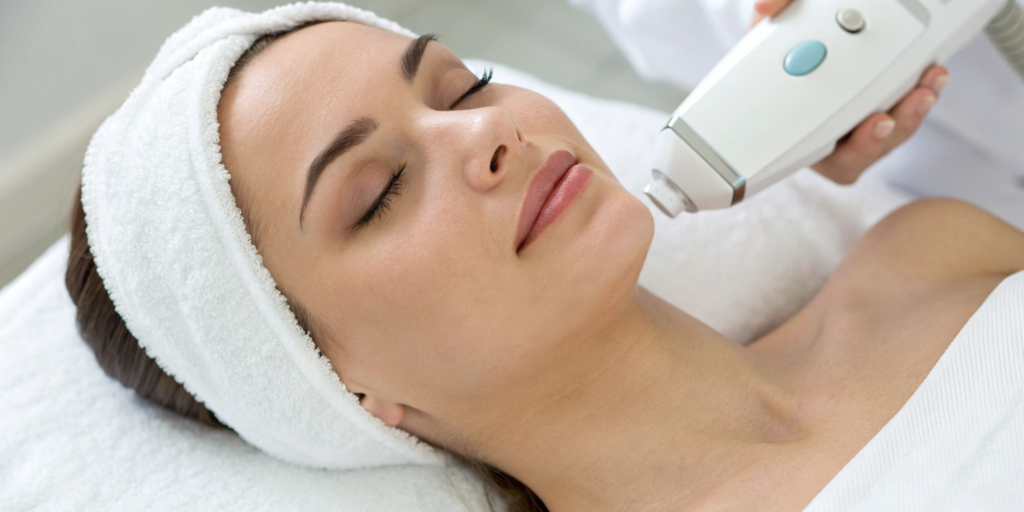
Laser therapy is a gentle yet powerful way to address vaginal laxity. This treatment uses a specialized laser to deliver controlled thermal energy to the vaginal tissues. This process is designed to be comfortable and precise, stimulating your body’s natural collagen production. As new collagen forms, the vaginal walls become thicker, tighter, and more elastic. Studies have shown that these treatments can lead to significant improvements, with some research indicating a success rate of over 90% for enhancing sexual function. It’s a fantastic option for women looking for a minimally invasive way to achieve noticeable sexual wellness improvements.
Radiofrequency Treatments
Similar to laser therapy, radiofrequency (RF) treatments use energy to rejuvenate vaginal tissue. Instead of light, RF uses radio waves to gently heat the deeper layers of tissue. This heat triggers a natural healing response, encouraging the production of new collagen and elastin. The result is improved tightness, better blood flow, and increased natural lubrication. RF technology is excellent for remodeling tissue and can also enhance nerve function for better sensation. It’s another highly effective, nonsurgical method that helps restore tissue to a more youthful state, all with minimal to no downtime.
Pelvic Floor Training and Kegels
Never underestimate the power of strengthening your foundation. Your pelvic floor muscles provide essential support for your pelvic organs, and keeping them strong is one of the most effective ways to combat vaginal laxity. Simple exercises, often called Kegels, can make a huge difference. In fact, clinical trials have shown that while women see improvements from treatments like radiofrequency, those who also practice pelvic floor muscle training often experience better, more sustained results over time. Think of it as a supportive habit that enhances the effects of any clinical treatment you choose and gives you long-term control over your pelvic health.
Pros and Cons of Nonsurgical Approaches
One of the biggest advantages of nonsurgical treatments is the minimal recovery time. Most procedures are comfortable, quick, and allow you to return to your daily routine almost immediately. However, it’s important to have a complete picture. While these treatments are excellent for addressing laxity and sensation, some related symptoms, like vaginal dryness, might be linked to hormonal changes. In these cases, other medical options, such as estrogen therapy, could be a necessary part of your treatment plan. A comprehensive consultation will help determine the root cause of your concerns and ensure you receive the most effective care for your unique hormonal and functional wellness needs.
Understanding the Recovery Process and Risks
Deciding on a treatment is a big step, and it’s just as important to understand what happens afterward. The recovery process, potential side effects, and aftercare instructions will look very different depending on whether you choose a surgical or nonsurgical path. Knowing what to expect can help you feel prepared and confident as you heal.
Your provider will walk you through every detail during your consultation, but let’s go over the general guidelines for recovery. This will help you plan for any necessary downtime and ensure you get the best possible results from your treatment. Remember, a smooth recovery is a key part of a successful outcome, and it all starts with being well-informed.
Your Recovery Timeline
Your recovery timeline really depends on the treatment you choose. For nonsurgical options like laser or radiofrequency therapy, the downtime is minimal. Most people can get back to their daily routine, including work, almost immediately. You might be advised to wait a few days before resuming sexual activity, but you can generally expect a quick and easy recovery.
Surgical procedures, like a vaginoplasty, require a more significant healing period. A full recovery typically takes about six to eight weeks. During this time, your body needs rest to heal properly. It’s important to plan for this downtime and arrange for any help you might need at home, especially during the first week or two.
Potential Side Effects and Complications
With any medical procedure, there are potential side effects to consider. Nonsurgical treatments are known for being very safe, with most patients experiencing little to no discomfort. You might have some temporary, mild swelling or redness in the treated area, but this usually resolves within a day or two. Major complications are very rare when you’re in the hands of an experienced professional.
Surgical options carry the same risks as any other surgery, including infection, bleeding, scarring, and changes in sensation. Choosing a board-certified, physician-led clinic is the best way to minimize these risks. Our team at RewindMD prioritizes patient safety and provides comprehensive sexual wellness care to ensure you are supported throughout your entire journey.
Aftercare and Activity Guidelines
Following your aftercare instructions is essential for a smooth recovery. For nonsurgical treatments, the guidelines are pretty simple. You’ll likely just need to avoid intercourse and hot baths for a few days. Your provider will give you a specific timeframe based on your procedure.
Surgical aftercare is more involved. You will need to be on pelvic rest for about six weeks. This means no intercourse, tampons, or soaking in baths, hot tubs, or pools. Sticking to these guidelines helps prevent infection and allows the tissues to heal correctly. Your doctor will provide a detailed list of do’s and don’ts to help you feel comfortable and safe as you recover.
Setting Realistic Expectations
It’s important to have realistic expectations for both your recovery and your results. With nonsurgical treatments, you may need a series of sessions to achieve your desired outcome, and you’ll see gradual improvement over time as your body produces new collagen. The results are significant but may not be as dramatic as what surgery can offer.
For surgical procedures, you’ll need patience. Swelling can hide the final results for several weeks or even a few months. It’s completely normal for the area to look and feel different as it heals. Open communication with your provider is key. They can help you understand what to expect at each stage of the healing process and what your final results will look like.
How to Choose the Right Treatment and Provider
Making the decision to address vaginal laxity is personal, and finding the right path forward is just as important. With so many options available, it’s easy to feel overwhelmed. The key is to find a solution that aligns with your body, lifestyle, and personal goals. This means doing a little homework on the treatments themselves and, most importantly, finding a provider you trust to guide you.
Think of this as a partnership. You bring your unique concerns and desired outcomes, and a qualified provider brings the expertise to help you achieve them safely and effectively. A great provider will listen to you, explain your options clearly, and create a personalized plan. Let’s walk through the steps to find the perfect fit for you, from comparing treatments to knowing what to ask during your first conversation.
Comparing Your Options
Your first step is to get familiar with the different types of treatments. Generally, they fall into two categories: surgical and nonsurgical. For those who prefer to avoid surgery or may want to have more children, nonsurgical treatments are an excellent choice. The most common and effective options use energy-based technologies like laser or radiofrequency to stimulate collagen and tighten tissue.
Other nonsurgical approaches include pelvic floor physical therapy and using tools like Kegel weights. These methods focus on strengthening the underlying muscles. Each option has its own set of benefits, so it’s helpful to consider what you’re most comfortable with. A comprehensive approach to sexual wellness often involves exploring these less invasive but highly effective treatments first.
Understanding Costs and Coverage
It’s important to have a clear picture of the financial investment. Most vaginal rejuvenation procedures are considered cosmetic, which means they typically aren’t covered by insurance. The total cost will depend on the type of treatment you choose and how many sessions you need.
While nonsurgical options often have a lower upfront cost per session, keep in mind that you may need repeat treatments to maintain your results over time. The good news is that these procedures usually require little to no downtime, so you can get back to your daily life right away. Be sure to discuss the full treatment plan and associated costs with your provider so there are no surprises.
Finding a Qualified Provider in San Diego
Choosing the right provider is the most critical step in your journey. Look for a physician-led clinic with a team that specializes in women’s health and aesthetic medicine. It’s always best to start by talking to a trusted healthcare provider who can offer expert guidance. They can confirm that you’re a good candidate for treatment and help you explore your options.
In San Diego, you have access to clinics that take a holistic view of wellness. A provider who understands the connection between hormonal balance, lifestyle, and overall health can offer more comprehensive care. At RewindMD, our approach to functional medicine and hormones ensures we look at the bigger picture to help you feel your best from the inside out.
Key Questions for Your Consultation
Your consultation is your time to get answers and feel confident in your decision. Don’t be afraid to ask direct questions. A great provider will welcome them and provide honest, thorough answers. Be prepared to be open about what’s bothering you, whether the concerns are physical or emotional.
Here are a few essential questions to bring with you:
- What are the specific benefits and risks of this procedure for me?
- What kind of results can I realistically expect, and how long will they last?
- How many treatment sessions will I need?
- What does the recovery process look like?
- Are there any alternative treatments I should consider?
Related Articles
- 4 Types of Non-Surgical Vaginal Rejuvenation
- Your Guide to the Vaginal Rejuvenation Procedure
- Does Vaginal Rejuvenation Work? An Honest Guide
- Your Guide to Laser Vaginal Rejuvenation
Frequently Asked Questions
Are vaginal rejuvenation treatments painful? This is one of the most common questions, and the answer really depends on the treatment. Nonsurgical options like laser or radiofrequency are designed to be very comfortable. Most people describe the sensation as a gentle warmth, and no anesthesia is needed. For surgical procedures like a vaginoplasty, you will be under anesthesia and won’t feel anything during the operation. You can expect some discomfort and soreness during the recovery period, but this is managed with prescribed pain medication.
How long will my results last? The longevity of your results varies by the type of treatment you choose. Surgical procedures offer very long-lasting, often permanent, changes since the underlying structures are physically tightened. Nonsurgical treatments provide significant improvement, but the results are not permanent. Because your body will continue its natural aging process, you may need occasional maintenance sessions every year or so to preserve the effects of the initial treatment series.
Can I get these treatments if I plan on having more children? This is a great question to consider. If you are planning future pregnancies, it is generally recommended to postpone surgical procedures like vaginoplasty. A future vaginal delivery would stretch the tissues again, potentially undoing the results of the surgery. Nonsurgical treatments, however, are often a great option for women who may want more children, as they can provide relief from symptoms without the long-term commitment of surgery.
How do I know if a surgical or nonsurgical option is right for me? Choosing the right path is a personal decision that depends on your symptoms, anatomy, and goals. If you are looking for a dramatic and permanent solution, surgery might be the best fit. If you prefer a less invasive approach with minimal downtime, nonsurgical treatments are an excellent choice. The best way to decide is to have an honest conversation with a qualified provider who can assess your specific situation and help you weigh the pros and cons of each option.
When can I expect to see results from my treatment? For nonsurgical treatments, results appear gradually. You might notice some initial improvement shortly after your first session, but the full effects develop over the following weeks and months as your body builds new collagen. For surgical procedures, you will see a significant difference once the initial post-operative swelling subsides. However, the final, settled results can take a few months to become fully apparent as your body completes the healing process.