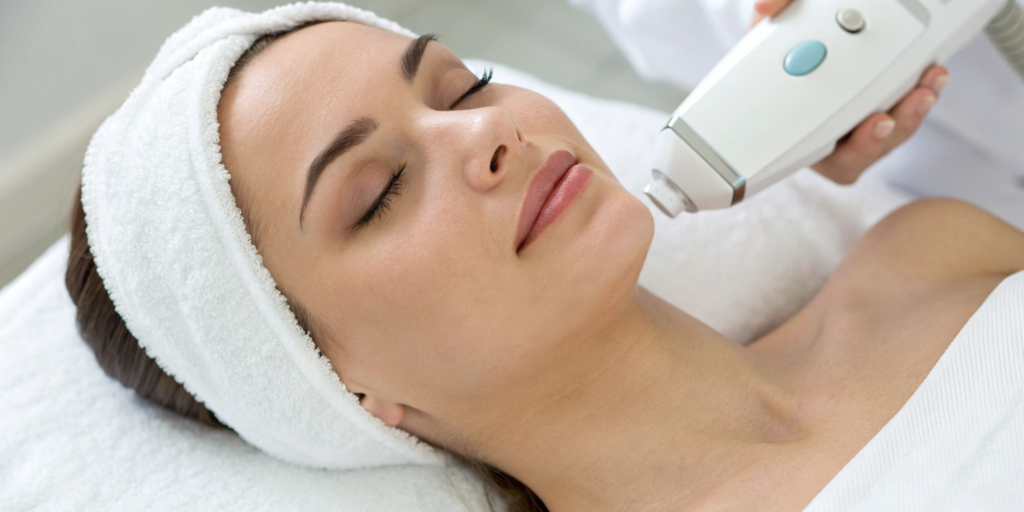

Choosing an acne scar treatment San Diego patients can trust starts with one key truth: acne scars are not all the same. Some scars are shallow color marks. Some are pitted. Some have a rolling texture that shows more in side light. That is why lasers, chemical peels, and microneedling can all be useful, but not for the same person or the same scar.
At RewindMD in Encinitas, acne scar care is built around skin type, scar depth, tone, active acne, downtime, and your goals. The right plan may use one treatment, or it may combine several steps over time. This guide compares the most common options so North County San Diego patients can ask better questions during a consult and avoid one-size-fits-all advice.
Ready for a custom skin plan? Schedule a RewindMD skin consultation to compare treatment options for your scars, skin tone, and timeline.
Acne scar treatment San Diego options at a glance
Acne scars come in many shapes and sizes. Some look like small pits, while others look like wavy lines on the skin. Finding the right acne scar treatment San Diego depends on your skin type and the depth of your scars. At RewindMD, we use several skin tools to support smoother texture and a more even look. Our team builds a custom plan that fits your life and your skin needs.
We look at the age, shape, and depth of your scars before choosing a tool. We also look for active breakouts, redness, brown marks, sun habits, and past treatment history. This helps us match the right option to the right concern instead of treating every scar the same way.
Laser resurfacing for deeper texture
Laser tools can reach deeper layers of the skin. Fractional CO2 lasers are often used for deep rolling or boxcar scars because they create tiny zones of heat that start a healing response. A medical review on CO2 laser treatment for acne scars reported improvement in scar depth in treated patients. This type of care may help the skin build new collagen over time.
Laser resurfacing often involves more downtime than light peels or microneedling. Skin may look red, warm, or flaky for several days. The exact timeline depends on the laser type, treatment depth, and your skin response.
Microneedling and chemical peels
Microneedling uses fine needles to create controlled micro-injuries in the skin. This can support collagen growth without laser heat. It is often considered for shallow to moderate texture concerns and may be a practical option for a range of skin tones.
Chemical peels work more on the surface. They can help with dullness, clogged pores, post-acne discoloration, and some shallow texture. They are not usually the best single choice for deep indented scars, but they can play an important role in a broader plan.
Quick comparison
| Option | Often used for | Downtime | Best role |
|---|---|---|---|
| Laser resurfacing | Deeper texture, rolling or boxcar scars | Often several days | Collagen remodeling and texture change |
| Chemical peels | Dark marks, uneven tone, surface roughness | Varies by peel depth | Brightening and surface renewal |
| Microneedling | Shallow to moderate texture, collagen support | Often mild redness | Gradual smoothing with less heat |
| Combination plan | Mixed scar types and tone concerns | Staged over time | Personalized care across skin layers |
The best option is the one that matches your skin, not the one that sounds most advanced. A consult helps narrow the choice and set a realistic timeline.
Why the type of acne scar changes the best treatment
Acne scars are not all the same. Each type of mark needs a different plan. Some scars look like small holes in the skin. Others look like dark spots or red marks. Some are true scars, while others are flat color changes left after a breakout.
To choose well, your provider first needs to know what kind of mark you have. This step matters because a peel that helps brown marks may do little for deep pits. A laser that can improve texture may not be the safest first step for every skin tone.
Atrophic scars and skin texture
Many acne scars are atrophic. This means they are pitted or sunken. These marks can form when the skin does not make enough collagen as it heals. Common types include ice pick, boxcar, and rolling scars. Ice pick scars are deep and narrow. Boxcar scars have sharper edges. Rolling scars look like broad waves or dips.
Treating these scars often means building new support in the skin. Doctors may use lasers, microneedling, subcision, peels, or a combination plan depending on the scar pattern. RewindMD’s skin, acne, and pigment services are designed around this kind of personalized evaluation.
Post-acne marks and color
Not every mark after acne is a true scar. Red, pink, purple, or brown spots can stay after a breakout even when the skin is flat. These spots are often linked to post-inflammatory color change. They may fade with time, but sun exposure can make darker marks linger.
Peels, topical skin care, light-based care, and sun protection may help these marks look better. The key is to avoid treating flat color marks as if they were deep scars. That can lead to more treatment than the skin needs.
Skin tone and scar depth
Skin tone affects treatment choice. Some heat-based lasers may carry a higher risk of post-treatment darkening in deeper skin tones. Research on laser treatment in skin of color notes the importance of careful device choice and settings. Microneedling may be considered when a lower-heat approach is preferred.
Scar depth also matters. A shallow rough patch may respond to a peel or microneedling plan. A deep boxcar scar may need a stronger texture-focused approach. A careful exam helps match the tool to the mark.
When laser resurfacing may be the stronger choice
Laser resurfacing may be the stronger choice when acne scars are deeper, more textured, or more visible in angled light. Lasers use focused energy to create controlled injury in the skin. This can support collagen remodeling and smoother texture as the skin heals.
Laser care is not a shortcut, and it is not right for every person. It works best when the provider chooses the right device, setting, depth, and aftercare plan. That is why physician-led guidance matters for acne scar treatment San Diego patients with mixed scar types or pigment risk.
Deeper rolling and boxcar scars
Rolling and boxcar scars often need more than surface renewal. A peel may brighten the skin, but it may not reach the deeper collagen changes that create the dip. Fractional laser resurfacing can target columns of skin while leaving nearby tissue to help with healing.
A review of fractional CO2 laser treatment found that laser therapy can improve the appearance of atrophic acne scars. Results vary by scar type, skin type, device, and treatment plan. Patients should expect a gradual process, not overnight removal.
Downtime and aftercare
Laser resurfacing may require more downtime than microneedling or light peels. Skin may be red, sensitive, swollen, dry, or flaky after treatment. Sun protection is critical because fresh skin is more prone to irritation and color change.
Before laser care, RewindMD reviews your skin history, current products, recent sun exposure, and goals. This helps reduce avoidable risk. It also helps decide whether a laser should be used first, later, or as part of a staged plan.
Why medical oversight matters
Laser devices are powerful. Settings that are too light may not do enough. Settings that are too aggressive may create irritation, prolonged redness, or pigment issues. A physician-led team can guide the balance between meaningful treatment and skin safety.
At RewindMD, the goal is not just to treat the surface. The team looks at acne control, skin health, recovery, and long-term maintenance. That inside-out view is especially helpful when scars, active acne, hormones, inflammation, or pigment concerns overlap.
Are chemical peels good for acne scars?
Chemical peels can be useful for acne scar care, but they are best for certain concerns. A peel uses a chosen acid solution to loosen damaged surface cells. As the skin renews, tone and texture can look fresher. For many patients, peels are most helpful for post-acne discoloration, clogged pores, dullness, and shallow surface roughness.
Peels may not be enough for deep ice pick, boxcar, or rolling scars. That does not make them weak. It means they work at a different skin level than lasers or some microneedling plans.
Dark marks and uneven tone
Many people seek acne scar treatment because of brown, red, or purple marks left after breakouts. These marks can feel just as frustrating as texture scars. Peels can help speed surface turnover and support a more even tone when used with the right home care and sun protection.
Different peels serve different roles. Light peels may support glow and maintenance. Medium-depth peels may target more stubborn discoloration or roughness. A clinical review on trichloroacetic acid peels notes their use in acne scar management, but treatment depth and patient selection matter.
Limits for deeper scars
Peels have limits. A surface peel cannot rebuild a deep pit on its own. It may soften the look of surrounding texture, but it may not change the scar floor enough. If the main issue is a deep indentation, RewindMD may discuss laser resurfacing, microneedling, or a staged plan instead.
This is why the consult matters. Patients often use the word scar for many different marks. A provider can separate true texture scars from color changes and choose a plan that fits both.
Peels in a combination plan
Chemical peels can pair well with other care. A peel may help clear congestion before collagen-focused treatment. It may also help improve tone after microneedling or laser recovery is complete. When used at the right time, peels can make the whole plan feel more balanced.
San Diego sun exposure is a key factor. After a peel, skin needs careful sun care. RewindMD guides patients on post-treatment products, sunscreen, and timing so the skin can recover with less risk of rebound darkening.
How does microneedling compare with laser treatment?
Microneedling and laser care both aim to help the skin remodel collagen. They differ in how they trigger that response. Microneedling uses fine needles to create small channels in the skin. Laser resurfacing uses light and heat to treat selected layers.
Neither option is automatically better. Laser may be stronger for deeper texture. Microneedling may be preferred when a lower-heat approach, shorter downtime, or broader skin-tone fit is important.
Collagen support without laser heat
Microneedling is often described as a mechanical treatment. It does not rely on the same heat effect as many lasers. That can make it useful for patients who want collagen support while limiting pigment risk. A review on microneedling for acne scars describes it as a treatment used for atrophic acne scarring.
Results build over time. The skin needs weeks to produce new collagen. Many patients need a series of sessions, and the exact number depends on scar depth, skin response, and whether other treatments are added.
Downtime and daily life
Microneedling downtime is often milder than ablative laser downtime. Redness and sensitivity may occur, but many people return to normal routines quickly. Laser care may require more recovery time, especially if the treatment is deeper.
This matters for busy patients in Encinitas, Carlsbad, Del Mar, Solana Beach, and the rest of North County. If you have work, travel, events, or outdoor plans, your provider can help choose timing that fits your life.
When microneedling may be paired with other care
Microneedling may be used alone for mild to moderate texture. It may also be paired with peels, topical skin care, or laser resurfacing in a staged plan. Pairing options can help address both texture and color without putting too much stress on the skin at one visit.
RewindMD helps patients compare microneedling vs laser for acne scars based on scar type, skin tone, downtime, and comfort level. That guidance is more useful than choosing based on trend or device name alone.
Why a combination plan can work better than one treatment
Most people do not have just one type of acne scar. Your face may have deep pits in one spot and dark marks in another. This is why a single tool may not give the most balanced result. A mixed plan can treat skin at more than one level.
At RewindMD, the plan starts with a full skin assessment. The team may look at acne activity, pigment, texture, products, sun habits, and health factors that affect healing. This helps create a staged plan instead of a rushed treatment menu.
Target scars at every level
Deep rolling or boxcar scars may need collagen-focused care such as laser resurfacing or microneedling. Brown or red marks may need pigment support, peels, topical care, and sun protection. Active breakouts may need to be controlled first so new scars do not form while old ones are being treated.
This layered thinking is important. Treating texture while acne is still active can feel like chasing the problem. Treating only color when the main issue is a deep pit can leave patients disappointed. A combination plan helps match each concern to the right tool.
A staged path to smoother skin
- Detailed skin exam. Your provider reviews scar type, skin tone, acne activity, prior treatments, and recovery needs.
- Control active acne. Reducing new breakouts helps lower the chance of new marks.
- Support the surface. Peels or medical-grade skin care may help tone, pores, and dullness.
- Repair deeper texture. Laser resurfacing or microneedling may be used for collagen support.
- Protect the result. Daily sunscreen and simple home care help reduce irritation and pigment change.
Physician-led care in North County
Choosing a physician-led clinic is important when treatments affect skin depth, heat, pigment, or healing. RewindMD’s Encinitas team takes a careful approach for San Diego and North County patients who want stronger care without hype or unrealistic promises.
Patients can learn more on RewindMD’s skin, acne, and pigment page. A consult can help you understand whether your plan should start with peels, microneedling, laser resurfacing, or acne control.
How to choose the best acne scar treatment in San Diego
The best acne scar treatment San Diego patients choose is not always the most aggressive one. It is the one that fits the scar, skin tone, lifestyle, and risk level. A good consult should help you understand why one option is being recommended and what each step is meant to improve.
Use the questions below to compare options before you commit to care. They can help you avoid vague promises and focus on a plan that fits your skin.
Questions to ask during a consult
- Are my marks true scars, color changes, or both?
- Which scar type do I have: ice pick, boxcar, rolling, or mixed?
- Which treatment fits my skin tone and pigment risk?
- How much downtime should I plan for after each step?
- Do I need to control active acne before scar treatment?
- How will we protect my skin from San Diego sun exposure?
Match the plan to your timeline
If you have an event soon, a light peel or gentle skin care plan may make more sense than deep resurfacing. If your main goal is texture change and you have time to heal, laser or microneedling may be discussed. If you have mixed scars, your provider may suggest a series over months.
Cost also depends on treatment type, number of sessions, and whether several tools are used. RewindMD does not need to guess at pricing in a blog post. A consult is the right place to review your goals and receive a plan that reflects your skin.
Local care matters
San Diego patients live with strong year-round sun. That affects peel timing, laser recovery, pigment risk, and aftercare. Local guidance helps you plan treatment around outdoor life, travel, beach days, and daily sunscreen use.
If you are comparing clinics, look for careful evaluation, clear aftercare, realistic language, and a plan that explains tradeoffs. RewindMD serves Encinitas, North County San Diego, Del Mar, Solana Beach, Cardiff-by-the-Sea, Rancho Santa Fe, Carlsbad, La Jolla, and nearby communities.
Frequently Asked Questions
What is the best treatment for acne scars in San Diego?
The best treatment depends on your scar type, skin tone, active acne, and downtime. Laser resurfacing may be stronger for deeper texture. Microneedling may be useful for collagen support with less heat. Chemical peels may help more with post-acne color and surface roughness.
Is laser better than a chemical peel for acne scars?
Laser is often better for deeper indented scars because it can target collagen remodeling below the surface. A chemical peel is often better for discoloration, dullness, clogged pores, and shallow texture. Many patients need a mix rather than one or the other.
How many acne scar treatments will I need?
Many patients need a series of visits because collagen change takes time. The number depends on scar depth, skin response, treatment type, and whether active acne is controlled. RewindMD can give a more useful timeline after seeing your skin in person.
Can acne scars be removed permanently?
Acne scar treatments may improve the look and texture of scars, but it is not accurate to promise full removal. Results vary. Good acne control, sun protection, and maintenance care help protect progress and lower the chance of new marks.
Is there downtime after laser, chemical peels, or microneedling?
Yes, downtime varies. Light peels may involve mild flaking. Microneedling often causes redness and sensitivity for a short time. Laser resurfacing may involve more redness, swelling, peeling, and sun precautions. Your plan should match your schedule.
Ready to compare acne scar treatment options?
You do not have to guess which treatment fits your scars. RewindMD can help you compare lasers, chemical peels, microneedling, acne control, and combination plans in a physician-led setting. The goal is a clear plan that respects your skin tone, downtime, and comfort level.
Schedule your RewindMD skin consultation to discuss acne scar treatment in Encinitas and North County San Diego.