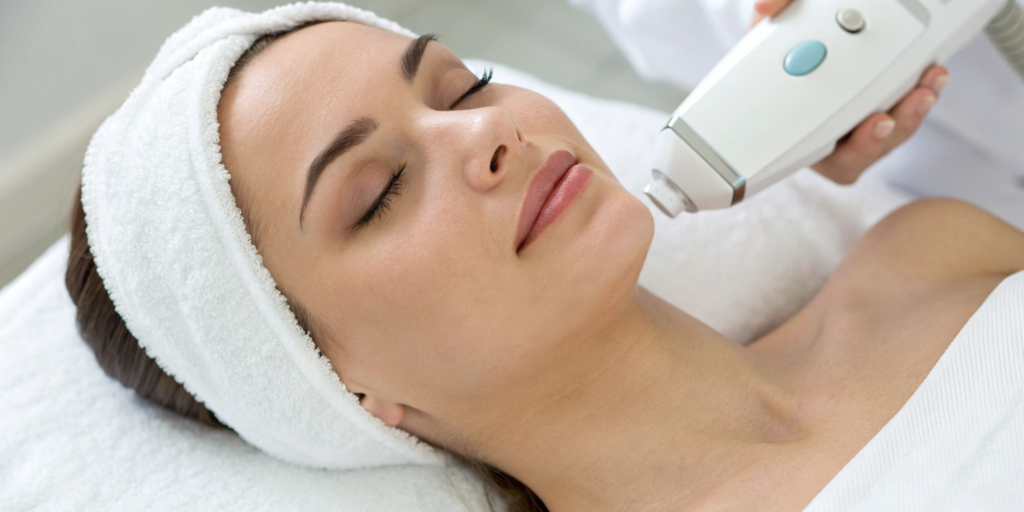
If you are researching microneedling with PRP San Diego options, you may want smoother texture, brighter tone, and acne scar support without surgery. Microneedling with PRP pairs controlled collagen induction with platelet-rich plasma from your own blood. The goal is to stimulate a natural repair response while adding platelet-derived growth factors that may support the healing environment. Results vary, and the safest next step is a provider evaluation.
Considering treatment? Schedule a consultation with RewindMD to discuss whether PRP microneedling fits your skin goals.
At RewindMD in Encinitas, skin rejuvenation is approached through a physician-led, whole-person lens. That means the conversation starts with your skin, your health history, your lifestyle, and your goals. Microneedling with PRP can be a strong option for the right candidate, but it is not a one-size-fits-all treatment. The treatment plan should reflect your scar pattern, skin tone, sensitivity, recovery window, and long-term aesthetic goals.
Microneedling with PRP San Diego patients ask about most
Microneedling with PRP is a collagen induction treatment that combines controlled microchannels with platelet-rich plasma. The microneedling portion stimulates the skin’s repair process. PRP is then applied so its growth-factor-rich plasma can interact with the treated skin and support a more targeted recovery environment.
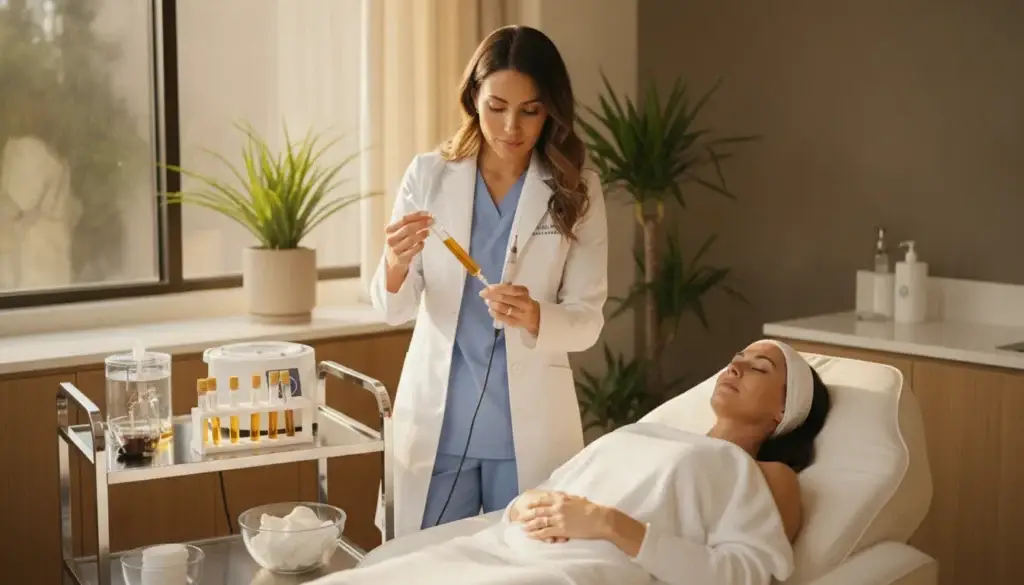
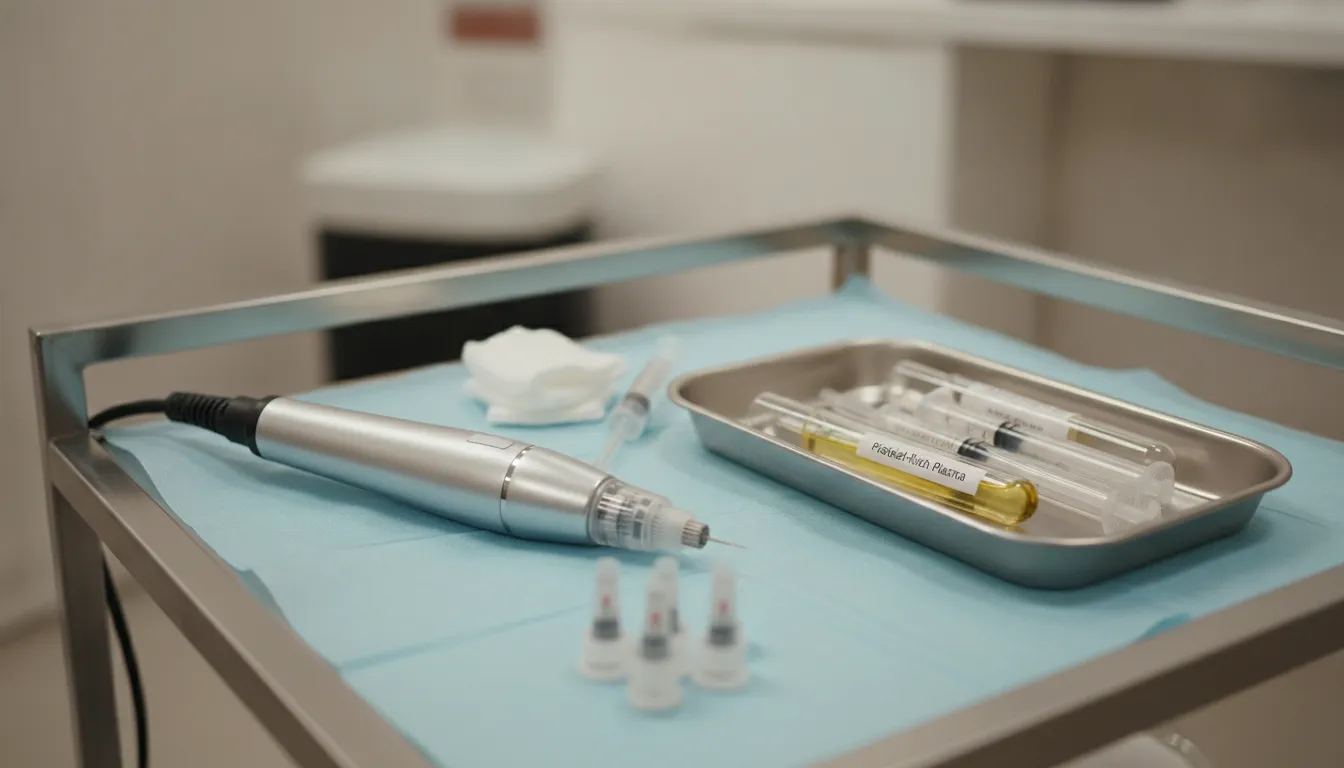
PRP is made from a small blood draw. The blood is processed in a centrifuge to separate the platelet-rich portion. Platelets contain growth factors and signaling proteins involved in tissue repair. In cosmetic skin care, PRP is used because it comes from the patient’s own blood and can be paired with treatments that intentionally stimulate collagen.
How microneedling supports collagen
Collagen gives skin much of its structure and firmness. Over time, sun exposure, aging, inflammation, acne, and lifestyle factors can contribute to thinner, rougher, or less even-looking skin. Microneedling does not remove skin in the same way as a laser or deep peel. Instead, it creates controlled channels that encourage the skin to rebuild gradually.
That gradual nature is part of why patients often choose it. The treatment is designed to improve skin quality over time rather than create an immediate dramatic change. For many people, the most noticeable improvements are smoother texture, a more refined surface, and a healthier-looking glow as the skin remodels.
Why PRP may be added
PRP is often added when the goal is to enhance the treatment environment. The microchannels from microneedling create an opportunity for PRP to reach the skin more effectively than it would on intact skin. A 2025 split-face clinical study published in Indian Dermatology Online Journal compared microneedling with PRP against microneedling alone for atrophic acne scars. The PRP side showed greater improvement in that study group. The authors still noted that larger studies with longer follow-up are needed.
That evidence is useful, but it is not a guarantee. Scar type, skin tone, inflammation, aftercare, and treatment consistency all influence outcome. At RewindMD, this combination fits within a broader menu of skin, acne, and pigmentation treatments. The right recommendation depends on your skin tone, scarring pattern, sensitivity, active breakouts, downtime tolerance, and medical history.
What are the main benefits for texture, tone, fine lines, and acne scars?
The main benefit of microneedling with PRP is skin-quality support through a controlled repair response. It may help improve rough texture, dullness, enlarged-looking pores, mild fine lines, uneven tone, and certain acne scars. It is best understood as gradual skin remodeling, not an overnight resurfacing result.
Patients often consider microneedling with PRP when they want a treatment that works with their own biology. It can also be part of a larger facial rejuvenation and anti-aging plan when skin quality is the priority. It does not replace every skin procedure, and it may not be the best fit for every pigment concern, scar pattern, or laxity concern.
Skin texture and tone
Texture concerns can show up as roughness, crepey areas, visible pores, or a surface that no longer reflects light evenly. Microneedling can support a smoother surface by triggering a controlled repair response. PRP may further support that response by delivering platelet-derived growth factors to the treated area.
For tone, microneedling with PRP may help the skin look brighter and more refreshed. It is not a replacement for all pigment treatments. A consultation helps determine whether PRP microneedling should stand alone or be paired with another skin-focused service such as peels, laser treatments, or medical-grade skincare.
Fine lines and early aging changes
Fine lines often develop where collagen support has decreased or where repeated movement and sun exposure have affected the skin. Microneedling with PRP is often chosen by patients who want to improve skin quality without changing facial expression. It does not work like a neuromodulator or filler. Instead, it focuses on skin thickness, smoothness, and resilience.
That distinction matters. If your main concern is deeper folds, volume loss, or significant laxity, another approach may be more appropriate. If your concern is skin quality, microneedling with PRP may be a strong part of the plan.
Acne scarring
Acne scars can be especially frustrating because they remain after acne itself has improved. Microneedling is commonly used for certain depressed acne scars because collagen remodeling can soften the look of uneven texture. PRP may be recommended when the provider wants to support the skin’s repair response during that process.
Not every scar behaves the same way. Ice-pick scars, rolling scars, boxcar scars, post-inflammatory pigment, and active acne may each need a different strategy. RewindMD’s physician-led review helps separate texture concerns from pigment concerns so the treatment plan is aimed at the right problem.
What happens during treatment and recovery?
A microneedling with PRP appointment typically includes skin preparation, topical numbing, a blood draw, PRP processing, microneedling, PRP application, and aftercare instructions. Recovery commonly involves redness and sensitivity. Most plans are customized because depth, skin history, and goals affect both treatment and downtime.
- Consultation and skin review. Your provider reviews your goals, medications, health history, recent procedures, active skin concerns, and whether PRP microneedling is appropriate.
- Preparation and numbing. The skin is cleansed, and a topical numbing cream may be applied to improve comfort during treatment.
- PRP collection. A small blood sample is drawn and processed to concentrate the platelet-rich portion.
- Microneedling treatment. The microneedling device is passed over the treatment area to create controlled microchannels.
- PRP application. The PRP is applied to the treated skin so it can interact with the newly created channels.
- Aftercare review. You receive instructions for cleansing, hydration, sun avoidance, product restrictions, and when to resume normal routines.
What recovery may look like
Most patients should expect redness and a sunburn-like feeling right after treatment. Mild swelling, tightness, dryness, sensitivity, or pinpoint flaking can also occur. The visible recovery window is usually short, but it depends on treatment intensity and individual skin response. Some people feel comfortable returning to normal activities quickly, while others prefer to plan a little social downtime.
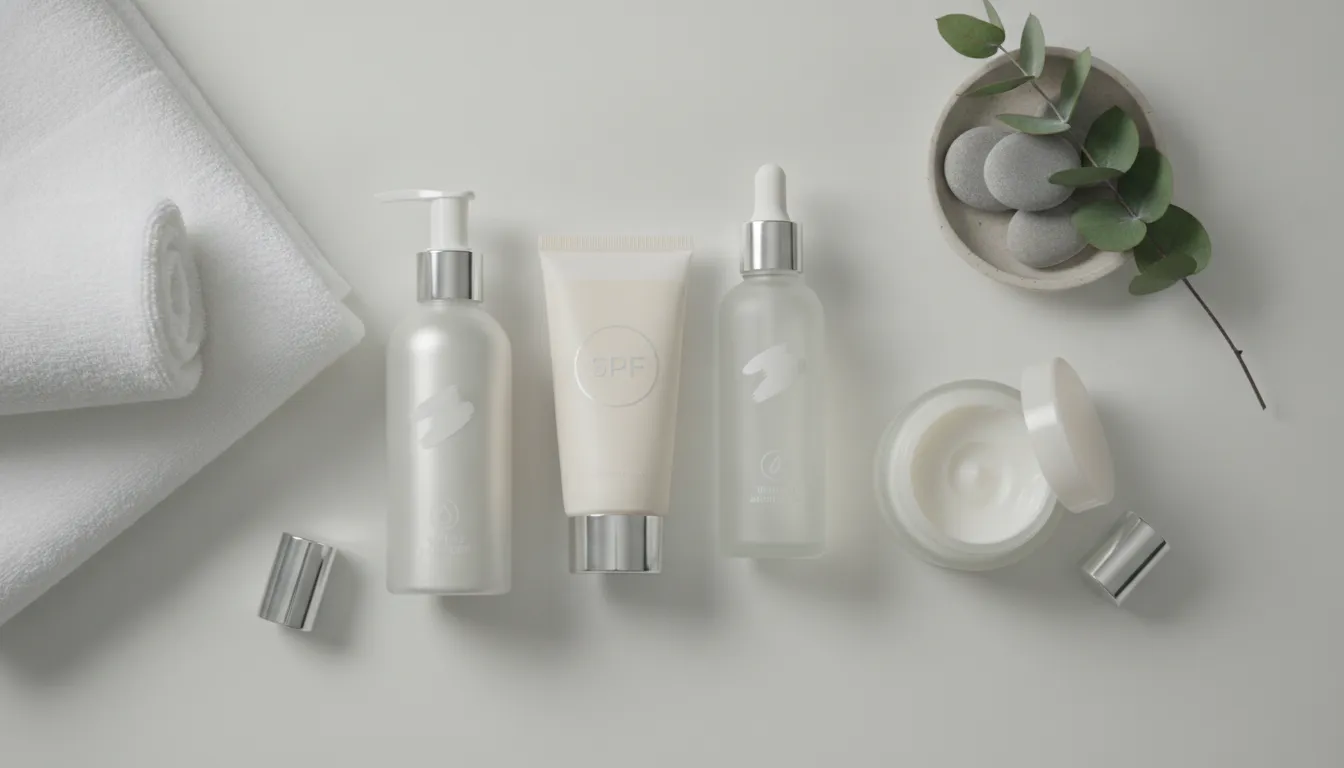
Aftercare is important. Your skin barrier is more sensitive after microneedling, so gentle products, hydration, and sun protection matter. Avoiding harsh exfoliants, active retinoids, direct sun, heavy sweating, and non-approved products during early healing can help reduce irritation. Follow the aftercare plan from your provider rather than guessing based on generic online advice.
When results appear
Microneedling with PRP is not an instant-fix treatment. Some patients notice a fresher look as early redness settles, but collagen remodeling takes time. Improvements often build gradually over several weeks. A series of treatments may be recommended for scarring, texture, or more visible skin quality changes.
This timing is one reason consultation planning matters. If you are preparing for an event, professional photos, travel, or another aesthetic treatment, your provider can help sequence care so your skin has time to recover.
Who is a good candidate, and who should avoid it?
A good candidate is usually an adult who wants to improve skin texture, tone, pores, fine lines, or certain acne scars and can follow aftercare instructions. Some people should delay or avoid treatment because medical history, active skin issues, pregnancy, or healing concerns may increase risk.
Microneedling with PRP may be especially appealing for people who prefer a treatment that uses their own plasma and does not rely on surgery. It may also fit patients who want a plan that can be adjusted over time as skin changes. Candidacy still requires a personalized evaluation.
Who may need to delay treatment
Some patients should delay or avoid microneedling with PRP until they are medically cleared. This may include people with active skin infections, open wounds, active acne flares in the treatment area, cold sores, certain clotting concerns, pregnancy, recent isotretinoin use, or medications that affect bleeding or healing. A history of keloids or poor wound healing should also be discussed before treatment.
This is why physician-led screening matters. RewindMD’s team can review whether your skin is ready, whether another treatment should come first, or whether PRP microneedling is not appropriate for your situation.
Why personalized planning matters
Two patients can have the same search term but very different needs. One may be focused on acne scars. Another may want help with dullness and early fine lines. Another may have pigment concerns that require a different first step. The consultation gives your provider a chance to build a plan around your actual skin rather than a generic treatment trend.

Microneedling with PRP vs microneedling alone
Microneedling alone and microneedling with PRP both use controlled microchannels to stimulate collagen. The difference is the addition of platelet-rich plasma. PRP may be recommended when the goal is to support repair, improve the treatment environment, or address concerns such as acne scarring.
| Factor | Microneedling alone | Microneedling with PRP |
|---|---|---|
| Primary mechanism | Creates controlled microchannels to stimulate collagen. | Adds PRP growth factors to the microneedling process. |
| Common goals | Texture, pores, fine lines, and general skin refresh. | Texture, tone, fine lines, acne scarring, and enhanced repair support. |
| Recovery | Redness and sensitivity are common. | Similar recovery, with PRP used to support the healing environment. |
| Treatment series | Often performed as a series depending on goals. | Also often performed as a series, especially for scarring or texture. |
| Best fit | Patients who want collagen induction without PRP. | Patients whose provider recommends added PRP support. |
The right option depends on your skin, goals, budget, downtime tolerance, and medical history. RewindMD can help you compare options during a consultation rather than choosing based only on online descriptions.
Ready to compare your options? Contact RewindMD to review whether microneedling alone, microneedling with PRP, or another skin treatment is the best fit.
How much downtime, discomfort, and treatment frequency should you expect?
Microneedling with PRP is usually tolerated with topical numbing, but comfort and downtime vary. Many patients experience redness, warmth, tightness, and sensitivity before the skin gradually settles. Treatment frequency depends on whether the goal is maintenance, texture refinement, or acne scar improvement.
One of the most common questions is whether microneedling with PRP hurts. Most patients tolerate treatment well with topical numbing, but comfort varies. Some areas of the face may feel more sensitive than others. Patients often describe pressure, prickling, heat, or scratchiness rather than sharp pain.
Downtime is usually related to redness, swelling, tightness, and sensitivity. If you have an event, photos, or travel planned, ask how much time to leave between treatment and your schedule. For many patients, it is wise to avoid booking treatment immediately before a major event.
How many treatments are needed?
Treatment frequency depends on what you want to improve. A general refresh may require fewer sessions than acne scarring or deeper texture concerns. Many plans involve a series spaced several weeks apart, followed by maintenance if the patient wants to continue supporting skin quality. Your provider will recommend timing based on your response and goals.
Patients who plan regular aesthetic care may also ask about RewindMD memberships. Memberships can be a helpful way to think about ongoing skin maintenance, including the Time Machine membership’s annual microneedling with PRP session benefit described in RewindMD’s service information. The right treatment schedule should still be based on clinical fit.
How does RewindMD personalize PRP microneedling in North County San Diego?
RewindMD personalizes PRP microneedling by evaluating skin quality, scar pattern, tone, recovery tolerance, medical history, and long-term rejuvenation goals. The Encinitas team connects skin treatments with broader wellness and aesthetic planning, which helps patients choose care that fits their skin rather than a generic trend.
This physician-led approach matters because PRP microneedling is not only a device treatment. It involves blood handling, skin barrier disruption, candidacy screening, and aftercare decisions. RewindMD’s broader skin and wellness model allows the team to consider whether your skin needs calming, acne control, pigment support, collagen stimulation, or another treatment sequence before or after microneedling.
For San Diego and North County patients, location also affects planning. Sun exposure, outdoor activities, and year-round events can influence when to schedule resurfacing or collagen induction treatments. Your provider can help you plan around sun protection, downtime, and other procedures so your skin has the right conditions to recover.
Frequently asked questions
These PRP microneedling FAQs answer the questions patients most often ask before booking. They are educational only and cannot replace a consultation. Your provider should review your skin, health history, medications, goals, and contraindications before recommending treatment.
How much does microneedling with PRP cost in San Diego?
Cost can vary based on the provider, treatment area, PRP processing, number of sessions, and whether the treatment is part of a larger skin plan. RewindMD can provide personalized pricing after reviewing your goals and candidacy during a consultation.
Does PRP really help with microneedling?
PRP may help support the healing environment created by microneedling. Some clinical research suggests the combination may improve acne scar outcomes compared with microneedling alone in selected patients. Results vary, and your provider should explain whether PRP adds value for your specific concern.
How long does a microneedling with PRP treatment take?
Appointment length varies, but the process often includes numbing, a blood draw, PRP preparation, treatment, and aftercare review. Many clinics describe the treatment experience as taking about an hour, though your visit may be longer depending on preparation and consultation needs.
Who should avoid microneedling with PRP?
People with active skin infection, open wounds, certain bleeding or clotting concerns, pregnancy, poor wound healing history, recent isotretinoin use, or active flare-ups may need to delay or avoid treatment. Always complete a consultation before scheduling.
Can I wear makeup after microneedling with PRP?
Your provider will give specific instructions, but makeup is typically avoided for a short period while the skin barrier is fresh and sensitive. Gentle aftercare and sun protection are more important than covering redness right away.
Schedule your RewindMD skin consultation
Microneedling with PRP can be a thoughtful option for patients who want to support smoother texture, brighter tone, collagen renewal, and acne scar improvement with a physician-led plan. The best next step is a personalized evaluation, not a guess.
Schedule a consultation with RewindMD in Encinitas to discuss microneedling with PRP, candidacy, recovery, and a skin plan tailored to your goals.