
Most cheek filler appointments end quickly, but your cheeks may look puffiest days later. Knowing the normal timeline makes recovery far easier to plan and less stressful.
Ready to plan your cheek filler recovery? Schedule a facial rejuvenation consultation with RewindMD in Encinitas.
Cheek filler recovery time is usually brief for daily activities, but swelling and bruising may need one to two weeks to settle as treated tissue calms. Swelling may look strongest during the first few days, so early puffiness or mild asymmetry does not show your final result after treatment. Individual timelines vary, and the filler type, treatment plan, and your healing response can shape when your cheeks look settled. The Cleveland Clinic notes that the procedure itself can take 15 minutes to two hours, while visible recovery continues after you leave. Protect the area from pressure, sleep as directed, and ask your injector when to resume exercise, makeup, or side sleeping after treatment.
How much downtime should you expect, and which early changes are normal? The next section, Cheek filler recovery time: what to expect at a glance, separates medical downtime from visible settling before covering sleep and aftercare choices. The path begins with
Cheek filler recovery time: what to expect at a glance
Cheek filler recovery time is usually short for normal daily routines, but visible swelling and bruising can take one to two weeks to fade. The first few days often look fuller than the final result, so plan treatment well before events and follow your injector’s personalized aftercare instructions.
Cheek filler recovery time is not the same as the treatment appointment or the life of the filler. The cheeks can need time to settle before you assess their shape. Plan around visible early changes if you have an event or photos coming up.
A practical recovery timeline
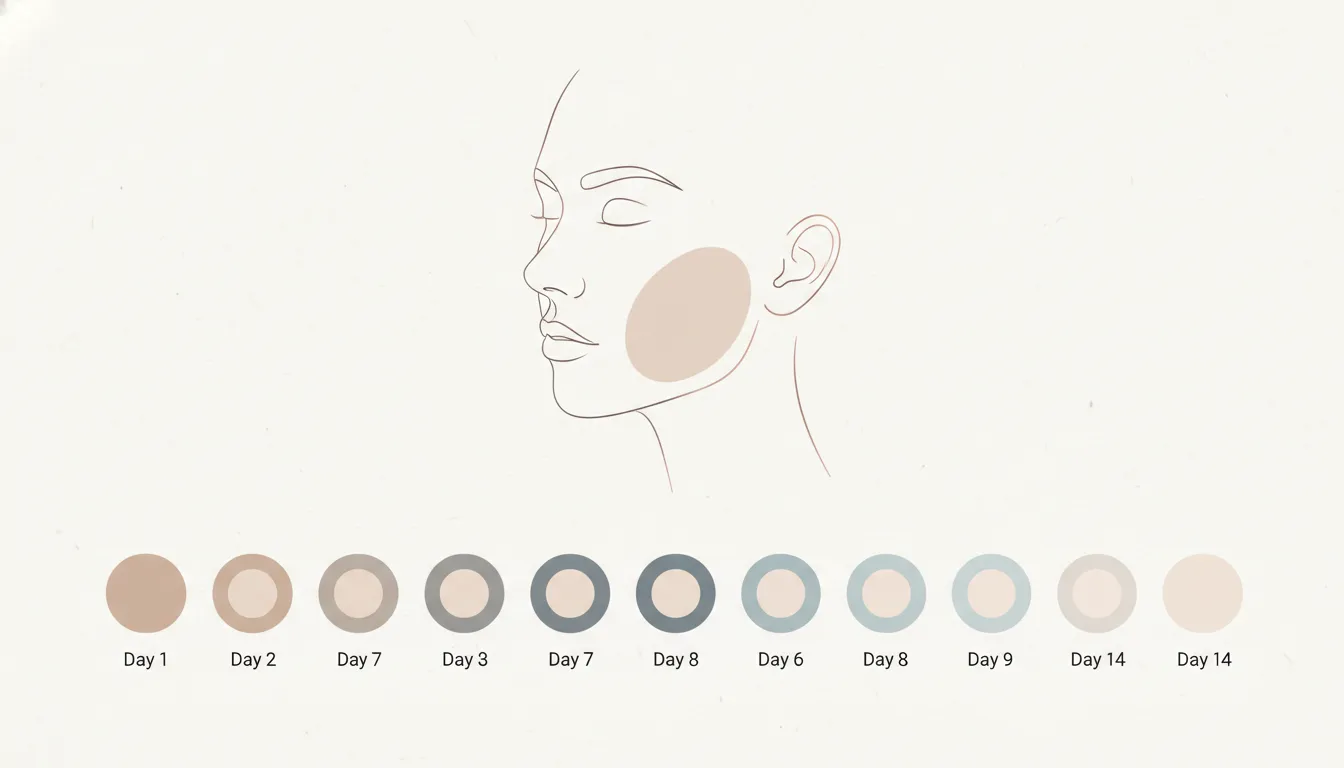
The table below offers a simple planning guide, not a promise. Your filler type, facial anatomy, injection plan, and aftercare can change the timeline. Follow the specific guidance from your injector, even when it differs from general advice.
| Timeframe | What you may notice | What to keep in mind |
|---|---|---|
| First day. | Swelling, tenderness, redness, or small injection marks. | Keep plans light. Follow your injector’s care steps. |
| Days 2 to 3. | Swelling may still look uneven or more noticeable. | Do not judge the final shape yet. |
| Days 4 to 7. | Early effects often begin to ease. | Ask your injector about any ongoing concern. |
| Around two weeks | Many hyaluronic acid fillers look more settled | This is often a more useful point for review |
Why your timeline may differ
Recovery depends on more than the filler itself. The amount placed, injection technique, treated depth, your anatomy, and your normal healing response all matter. A tailored plan may use several injection points, which can affect early tenderness or bruising.
Filler products also work in different ways. Some add volume at once, while others support gradual collagen changes. Many hyaluronic acid cheek fillers take about two weeks to settle. Your injector should explain the likely timing and when to schedule a review.
Results vary, and an early uneven look does not always reflect the final result. Waiting for swelling to ease helps you have a more useful review with your injector.
Recovery choices in the first days
Aftercare choices can shape comfort during the first few days. Use only the care steps your injector recommends, and ask before massaging or pressing the treated area. For more detail on positioning and swelling, review RewindMD’s sleeping advice after cheek fillers.
Contact your injector if pain, skin changes, or swelling concerns feel unusual or worsen instead of easing. Filler complications can appear early or later, and they can range from minor to severe. A peer-reviewed review of filler complications supports prompt clinical assessment when warning signs occur.
This section complements RewindMD’s existing recovery guide by focusing on practical choices about swelling, sleep, and early aftercare. Your consultation and treatment plan remain the best sources for advice that fits your filler and anatomy.
What happens in the first 48 hours after cheek filler?
The first 48 hours often bring the most visible changes during cheek filler recovery time. Swelling, mild redness, tenderness, and a tight feeling can make the cheeks look fuller than expected. Small bruises may also appear near an injection site. These early effects do not show the settled result.
If you are planning treatment, review RewindMD’s facial rejuvenation and anti-aging care. You can also contact the Encinitas clinic for advice based on your treatment plan and health history.
The first day
During the first day, the cheeks may feel firm, sore, or tight. Swelling can make one side look higher or fuller than the other. Mild asymmetry at this stage may reflect how each side responds to the injections. It is too early to judge shape, balance, or volume.
Follow the aftercare directions from your provider, since filler type and injection method can affect the plan. Avoid pressing, rubbing, or trying to reshape the treated area unless your provider tells you to do so. If a cold pack was recommended, use it gently and for short periods.
Changes on day two
On day two, swelling may still be easy to see and can seem more noticeable before it starts to ease. Tenderness, firmness, mild asymmetry, and bruising can also remain. These changes vary by person, so compare your progress with your provider’s guidance rather than another patient’s timeline.
Keep the area clean and treat it gently. Follow any personal directions about exercise, heat, skin care, makeup, sleep, and medicines. Do not add a new remedy or massage the cheeks without checking first. A provider may give different advice based on the product used and your medical history.
When to contact your provider
Most early changes are mild, but filler problems can range from minor to severe. They may appear early or later, according to a peer-reviewed review of filler complications. Prompt contact helps your provider assess a change and explain the next step.
- Contact your provider at once for severe or worsening pain, marked skin color changes, or rapidly increasing swelling.
- Seek urgent medical care for vision changes, trouble breathing, fainting, weakness, or other sudden severe symptoms.
- Call the clinic if redness, warmth, drainage, fever, or tenderness worsens instead of improving.
Photos taken in steady light can help the clinic review a new concern. When unsure, call rather than waiting for a routine follow-up. This section is educational and cannot replace an assessment from the clinician who treated you.
How long does cheek filler swelling last?
Cheek filler swelling often looks most noticeable during the first three days. It then tends to ease through days four to seven. Many people look presentable sooner, but mild puffiness can remain while the filler settles. For many hyaluronic acid cheek fillers, that settling process takes about two weeks.
The first three days
Swelling can begin soon after the injections and may become more obvious the next morning. It often peaks around day two or three, especially in the midface. At this stage, the cheeks may look fuller, uneven, or firmer than expected. This early appearance does not show the final result.
A cold pack used for a few minutes at a time may help with early discomfort, redness, and swelling. This approach aligns with Cleveland Clinic filler aftercare guidance. Follow your injector’s directions, since pressure and timing matter after treatment.
Try not to assess the result hour by hour. Changes in light, facial expression, and the angle of a photo can make puffiness seem uneven. Instead, follow the care plan and give the area time to calm. Ask your injector before massaging or pressing on the treated cheeks.
Days four through fourteen
During days four through seven, swelling usually becomes less noticeable. Minor bruising or tenderness may still be present. The cheeks can also settle at different speeds, so one side may briefly look fuller. Avoid judging symmetry while visible swelling remains.
By about two weeks, many hyaluronic acid cheek fillers have settled into the facial structure. That point gives the injector a clearer view of shape and balance. It also helps separate remaining swelling from the added volume. Filler longevity is a different issue, as explained in RewindMD’s guide to how long cheek fillers last.
A short daily note can help you track the change without overchecking. Take photos in the same place and light, if your injector suggests it. Bring those photos to a follow-up visit when a concern persists. They can help the injector compare changes across the cheek filler recovery time.
Why swelling varies
Cheek filler recovery time differs from person to person. Filler type, injection technique, treatment area, volume, aftercare, and each person’s healing response can affect the pace. A larger treatment does not always mean a harder recovery. Your injector can explain what is typical for your plan.
Some puffiness, redness, tenderness, and bruising can occur during routine healing. Still, symptoms should not be ignored when they feel severe, worsen, or seem unusual. Medical literature notes that filler complications can appear early or later and range from minor to severe. Contact your injector promptly about intense pain, skin color changes, vision symptoms, or other urgent concerns.
How should you sleep after cheek fillers?
Sleep on your back and keep your head raised after cheek filler treatment, unless your provider gives different instructions. This position helps you avoid direct pressure on either treated cheek while the area begins to settle. Ask your provider how long to use this position because each treatment plan is different.
A simple back-sleeping setup
Prepare your bed before your appointment so the first night feels less awkward. Place one or two pillows under your head and upper back for gentle elevation. A travel pillow can help keep your head centered, while pillows along both sides can make rolling over less likely.
Set out a clean pillowcase and place water, aftercare notes, and your phone within easy reach. This small step limits the need to rebuild your setup after treatment. Test the pillow height in advance, since a stable and comfortable arrangement is easier to keep through the night.
Do not press your face into the pillow or try to massage an area that feels uneven. Follow your provider’s advice about how long to avoid side sleeping. RewindMD’s sleeping advice after cheek fillers offers more ways to build a comfortable setup.
What if you turn onto your side?
Waking on your side once does not mean the treatment has failed. Return to your back, reset your pillows, and check the area without pressing it. If one side looks or feels slightly different early on, swelling may be part of the change.
Avoid judging the final balance during the first few nights. Cheek filler recovery time varies by person, treatment plan, and aftercare. Your provider can explain what is expected for your case and when side sleeping is appropriate again.
When to contact your provider
Keep your written aftercare directions close to the bed and follow them over general online advice. Contact your provider if you have new, worsening, or concerning symptoms. A medical review notes that filler complications can appear early or later, and they can range from minor to severe. Read the review of dermal filler complications for clinical background.
Before treatment, ask which symptoms need a prompt call and which changes can be watched at home. Also ask how many nights you should sleep elevated and avoid cheek pressure. Clear instructions make it easier to rest without checking your face throughout the night.
Cheek filler aftercare steps for smoother recovery
Good aftercare protects the treated area while swelling and tenderness ease. Your injector’s directions should always come first because filler type, placement, and your health history can change the plan.
Your first 48 hours
The early phase of cheek filler recovery time is often about keeping the area calm. A cold pack may help with initial discomfort, swelling, and redness after dermal filler injections. Use it only as directed, and never press ice straight against your skin.
These six steps offer a practical framework. Your provider may adjust them based on your treatment and how your skin responds.
- Use a cold compress as directed. Wrap the cold pack in a clean, soft cloth. Rest it lightly against the area for short periods without pressing on the filler.
- Pause hard workouts and excess heat. Avoid strenuous exercise, saunas, hot tubs, and other strong heat for 24 to 48 hours. Ask your injector when your normal routine can resume.
- Keep hands off the treated area. Do not rub, press, or massage your cheeks unless your injector tells you to do so. Use care when washing your face or applying skin care.
- Review alcohol, medicines, and supplements. Your provider may ask you to limit alcohol or certain blood-thinning supplements. Do not stop prescribed medicine unless the clinician who manages it approves the change.
- Sleep with care. Keep your head raised and try to sleep on your back. Avoid pressure on your cheeks while they heal.
- Follow the written plan and know when to call. Keep follow-up visits and use only approved products near injection sites. Contact your provider about severe pain, skin color changes, vision changes, or any symptom they flagged.
Personal instructions matter
Aftercare is not one-size-fits-all. Your injector may give different advice about makeup, skin care, exercise, or follow-up based on your procedure. RewindMD’s sleeping advice after cheek fillers offers more ways to avoid pressure on the cheeks.
Contact RewindMD for personalized instructions if you are unsure about an activity or product during recovery. Do not massage a firm or uneven area on your own. Instead, share what you notice with your provider and follow their advice.
Filler complications can appear early or later and can range from minor to severe. A peer-reviewed review of filler complications explains why prompt assessment of concerning symptoms matters.
Tracking changes during recovery
Take a clear photo in the same light each day if your provider asks you to track swelling. Note when a symptom began and whether it is getting better, stable, or worse. This record can help your care team assess changes.
Results and healing patterns vary. A quick question is better than guessing, especially when a symptom feels new or concerning. Follow your clinic’s urgent contact directions rather than waiting for a scheduled visit.
When will cheek filler look settled and natural?
The early fuller look
Cheek filler can look fuller than expected right after treatment. Mild swelling may add volume around the injection sites and make small differences between the cheeks seem more noticeable. This early look is not always the final result.
As swelling fades, the cheeks often soften and blend more smoothly with the rest of the face. Avoid judging contour or balance too soon. Your injector can explain which changes fit normal healing and which signs need prompt attention.
HA filler and collagen stimulator timelines
For many hyaluronic acid, or HA, fillers, the face often looks more settled near the two-week mark. This is a useful review point, not a promise. Cheek filler recovery time can vary with product choice, treatment volume, technique, and your healing response.
Collagen-stimulating products follow a different path. Their effect develops over several weeks as the skin’s collagen response builds, so the result may not look complete at an early follow-up. RewindMD’s guide to the best cheek filler options explains how common products differ.
Results also vary from person to person. Some minor issues appear soon after injection, while others can be delayed. A medical review of dermal filler complications notes that problems can occur early or later and range from minor to severe. Contact your clinician if pain, skin color changes, or swelling feels unusual or worsens.
Why proportion shapes a natural result
A natural result depends on more than waiting for swelling to ease. Cheek height, facial width, skin quality, and nearby features all affect how added volume looks. The right plan should support your own facial structure rather than chase a fixed amount of filler.
Even small placement changes can affect how light falls across the midface. The same amount may create a soft lift in one face but look too full in another. Reviewing the cheeks from several angles helps the clinician plan balanced placement.
A physician-led consultation helps connect product choice and placement with facial proportion. It also creates a clear plan for follow-up after swelling has eased. At that visit, the clinician can review symmetry, contour, and whether any further treatment may be appropriate.
Patients exploring broader changes can also review RewindMD’s approach to facial rejuvenation and anti-aging. A full-face view may help keep cheek enhancement in balance with the jawline, temples, and skin. Results vary, so personal assessment remains essential.
Why provider technique matters for cheek filler recovery
Cheek filler recovery time depends on more than how your body heals. The provider’s assessment, product choice, dose, and placement may also shape swelling, comfort, and early symmetry. A careful plan starts before the first injection and continues through follow-up.
Assessment before treatment
A physician-led assessment looks at facial structure, skin quality, health history, and the change a patient wants. It also helps the provider spot differences between the two sides of the face. These details guide a plan that fits the person’s anatomy rather than a fixed template.
At RewindMD, Dr. Gillin’s physician-led approach supports a full review before treatment in Encinitas. This visit is the time to discuss past filler, medicines, allergies, and upcoming events. Clear answers help set practical expectations for the first days of recovery.
Product, dose, and placement
Filler products differ in texture, structure, and intended use. The provider selects a product based on the treatment goal and where it will sit. Placement depth and injection method may affect how the area feels and looks while it settles.
Dose matters too. A thoughtful provider uses the amount needed for the agreed plan and checks balance throughout treatment. More filler is not always the right answer. A measured approach can support natural-looking contours while leaving room to review the result after swelling eases.
Patients exploring facial rejuvenation in Encinitas can ask why a certain product and placement method fit their goals. They can also ask what changes are expected right away. These questions make the plan easier to understand and follow.
Aftercare and access to follow-up
Good aftercare guidance should be specific and easy to use. It may cover cold packs, sleep position, skin care, exercise, and when to contact the clinic. Follow the provider’s directions because advice can differ by product, dose, and treatment area.
Access to follow-up matters when swelling makes the cheeks look uneven at first. A provider can explain what fits the expected course and what needs prompt review. This support can reduce guesswork without promising a certain recovery experience.
Patients should also know the warning signs that call for urgent care. Published medical literature notes that filler complications can be minor or severe. They may appear early or later after injection. Before leaving, ask whom to call, which symptoms need fast attention, and when the clinic will review progress.
For patients in Encinitas and North County San Diego, provider choice is part of recovery planning. Look for clear credentials, anatomy-based decisions, tailored aftercare, and ready access to follow-up. Results and recovery vary, but a clear care plan can help patients know what to expect.
Frequently Asked Questions
What is the typical recovery time for cheek fillers?
Most people can return to routine daily activities soon after cheek filler treatment. Mild swelling, tenderness, redness, or bruising may remain during the first one to two weeks. Recovery varies with the product used, injection technique, treatment volume, and individual healing. Follow the injector’s specific aftercare instructions, and allow extra time before an important event.
How long does swelling last after cheek filler treatment?
Cheek swelling is often most noticeable during the first few days, then gradually improves. Minor puffiness or unevenness can remain for one to two weeks as the area heals. A cold pack used for a few minutes at a time may ease early swelling, according to the Cleveland Clinic. Contact your injector if swelling worsens or concerns you.
When can I expect final results after cheek fillers?
Immediate volume changes are visible after treatment, but early swelling can hide the final contour. Most hyaluronic acid cheek fillers take about two weeks to settle, although timing varies by product and healing response. Collagen-stimulating fillers may take longer to develop. Wait until the recommended follow-up before judging symmetry or deciding whether any adjustment is appropriate.
How should I sleep after getting cheek fillers?
Sleep on your back with your head slightly elevated during the early recovery period, unless your injector advises otherwise. This position can limit pressure on the treated cheeks and may help with swelling. Avoid sleeping face-down or pressing one cheek firmly into the pillow. If back sleeping is difficult, ask your injector how long these precautions are needed.
What activity restrictions should I follow after cheek fillers?
Follow your injector’s instructions about when to resume exercise and other activities. During early recovery, avoid strenuous workouts, high-heat settings, facial massage, and firm pressure on the cheeks. These activities may increase swelling or disturb the treated area. Gentle daily activities are usually easier to resume, but timing should reflect your treatment plan, healing response, and injector’s advice.
Ready to Plan Your Cheek Filler Consultation?
Putting off a consultation can leave you uncertain about recovery, sleeping positions, and how swelling may fit into your schedule. Starting now gives you time to discuss your goals, review aftercare, and choose a treatment date without feeling rushed. A personalized plan can also help you prepare for the first days after treatment and know when to contact your care team.
Your consultation is the right place to ask detailed questions about swelling, sleep, and what to expect during your recovery. RewindMD can review your needs and explain the next steps before you decide whether cheek filler fits your goals. Ready to plan with a physician-led team? Schedule a consultation to get personalized guidance for your cheek filler aftercare plan.