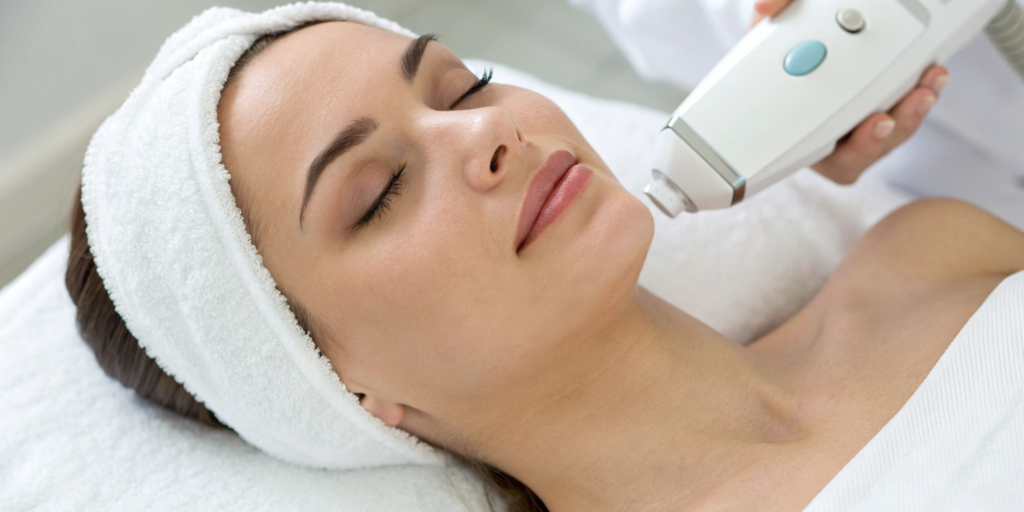

You can think of your skin as a canvas. Over time, factors like sun exposure, acne, and the natural aging process can leave their marks. While a great daily routine is essential, laser skin resurfacing acts as a reset button, creating a smoother, clearer, and more radiant canvas. The treatment uses controlled light energy to precisely remove damaged cells and trigger your body’s natural collagen production. This guide is your comprehensive resource for understanding this powerful treatment, from the different technologies available to what you can expect from your results and how to choose the right provider for your journey.
Key Takeaways
- Lasers work on two levels: The treatment uses focused light to remove damaged surface skin while simultaneously heating deeper layers to stimulate new collagen, resulting in a smoother and firmer appearance from the inside out.
- Your treatment plan must be personalized: There is no single best laser for everyone. The right choice depends on your skin type, specific concerns, and lifestyle, which is why a thorough consultation with a qualified provider is essential.
- Proper aftercare is non-negotiable: The success of your laser treatment heavily relies on how you care for your skin afterward. Following your aftercare plan, especially with diligent sun protection, is critical for healing correctly and protecting your results.
How Does Laser Skin Resurfacing Work?
If you’ve ever wondered how a beam of light can seemingly turn back the clock on your skin, you’re in the right place. Laser skin resurfacing might sound like something out of a sci-fi movie, but the science behind it is straightforward and has been refined over decades to deliver incredible results. It’s all about using targeted energy to encourage your skin to heal itself in a more youthful, refreshed way.
The process involves a highly trained provider using a specialized device to deliver precise wavelengths of light into the skin. This controlled energy works on two levels: it addresses the surface imperfections you can see while also stimulating deeper changes for long-lasting improvement. Let’s break down exactly how it works and what it can do for you.
The Science: How Lasers Renew Your Skin
At its core, laser skin resurfacing uses focused light energy to create a big, positive change. Your provider uses a specialized laser to send short, concentrated beams of light at irregular skin. This process gently removes the damaged, outer layers of your skin, one microscopic layer at a time. Think of it as an extremely precise and controlled way to reveal the healthier skin hiding underneath.
But the magic doesn’t stop at the surface. The light energy also gently heats the underlying skin, which kicks your body’s natural healing process into high gear. This stimulates the growth of new collagen—the essential protein that keeps your skin firm and elastic. As the treated area heals, the new skin that emerges is smoother and more even-toned, giving you a truly rejuvenated appearance. This is a cornerstone of modern facial rejuvenation and anti-aging treatments.
What Skin Concerns Can It Address?
So, what exactly can this treatment do for you? Laser resurfacing is incredibly versatile and can tackle a whole range of common skin complaints that don’t respond to topical creams. It’s a fantastic option if you’re looking to soften fine lines and wrinkles, especially those that form around the eyes and mouth. It can also significantly improve the appearance of scars, whether they’re from old acne breakouts, chickenpox, or minor injuries.
Beyond that, laser treatments are a go-to for addressing stubborn pigmentation issues. This includes sun spots, age spots, and general uneven skin tone that can come from years of sun exposure. If you’re dealing with rough texture or a dull complexion, laser resurfacing can help create a smoother, clearer canvas by removing damaged cells and promoting healthy new growth.
Your Guide to Laser Treatment Types
Think of laser treatments as a spectrum, ranging from intensive resurfacing to gentler collagen-stimulating therapies. The right one for you depends entirely on your skin goals, concerns, and how much downtime you’re comfortable with. Understanding the main categories is the first step in figuring out which path might be best for your skin journey. Let’s break down the most common types of laser treatments so you can feel more informed when you go in for a consultation.
Ablative Lasers: CO2 and Erbium Explained
Ablative lasers are the heavy hitters of skin resurfacing. They work by carefully removing the thin, outer layer of your skin (the epidermis) and heating the underlying layer (the dermis), which stimulates new collagen growth. The result is smoother, firmer, and more youthful-looking skin. The two main types are CO2 and Erbium. CO2 lasers are fantastic for treating more significant concerns like deeper wrinkles and scars. The Erbium laser is a slightly gentler option, often used for finer lines with a shorter recovery time—typically about a week. Because they are more intensive, these treatments are a core part of many facial rejuvenation plans.
A Closer Look at Non-Ablative and Fractional Lasers
If you’re looking for effective results with less downtime, non-ablative or fractional lasers might be a better fit. Non-ablative lasers work by heating the tissue beneath the skin’s surface to stimulate collagen production without removing the top layer. This means your recovery is much quicker, though the results can be more subtle. Fractional lasers are a clever hybrid; they create tiny, microscopic columns of treated tissue deep in the skin, leaving the surrounding tissue untouched. This approach promotes rapid healing and collagen remodeling, effectively tightening the skin. These are excellent options for addressing concerns like pigmentation and overall skin texture.
How to Choose the Right Laser for Your Skin
So, how do you decide? The best laser for you depends on your specific skin type, the issues you want to address, and your lifestyle. If you have fine lines, age spots, or scars from acne, you could be a great candidate. However, this isn’t a decision to make alone. The most important step is to have a thorough consultation with a board-certified expert. They can assess your skin, discuss your goals, and recommend the treatment that will give you the safest and most effective results. A professional will help you understand the pros and cons of laser resurfacing and create a personalized plan that aligns with your expectations.
Is Laser Skin Resurfacing Right for You?
Laser skin resurfacing can be a game-changer for your skin, but it’s not a one-size-fits-all solution. The key is figuring out if it aligns with your specific skin goals, type, and overall health. A successful treatment starts with being a good candidate, and that’s exactly what we’ll explore here. Understanding who benefits most from this procedure—and who should consider other options—is the first step toward achieving the results you want. Let’s walk through the factors that determine if laser resurfacing is the right move for you.
Ideal Skin Types and Conditions for Treatment
You might be a perfect candidate for laser skin resurfacing if you look in the mirror and see lingering reminders of past skin troubles or the first signs of aging. This treatment is fantastic for addressing a wide range of concerns. It works wonders on scars, whether they’re from old acne breakouts or chickenpox. It’s also highly effective for correcting issues with pigmentation, like sun spots, age spots, or a generally uneven skin tone. If you’re bothered by fine lines and wrinkles, especially those crow’s feet around the eyes or fine lines near your mouth, laser treatments can soften them significantly. We can help you find the right approach for your skin, acne, and pigment concerns.
Age, Expectations, and Common Myths
There’s no magic age for laser resurfacing. It’s less about the year you were born and more about the condition of your skin and what you hope to achieve. Generally, the best candidates are those with moderate signs of aging or noticeable skin imperfections like redness, scars, or uneven texture. It’s also important to have realistic expectations. A common myth is that lasers can completely erase every single flaw. While the results can be dramatic, the goal is significant improvement, not airbrushed perfection. Think of it as revealing healthier, smoother, and more youthful-looking skin. Our focus is on facial rejuvenation and anti-aging that looks natural and feels authentic to you.
Important Health and Safety Considerations
Your health and safety are the top priority. Laser resurfacing isn’t suitable for everyone, so a thorough consultation is essential. For instance, the treatment might not be right for you if you have active acne, as the laser can worsen breakouts. Certain skin tones, particularly very dark skin, may have a higher risk of pigmentation changes depending on the type of laser used. It’s also important to know that while lasers are great for fine lines, they aren’t the best solution for deep wrinkles or significant skin sagging. Discussing your medical history is crucial, as your overall hormones and functional wellness can impact your skin’s healing process. We’ll cover all of this with you to ensure you can proceed with confidence.
What to Expect During Your Recovery
Knowing what to expect after your laser treatment makes the healing process feel much more manageable. Your skin will go through a few distinct phases as it renews itself, and your job is to support it with the right care. The steps you take following your procedure are just as important as the treatment itself for achieving beautiful, lasting results. Here, we’ll walk you through a typical healing timeline, provide a simple aftercare checklist, and share tips for staying comfortable. Following your physician’s specific instructions is key.
A Timeline for Healing After Treatment
Immediately after your treatment, your skin will likely feel like a mild sunburn, with some redness and swelling for a few days. Around day five to seven, your skin will become dry and start to peel—a great sign that new skin is on its way. Once the peeling is complete, the new skin will have a pinkish tone that gradually fades over two to three months. While full recovery can take up to two weeks, you’ll see an immediate improvement. Best of all, your skin will continue to improve for up to a year, and your facial rejuvenation results can last for years.
Your Aftercare Checklist for the Best Results
Proper aftercare is essential for protecting your healing skin. Your doctor will give you specific instructions, but the core steps include gently cleaning the area two to five times a day with a recommended solution. After cleansing, apply a thin layer of an approved ointment to keep the skin hydrated and protected. It’s also crucial to avoid harsh facial treatments for several weeks. Most importantly, wear a broad-spectrum sunscreen every single day. Your new skin is incredibly sensitive, and protecting it is non-negotiable for preventing new skin and pigment issues.
How to Manage Discomfort and Protect Your Skin
A little discomfort is normal, but it’s easily managed. To help with swelling and irritation, you can apply cool compresses for 15 minutes every couple of hours for the first day or two. Sleeping with your head propped on an extra pillow can also significantly reduce swelling. If your treatment was around the eyes, your doctor might prescribe medication to help. Finally, it’s incredibly important to avoid smoking during your recovery, as it can slow down the healing process. These simple steps will keep you comfortable and support your skin’s natural renewal.
Understanding the Risks and Side Effects
Any effective skin treatment comes with a healing phase, and it’s important to know what to expect. Being informed about the potential side effects and risks is a key step in making a confident decision about your skincare. A transparent conversation with your provider ensures you’re fully prepared for the recovery process and know how to spot any signs of concern. Let’s walk through what’s normal and what to look out for after a laser resurfacing treatment.
Common (and Totally Normal) Side Effects
After your procedure, your skin will begin its renewal process, and it’s going to let you know it’s working. It’s completely normal to experience some redness, swelling, itching, and mild discomfort in the treated area. Think of it like a sunburn—your skin is healing. These effects are temporary, though with more intensive ablative lasers, they can last for a few months. You might also notice some temporary acne or tiny white bumps called milia as your new skin emerges. These are all standard parts of the healing journey and typically resolve on their own with proper aftercare.
Potential Complications to Be Aware Of
While less common, it’s smart to be aware of potential complications. The primary risks include infection (bacterial, viral, or fungal) and changes in skin color. Some people, particularly those with brown or Black skin, may find the treated skin becomes darker or lighter. According to the Mayo Clinic, ablative lasers also carry a slight risk of scarring. This is precisely why choosing a physician-led clinic is so critical. An experienced provider knows how to prepare your skin for treatment and manage your aftercare to significantly reduce these risks.
How Your Skin Type Influences Risk
Laser resurfacing isn’t a one-size-fits-all solution, and your unique skin plays a big role in your results. Certain factors can increase your risk of side effects. For example, individuals with very dark skin tones have a higher chance of developing hyperpigmentation (dark spots). If you have active acne, deep wrinkles, or significant skin sagging, laser treatment might not be the best first step. A thorough consultation is essential to determine if you’re a good candidate. We can assess your skin and discuss the best approach for your specific skin concerns, ensuring your treatment plan is both safe and effective.
Laser Resurfacing vs. Other Skin Treatments
With so many effective skin treatments available, it’s smart to weigh your options. Laser resurfacing is a fantastic choice for many, but understanding how it stacks up against other popular methods like chemical peels and microneedling will help you feel confident in your decision. Each treatment has its own strengths, and the right one for you depends entirely on your skin, your goals, and your lifestyle. Let’s break down the key differences.
Laser vs. Chemical Peels
At their core, both laser resurfacing and chemical peels work by removing damaged outer layers of skin to reveal a smoother, more even complexion underneath. The main difference is the tool used—one uses light, the other a chemical solution. Lasers often allow for more precise, targeted treatment, making them highly effective for addressing deeper wrinkles, significant sun damage, or specific scars. On the other hand, chemical peels can be incredibly versatile. They come in various strengths, from light to deep, and can be a better fit for certain skin types or for those who aren’t ideal candidates for laser therapy. For more superficial concerns, a series of lighter peels can also be a more budget-friendly option.
Laser vs. Microneedling
Laser resurfacing and microneedling are both powerhouses when it comes to stimulating collagen, but they go about it differently. A laser uses focused light energy to create controlled thermal injury, prompting a healing response that builds new collagen and elastin. Microneedling creates tiny, physical micro-injuries in the skin with fine needles to kickstart that same natural repair process. While microneedling is excellent for improving overall texture and firmness, it typically requires multiple sessions to achieve the desired results. Laser treatments can often create more dramatic improvements for concerns like deep-set lines and acne scars in fewer sessions, making it a go-to for more intensive facial rejuvenation.
Deciding if Laser Is Your Best Option
So, is laser resurfacing the right move for you? The honest answer is: it depends. The best treatment is always the one that’s tailored to your unique skin type, concerns, and aesthetic goals. If you’re looking for a significant change in skin texture, tone, or firmness, laser resurfacing is a powerful and effective option. However, it’s not a one-size-fits-all solution. Your skin tone, health history, and the amount of downtime you can accommodate all play a role. The most important step you can take is to schedule a consultation with a trusted provider. A professional assessment will help you create a personalized skin treatment plan that safely delivers the beautiful results you’re looking for.
How to Choose Your Laser Resurfacing Provider
Finding the right person to perform your laser treatment is just as important as choosing the treatment itself. This isn’t the time to bargain hunt; it’s a medical procedure that requires a high level of skill and expertise. Your provider’s qualifications directly impact your safety and the quality of your results. To feel confident in your decision, you need to know what to look for in a clinic and what to ask during your initial consultation.
Why a Physician-Led Clinic Matters
When it comes to advanced treatments like laser resurfacing, who holds the laser matters. A physician-led clinic ensures that a medical expert oversees your entire treatment plan, from the initial assessment to your final follow-up. This level of care is crucial because a physician can accurately diagnose your skin condition, consider your full medical history, and create a truly personalized treatment strategy. They understand the complex science behind how lasers interact with different skin types and can adjust settings for optimal safety and effectiveness. This expertise minimizes risks and ensures that if any complications do arise, they are managed by a qualified medical professional who can provide comprehensive skin treatments.
Key Questions to Ask During Your Consultation
Your consultation is your opportunity to interview your potential provider and make sure they’re the right fit. Don’t be shy—a great provider will welcome your questions. Come prepared with a list to help guide the conversation and ensure all your concerns are addressed.
Here are a few essential questions to ask:
- What are your qualifications and how much experience do you have with this specific laser?
- Based on my skin type and goals, am I a good candidate for this procedure?
- What kind of results can I realistically expect, and can you show me before-and-after photos of your patients?
- What does the recovery process involve, and what aftercare will I need to follow?
- What are the potential risks or side effects for someone with my skin concerns?
The answers you receive should feel clear, honest, and reassuring.
Understanding the Cost of Laser Resurfacing
Investing in your skin is a significant decision, and it’s natural to wonder about the cost. The price of laser skin resurfacing isn’t one-size-fits-all because the treatment itself is highly personalized. The final cost depends entirely on your unique skin goals and the specific plan we create to help you achieve them.
Think of it less as a fixed price and more as a customized investment in your confidence. During your consultation, we’ll discuss all the factors that go into your treatment plan and provide a clear, detailed breakdown of the costs involved. Our goal is to ensure you feel fully informed and comfortable with every aspect of your care.
What Influences the Price of Treatment?
The cost of laser skin resurfacing can vary quite a bit, typically ranging from a few hundred to several thousand dollars. This range reflects several key factors, starting with the type of laser technology used. Different lasers are designed to address different concerns, from fine lines to deep-set wrinkles or acne scars. The size of the treatment area also plays a role—treating small spots of hyperpigmentation will naturally cost less than a full-face facial rejuvenation. Finally, the number of sessions required to achieve your desired results will influence the total investment. A provider’s expertise is another crucial factor, as a physician-led treatment ensures the highest standards of safety and efficacy.
Exploring Your Payment and Financing Options
Once you have a clear understanding of the cost, the next step is figuring out how to make it work for your budget. We believe that everyone deserves to feel confident in their skin, and we’re committed to making our treatments accessible. Many clinics, including ours, offer flexible payment and financing options to help spread out the cost over time. It’s always a good idea to ask about these possibilities during your consultation. Our team can walk you through the available plans and help you find a solution that feels manageable. Don’t let cost be an immediate barrier; there are often ways to make your skin goals a reality.
Related Articles
- Skin, Acne & Pigment – RewindMD | Aesthetics | Longevity
- Facial Rejuvenation & Anti-Aging – RewindMD | Aesthetics | Longevity
Frequently Asked Questions
Does laser skin resurfacing hurt? This is easily one of the most common questions, and the honest answer is that it depends on the intensity of the laser and your personal comfort level. Your provider will apply a topical numbing cream before the procedure to make it as comfortable as possible. Most people describe the sensation as a series of quick, warm snaps against the skin. After the treatment, it typically feels like a mild to moderate sunburn, but this is temporary and manageable.
How many treatments will I actually need? This really comes down to your specific skin goals and the type of laser we use. For more intensive ablative laser treatments, many people achieve their desired results after just one session. If you opt for a gentler, non-ablative laser with less downtime, you will likely need a series of three to five treatments, spaced a few weeks apart, to see the best outcome. We will create a personalized plan for you during your consultation.
How long do the results from laser resurfacing last? The results can be incredibly long-lasting. By removing damaged skin and stimulating new collagen growth, the treatment essentially gives your skin a fresh start. While the results themselves can last for several years, the natural aging process will continue. You can extend the benefits for as long as possible by committing to a great daily skincare routine and being diligent about using sunscreen every single day.
When will I see the final results from my treatment? You’ll notice some immediate improvements in your skin’s texture and tone as soon as the initial healing phase is over, which is usually within one to two weeks. However, the most significant changes appear over time. The treatment works by stimulating collagen production deep within your skin, and this process continues for months. Most people see their final, optimal results develop over the three to six months following their procedure.
Can I get this treatment done during the summer? While you can technically have laser resurfacing any time of year, it requires a serious commitment to sun protection afterward. Your new skin will be extremely sensitive to UV rays, and sun exposure can lead to pigmentation issues and undo your beautiful results. For this reason, many people find it easier to schedule their treatments during the fall and winter when they are naturally spending less time outdoors.